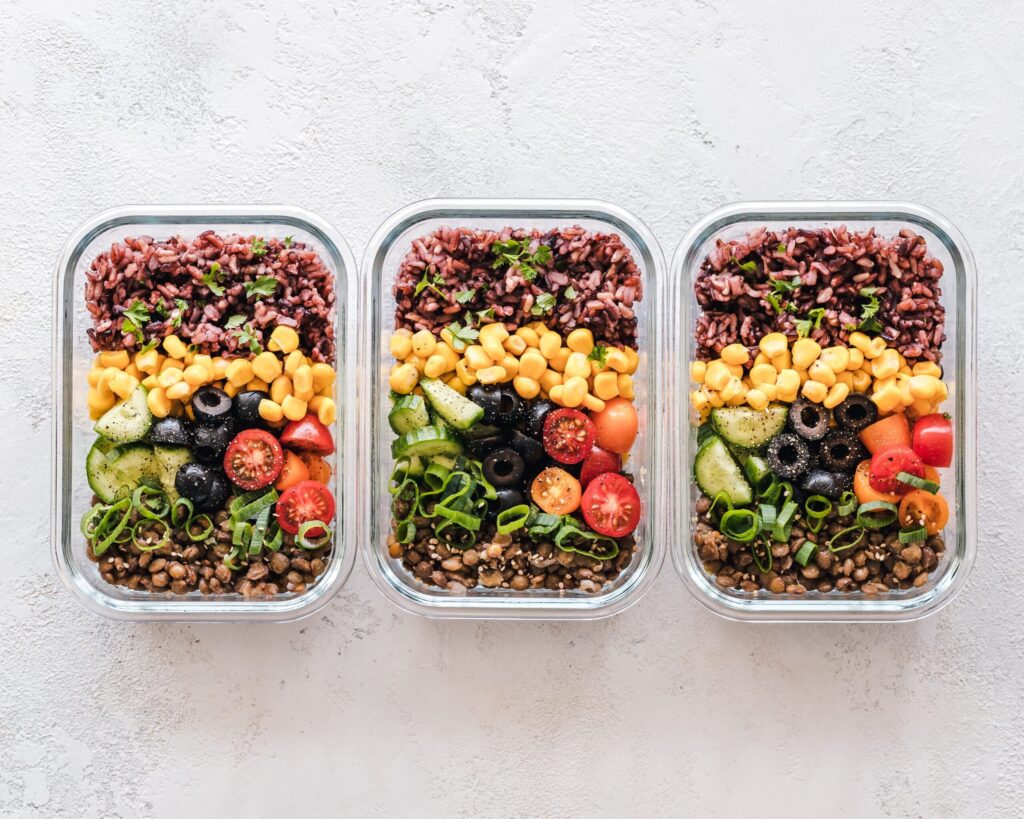
Whole grains are a vital component of a healthy diet, providing essential nutrients and numerous health benefits that processed grains simply can’t match.
Unlike refined grains, whole grains retain all parts of the grain kernel – the bran, germ, and endosperm – ensuring that they are packed with fiber, vitamins, minerals, and antioxidants. These nutrients play a crucial role in maintaining overall health, supporting digestion, and reducing the risk of chronic diseases such as heart disease, diabetes, and certain cancers.

Incorporating whole grains into your diet can also be particularly beneficial for those looking to achieve a flatter stomach, especially during the summer months when many of us are more conscious of our physical appearance. The high fiber content in whole grains aids in digestion and helps to regulate bowel movements, preventing bloating and promoting a feeling of fullness that can curb overeating.
Additionally, whole grains have a lower glycemic index compared to refined grains, meaning they release glucose more slowly into the bloodstream, preventing spikes in blood sugar and insulin levels that can lead to fat storage, particularly around the abdomen.
Summer is an ideal time to revamp your eating habits and embrace a diet rich in whole grains. With an abundance of fresh produce available, whole grains can easily be incorporated into light, refreshing meals that keep you satisfied and energized throughout the day.
Whether you’re enjoying a quinoa salad at a picnic, a bowl of oatmeal for breakfast, or a serving of brown rice with grilled vegetables, whole grains provide a nutritious and delicious foundation for your summer diet. By making these wholesome foods a staple in your meals, you can enhance your digestive health, manage your weight more effectively, and achieve that flatter stomach you’re aiming for.
1. Quinoa
Quinoa is often hailed as a superfood, and for good reason. This ancient grain is incredibly nutrient-dense, offering a range of health benefits that make it a fantastic addition to any diet, particularly for those looking to maintain a healthy weight and achieve a flatter stomach.
- High Protein Content: Quinoa is one of the few plant-based foods that is considered a complete protein, meaning it contains all nine essential amino acids that our bodies cannot produce on their own. With around 8 grams of protein per cooked cup, quinoa can help you meet your protein needs, which is especially important for muscle repair and growth, as well as overall metabolic health.
- Rich in Fiber: Quinoa is also an excellent source of dietary fiber, providing about 5 grams per cooked cup. Fiber is crucial for maintaining healthy digestion, preventing constipation, and promoting a feeling of fullness. This can help you control your appetite and reduce overall calorie intake, which is key for weight management and reducing belly fat.
- Contains Essential Amino Acids: In addition to being a complete protein, quinoa is packed with essential amino acids like lysine, methionine, and tryptophan. These amino acids are vital for various bodily functions, including tissue repair, nutrient absorption, and neurotransmitter production, contributing to overall health and well-being.
Weight Management
Quinoa is an excellent food for weight management due to its nutrient profile and how it affects satiety and metabolism.

Helps in Reducing Belly Fat: The combination of protein and fiber in quinoa helps to regulate blood sugar levels and reduce insulin spikes, which are often associated with increased abdominal fat storage. By keeping your blood sugar levels stable, quinoa can help prevent the accumulation of belly fat.
Keeps You Full Longer, Reducing Overall Calorie Intake: The high fiber content in quinoa slows down digestion, making you feel full for a longer period. This can help reduce the frequency of snacking and overeating, thereby lowering your overall calorie intake. The protein in quinoa also contributes to satiety and helps maintain muscle mass, which is essential for a healthy metabolism.
Versatility in Meals
One of the greatest advantages of quinoa is its versatility in the kitchen. It can be easily incorporated into a variety of meals, making it a convenient and delicious way to boost your intake of whole grains.
Quinoa’s mild, nutty flavor and fluffy texture make it a perfect base for salads, grain bowls, and side dishes.
You can mix it with vegetables, legumes, and lean proteins for a nutritious and satisfying meal. It also pairs well with a range of flavors, from savory to sweet, allowing you to get creative with your recipes.
Preparing quinoa is simple and quick, which is perfect for busy summer days. It cooks in about 15-20 minutes and can be prepared in advance and stored in the fridge for several days. To cook quinoa, simply rinse it under cold water to remove its natural coating (saponin), which can be bitter, then combine one part quinoa with two parts water or broth, bring to a boil, reduce to a simmer, and cook until the liquid is absorbed and the quinoa is tender.
By including quinoa in your diet, you can enjoy its numerous health benefits while savoring its versatility and ease of preparation, making it an ideal whole grain choice for achieving a flatter stomach this summer.
2. Oats
Oats are a staple whole grain that offers a wealth of nutritional benefits, making them an excellent choice for anyone aiming to improve their diet and achieve a flatter stomach.
High in Soluble Fiber (Beta-Glucan): One of the standout features of oats is their high content of soluble fiber, particularly beta-glucan.
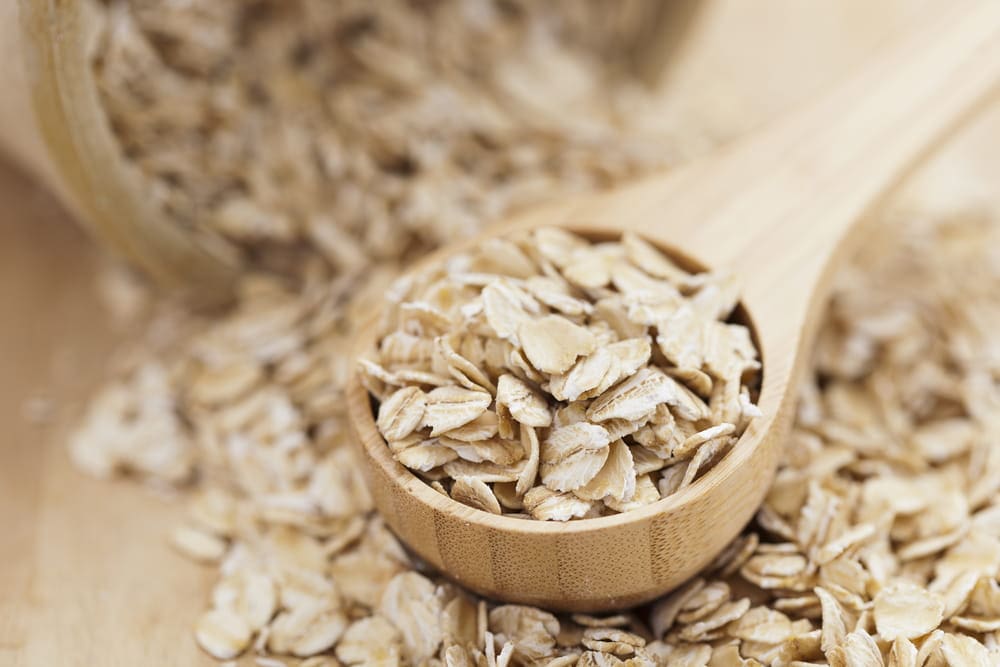
This type of fiber forms a gel-like substance in the gut, which slows down digestion, helps regulate blood sugar levels, and promotes satiety. A single cup of cooked oats contains about 4 grams of fiber, with a significant portion being beta-glucan.
Contains Important Vitamins and Minerals: Oats are also rich in essential vitamins and minerals, including manganese, phosphorus, magnesium, copper, iron, zinc, folate, and B vitamins.
These nutrients play crucial roles in energy production, immune function, and overall metabolic health, contributing to the body’s ability to maintain a healthy weight and reduce abdominal fat.
Digestive Health
The fiber content in oats is not just beneficial for weight management; it also plays a vital role in maintaining digestive health.
- Promotes Healthy Digestion and Regular Bowel Movements: The soluble fiber in oats helps to soften stool and promote regular bowel movements, which is essential for preventing constipation and maintaining a healthy digestive system. Regular consumption of oats can help ensure that your digestive tract functions smoothly, reducing the risk of digestive discomfort and bloating.
- Reduces Bloating and Improves Gut Health: By promoting the growth of healthy gut bacteria, the beta-glucan in oats supports a balanced gut microbiome. This can help reduce bloating and improve overall gut health. A healthy gut microbiome is linked to better nutrient absorption, enhanced immune function, and even mood regulation.
Breakfast Options
Oats are incredibly versatile and can be easily incorporated into a variety of breakfast options, making them an ideal start to your day.
Ideal for a Filling and Nutritious Breakfast: Oats are an excellent base for a filling and nutritious breakfast that can keep you energized and satisfied throughout the morning. The combination of complex carbohydrates, fiber, and protein in oats provides a slow and steady release of energy, helping to curb hunger and reduce the likelihood of mid-morning snacking.
- Can Be Used in Overnight Oats, Smoothies, and Baked Goods: There are numerous ways to enjoy oats beyond the traditional bowl of oatmeal. Here are a few ideas:
- Overnight Oats: Mix oats with milk or a milk alternative and let them soak overnight in the refrigerator. In the morning, you’ll have a ready-to-eat, creamy and delicious breakfast that you can customize with fruits, nuts, seeds, and spices.
- Smoothies: Add a handful of oats to your smoothie for an extra boost of fiber and a creamy texture. This is a great way to enhance the nutritional profile of your smoothie and make it more satisfying.
- Baked Goods: Incorporate oats into baked goods such as muffins, cookies, and bread for added fiber and nutrients. Oat flour can also be used as a gluten-free alternative in many recipes.
By making oats a regular part of your breakfast routine, you can enjoy their numerous health benefits while starting your day with a wholesome, satisfying meal. This can help you maintain a healthy weight and achieve a flatter stomach, setting a positive tone for the rest of your day.
3. Brown Rice
Brown rice is a whole grain that provides a range of health benefits, making it a nutritious addition to any diet aimed at achieving a flatter stomach.
Rich in Fiber and Antioxidants: Brown rice is packed with dietary fiber, particularly in its bran layer, which helps promote healthy digestion and prevent constipation. A single cup of cooked brown rice provides about 3.5 grams of fiber.
Additionally, brown rice contains a variety of antioxidants, including phenolic acids, flavonoids, and vitamin E, which help combat oxidative stress and inflammation in the body.
Low Glycemic Index for Sustained Energy: Brown rice has a low glycemic index (GI), meaning it releases glucose into the bloodstream more slowly compared to refined grains like white rice. This slow release helps maintain stable blood sugar levels, providing sustained energy and reducing the risk of insulin spikes that can lead to fat storage, particularly around the abdomen.
Weight Loss
Brown rice is an excellent food for weight loss and managing abdominal fat due to its nutrient composition and effects on appetite and metabolism.
- Helps Control Appetite and Reduces Abdominal Fat: The high fiber content in brown rice contributes to a feeling of fullness, which can help control appetite and reduce overall calorie intake. This is crucial for weight loss and preventing the accumulation of abdominal fat. Additionally, the fiber in brown rice helps improve digestion and prevents bloating, making your stomach appear flatter.
- Stabilizes Blood Sugar Levels: By stabilizing blood sugar levels, brown rice helps prevent the spikes and crashes in energy that can lead to overeating and weight gain. Stable blood sugar levels are also associated with a reduced risk of developing type 2 diabetes and metabolic syndrome, conditions often linked to excess abdominal fat.
Cooking and Recipes
Brown rice is a versatile grain that can be used in a variety of dishes, making it easy to incorporate into your diet.

Brown rice can be used as a base for many meals, from hearty stir-fries to nutritious grain bowls. It pairs well with vegetables, lean proteins, and legumes, making it a versatile ingredient that can be adapted to various culinary styles and preferences.
Tips for Cooking Perfect Brown Rice:
Cooking brown rice can be a bit more challenging than white rice due to its tougher outer bran layer, but with the right techniques, you can achieve perfectly cooked brown rice every time.
Here are some tips:
- Rinse the Rice: Rinse the brown rice under cold water to remove excess starch and any debris, which helps improve the texture.
- Use the Right Water Ratio: Use a 2:1 water-to-rice ratio. For example, for one cup of brown rice, use two cups of water.
- Bring to a Boil and Simmer: Bring the water to a boil, then reduce the heat to low, cover the pot, and let it simmer. Avoid lifting the lid too often to keep the steam inside.
- Cook Time: Brown rice typically takes about 40-50 minutes to cook. Check for doneness by tasting a grain to ensure it’s tender yet slightly chewy.
- Let it Rest: Once the rice is cooked, remove it from the heat and let it sit, covered, for about 10 minutes. This allows the steam to evenly distribute, resulting in fluffier rice.
Recipe Ideas:
Brown Rice Stir-Fry: Sauté your favorite vegetables and lean protein with cooked brown rice, soy sauce, and sesame oil for a quick and healthy meal.
Grain Bowls: Combine cooked brown rice with a variety of toppings such as roasted vegetables, avocado, chickpeas, and a tahini or yogurt dressing.
Stuffed Peppers: Use brown rice as a filling for stuffed bell peppers, mixed with ground turkey, beans, tomatoes, and spices.
By incorporating brown rice into your meals, you can enjoy its numerous health benefits while savoring its nutty flavor and satisfying texture. This makes it an ideal whole grain choice for supporting weight loss, stabilizing blood sugar levels, and achieving a flatter stomach.
Conclusion
Incorporating whole grains like quinoa, oats, and brown rice into your diet offers numerous health benefits that can help you achieve a healthier and flatter stomach this summer. These nutrient-dense grains are rich in fiber, essential vitamins, and minerals, which contribute to better digestion, enhanced satiety, and stable blood sugar levels.
Quinoa stands out for its high protein content and complete amino acid profile, making it a perfect addition to salads, bowls, and side dishes. Its fiber content helps reduce belly fat and keeps you full longer, aiding in overall calorie control.
Oats are packed with soluble fiber, particularly beta-glucan, which supports healthy digestion and regular bowel movements. They are versatile and can be enjoyed in various breakfast options, from overnight oats to smoothies and baked goods, providing a nutritious start to your day and helping to reduce bloating.
Brown Rice offers sustained energy through its low glycemic index and is rich in fiber and antioxidants. It helps control appetite and stabilize blood sugar levels, making it an excellent grain for weight management. Its versatility allows it to be incorporated into numerous dishes, from stir-fries to grain bowls.
By making quinoa, oats, and brown rice staples in your summer diet, you can take significant steps toward a healthier lifestyle and a flatter stomach. These whole grains not only provide essential nutrients but also help maintain satiety and support healthy digestion, making them valuable allies in your weight management journey.
Achieving a flatter stomach and maintaining overall health requires a balanced diet and an active lifestyle. Alongside incorporating these whole grains, ensure you consume a variety of fruits, vegetables, lean proteins, and healthy fats. Stay hydrated, engage in regular physical activity, and practice mindful eating to support your health goals.
By embracing these wholesome foods and lifestyle habits, you can enjoy the benefits of improved digestion, sustained energy, and a healthier physique, all while savoring delicious and nutritious meals throughout the summer and beyond.