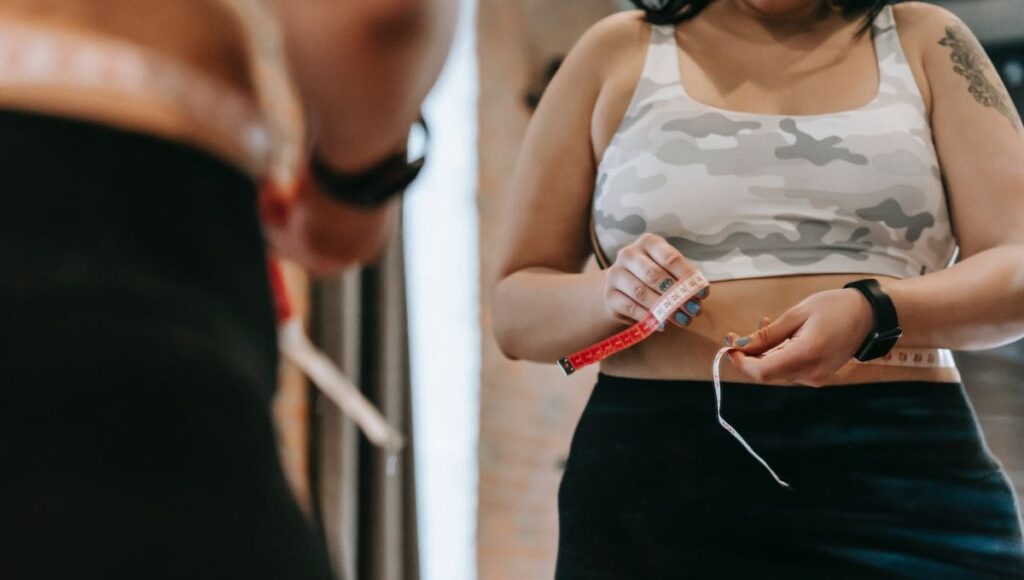
Losing “love handles” — the stubborn fat that accumulates around the waistline — is a common goal for many. While this type of fat is often resistant to standard diet and exercise routines, research shows that targeted strategies can effectively reduce it.
This article will provide evidence-backed advice on the three most important things you can do right now to lose fatty love handles.
1. Optimise Your Diet for Fat Loss
One of the most critical steps in losing love handles is altering your diet to promote fat loss. Diet plays a dominant role in reducing body fat, and there are specific changes that can make a significant difference.
a) Create a Caloric Deficit
To lose fat, including the fat around your waist, you must burn more calories than you consume. This is known as a caloric deficit. Research consistently shows that a sustained caloric deficit is essential for fat loss. In a study published in the American Journal of Clinical Nutrition, researchers found that individuals who maintained a consistent calorie deficit experienced significant fat loss, regardless of whether they followed a low-carbohydrate or low-fat diet (Hall et al., 2015). The key to success lies in consistently consuming fewer calories than you burn.
To calculate your daily caloric needs, you can use online calculators or consult a nutritionist. From there, reduce your daily intake by about 500 calories, which typically leads to a fat loss of about 0.5 kg (1 lb) per week. However, drastic calorie reductions should be avoided, as they can lead to muscle loss and lower metabolic rate, both of which can hinder long-term fat loss.
b) Focus on High-Protein, Whole Foods
High-protein diets have been shown to help with fat loss, particularly around the abdomen. Protein not only helps preserve muscle mass during weight loss, but it also increases feelings of fullness, leading to reduced calorie intake throughout the day. A study published in The American Journal of Clinical Nutrition demonstrated that higher-protein diets led to greater reductions in body fat and waist circumference compared to lower-protein diets (Leidy et al., 2015).
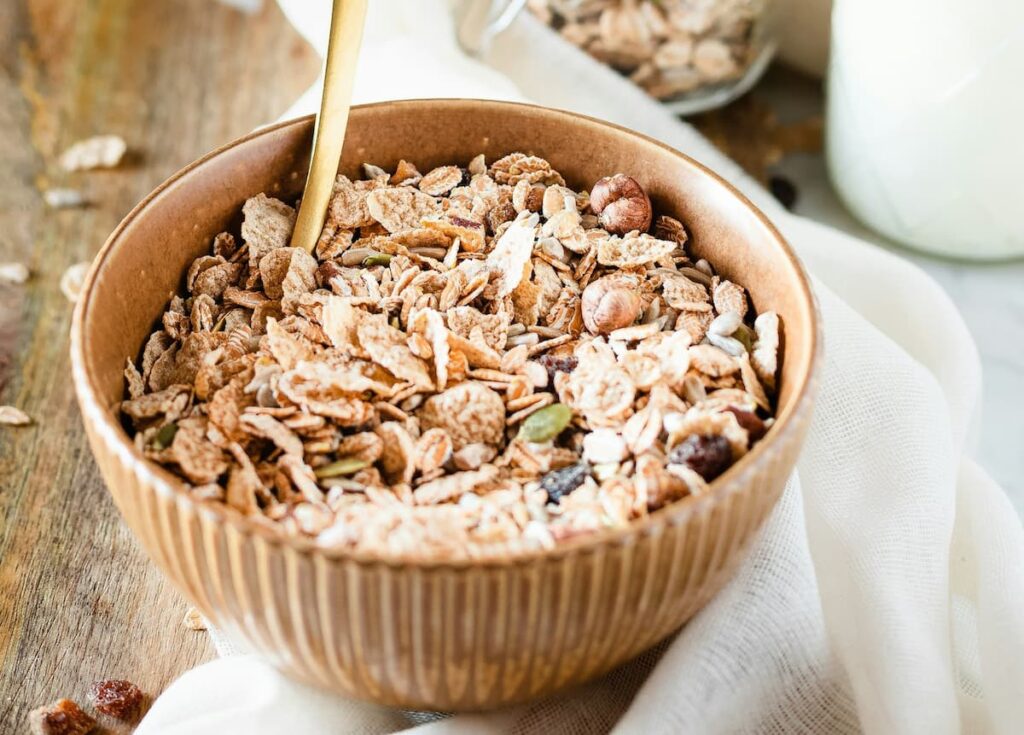
Eating whole, nutrient-dense foods such as lean meats, fish, eggs, legumes, and vegetables is essential for fat loss. Processed foods are often high in added sugars, unhealthy fats, and empty calories, which can contribute to fat gain, particularly around the midsection.
c) Limit Refined Carbohydrates and Added Sugars
Refined carbohydrates, such as white bread, pastries, and sugary snacks, cause rapid spikes in blood sugar levels, which can lead to increased fat storage, particularly around the abdomen. Studies show that diets high in refined carbohydrates are associated with greater abdominal fat and insulin resistance (Lassale et al., 2015). Reducing your intake of these foods can help reduce your love handles more effectively.
Instead, opt for complex carbohydrates, such as whole grains, oats, and sweet potatoes, which are digested more slowly and provide sustained energy without causing large insulin spikes.
2. Increase Your Physical Activity
Exercise is the second most crucial component for losing love handles. While spot reduction (losing fat in one specific area) is a myth, a combination of targeted exercises and overall physical activity can help reduce your waistline.
a) Incorporate High-Intensity Interval Training (HIIT)
High-intensity interval training (HIIT) is one of the most effective forms of exercise for reducing body fat. HIIT involves short bursts of intense exercise followed by brief periods of rest. Research shows that HIIT burns more fat in less time compared to steady-state cardio. A study published in the Journal of Obesity found that participants who performed HIIT experienced a significant reduction in abdominal fat compared to those who performed moderate-intensity exercise (Keating et al., 2014).
HIIT can be done with various exercises, including sprinting, cycling, or bodyweight movements such as burpees and jumping jacks. By elevating your heart rate rapidly and maintaining intensity, your body continues to burn calories even after the workout, a phenomenon known as excess post-exercise oxygen consumption (EPOC). This extended calorie burn helps accelerate fat loss, especially around the waist.
b) Strength Training
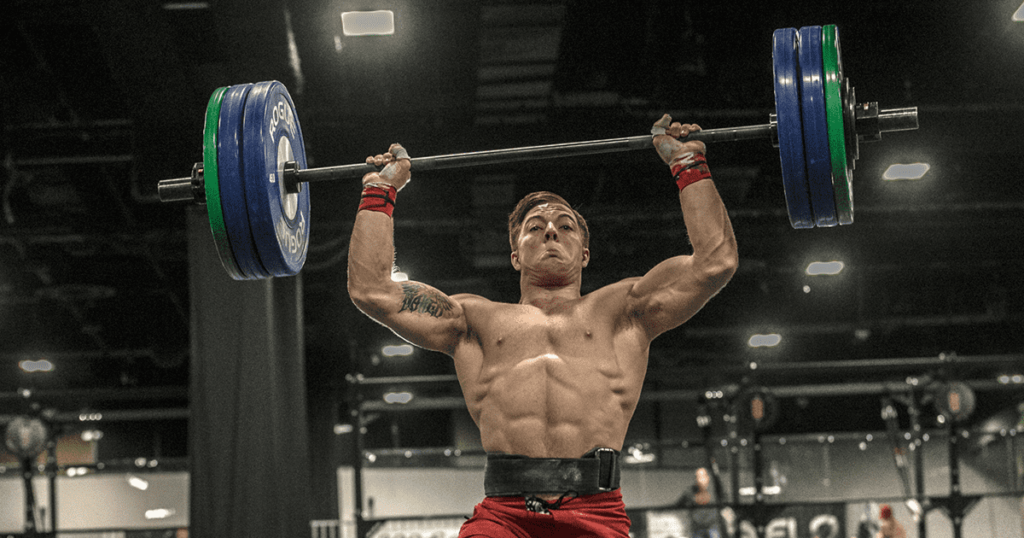
Strength training is essential for building lean muscle mass and boosting your metabolism, which can help reduce love handles. Resistance exercises that target multiple muscle groups, such as squats, deadlifts, and overhead presses, are particularly effective.
A study published in the Journal of Applied Physiology found that individuals who incorporated resistance training into their routine had a greater reduction in abdominal fat than those who did only aerobic exercise (Schoenfeld et al., 2014). The reason for this is that muscle tissue burns more calories than fat tissue, even at rest, which increases your total daily calorie expenditure.
For optimal results, aim for a combination of full-body strength training and core-specific exercises such as Russian twists, planks, and side bends to help tone the muscles around your midsection while reducing fat.
c) Move More Throughout the Day
While structured workouts are important, everyday movement also plays a significant role in fat loss. Non-exercise activity thermogenesis (NEAT), which includes activities such as walking, standing, and fidgeting, can account for a large portion of your daily calorie expenditure.
A study published in Obesity found that individuals who engaged in more NEAT had lower levels of abdominal fat compared to those who were more sedentary (Levine et al., 2005). Incorporating more movement throughout your day, such as taking the stairs, walking during phone calls, or using a standing desk, can help burn extra calories and reduce love handles over time.
3. Optimise Hormonal Balance and Sleep
Your hormones play a critical role in fat storage, particularly around the abdomen. Hormonal imbalances caused by stress, lack of sleep, or poor dietary choices can lead to increased fat storage, especially in the love handle region.
a) Reduce Stress Levels
Chronic stress leads to the release of cortisol, a hormone that has been linked to increased fat storage around the midsection. A study published in Obesity Reviews showed that individuals with high levels of cortisol tend to accumulate more visceral fat, which contributes to love handles (Rosmond, 2005).
To reduce stress, consider incorporating stress-management techniques such as meditation, yoga, or deep breathing exercises into your daily routine. Even something as simple as taking a walk in nature or spending time with loved ones can lower cortisol levels and support fat loss.
b) Prioritise Quality Sleep
Sleep deprivation has been shown to negatively impact metabolism and increase hunger hormones such as ghrelin, which can lead to overeating and fat gain. A study published in Annals of Internal Medicine found that participants who slept fewer than 7 hours per night had a significantly higher risk of fat gain, particularly around the abdomen (Spiegel et al., 2004).
To optimise sleep, aim for 7-9 hours of quality rest per night. Establish a regular sleep schedule, reduce screen time before bed, and create a calming bedtime routine to improve the quality of your sleep. By doing so, you can support hormone regulation and promote fat loss.
c) Avoid Excess Alcohol Consumption
Excessive alcohol consumption can interfere with hormone regulation and contribute to fat gain, particularly around the waistline. Alcohol is high in empty calories and has been shown to increase appetite, particularly for high-fat, high-sugar foods.
A study published in The Journal of Nutrition found that moderate-to-heavy alcohol consumption was associated with increased abdominal fat, even when overall caloric intake was controlled (Bantle et al., 2009). Limiting alcohol intake or opting for lower-calorie alcoholic beverages can support fat loss and reduce the appearance of love handles.
Conclusion
Losing love handles is achievable through a combination of optimising your diet, increasing your physical activity, and balancing your hormones and sleep patterns. By following the evidence-based strategies outlined above, you can make significant progress in reducing stubborn fat around your waistline.
These three key areas—diet, exercise, and hormone management—are interrelated, and addressing each will lead to more effective and sustainable fat loss. Focus on creating a caloric deficit, incorporating strength training and HIIT, managing stress, and getting adequate sleep to target love handles efficiently.
Key Takeaways Table
| Key Action | Summary |
|---|---|
| Optimise Your Diet | Create a caloric deficit, prioritise high-protein whole foods, and limit refined carbohydrates and added sugars. |
| Increase Physical Activity | Include HIIT, strength training, and daily movement (NEAT) to accelerate fat loss and target love handles. |
| Optimise Hormones and Sleep | Reduce stress, prioritise quality sleep, and limit alcohol consumption to balance hormones and support fat loss. |
Bibliography
Bantle, J.P., Raatz, S.K., Thomas, W. & Georgopoulos, A., 2009. Effects of dietary fructose on plasma lipids in healthy subjects. The Journal of Nutrition, 139(6), pp.1246S-1252S.
Hall, K.D., Bemis, T., Brychta, R., Chen, K.Y., Courville, A., Crayner, E.J., Fletcher, L.A., McGehee, S., Ouwerkerk, R., Patel, S. & Pieper, C.F., 2015. Calorie intake needed to maintain body weight is not accurately predicted by the calorie content of consumed food. American Journal of Clinical Nutrition, 102(2), pp. 354-360.
Keating, S.E., Johnson, N.A., Mielke, G.I. & Coombes, J.S., 2014. A systematic review and meta-analysis of interval training versus moderate-intensity continuous training on body adiposity. Journal of Obesity, 2014, pp.1-15.
Lassale, C., Tzoulaki, I., Moons, K.G., Sweeting, M., Sauerbrei, W., Perel, P., Hemingway, H. & Ioannidis, J.P., 2015. Excess body fat and risk of circulating cardiometabolic biomarkers: a systematic review and meta-analysis. PLoS medicine, 12(10), p.e1001801.
Leidy, H.J., Clifton, P.M., Astrup, A., Wycherley, T.P., Westerterp-Plantenga, M.S., Luscombe-Marsh, N.D., Woods, S.C. & Mattes, R.D., 2015. The role of protein in weight loss and maintenance. The American Journal of Clinical Nutrition, 101(6), pp.1320S-1329S.
Levine, J.A., Lanningham-Foster, L.M., McCrady, S.K., Krizan, A.C., Olson, L.R., Kane, P.H., Jensen, M.D. & Clark, M.M., 2005. Interindividual variation in posture allocation: possible role in human obesity. Science, 307(5709), pp.584-586.
Rosmond, R., 2005. Role of stress in the pathogenesis of the metabolic syndrome. Psychoneuroendocrinology, 30(1), pp.1-10.
Schoenfeld, B.J., Ogborn, D., Krieger, J.W., 2014. Resistance training frequency and muscle hypertrophy. Journal of Applied Physiology, 118(2), pp. 133-140.
Spiegel, K., Leproult, R. & Van Cauter, E., 2004. Impact of sleep debt on metabolic and endocrine function. Annals of Internal Medicine, 141(11), pp.846-850.