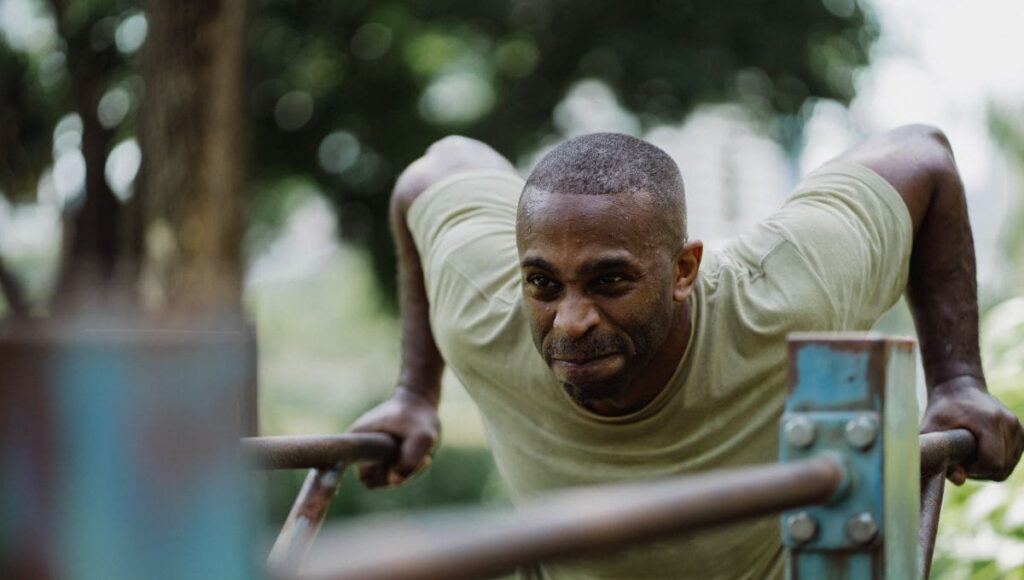
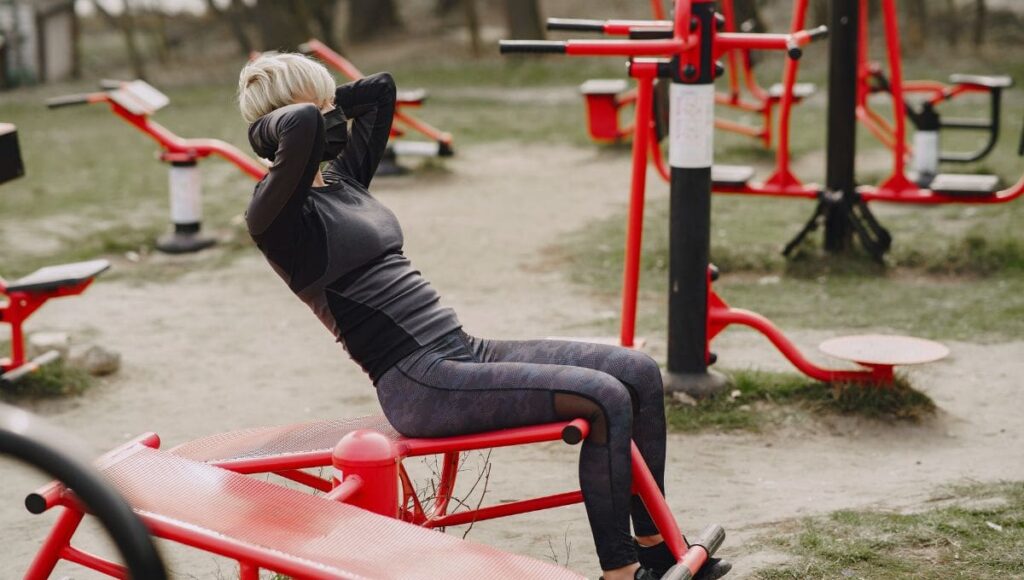
Bodyweight training is a powerful way to build strength, endurance and mental resilience. Unlike traditional resistance training, which relies on external weights, bodyweight exercises require functional strength, stability and control.
Research has shown that calisthenics-based training can improve muscular endurance, increase lean muscle mass and enhance overall fitness levels (Schoenfeld et al., 2014). Bodyweight challenges push your limits and allow you to measure your progress without the need for equipment.
Below are three of the toughest bodyweight challenges to put your strength to the test.
Challenge 1: The Murph Workout
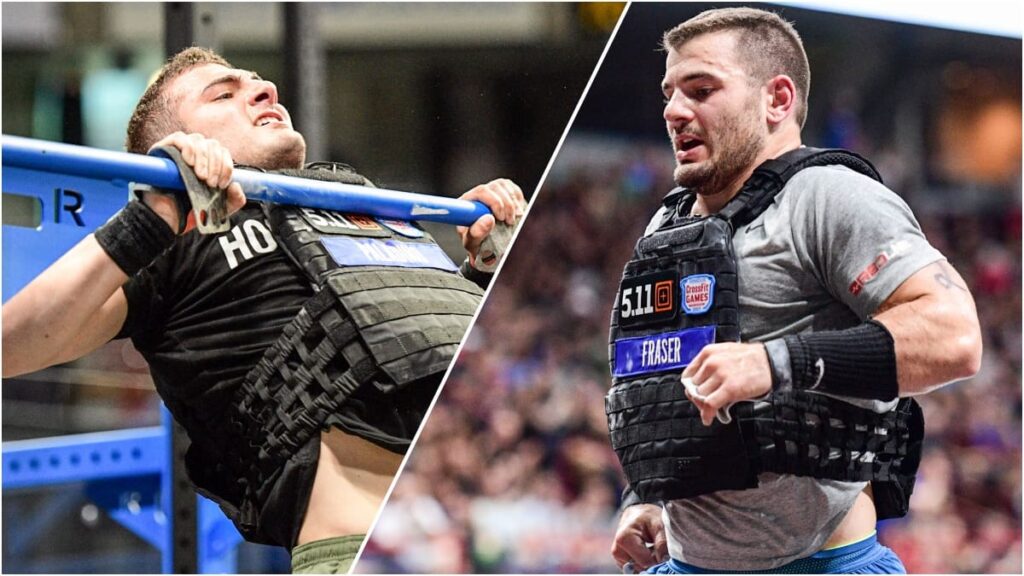
The Murph Workout is a high-intensity endurance test named after Lieutenant Michael P. Murphy, a Navy SEAL who died in combat. This challenge is a staple in the CrossFit community and tests your full-body strength, endurance and mental toughness.
The Workout:
- 1-mile run
- 100 pull-ups
- 200 push-ups
- 300 air squats
- 1-mile run
- Optional: Wear a 20 lb (9 kg) weighted vest
Scientific Backing:
High-rep endurance workouts like the Murph have been shown to improve cardiovascular conditioning, muscular endurance and mental fortitude (Gibala et al., 2006). Studies indicate that such high-volume training can also increase lactate threshold, which helps delay muscle fatigue (Bishop et al., 2011).
The Murph Workout also incorporates elements of high-intensity interval training (HIIT), which has been proven to enhance metabolic rate and improve fat oxidation (Burgomaster et al., 2008).
How to Prepare:
- Build pull-up endurance with progressive overload, using assisted pull-ups and negatives.
- Improve push-up and squat endurance by performing high-rep sets multiple times per week.
- Train running separately to maintain speed and endurance.
- Scale the workout by reducing reps or eliminating the weighted vest.
Challenge 2: The 1,000-Rep Bodyweight Gauntlet
This challenge is designed to test muscular endurance and mental resilience by completing 1,000 reps of key bodyweight movements as quickly as possible.
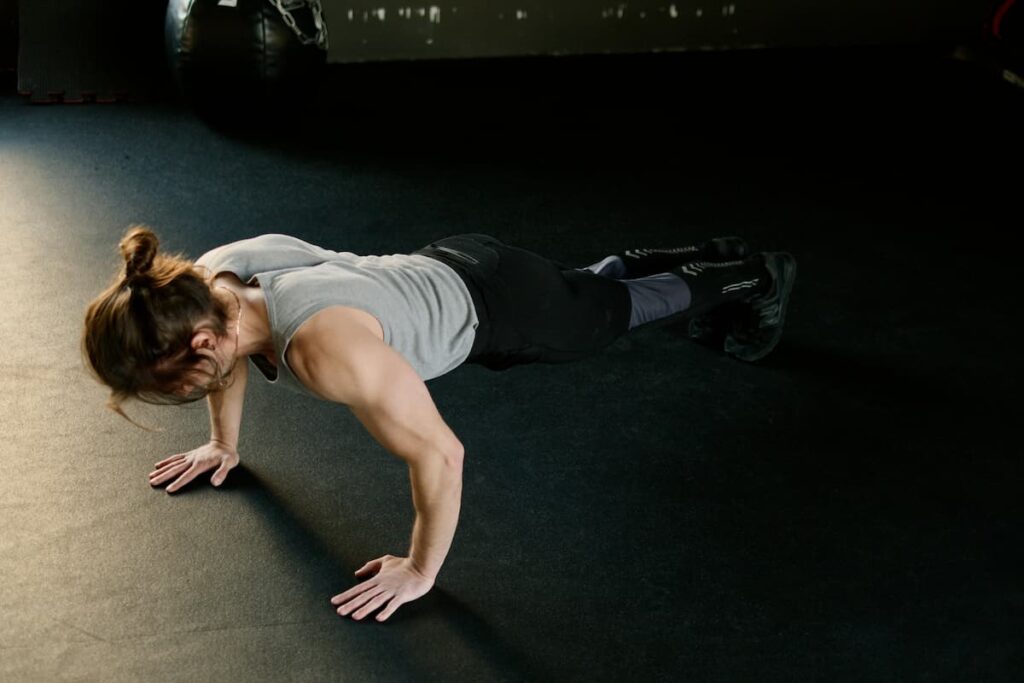
The Workout:
- 200 push-ups
- 200 air squats
- 200 sit-ups
- 200 lunges (100 per leg)
- 200 burpees
Scientific Backing:
Research has shown that ultra-high repetition training can significantly improve muscular endurance and time-to-exhaustion (Rønnestad et al., 2011). Training with high rep ranges stimulates slow-twitch muscle fibres, which are responsible for sustained muscle contractions and endurance performance (Klitgaard et al., 1990).
Additionally, full-body compound movements such as burpees activate multiple muscle groups simultaneously, leading to increased caloric expenditure and improved metabolic efficiency (Paoli et al., 2012).
How to Prepare:
- Focus on pacing to avoid early burnout. Break reps into smaller sets (e.g. 5 x 40 push-ups instead of 200 unbroken).
- Improve core endurance with additional sit-up and plank variations.
- Develop explosive strength for burpees by incorporating plyometric training.
- Prioritise mobility work to reduce fatigue and improve movement efficiency.
Challenge 3: The Gymnastic Strength Test
This challenge focuses on pure strength and body control, incorporating elements of gymnastics-style training.

The Workout:
- 5 strict muscle-ups
- 10 handstand push-ups
- 15 pistol squats per leg
- 20 hanging leg raises
- 30-second L-sit hold
Scientific Backing:
Gymnastics-based training has been found to improve upper body and core strength significantly due to the high degree of muscle activation required for advanced movements (Calatayud et al., 2017). Strict muscle-ups and handstand push-ups demand high levels of shoulder stability and pressing power, while pistol squats improve single-leg strength and mobility (De Villarreal et al., 2014). The L-sit, which requires strong isometric core engagement, has been shown to enhance abdominal muscle activation (Escamilla et al., 2006).
How to Prepare:
- Develop pulling strength with strict pull-ups and ring dips before attempting muscle-ups.
- Strengthen overhead pressing ability with pike push-ups and wall-assisted handstand holds.
- Improve single-leg strength with Bulgarian split squats and assisted pistol squat progressions.
- Build core endurance with hanging leg raises, L-sits and hollow body holds.
Key Takeaways Table
| Challenge | Focus | Key Benefits |
|---|---|---|
| Murph Workout | Endurance, strength, mental toughness | Enhances cardiovascular fitness, muscular endurance and metabolic efficiency |
| 1,000-Rep Gauntlet | Muscular endurance, metabolic conditioning | Improves time-to-exhaustion, slow-twitch muscle fibre activation and overall stamina |
| Gymnastic Strength Test | Body control, core strength, mobility | Increases upper body and core strength, enhances movement efficiency and single-leg balance |
References
Bishop, D., Edge, J. & Goodman, C. (2011) ‘Muscle buffer capacity and aerobic fitness are associated with repeated-sprint ability in women’, European Journal of Applied Physiology, 111(8), pp. 1657-1664.
Burgomaster, K.A., Heigenhauser, G.J.F., Gibala, M.J. (2008) ‘Effect of short-term sprint interval training on human skeletal muscle carbohydrate metabolism during exercise and time-trial performance’, Journal of Applied Physiology, 105(2), pp. 560-567.
Calatayud, J., Borreani, S., Colado, J.C., et al. (2017) ‘Muscle activation during push-ups with different suspension training systems’, Journal of Sports Science and Medicine, 16(2), pp. 222-228.
De Villarreal, E.S., Gonzalez-Badillo, J.J., Izquierdo, M. (2014) ‘Enhancing jump performance after combined vs. maximal power, heavy-resistance, and plyometric training alone’, Journal of Strength and Conditioning Research, 28(7), pp. 2254-2261.
Escamilla, R.F., Fleisig, G.S., Zheng, N., et al. (2006) ‘Effects of technique variations on knee biomechanics during the squat and leg press’, Medicine & Science in Sports & Exercise, 38(6), pp. 1146-1154.
Gibala, M.J., Little, J.P., MacDonald, M.J., Hawley, J.A. (2006) ‘Physiological adaptations to low-volume, high-intensity interval training in health and disease’, Journal of Physiology, 575(3), pp. 901-911.
Klitgaard, H., Mantoni, M., Schiaffino, S., et al. (1990) ‘Function, morphology and protein expression of ageing skeletal muscle: a cross-sectional study of elderly men with different training backgrounds’, Acta Physiologica Scandinavica, 140(1), pp. 41-54.
Paoli, A., Bianco, A., Palma, A. (2012) ‘Burpees: the perfect exercise’, Strength & Conditioning Journal, 34(5), pp. 44-46.
Rønnestad, B.R., Hansen, E.A., Raastad, T. (2011) ‘High volume of endurance training impairs adaptations to 12 weeks of strength training in well-trained endurance athletes’, European Journal of Applied Physiology, 111(7), pp. 1287-1295.
Schoenfeld, B.J., Ogborn, D., Krieger, J.W. (2014) ‘Dose-response relationship between weekly resistance training volume and muscular strength gains: a systematic review and meta-analysis’, Sports Medicine, 47(4), pp. 713-722.