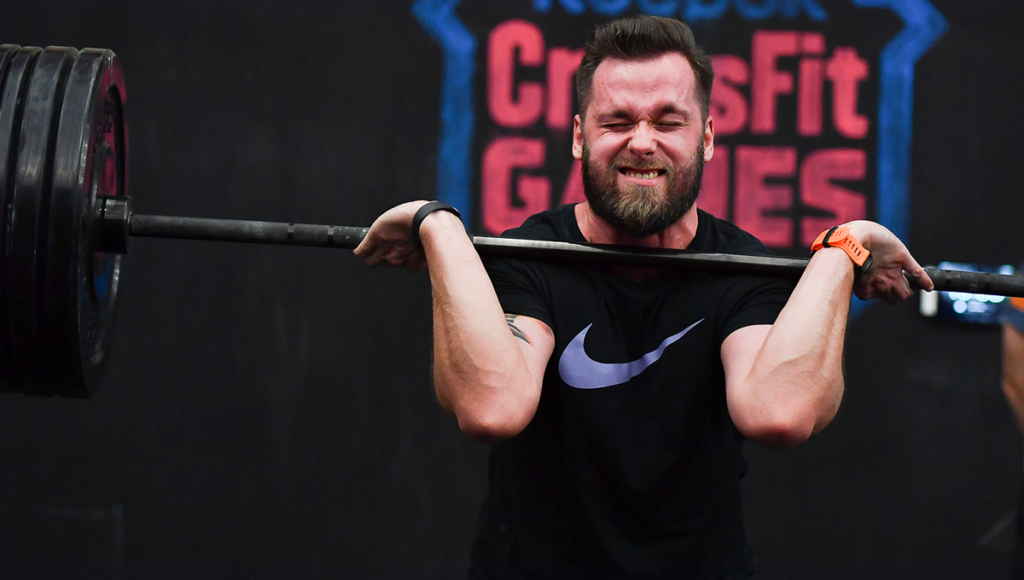
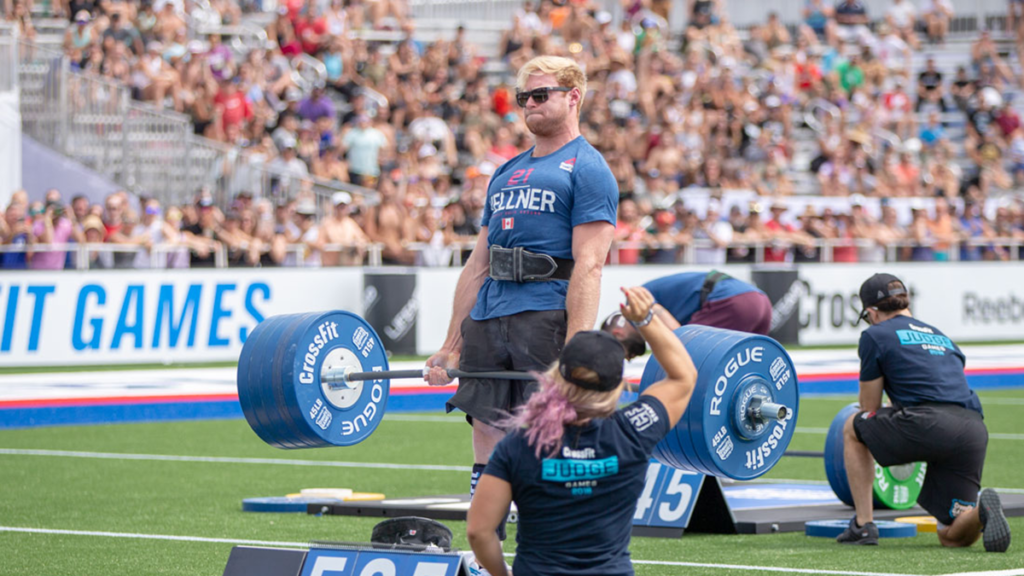
The idea that cardio is the ultimate fat-burning tool is widespread, but it’s a misconception not entirely grounded in science. While steady-state cardio has its place in a well-rounded fitness programme, research increasingly points to resistance training—particularly compound barbell movements—as a more efficient method for fat loss.
Compound exercises, by engaging multiple joints and muscle groups simultaneously, place a greater metabolic demand on the body than isolated movements. This not only stimulates muscle growth but also elevates the post-exercise oxygen consumption (EPOC), effectively increasing calorie expenditure long after the workout ends.
In this article, we explore three of the most powerful compound barbell exercises for fat loss and explain why they outperform traditional cardio for shedding fat.
Why Compound Barbell Exercises Work for Fat Loss
Increased Metabolic Demand
Compound barbell movements such as squats, deadlifts and presses engage large muscle groups, which require more energy to activate. A study by Paoli et al. (2012) demonstrated that resistance training with short rest intervals and high-intensity loads leads to greater EPOC and fat oxidation compared to aerobic exercise. Unlike steady-state cardio, which primarily burns calories during the activity itself, compound lifts increase your resting metabolic rate for hours post-workout.
Greater Hormonal Response
Resistance training stimulates anabolic hormones like testosterone and growth hormone, both of which support muscle growth and fat loss. Hansen et al. (2001) found that compound movements generate a more significant hormonal response than isolation exercises. This is crucial for body recomposition, where fat is lost and muscle is gained simultaneously.
Muscle Preservation During Caloric Deficit
Cardio can contribute to muscle catabolism when performed excessively, especially during a caloric deficit. On the other hand, resistance training helps preserve lean mass. A study by Westcott (2012) revealed that participants who combined diet with resistance training lost more fat and retained more muscle than those who combined diet with aerobic training alone. Maintaining muscle mass is vital for sustaining a high basal metabolic rate, making fat loss more efficient over the long term.
The Three Most Effective Compound Barbell Exercises for Fat Loss
1. Barbell Back Squat
The barbell back squat is a foundational compound movement that engages the quadriceps, hamstrings, glutes, lower back and core. It requires balance, coordination and strength, making it a high-demand exercise metabolically.
Why It Works
The barbell squat is a full-body movement that activates some of the largest muscle groups in the body. According to Escamilla (2001), squats can stimulate up to 200% more muscle fibre activity in the lower body compared to leg presses. The more muscle groups activated, the greater the energy expenditure during and after the workout.
Moreover, the hormonal response from heavy squatting is substantial. Schwanbeck et al. (2009) found that compound lifts like squats significantly increase testosterone and growth hormone levels, promoting both fat loss and muscle growth.
How to Do It
Position the barbell across your upper traps and stand with your feet shoulder-width apart. Brace your core, maintain a neutral spine and descend until your thighs are parallel to the floor. Drive through your heels to return to the starting position. Perform 4 sets of 6–8 reps with 90 seconds of rest for optimal fat-burning and muscle activation.
2. Barbell Deadlift
The deadlift is another king of compound lifts, involving the posterior chain including hamstrings, glutes, spinal erectors and traps. It also activates the core and forearms, making it a total-body strength and fat-loss tool.
Why It Works
Deadlifts recruit more muscle fibres than nearly any other exercise. McGuigan and Winchester (2008) observed that deadlifting causes a significant increase in metabolic rate and EPOC, making it highly effective for fat loss. The lift’s demand on the central nervous system and the musculature of the entire posterior chain results in substantial calorie burn.
Furthermore, deadlifts help improve insulin sensitivity, which supports better fat metabolism. According to a study by Holten et al. (2004), resistance training improves insulin action in skeletal muscle, aiding in better glucose control and fat utilisation.
How to Do It
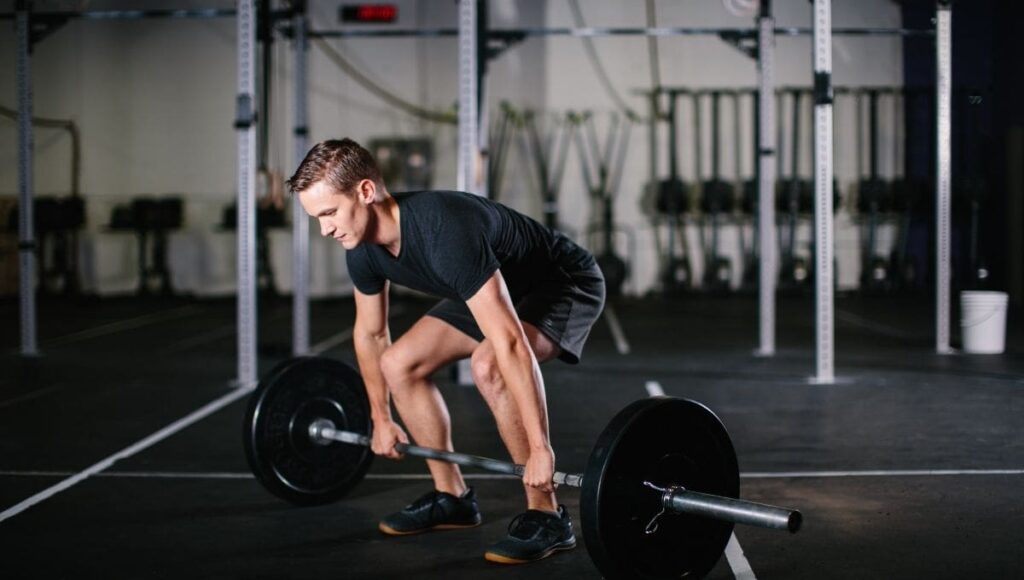
Stand with feet hip-width apart and the bar over the middle of your feet. Bend at the hips and knees, grip the bar just outside your knees. Keep your chest up and spine neutral, then drive through your heels to lift the bar while locking out your hips and knees at the top. Lower under control. Perform 3–4 sets of 5 reps with 2 minutes rest.
3. Barbell Overhead Press
While often overlooked in fat-loss discussions, the barbell overhead press is a demanding upper-body compound movement that works the deltoids, triceps, upper chest and core.
Why It Works
Overhead pressing requires full-body stabilisation, especially from the core and lower body. This total-body engagement increases metabolic cost. According to Ratamess et al. (2007), overhead pressing with moderate to heavy loads induces a significant EPOC effect and caloric expenditure.
The lift also enhances posture and shoulder integrity, which can improve performance in other compound lifts. While it doesn’t recruit the same lower body musculature as squats or deadlifts, the overhead press still contributes to systemic fatigue, an important factor in total energy expenditure.
How to Do It
Start with the barbell at shoulder height, grip slightly wider than shoulder-width. Brace your core, press the bar overhead until your arms are fully extended. Lower back under control. Avoid overarching your lower back. Perform 3–4 sets of 6–8 reps with 90 seconds of rest.
Combining These Exercises for Maximum Fat Loss
Programming Considerations
To maximise fat loss, these three exercises should form the foundation of your training programme. They should be performed with moderate to heavy loads (70–85% of 1RM) and short rest intervals (60–90 seconds) to maximise EPOC and metabolic disruption. A typical weekly split might involve two to three full-body sessions incorporating all three lifts, along with accessory movements and conditioning work as needed.
Progressive Overload
To continue seeing fat loss benefits, progressive overload must be applied. This involves gradually increasing the weight, reps or training volume over time. This ensures continued adaptation, muscle growth and fat oxidation.
Diet and Recovery
No training programme will result in fat loss without proper nutrition. Ensure a caloric deficit through controlled intake and support training recovery with adequate protein (1.6–2.2g/kg of bodyweight per day) and sleep (7–9 hours per night). Recovery is essential to maintain performance and hormone balance.
Conclusion
While cardio certainly plays a role in cardiovascular health and energy expenditure, compound barbell exercises offer a more efficient and sustainable route to fat loss. The metabolic demands, hormonal response and muscle preservation effects of exercises like the squat, deadlift and overhead press make them unparalleled tools in any fat-loss arsenal. By prioritising these lifts in your programme, you’ll not only shed fat faster but also build a strong, functional physique in the process.
Bibliography
Escamilla, R.F., 2001. Knee biomechanics of the dynamic squat exercise. Medicine and Science in Sports and Exercise, 33(1), pp.127-141.
Hansen, S., Kvorning, T., Kjaer, M. and Sjøgaard, G., 2001. The effect of short-term strength training on human skeletal muscle: the importance of physiologically elevated hormone levels. Scandinavian Journal of Medicine & Science in Sports, 11(6), pp.347-354.
Holten, M.K., Zacho, M., Gaster, M., Juel, C., Wojtaszewski, J.F. and Dela, F., 2004. Strength training increases insulin-mediated glucose uptake, GLUT4 content, and insulin signaling in skeletal muscle in patients with type 2 diabetes. Diabetes, 53(2), pp.294-305.
McGuigan, M.R. and Winchester, J.B., 2008. The relationship between isometric and dynamic strength in college football players. Journal of Sports Science and Medicine, 7(1), p.101.
Paoli, A., Moro, T., Marcolin, G., Neri, M., Bianco, A., Palma, A. and Grimaldi, K., 2012. High-intensity interval resistance training (HIRT) influences resting energy expenditure and respiratory ratio in non-dieting individuals. Journal of Translational Medicine, 10(1), p.237.
Ratamess, N.A., Falvo, M.J., Mangine, G.T., Hoffman, J.R., Faigenbaum, A.D. and Kang, J., 2007. The effects of rest interval length on metabolic responses to the bench press exercise. European Journal of Applied Physiology, 100(1), pp.1-17.
Schwanbeck, S., Chilibeck, P.D. and Binsted, G., 2009. A comparison of free weight squat to Smith machine squat using electromyography. Journal of Strength and Conditioning Research, 23(9), pp.2588-2591.
Westcott, W.L., 2012. Resistance training is medicine: effects of strength training on health. Current Sports Medicine Reports, 11(4), pp.209-216.