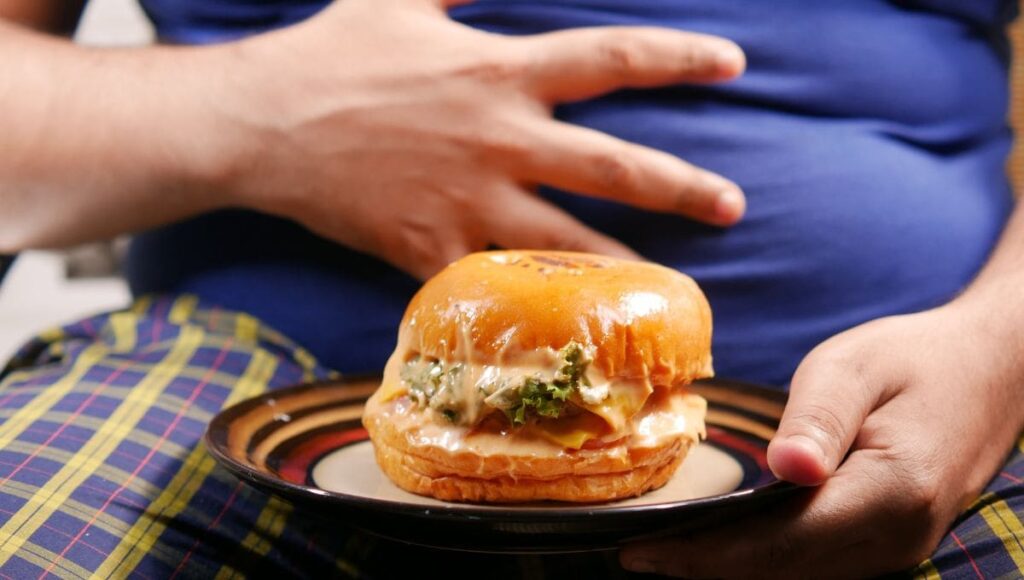
In the quest for a healthier and more aesthetically pleasing physique, the battle against belly fat is one that many individuals face.

The midsection, often dubbed the “belly” or “core,” is a common area where excess fat tends to accumulate. Not only does belly fat affect our appearance, but it also poses potential health risks, as visceral fat—fat that surrounds our internal organs—has been linked to various health conditions, including cardiovascular disease and type 2 diabetes.
While the desire to shed excess belly fat is widespread, it’s essential to approach this journey with a clear understanding of the factors that contribute to its accumulation. Genetics, lifestyle choices, and hormonal fluctuations can all play a role in stubborn belly fat. Additionally, age and gender can impact how and where our bodies store fat.
This article aims to provide valuable insights into tackling the battle of the bulge by offering three practical and effective tips to lose belly fat more efficiently. By incorporating these strategies into your lifestyle, you can work towards achieving a leaner, healthier midsection and, in turn, enhance your overall well-being.
Let’s delve into the first tip: making smart dietary choices for belly fat reduction.
Tip #1: Smart Dietary Choices for Belly Fat Reduction
When it comes to losing belly fat, your diet plays a crucial role. Making smart dietary choices is not just about cutting calories; it’s about selecting foods that promote fat loss and support overall health. Here are some key strategies to consider:
Prioritize Whole Foods:
Opt for nutrient-dense, whole foods that are rich in vitamins, minerals, and fiber. Fresh fruits, vegetables, lean proteins, and whole grains should form the foundation of your diet. These foods not only provide essential nutrients but also contribute to a feeling of fullness, reducing the likelihood of overeating.
Control Portion Sizes:
Mindful eating involves paying attention to portion sizes and recognizing when you’re genuinely hungry or satisfied. Use smaller plates, chew your food slowly, and savor each bite. This can help prevent overeating and contribute to a healthier relationship with food.
Limit Added Sugars and Processed Foods:
Excessive consumption of added sugars and highly processed foods is often linked to weight gain, especially in the abdominal area. Read food labels to identify hidden sugars and opt for whole, unprocessed alternatives whenever possible. Cutting back on sugary beverages is also a significant step in reducing overall calorie intake.
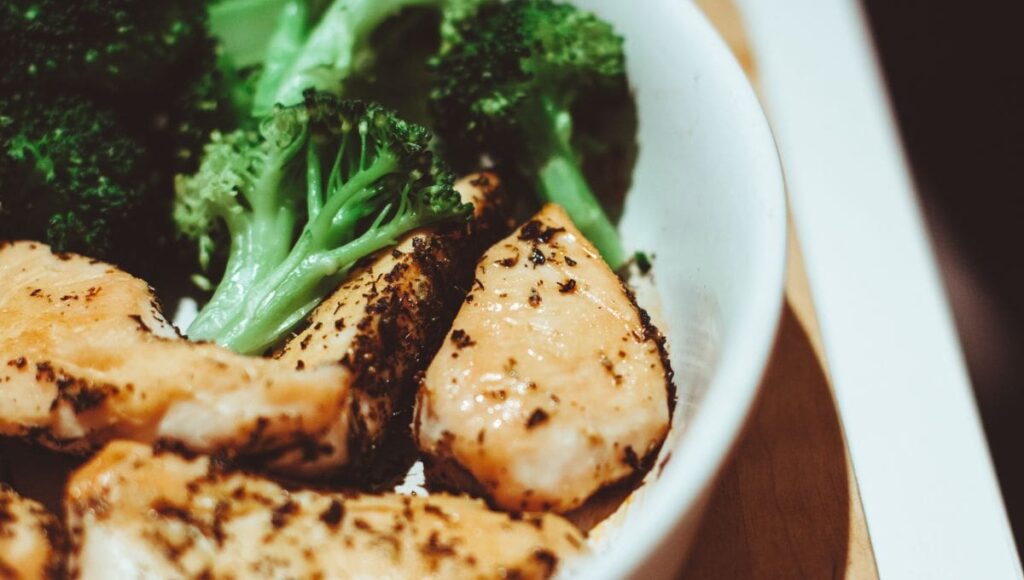
Choose Healthy Fats:
Not all fats are created equal. Include sources of healthy fats in your diet, such as avocados, nuts, seeds, and olive oil. These fats can help regulate hormones and contribute to a feeling of satiety, making it easier to stick to a calorie-controlled diet.
Stay Hydrated:
Drinking an adequate amount of water is crucial for overall health and can support your weight loss efforts. Sometimes, our bodies may confuse thirst with hunger, leading to unnecessary snacking. Aim to stay well-hydrated throughout the day.
Consider a Balanced Approach:
While specific diets may promise quick fixes, adopting a balanced and sustainable approach to eating is key for long-term success. Focus on creating a lifestyle that you can maintain over time, rather than relying on restrictive diets that may be challenging to follow.
By incorporating these smart dietary choices into your daily routine, you can create a foundation for effective belly fat reduction. In the next section, we’ll explore Tip #2: amping up your exercise routine for targeted results.
Tip #2: Amping Up Your Exercise Routine for Targeted Results
While a healthy diet forms the cornerstone of any weight loss journey, incorporating the right exercise routine is equally essential, especially when targeting belly fat.
Here are effective strategies to amp up your exercise routine for targeted results:
Cardiovascular Exercise:
Incorporate regular cardiovascular exercise to burn calories and promote overall fat loss. Engage in activities such as brisk walking, jogging, cycling, swimming, or high-intensity interval training (HIIT). Cardiovascular workouts elevate your heart rate, helping your body tap into stored fat for energy.
High-Intensity Interval Training (HIIT):
HIIT involves short bursts of intense exercise followed by periods of rest or lower-intensity activity. This approach has been shown to be particularly effective in burning abdominal fat. HIIT not only burns calories during the workout but also continues to do so in the post-exercise period, known as the afterburn effect.
Strength Training:
Incorporate strength training exercises to build lean muscle mass. Muscle tissue burns more calories at rest than fat tissue, contributing to a higher metabolism. Focus on compound exercises like squats, deadlifts, and bench presses, targeting multiple muscle groups simultaneously.

Core-Specific Exercises:
While spot reduction (losing fat from a specific area) is a myth, strengthening the muscles in your core can enhance the overall appearance of your midsection. Include exercises like planks, crunches, and leg raises to target the abdominal muscles.
Consistency is Key:
Consistency is crucial when it comes to exercise. Aim for at least 150 minutes of moderate-intensity aerobic exercise or 75 minutes of vigorous-intensity exercise per week, along with two days of strength training. Consistent, long-term effort yields better results than sporadic, intense workouts.
Mix It Up:
Avoid workout plateaus by incorporating variety into your routine. Try different forms of exercise to keep your body challenged and prevent boredom. This could include trying new classes, outdoor activities, or switching between different types of cardio and strength training.
Listen to Your Body:
Pay attention to how your body responds to exercise. If you’re new to a workout routine or have any existing health concerns, consult with a healthcare professional or fitness expert. Gradually increase the intensity and duration of your workouts to avoid injury.
By combining cardiovascular exercise, strength training, and targeted core exercises, you can create a well-rounded exercise routine that supports your goal of losing belly fat. In the next section, we’ll explore Tip #3: the power of adequate sleep and stress management in the context of belly fat reduction.
Tip #3: The Power of Adequate Sleep and Stress Management
In the pursuit of a leaner midsection, the importance of lifestyle factors such as sleep and stress management cannot be overstated. Both inadequate sleep and chronic stress have been linked to weight gain, particularly around the abdominal area. Here’s how prioritizing sleep and managing stress can contribute to more effective belly fat reduction:
Quality Sleep:
Lack of sleep can disrupt the balance of hormones that regulate hunger and satiety, leading to an increased appetite and cravings for high-calorie foods. Aim for 7-9 hours of quality sleep per night. Establishing a consistent sleep schedule, creating a calming bedtime routine, and ensuring a comfortable sleep environment can contribute to better sleep quality.

Hormonal Balance:
Sleep plays a crucial role in maintaining hormonal balance, including hormones that influence hunger and metabolism. Leptin, which signals satiety, decreases with insufficient sleep, while ghrelin, which stimulates appetite, increases. Prioritizing sleep helps regulate these hormones, making it easier to make healthier food choices.
Stress Management:
Chronic stress triggers the release of cortisol, a hormone associated with the storage of visceral fat. Implement stress-reducing practices such as mindfulness meditation, deep breathing exercises, yoga, or regular physical activity. These activities can help mitigate the impact of stress on your body and promote overall well-being.
Mindful Eating:
Stress can also contribute to emotional eating and cravings for comfort foods, often high in sugars and unhealthy fats. Practice mindful eating by paying attention to hunger and fullness cues. Being present during meals can help you make more conscious food choices and prevent overeating.
Create Relaxing Rituals:
Incorporate relaxation techniques into your daily routine. Whether it’s reading a book, taking a warm bath, or practicing gentle stretching, finding activities that help you unwind can significantly contribute to stress reduction.
Regular Physical Activity:
Exercise is not only beneficial for burning calories but also for reducing stress. Engaging in regular physical activity promotes the release of endorphins, which act as natural mood lifters. Choose activities you enjoy, whether it’s a brisk walk, dance class, or a soothing yoga session.
Build a Support System:
Having a strong support system can provide emotional assistance during stressful times. Share your goals with friends or family members, and consider joining fitness classes or groups to connect with like-minded individuals.
By recognizing the impact of sleep and stress on your body and incorporating strategies to address these factors, you can create a holistic approach to belly fat reduction. In the concluding section, we’ll summarize these three tips and explore additional small changes that can contribute to significant results.
Bonus Tips: Small Changes for Big Impact
In addition to the core strategies outlined above, incorporating small, sustainable changes into your daily routine can amplify the effectiveness of your efforts to lose belly fat. Here are some bonus tips that can make a significant impact over time:
Hydrate Wisely:
Incorporate beverages that support your goals. Opt for water, herbal teas, or infused water over sugary drinks. Staying hydrated not only supports overall health but can also help control appetite.
Increase Fiber Intake:
Fiber-rich foods contribute to a feeling of fullness and can aid in digestion. Choose whole grains, fruits, vegetables, and legumes to boost your fiber intake. Not only do these foods provide essential nutrients, but they can also help control calorie consumption.
Mindful Snacking:
If you find yourself reaching for snacks, choose nutrient-dense options such as nuts, seeds, Greek yogurt, or fresh fruits and vegetables. Be mindful of portion sizes to avoid mindless overeating.
Limit Liquid Calories:
Calories from beverages can add up quickly. Reduce your intake of sugary drinks, alcohol, and high-calorie coffee concoctions. Opt for water or herbal teas as your primary beverages.
Posture Awareness:
Improving your posture not only contributes to a more confident appearance but can also engage your core muscles. Practice good posture while sitting and standing to strengthen your abdominal muscles subtly throughout the day.
Gradual Changes:
Introduce changes gradually to allow your body and mind to adapt. Small, sustainable adjustments are more likely to become lasting habits, contributing to long-term success.
Track Progress:
Keep a journal to track your food intake, exercise routine, and overall progress. Monitoring your achievements and challenges can help you stay motivated and make informed adjustments to your plan.
Spice It Up:
Certain spices, such as chili peppers, contain compounds that may boost metabolism and contribute to fat burning. Adding a bit of spice to your meals not only enhances flavor but may also have metabolic benefits.
What Happens to Your Body if You Stop Eating Sugar for 2 Weeks?
10 Bad Morning Habits that Stop You Losing Fat
10 Biceps Exercises Better than Traditional Curls
Prioritize Mental Health:
Maintaining a positive mindset and prioritizing mental health is crucial. Stress and emotional well-being play a significant role in weight management. Consider activities like meditation, journaling, or counseling to support your mental health journey.
Consult with Professionals:
When in doubt, seek guidance from healthcare professionals, nutritionists, or fitness experts. They can provide personalized advice based on your individual needs and goals.
Remember, the journey to losing belly fat is a marathon, not a sprint. By combining the core strategies with these bonus tips, you can create a comprehensive and sustainable approach to achieving and maintaining a leaner midsection. Consistency, patience, and a commitment to a healthier lifestyle will contribute to lasting results.