Losing subcutaneous fat can significantly enhance your physical appearance and overall health. While spot reduction is a myth, certain strategies can help you effectively reduce this type of fat. This article delves into three scientifically-backed methods to help you lose subcutaneous fat and achieve your desired body shape.
Understanding Subcutaneous Fat
Subcutaneous fat is the layer of fat located just beneath the skin. Unlike visceral fat, which surrounds the organs, subcutaneous fat is less dangerous but still impacts your overall health and aesthetics. Reducing this type of fat involves a combination of diet, exercise, and lifestyle modifications.
Method 1: Optimise Your Diet
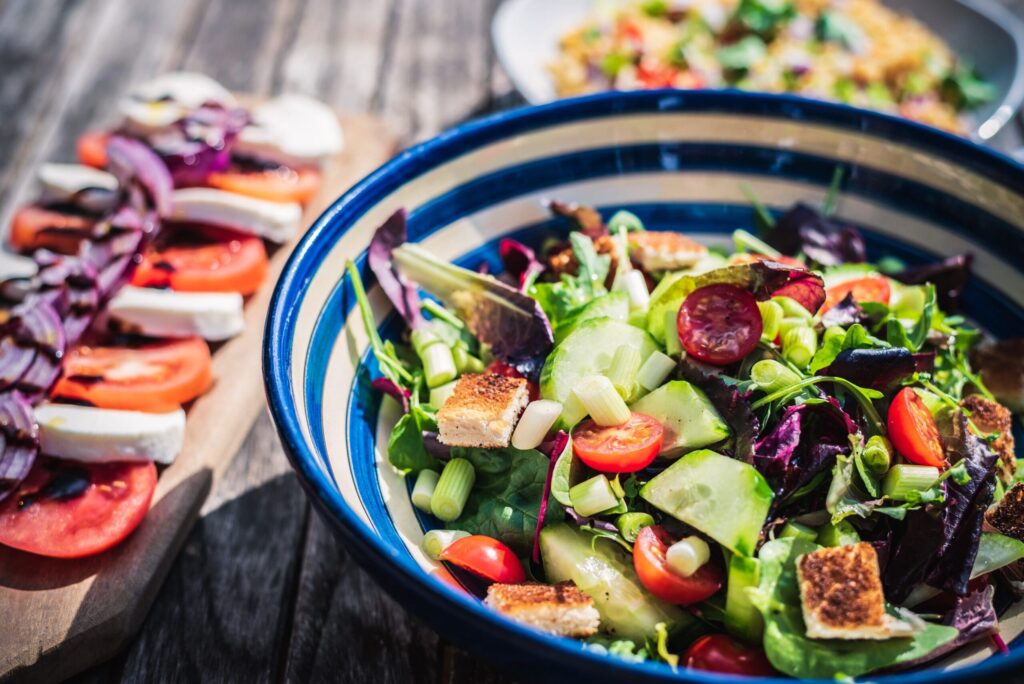
Focus on Caloric Deficit
A caloric deficit, where you consume fewer calories than your body expends, is fundamental for fat loss. Research has consistently shown that a caloric deficit leads to weight loss, including a reduction in subcutaneous fat (Hall et al., 2015).
Practical Steps:
- Calculate Your Basal Metabolic Rate (BMR): Use an online calculator to determine your daily caloric needs.
- Track Your Caloric Intake: Use apps like MyFitnessPal to monitor your food intake.
- Aim for a Deficit: Create a moderate caloric deficit of 500-750 calories per day for sustainable weight loss.
Prioritise Protein
High-protein diets are effective for fat loss as they increase satiety, preserve muscle mass, and boost metabolism (Paddon-Jones et al., 2008).

Practical Steps:
- Include Protein in Every Meal: Aim for at least 20-30 grams of protein per meal.
- Choose Lean Sources: Opt for chicken, turkey, fish, beans, and low-fat dairy products.
- Supplement if Necessary: Consider protein powders if you struggle to meet your protein needs through food alone.
Reduce Refined Carbohydrates and Sugars
Refined carbohydrates and sugars contribute to weight gain and fat accumulation. Limiting these can aid in reducing subcutaneous fat (Ludwig et al., 2018).
Practical Steps:
- Limit Sugary Beverages: Avoid soda, sweetened teas, and juices.
- Choose Whole Grains: Replace white bread and pasta with whole grain alternatives.
- Read Labels: Be mindful of hidden sugars in processed foods.
Method 2: Engage in Regular Exercise

Incorporate Cardiovascular Exercise
Cardiovascular exercise, or cardio, is highly effective for burning calories and reducing body fat. Studies have shown that aerobic exercise significantly decreases subcutaneous fat (Willis et al., 2012).
Practical Steps:
- Aim for Consistency: Engage in at least 150 minutes of moderate-intensity or 75 minutes of high-intensity cardio per week.
- Choose Enjoyable Activities: Running, cycling, swimming, and brisk walking are excellent options.
- Interval Training: Incorporate high-intensity interval training (HIIT) for more efficient fat burning.
Add Strength Training
Strength training helps build muscle, which in turn boosts your metabolism and aids in fat loss. Research indicates that combining strength training with cardio is more effective than cardio alone (Strasser et al., 2010).
Practical Steps:
- Train Major Muscle Groups: Focus on compound exercises like squats, deadlifts, bench presses, and rows.
- Frequency: Aim for at least two strength training sessions per week.
- Progressive Overload: Gradually increase the weight or resistance to continue challenging your muscles.
Don’t Neglect Flexibility and Recovery
Flexibility and recovery are often overlooked but essential components of a fat loss programme. Ensuring adequate recovery prevents injuries and allows for consistent exercise adherence (Zeng et al., 2016).
Practical Steps:
- Stretch Regularly: Incorporate stretching or yoga into your routine to maintain flexibility.
- Prioritise Sleep: Aim for 7-9 hours of quality sleep per night to support recovery and hormonal balance.
- Active Recovery: Engage in low-intensity activities like walking or light cycling on rest days.
Method 3: Adopt a Healthy Lifestyle

Manage Stress
Chronic stress elevates cortisol levels, which can lead to increased fat storage, particularly subcutaneous fat (Epel et al., 2000).
Practical Steps:
- Practice Mindfulness: Techniques such as meditation, deep breathing, and progressive muscle relaxation can reduce stress.
- Physical Activity: Regular exercise is a natural stress reliever.
- Adequate Rest: Ensure sufficient rest and leisure activities to mitigate stress.
Stay Hydrated
Proper hydration is crucial for overall health and can aid in weight loss by promoting satiety and metabolic function (Stookey et al., 2008).
Practical Steps:
- Drink Water Before Meals: This can help control appetite and reduce calorie intake.
- Carry a Water Bottle: Keep a reusable bottle with you to encourage regular water consumption.
- Monitor Your Intake: Aim for at least 2 litres of water per day, adjusting based on activity level and climate.
Avoid Alcohol and Smoking
Both alcohol and smoking are linked to increased fat storage and other health issues. Reducing or eliminating these can significantly impact your fat loss efforts (Howard et al., 2004; Chiolero et al., 2006).
Practical Steps:
- Limit Alcohol Consumption: Stick to moderate drinking guidelines, which is up to one drink per day for women and two for men.
- Seek Support for Quitting Smoking: Utilise resources like counselling, support groups, and nicotine replacement therapy if needed.
- Replace Unhealthy Habits: Find healthier alternatives to cope with stress or social situations.
Conclusion
Losing subcutaneous fat requires a multifaceted approach, incorporating a balanced diet, regular exercise, and healthy lifestyle choices. By creating a caloric deficit, engaging in both cardiovascular and strength training exercises, and adopting stress management and hydration strategies, you can effectively reduce subcutaneous fat and improve your overall health and appearance.
Bibliography
Chiolero, A., Faeh, D., Paccaud, F. & Cornuz, J., 2006. Consequences of smoking for body weight, body fat distribution, and insulin resistance. The American Journal of Clinical Nutrition, 87(4), pp.801-809.
Epel, E.S., Lapidus, R., McEwen, B. & Brownell, K.D., 2000. Stress may add bite to appetite in women: a laboratory study of stress-induced cortisol and eating behaviour. Psychoneuroendocrinology, 26(1), pp.37-49.
Hall, K.D., Sacks, G., Chandramohan, D., Chow, C.C., Wang, Y.C., Gortmaker, S.L. & Swinburn, B.A., 2011. Quantification of the effect of energy imbalance on bodyweight. The Lancet, 378(9793), pp.826-837.
Howard, A.A., Arnsten, J.H. & Gourevitch, M.N., 2004. Effect of alcohol consumption on diabetes mellitus: a systematic review. Annals of Internal Medicine, 140(3), pp.211-219.
Ludwig, D.S., Ebbeling, C.B., 2018. The Carbohydrate-Insulin Model of Obesity: Beyond “Calories In, Calories Out.” JAMA Internal Medicine, 178(8), pp.1098-1103.
Paddon-Jones, D., Westman, E., Mattes, R.D., Wolfe, R.R., Astrup, A. & Westerterp-Plantenga, M., 2008. Protein, weight management, and satiety. The American Journal of Clinical Nutrition, 87(5), pp.1558S-1561S.
Stookey, J.D., Constant, F., Popkin, B.M. & Gardner, C.D., 2008. Drinking water is associated with weight loss in overweight dieting women independent of diet and activity. Obesity, 16(11), pp.2481-2488.
Strasser, B., Arvandi, M. & Siebert, U., 2012. Resistance training, visceral obesity and inflammatory response: a review of the evidence. Obesity Reviews, 13(7), pp.578-591.
Willis, L.H., Slentz, C.A., Bateman, L.A., Shields, A.T., Piner, L.W., Bales, C.W., Houmard, J.A., Kraus, W.E., 2012. Effects of aerobic and/or resistance training on body mass and fat mass in overweight or obese adults. Journal of Applied Physiology, 113(12), pp.1831-1837.
Zeng, Z., Henke, C., Southerland, J., 2016. Sleep quality improved following a single-session physical activity intervention. Nursing Research and Practice, 2016, Article ID 8170914, 6 pages.
Key Takeaways
| Key Point | Details |
|---|---|
| Caloric Deficit | Consume fewer calories than you expend to promote fat loss. |
| Prioritise Protein | Include protein in every meal to increase satiety and preserve muscle mass. |
| Reduce Refined Carbs and Sugars | Limit sugary drinks and opt for whole grains. |
| Cardiovascular Exercise | Aim for 150 minutes of moderate-intensity cardio per week. |
| Strength Training | Incorporate compound exercises and train major muscle groups. |
| Manage Stress | Practice mindfulness and ensure adequate rest to reduce stress. |
| Stay Hydrated | Drink at least 2 litres of water daily to support metabolic function and satiety. |
| Avoid Alcohol and Smoking | Limit alcohol consumption and seek support to quit smoking. |
By integrating these strategies into your routine, you can effectively reduce subcutaneous fat and improve both your health and appearance.