Building a strong and muscular lower body is crucial for overall fitness, improved athletic performance, and functional strength.
For beginners, focusing on foundational exercises that activate multiple muscle groups is essential for developing strength, coordination, and muscle mass. This article explores three essential lower body exercises that are ideal for beginners and backed by scientific research.
These exercises include squats, Romanian deadlifts, and lunges, which target key muscles such as the quadriceps, hamstrings, glutes, and calves.
The Importance of Lower Body Training for Beginners
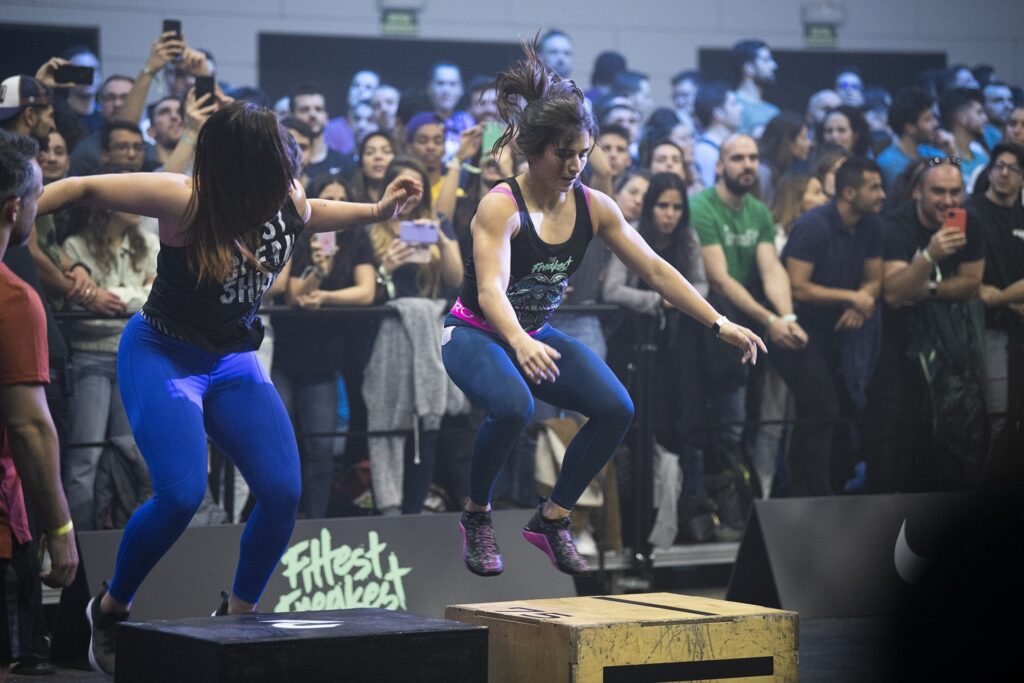
Lower body training is vital for beginners as it builds a foundation for strength and power. A strong lower body not only supports upper body movements but also improves balance, coordination, and posture.
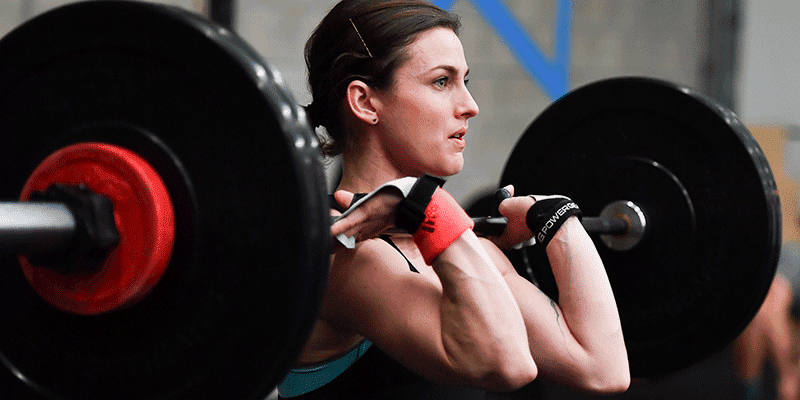
According to a study published in the Journal of Strength and Conditioning Research, lower body exercises that involve compound movements lead to greater muscle activation and hormonal responses, which are crucial for muscle growth and fat loss (Kraemer et al., 2002). Additionally, these exercises promote functional fitness, enhancing everyday movements like walking, climbing stairs, and lifting objects.
Key Benefits of Lower Body Training
- Increased muscle mass: Compound exercises target multiple muscle groups, leading to more significant hypertrophy.
- Improved bone density: Weight-bearing exercises strengthen bones, reducing the risk of osteoporosis.
- Enhanced metabolism: Building larger muscles boosts resting metabolic rate, aiding in weight management.
Exercise 1: Squats
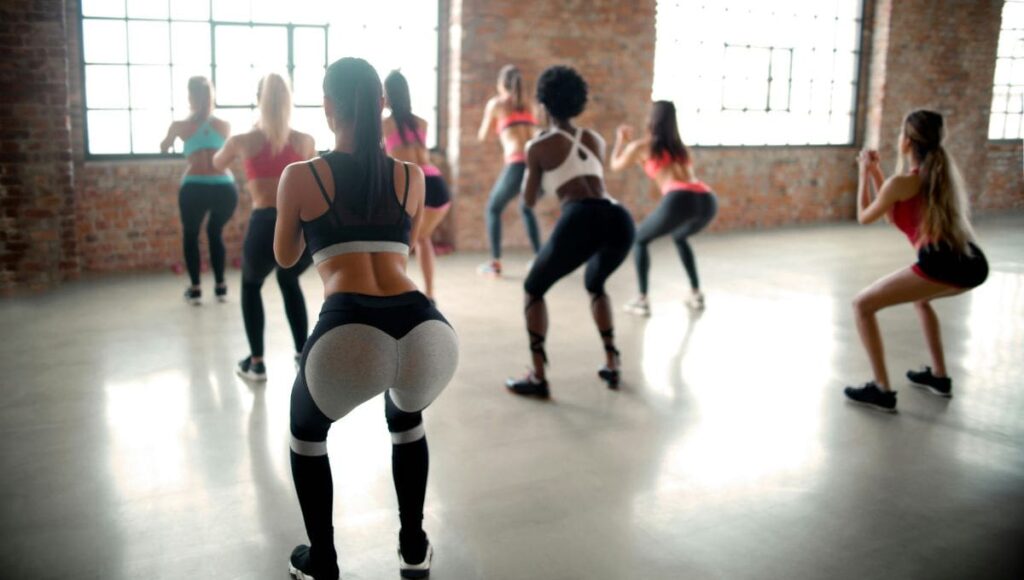
Squats are a cornerstone of lower body training. They are a compound exercise that primarily targets the quadriceps, glutes, and hamstrings while also engaging the core for stability. For beginners, the bodyweight squat is an excellent starting point before progressing to weighted variations such as goblet squats or barbell back squats.
How to Perform Bodyweight Squats
- Stand with feet shoulder-width apart, toes slightly turned out.
- Keep your chest up, shoulders back, and gaze forward.
- Lower your body by bending at the hips and knees, ensuring your knees track over your toes.
- Descend until your thighs are parallel to the ground or lower, depending on your mobility.
- Push through your heels to return to the starting position.
Why Squats Are Essential
Squats are highly effective for beginners due to their simplicity and scalability. Research published in the European Journal of Applied Physiology found that squats activate nearly all major muscle groups in the lower body, making them one of the most efficient exercises for building muscle (Escamilla, 2001). Additionally, squats improve joint mobility and strengthen stabiliser muscles, reducing the risk of injury.
Variations for Progression
- Goblet squats: Hold a dumbbell close to your chest for added resistance.
- Barbell back squats: Once comfortable with bodyweight squats, progress to barbell squats to increase intensity.
Exercise 2: Romanian Deadlifts (RDLs)
The Romanian deadlift is a hip-dominant exercise that primarily targets the hamstrings and glutes. It also strengthens the lower back and core, making it an excellent choice for beginners who want to develop posterior chain strength and improve posture.
How to Perform Romanian Deadlifts
- Stand with feet hip-width apart, holding a dumbbell or barbell with a pronated grip.
- Keep a slight bend in your knees and maintain a neutral spine.
- Hinge at the hips, pushing them back while lowering the weight towards the ground.
- Stop when you feel a stretch in your hamstrings, ensuring your back remains flat.
- Return to the starting position by driving your hips forward.
Why RDLs Are Essential
Romanian deadlifts are particularly effective for developing the hamstrings, which are often under-trained in beginners. According to a study in the Journal of Sports Science & Medicine, hamstring exercises like RDLs reduce the risk of knee injuries by improving the strength balance between the quadriceps and hamstrings (Croisier et al., 2008). This exercise also enhances hip mobility, a critical factor for overall athletic performance.
Variations for Progression
- Dumbbell RDLs: Start with lighter dumbbells to master the movement pattern.
- Barbell RDLs: Progress to a barbell as you build strength and confidence.
Exercise 3: Lunges
Lunges are a unilateral exercise that targets the quadriceps, glutes, and hamstrings while improving balance and coordination. They also engage the core and stabilising muscles, making them an excellent choice for beginners looking to correct muscle imbalances and enhance functional fitness.
How to Perform Forward Lunges
- Stand tall with your feet together.
- Step forward with one foot and lower your body by bending both knees to 90 degrees.
- Ensure your front knee stays aligned with your toes and your back knee hovers above the ground.
- Push through your front heel to return to the starting position.
- Alternate legs and repeat.
Why Lunges Are Essential
Lunges are versatile and can be performed in various planes of motion, making them a functional exercise that mimics everyday movements. A study in the Journal of Strength and Conditioning Research highlighted that lunges activate the glutes more effectively than squats, particularly in the forward and walking variations (Bryanton et al., 2012). Additionally, lunges improve proprioception and unilateral strength, addressing muscle imbalances that are common in beginners.
Variations for Progression
- Walking lunges: Increase the challenge by performing lunges while moving forward.
- Reverse lunges: Step backwards instead of forwards to reduce strain on the knees.
- Dumbbell lunges: Add weights to increase resistance.
Programming Tips for Beginners
Repetition and Sets
For each exercise, beginners should aim for:
- 3 sets of 10-12 repetitions: This rep range promotes hypertrophy while allowing for proper form.
- Rest for 60-90 seconds between sets to recover and maintain performance.
Frequency
Perform these exercises 2-3 times per week on non-consecutive days to allow adequate recovery.
Warm-Up and Cool-Down
Always include a dynamic warm-up to prepare your muscles and joints. Examples include bodyweight squats, leg swings, and hip circles. Finish your workout with static stretching to improve flexibility and reduce muscle soreness.
Common Mistakes to Avoid
- Poor form: Focus on technique over weight to prevent injuries.
- Neglecting mobility: Incorporate mobility drills to improve range of motion.
- Skipping progression: Gradually increase resistance or complexity to avoid plateaus.
Conclusion
Squats, Romanian deadlifts, and lunges are three essential exercises that provide a solid foundation for beginners looking to build lower body muscle. Each exercise targets multiple muscle groups, improves functional strength, and enhances overall fitness. By mastering these movements and incorporating them into a well-rounded training programme, beginners can achieve significant progress in their muscle-building journey.
Key Takeaways Table
| Key Takeaways | Details |
|---|---|
| Essential Exercises | Squats, Romanian Deadlifts (RDLs), and Lunges are foundational for lower body strength. |
| Muscle Groups Targeted | Quadriceps, hamstrings, glutes, and core. |
| Benefits | Improved strength, balance, mobility, and muscle growth. |
| Recommended Reps and Sets | 3 sets of 10-12 reps, performed 2-3 times per week. |
| Variations for Progression | Goblet squats, barbell RDLs, and dumbbell lunges for increased intensity. |
| Common Mistakes to Avoid | Prioritising weight over form, neglecting mobility, and skipping progression. |
References
- Bryanton, M. A., Kennedy, M. D., Carey, J. P., & Chiu, L. Z. (2012). Effect of squat depth and barbell load on relative muscular effort in squatting. Journal of Strength and Conditioning Research, 26(10), 2820-2828.
- Croisier, J. L., Ganteaume, S., Binet, J., Genty, M., & Ferret, J. M. (2008). Strength imbalances and prevention of hamstring injury in professional soccer players: A prospective study. American Journal of Sports Medicine, 36(8), 1469-1475.
- Escamilla, R. F. (2001). Knee biomechanics of the dynamic squat exercise. Medicine and Science in Sports and Exercise, 33(1), 127-141.
- Kraemer, W. J., Adams, K., Cafarelli, E., Dudley, G. A., Dooly, C., Feigenbaum, M. S., & Fry, A. C. (2002). Progression models in resistance training for healthy adults. Medicine & Science in Sports & Exercise, 34(2), 364-380.