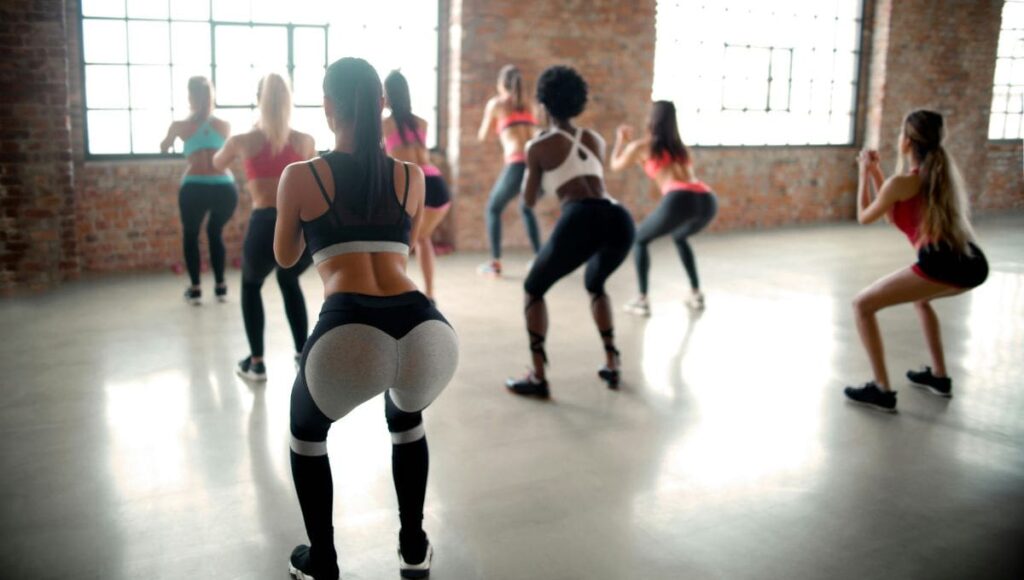
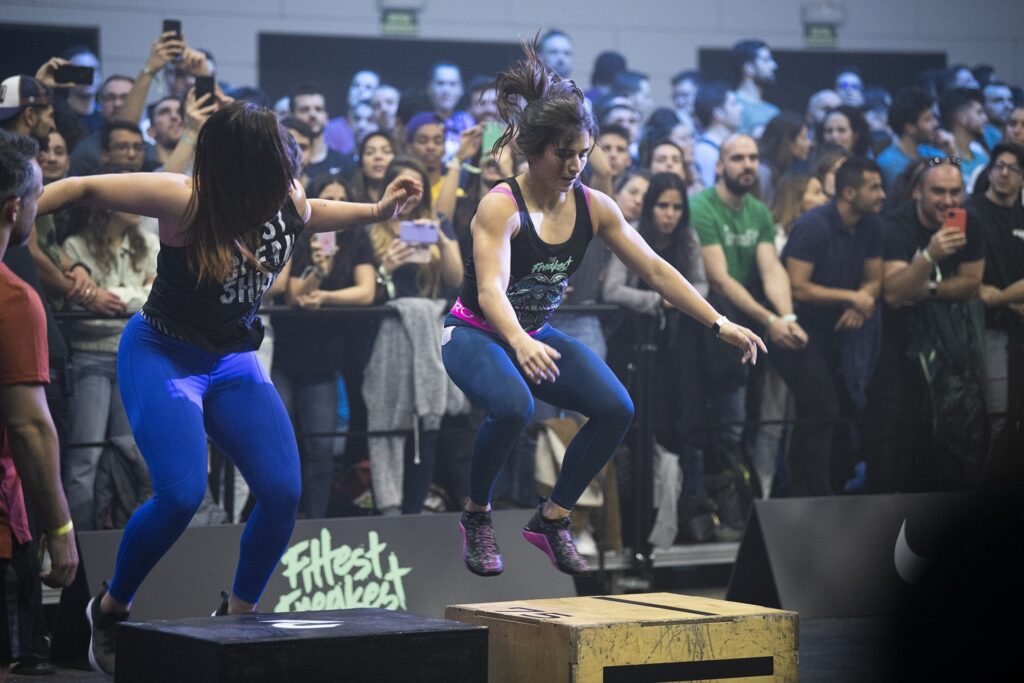
When it comes to lower body strength and hypertrophy, traditional exercises like squats, deadlifts, and lunges are highly effective.
But for guys over 30 or those looking to break through plateaus, adding chains to your training can create new levels of resistance, build strength, and boost muscle growth. Chains add a variable resistance element to your lifts, making the exercises more challenging as you progress through the movement, where you are strongest. This constant increase in resistance teaches your muscles to adapt, helping to develop power and size.
The Science Behind Chains
Chains are a form of accommodating resistance, which means they change the load dynamically as you move through the range of motion. For example, in a squat, the weight increases as you rise because more of the chain is lifted off the ground. This method encourages muscle growth, known as hypertrophy, as it stimulates both fast-twitch and slow-twitch muscle fibres. A study published in the Journal of Strength and Conditioning Research found that athletes using chains in their resistance training experienced greater improvements in maximal strength and power compared to traditional weightlifting alone (Ghigiarelli et al., 2009).
The constantly changing load recruits stabiliser muscles to manage the weight shift, increasing neuromuscular coordination. This helps develop functional strength, which translates into improved performance in sports and daily activities. Chains are particularly effective for strength athletes because they overload the peak contraction phase of the lift, where most people are strongest and can handle the most load.
Below, we’ll explore three key lower body exercises that can be enhanced by adding chains, offering you the tools to build a stronger and more muscular physique.
1. Chain Squats
Why It Works
The squat is one of the best exercises for overall lower body development, targeting the quadriceps, hamstrings, glutes, and core. Adding chains to the squat takes this exercise to another level by introducing progressive resistance as you move from the bottom to the top of the movement. This is where your muscles are naturally stronger, and the added resistance from the chains helps to maximise the overload, increasing strength and size.
How to Perform Chain Squats
- Attach chains to each side of the barbell so that the majority of the chain is on the floor when you’re in the bottom position.
- As you squat up, more of the chain will lift off the ground, increasing the resistance as you move to the top of the lift.
- Keep your core tight, chest up, and ensure that your knees track over your toes as you lower yourself down to parallel or below.
- Push through your heels and engage your glutes as you return to the starting position.
Benefits of Chain Squats
Using chains in the squat emphasises the eccentric (lowering) phase by adding constant resistance, which can lead to greater muscle damage, and in turn, hypertrophy. The increasing resistance throughout the movement allows you to overload where you are strongest and reduces the load where you are weaker, promoting more effective strength development across the full range of motion. This is backed by research, with a study in The Journal of Sports Science and Medicine concluding that accommodating resistance, such as chains, can significantly improve muscle activation and enhance strength gains (Wallace et al., 2006).
2. Chain Deadlifts
Why It Works
The deadlift is a powerhouse exercise for building posterior chain strength, targeting muscles such as the hamstrings, glutes, spinal erectors, and traps. Incorporating chains into your deadlift adds progressive resistance, challenging your lockout and helping you build stronger, more explosive hips and glutes. This is crucial for developing lower body power and muscular endurance.
How to Perform Chain Deadlifts
- Set up the barbell with chains draped over the ends so that the chains touch the floor in the starting position.
- As you pull the barbell off the ground, more of the chain will lift off the floor, gradually increasing the resistance as you approach lockout.
- Maintain a flat back, keep your core braced, and engage your glutes and hamstrings to drive the weight up.
- Lock out at the top by pushing your hips forward and squeezing your glutes.
Benefits of Chain Deadlifts
Adding chains to your deadlift makes the top portion of the lift (lockout) more challenging, forcing your muscles to work harder where you are typically strongest. The added resistance also improves grip strength and trains the posterior chain muscles more effectively. According to a study in the Journal of Strength and Conditioning Research, using chains during the deadlift helps activate more muscle fibres, particularly in the glutes and hamstrings, resulting in greater strength and hypertrophy over time (Soria-Gila et al., 2015).
Chain deadlifts are especially beneficial for powerlifters and strength athletes, as they help overcome sticking points that commonly occur near the top of the lift. By targeting this phase of the movement, chain deadlifts can enhance overall deadlift performance and build a more muscular lower body.
3. Chain Bulgarian Split Squats
Why It Works
The Bulgarian split squat is an excellent unilateral exercise that challenges balance, coordination, and lower body strength. It primarily targets the quads, glutes, and hamstrings while also engaging stabiliser muscles to maintain balance. Adding chains to this movement further increases the difficulty by creating variable resistance as you rise from the bottom of the squat.
How to Perform Chain Bulgarian Split Squats
- Start with one foot elevated on a bench behind you, with the other foot planted firmly in front.
- Hold a barbell with chains attached to each side across your shoulders.
- Lower yourself into a lunge position, ensuring that your front knee doesn’t extend past your toes.
- As you push up, the resistance from the chains will increase, making the top portion of the movement more challenging.
- Perform all repetitions on one leg before switching to the other.
Benefits of Chain Bulgarian Split Squats
This exercise is a fantastic way to correct muscular imbalances and develop unilateral strength. Adding chains to the Bulgarian split squat forces you to maintain control through the entire range of motion, especially at the top where the load is heaviest. It also enhances core stability, as your body must work harder to stay balanced with the shifting weight. A study published in Sports Medicine found that unilateral exercises like split squats can improve lower body strength, balance, and muscle activation, especially when combined with accommodating resistance such as chains (Speirs et al., 2016).
Conclusion
Incorporating chains into your lower body workouts can be a game changer. They introduce progressive resistance, which forces your muscles to adapt and grow stronger. Whether you’re squatting, deadlifting, or performing Bulgarian split squats, adding chains can help target weak points, improve muscular endurance, and maximise strength.
Studies support the use of accommodating resistance in resistance training for improving muscle activation, hypertrophy, and overall strength. For men looking to build a more muscular lower body, these three exercises with chains will provide the stimulus needed for growth.
Key Takeaways
| Exercise | Primary Muscles Worked | Benefits |
|---|---|---|
| Chain Squats | Quads, Hamstrings, Glutes, Core | Increased strength and hypertrophy, emphasises peak contraction |
| Chain Deadlifts | Hamstrings, Glutes, Back | Improved posterior chain strength, enhances lockout phase |
| Chain Bulgarian Split Squats | Quads, Glutes, Hamstrings | Corrects imbalances, improves unilateral strength and stability |
Bibliography
Ghigiarelli, J.J., Sell, K.M., Shaver, G.R., et al., 2009. Effects of combining chains and bands with free weights on strength and power in athletes. Journal of Strength and Conditioning Research, 23(3), pp. 747-752.
Wallace, B.J., Winchester, J.B. and McGuigan, M.R., 2006. Effects of elastic bands on force and power characteristics during the back squat exercise. The Journal of Sports Science and Medicine, 5(2), pp. 195-202.
Soria-Gila, M.A., Chirosa-Ríos, L.J., Bautista, I.J., et al., 2015. Effects of variable resistance training on maximal strength: a meta-analysis. Journal of Strength and Conditioning Research, 29(11), pp. 3260-3270.
Speirs, D.E., Bennett, M.A., Finn, C.V. and Turner, A.P., 2016. Unilateral vs. bilateral squat training for strength, sprints, and agility in academy rugby players. Sports Medicine, 46(10), pp. 1-8.