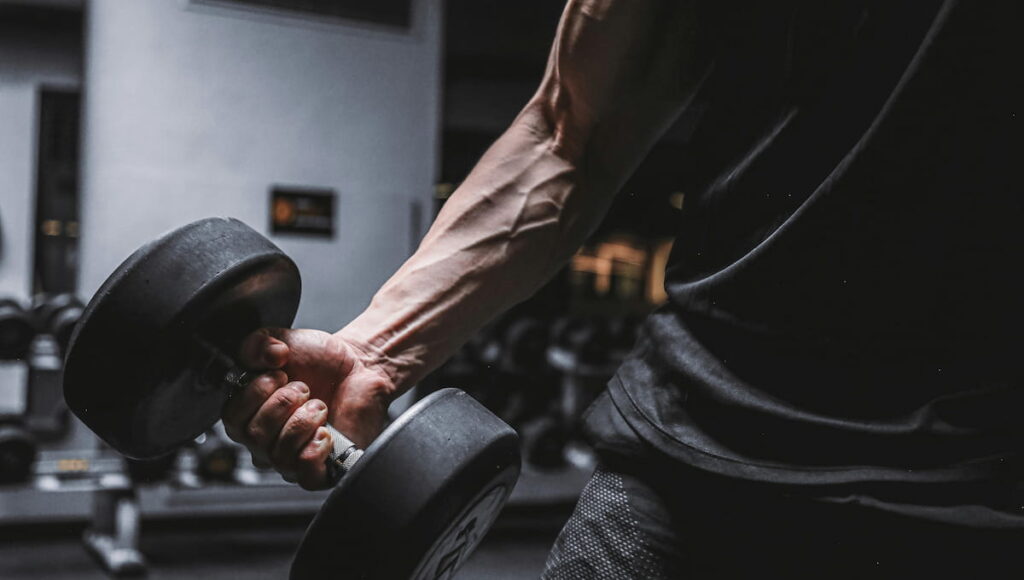
There are many ways to get a stronger chest in the gym; with a bench press leading the bunch, pushups as a common body weight and reliable option, and a pec deck for isolating. If this sounds like you, continue ahead to the following 3 expert methods to get a stronger chest using isometric training.
Working the chest, or the pectoralis major and minor muscles, is a primary area for athletes and fitness enthusiasts. The chest helps to create a well-defined athletic look on guys, and it serves functional abilities for both men and women. While utilizing power movements that incorporate concentric muscle contractions, the use of isometric training may be something to add to your workout routine.
The information ahead is geared towards helping to introduce the world of isometric training to any workout program and how it can help to grow a stronger chest (and other areas of the body for that matter).
Anatomy of the Chest Muscles
The chest serves valuable roles in and out of the gym. Building a strong chest takes time, dedication, and using various types of exercise methods to achieve results. Let’s look at the chest and the function of these muscles.
- Pectoralis Major. The most anterior portion of the chest, the pectoralis major is big and covers most of the anterior thoracic area. The pectoralis major primarily causes the humerus, or upper arm, to adduct, rotate inwards, and aid in flexion of the shoulder.
- Pectoralis Minor. This smaller muscle is located deeper to the pectoralis major muscle and plays a similar role. The pectoralis minor primarily aids in upper arm adduction, but also plays a huge role in shoulder stability. While it is smaller than its counterpart, the pec minor can help to support lifts and maintain optimal health at the shoulder joint.
What is Isometric Training?
Isometric training is one form of exercise that involves muscle contractions that do not change length. Most commonly in the weight room, concentric and eccentric movements are performed to lift and lower weight down. But, if you’ve ever been in a Pilates class, you have likely experienced what isometric training feels like.
This not-so well-known technique can be a game changer for developing strength, lean mass, and hypertrophy. Isometric training is a technique that involves contracting a particular muscle or group of muscles without changing any angle of the joints used.
Mastering the isometric contraction technique can take time, but it is important to have an idea how to work your muscles to gain everything you can from this type of training. Once you nail down the technique, the results should begin to show in your other lifts in no time at all. Listed ahead are 3 expert methods to get a stronger chest using isometric training that everyone should explore for optimal results.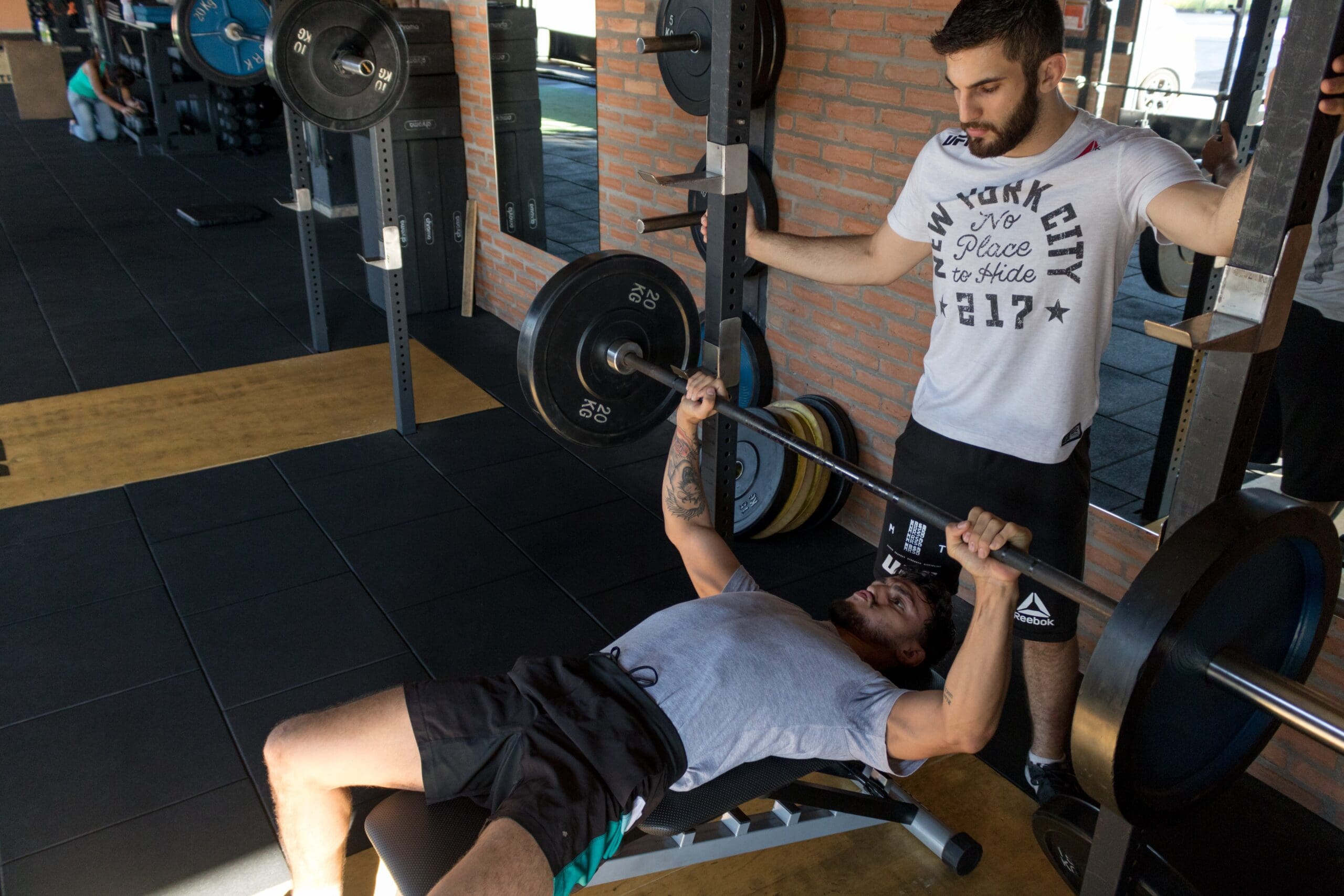
Top 3 Expert Methods to Get a Stronger Chest Using Isometric Training
Isometric training is a great way to supplement your workout and can help you to develop a stronger chest with a slight program modification. Incorporating isometrics to your routine could mean adding exercises to your program, changing the timing of when you add these exercises, or swapping the technique.
Listed ahead are the top 3 expert methods to get a stronger chest using isometric training that you should consider for your training program. Incorporating these techniques into your workouts can help you to hit your goals, but can also should help to supplement your training so you can notice strength gains.
- Isometric Squeezes. When working on flies with dumbbells or on the pec deck, you can easily add in an isometric technique. Continue to perform the fly as usual, but after each pec squeeze, hold the squeeze midway in contraction for 10 seconds before bringing the weight back to starting position. This technique really helps to fatigue the pecs and can be an incredibly efficient way to add chest strength.
- Isometric Push-Ups. Perhaps one the most convenient exercises to add to your workout are push-ups. Adding push-ups directly work the pecs and can help to build strength in the chest. Adding isometrics to a push-up means you will likely perform far fewer than usual, but for long-term results in mind.
Lower your body down towards the floor when starting your push-up and hold it in the down phase for 10 seconds before pushing back up. As you get stronger, you can increase the intensity of the push-ups by increasing the time you hold in the down phase.
- Cable or Resistance Bands. This is truly where resistance bands and cables shine. They allow you to safely lift weight and perform an isometric hold essentially anywhere throughout the entire range of motion.
Adding this technique to a standing cable fly or by using resistance bands is simple. Grab the handles and squeeze into a fly position, but hold the weight at the midway point and hold it for about 10-15 seconds before returning it back. This is one of the best ways to shred and gain strength in the chest and can truly add efficiency in your chest lifts. 
Who Is Isometric Training Best For?
The use of isometric training can be a valuable technique to use in the gym. Whether you are looking to add strength or hypertrophy as part of your goals, isometrics can certainly be a valuable tool in your training.
Isometric training can be used by any population, young or old, strong, or growing. Especially if you are looking to add strength or are an athlete; adding isometrics can lead to gains that could take longer to get with other types of training by itself. The difference is it may take a bit to nail down a form that is safe and effective.
Wrapping it Up
The chest muscles play very functional roles in day-to-day activities and are essential in adding an athletic look to your body. Isometric training can be challenging to add into any routine, but following the 3 expert methods to get a stronger chest using isometric training above can help you to incorporate this exercise into your usual routine.