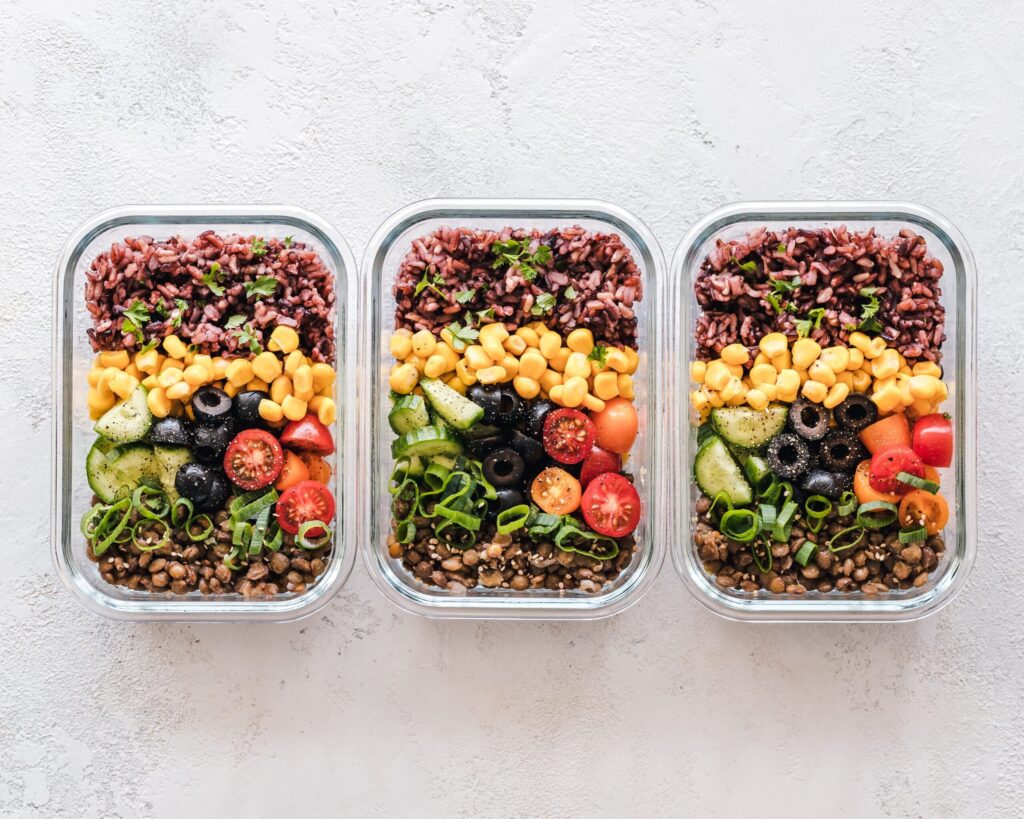
Staying consistent with healthy eating is one of the biggest challenges people face, whether they are training for performance, aiming to improve body composition, or simply trying to feel better day to day. Motivation tends to spike in January or before a big event, then slowly fades under the pressure of work, family, stress, and decision fatigue.
The problem is not a lack of willpower. Decades of nutrition and behavioral science show that consistency is driven by systems, habits, and environment far more than motivation alone. People who eat well year-round are not constantly “being good.” They are using strategies that make healthy choices easier, more automatic, and more resilient when life gets messy.
This article breaks down three science-backed hacks that can help you stay consistent with healthy eating all year long. These are not diet tricks or short-term fixes. They are practical, evidence-based strategies you can apply regardless of whether your goal is fat loss, performance, or long-term health.
Hack 1: Build Your Diet Around Habits, Not Willpower
One of the biggest myths in nutrition is that successful eating requires constant self-control. In reality, willpower is a limited resource, and relying on it is a losing strategy over the long term.
Why Willpower Fails
Willpower fluctuates throughout the day and is heavily influenced by stress, sleep, hunger, and mental workload. Research in behavioral psychology shows that self-control becomes depleted after repeated decision-making, a phenomenon known as decision fatigue.
Studies demonstrate that when people are mentally fatigued, they are more likely to choose calorie-dense, highly palatable foods and less likely to stick to planned eating behaviors. This is especially relevant in modern life, where people make hundreds of decisions daily before they even think about food.

In a controlled study on ego depletion, participants who were cognitively taxed showed significantly reduced self-control in subsequent tasks, including food-related decisions. This helps explain why people often eat well early in the day and struggle later in the evening.
The key takeaway is simple: if your nutrition plan depends on making the “right choice” every time, it will eventually fail.
How Habits Reduce Mental Load
Habits are behaviors that become automatic through repetition. Once a habit is established, it requires little conscious effort to maintain. Neuroscience research shows that habitual behaviors are controlled by different brain regions than deliberate decisions, making them more stable over time.
Healthy eating habits reduce the number of decisions you need to make each day. When certain meals, snacks, or food combinations become routine, consistency improves without requiring constant discipline.
Long-term observational studies show that individuals with stable eating routines have better diet quality and are more likely to maintain healthy body weight over time compared to those with highly variable eating patterns.
Practical Habit-Based Strategies
Start by identifying a small number of anchor habits that you repeat daily or almost daily. These should be simple, realistic, and aligned with your lifestyle.
Examples include:
- Eating a protein-rich breakfast every day
- Including vegetables at two meals per day
- Drinking water before your first meal
- Preparing lunch at home on weekdays
Research on habit formation suggests that consistency matters more than intensity. A study tracking habit development found that automaticity increased gradually over time, with a median of around 66 days to form a stable habit. The key factor was repetition, not perfection.
Instead of trying to overhaul your entire diet, focus on one habit at a time. Once it feels automatic, add another. This layered approach is far more effective than attempting radical changes all at once.
Use Implementation Intentions
Implementation intentions are simple “if-then” plans that link a specific situation to a specific action. For example: “If I get home from work, then I prepare my planned dinner before sitting down.”
Research shows that implementation intentions significantly increase the likelihood of following through on health-related behaviors, including dietary choices. They work by reducing ambiguity and decision-making in the moment.
By pairing habits with clear triggers, you reduce reliance on motivation and make healthy eating more automatic.
Hack 2: Prioritize Protein and Fiber at Every Meal
One of the most powerful and evidence-backed strategies for consistent healthy eating is focusing on protein and fiber intake. This is not about cutting carbs or fat. It is about choosing foods that naturally regulate appetite and support stable energy levels.
The Role of Protein in Appetite Control
Protein has a higher satiety effect than carbohydrates or fat. Numerous controlled feeding studies show that higher-protein meals reduce hunger, increase fullness, and lower subsequent calorie intake.
Protein influences appetite-regulating hormones such as peptide YY and glucagon-like peptide-1, while also reducing levels of ghrelin, the hormone associated with hunger.

In randomized trials, participants consuming higher-protein diets consistently show better adherence, reduced spontaneous calorie intake, and improved body composition compared to lower-protein diets, even when calories are not strictly controlled.
Protein is also critical for preserving lean muscle mass, especially during periods of calorie deficit or increased training volume. Maintaining muscle mass helps sustain metabolic rate and physical performance.
Why Fiber Matters More Than Most People Think
Dietary fiber slows digestion, stabilizes blood sugar levels, and enhances feelings of fullness. High-fiber diets are associated with lower body weight, improved metabolic health, and reduced risk of chronic disease.
Large epidemiological studies consistently show that people who consume more fiber tend to have better long-term weight regulation and lower rates of cardiovascular disease and type 2 diabetes.
Fiber also plays a key role in gut health. Fermentable fibers feed beneficial gut bacteria, producing short-chain fatty acids that influence appetite regulation and inflammation.
Importantly, fiber-rich foods tend to be less energy-dense, allowing people to eat larger volumes of food while consuming fewer calories. This makes consistency far easier than relying on portion control alone.
Protein and Fiber as a Consistency Tool
When meals are built around protein and fiber, hunger becomes more predictable and manageable. This reduces the likelihood of impulsive snacking and overeating later in the day.
Studies comparing diets of equal calories show that those higher in protein and fiber lead to better adherence over time. Participants report feeling more satisfied and less deprived, which is critical for long-term consistency.
This approach also provides flexibility. You do not need to track every calorie or eliminate entire food groups. You simply prioritize foods that naturally support appetite control.
Practical Application Without Tracking
You do not need to weigh food or use apps to apply this strategy effectively.
At each meal, aim to include:
- A clear protein source (eggs, poultry, fish, lean meat, dairy, legumes)
- A fiber-rich component (vegetables, fruit, whole grains, beans)
For example:
- Breakfast: eggs with vegetables and fruit
- Lunch: chicken or tofu with rice and vegetables
- Dinner: fish or lean meat with potatoes and greens
Research shows that visual portion guides and food-based rules are often more sustainable than numerical tracking for long-term adherence.
By consistently anchoring meals around protein and fiber, you create a structure that supports healthy eating without rigid rules.
Hack 3: Design Your Environment to Make Healthy Eating the Default
Your food environment has a powerful influence on what and how much you eat. Most eating decisions are made automatically, based on availability, visibility, and convenience.
How Environment Shapes Eating Behavior
Multiple studies in nutritional psychology show that people eat more when food is easily accessible, highly visible, and served in larger portions. Conversely, making food less convenient reduces intake without requiring conscious restraint.
In classic experiments, participants consumed significantly more snacks when they were placed within arm’s reach compared to when they were slightly farther away, even though hunger levels were the same.
Environmental cues also influence food choice. People are more likely to eat fruits and vegetables when they are visible and pre-prepared, and more likely to eat energy-dense snacks when those are readily available.
The implication is clear: your environment often determines your behavior more than your intentions.
Home Environment Strategies
Start with your home, where you have the most control.
Research shows that simply having healthy foods available at home is strongly associated with higher diet quality. Conversely, frequent availability of ultra-processed snacks predicts higher calorie intake and poorer nutritional outcomes.
Practical steps include:
- Keeping fruits and vegetables washed and visible
- Storing less nutritious foods out of sight or in hard-to-reach places
- Preparing healthy meals or components in advance
Meal prepping does not need to be extreme. Even basic preparation, such as cooking protein sources ahead of time or chopping vegetables, significantly increases the likelihood of choosing those foods later.
Studies on meal preparation frequency show strong associations with better diet quality and lower reliance on fast food.
Work and Social Environments
Consistency often breaks down at work or in social settings. While you cannot control everything, you can design safeguards.
Bringing meals or snacks to work reduces exposure to unplanned choices. Research shows that people who bring food from home tend to consume fewer calories and higher-quality diets compared to those who eat out frequently.
In social settings, pre-commitment strategies help. Eating a protein- and fiber-rich meal beforehand reduces the likelihood of overeating later. Studies on preloading demonstrate that entering situations less hungry leads to better food choices.
You can also use social norms to your advantage. Research shows that people unconsciously mirror the eating behaviors of those around them. Choosing healthier options can subtly influence group behavior over time.
Reduce Friction for Healthy Choices
Behavioral economics emphasizes the concept of friction. The easier a behavior is, the more likely it is to happen.
Reducing friction for healthy eating might include:
- Keeping healthy snacks in your bag or car
- Choosing restaurants in advance
- Having default grocery lists
At the same time, increase friction for less healthy behaviors. For example, avoid buying foods you tend to overeat. Research consistently shows that people eat what is available, regardless of intentions.

Designing your environment is not about restriction. It is about aligning your surroundings with your goals so that consistency becomes the path of least resistance.
Why These Hacks Work Together
Each of these strategies targets a different driver of eating behavior.
Habit-based eating reduces decision fatigue and reliance on motivation. Protein and fiber improve appetite regulation and satisfaction. Environmental design removes unnecessary obstacles and temptations.
Research on long-term behavior change shows that multi-level approaches are far more effective than single interventions. When habits, physiology, and environment are aligned, consistency becomes much easier to maintain.
Importantly, these hacks are flexible. They can be adapted to different cultural preferences, dietary styles, and training demands. They do not require perfection, only repetition.
Common Mistakes to Avoid
Even with evidence-based strategies, certain pitfalls can undermine consistency.
One common mistake is attempting too many changes at once. Behavioral research shows that excessive initial demands increase dropout rates. Focus on gradual implementation.
Another mistake is labeling foods as “good” or “bad.” Studies show that rigid dietary restraint increases the risk of overeating and psychological distress. Flexibility supports long-term adherence.
Finally, avoid relying on short-term motivation. Motivation fluctuates. Systems endure.
Long-Term Perspective
Healthy eating is not a 30-day challenge. It is a lifelong practice that evolves with your goals, schedule, and circumstances.
Longitudinal studies consistently show that small, sustainable behaviors have a greater impact on health outcomes than short-term dietary interventions.
By focusing on habits, prioritizing protein and fiber, and designing supportive environments, you create a framework that can adapt over time without constant struggle.
Consistency is not about being perfect. It is about making healthy choices more often than not, over months and years, not days.
If you can do that, results follow.
Bibliography
- American Journal of Clinical Nutrition. (2008). Effects of dietary protein on appetite and energy intake in humans. American Journal of Clinical Nutrition, 87(5), 1558–1564.
- Appetite. (2011). Role of protein in appetite regulation and weight management. Appetite, 56(3), 653–660.
- Behaviour Research and Therapy. (2006). Implementation intentions and goal achievement: A meta-analysis. Behaviour Research and Therapy, 44(9), 1191–1208.
- British Journal of Nutrition. (2015). Dietary fibre intake and health outcomes: A systematic review. British Journal of Nutrition, 113(3), 367–386.
- Health Psychology. (2010). Habit formation and behavior change. Health Psychology, 29(6), 614–622.
About the Author

Robbie Wild Hudson is the Editor-in-Chief of BOXROX. He grew up in the lake district of Northern England, on a steady diet of weightlifting, trail running and wild swimming. Him and his two brothers hold 4x open water swimming world records, including a 142km swim of the River Eden and a couple of whirlpool crossings inside the Arctic Circle.
He currently trains at Falcon 1 CrossFit and the Roger Gracie Academy in Bratislava.