Reducing sugar intake is one of the most powerful steps you can take to improve long-term health, body composition, energy levels, and metabolic resilience. High added sugar consumption is strongly associated with obesity, type 2 diabetes, cardiovascular disease, non-alcoholic fatty liver disease, and dental caries.
Yet despite widespread awareness, cutting back on sugar remains notoriously difficult.
The reason is not a lack of willpower. Sugar directly affects the brain’s reward system, influences appetite-regulating hormones, and alters taste perception over time. When people try to “just eat less sugar,” they often feel deprived, fatigued, irritable, and hungry — a combination that leads to relapse.
The good news is that research shows it is possible to reduce sugar intake without feeling like you are giving something up. The key is to work with human biology instead of fighting it. This article outlines three science-backed health hacks that reduce sugar consumption naturally, without relying on extreme restriction or constant self-control.

Each strategy is supported by high-quality research and explained in practical, real-world terms so you can apply it immediately.
Why Sugar Reduction Feels So Hard (and Why It Does Not Have to Be)
Before diving into the hacks, it is important to understand why sugar is so difficult to quit.
Sugar activates dopamine release in the brain, particularly in reward-related regions such as the nucleus accumbens. Dopamine is not a “pleasure chemical” in the simple sense; it is a motivation signal that drives craving and reinforcement. Repeated sugar exposure strengthens learned associations between sweetness and reward, making sugary foods more compelling over time.
At the same time, high sugar intake disrupts metabolic hormones such as insulin, leptin, and ghrelin, which regulate hunger and satiety. Diets high in refined carbohydrates and added sugars increase post-meal blood glucose spikes and crashes, promoting hunger shortly after eating.
Finally, taste adaptation plays a major role. Chronic exposure to high levels of sweetness dulls taste receptors, making naturally sweet foods like fruit taste less satisfying.
The hacks below address these mechanisms directly.
Hack 1: Build Every Meal Around Protein and Fiber First
Why Protein and Fiber Reduce Sugar Cravings
One of the most consistent findings in nutrition science is that meals higher in protein and fiber lead to greater satiety and reduced spontaneous calorie intake later in the day.
Protein stimulates the release of satiety hormones such as peptide YY (PYY), glucagon-like peptide-1 (GLP-1), and cholecystokinin (CCK). These hormones slow gastric emptying, reduce appetite, and dampen reward-driven eating. High-protein diets are repeatedly shown to reduce cravings for sugary and high-fat foods.

Fiber, especially soluble and fermentable fiber, slows carbohydrate absorption, stabilizes blood glucose, and improves insulin sensitivity. This reduces the blood sugar swings that often trigger sugar cravings.
Together, protein and fiber create a metabolic environment where the body does not demand quick sugar hits for energy.
What the Research Shows
A controlled trial published in the American Journal of Clinical Nutrition found that increasing protein intake to approximately 25–30% of total calories significantly reduced evening snacking and cravings for sweet foods compared to lower-protein diets.
Another study in Nutrition Reviews showed that higher fiber intake was associated with lower consumption of added sugars and improved appetite regulation, independent of total calorie intake.
Importantly, these effects occur without conscious restriction. Participants simply felt less desire for sugary foods.
How to Apply This Hack in Daily Life
This hack works best when protein and fiber are prioritized at the start of meals rather than added as an afterthought.
Practical guidelines:
- Aim for at least 25–40 grams of protein per main meal, depending on body size and activity level.
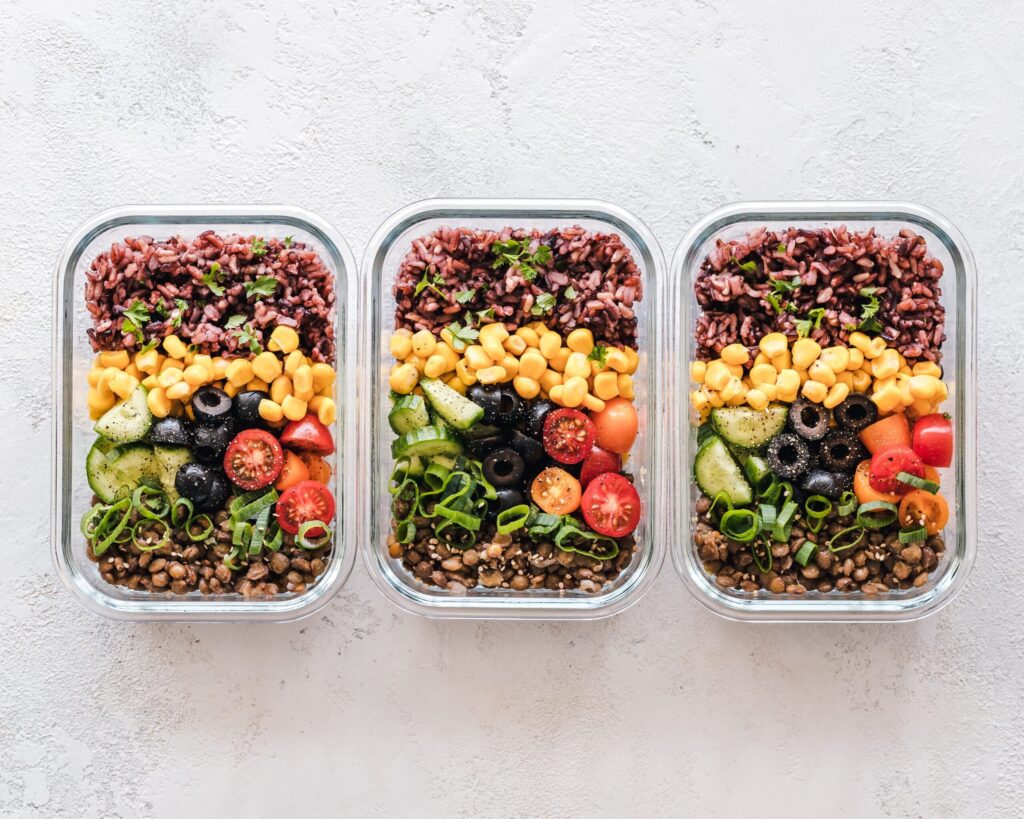
- Include a high-fiber source at every meal, such as vegetables, legumes, whole grains, or seeds.
- Eat protein and fiber first when possible, especially at mixed meals.
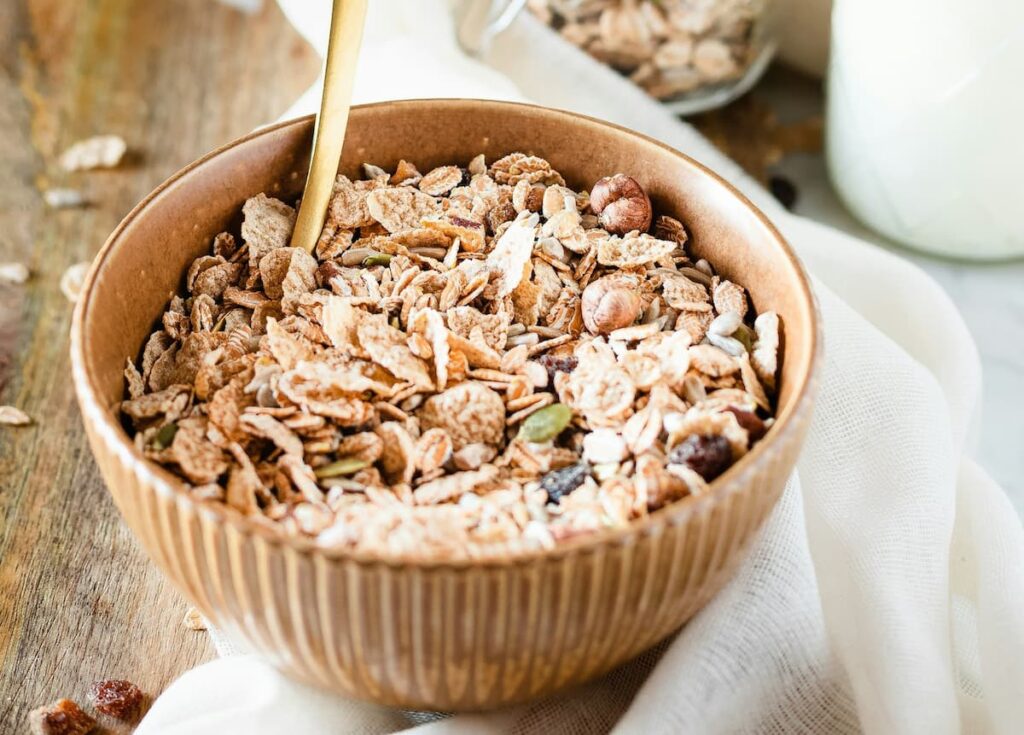
For example, starting a meal with eggs and vegetables or Greek yogurt with seeds leads to better blood sugar control than beginning with toast or cereal.
Why This Prevents “Missing Sugar”
People often report that once protein and fiber intake is consistent, cravings for desserts and sweet snacks diminish dramatically. This is not psychological; it is physiological. The brain is less driven to seek fast energy when metabolic needs are met.
Over time, this strategy retrains appetite regulation rather than suppressing it.
Hack 2: Retrain Your Taste Buds by Reducing Sweetness Exposure
The Science of Taste Adaptation
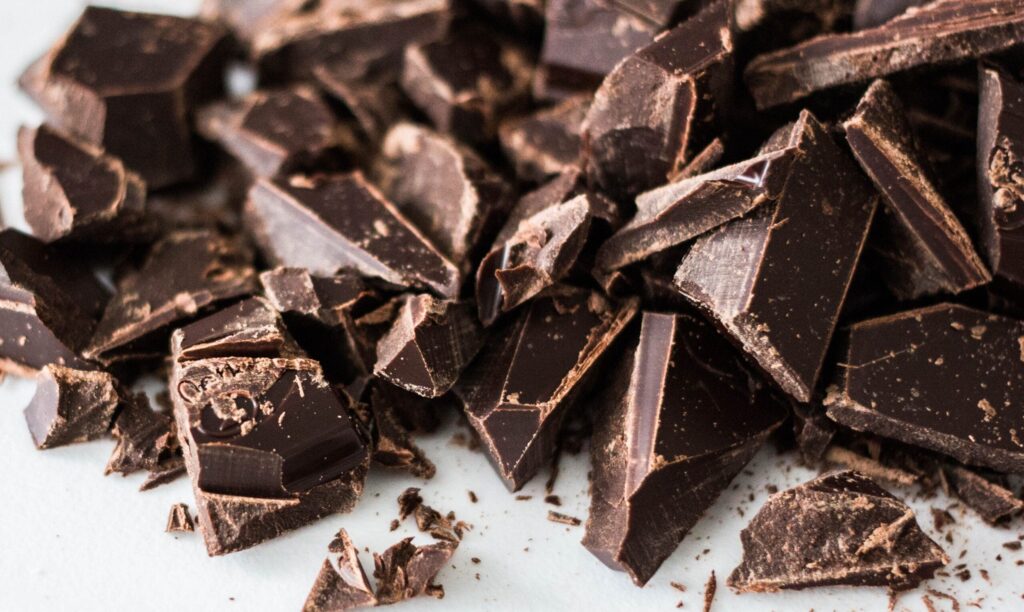
Taste receptors are highly adaptable. Repeated exposure to intense sweetness increases the threshold required to perceive foods as sweet. This is why people accustomed to sugary diets often find fruit bland and dark chocolate bitter.
The opposite is also true. Reducing exposure to high-intensity sweetness increases taste sensitivity, making naturally sweet foods more enjoyable.
This process does not require eliminating sweetness entirely. It requires reducing extremes.
Evidence for Taste Recalibration
A study in The American Journal of Clinical Nutrition demonstrated that participants who followed a low-sugar diet for several weeks experienced increased perceived sweetness of foods and reduced preference for intensely sweet items.
Another randomized trial in Physiology & Behavior found that decreasing dietary sugar led to changes in taste perception within as little as two to three weeks, without changes in overall calorie intake.
These findings explain why sugar reduction feels difficult initially but becomes easier over time.
Hidden Sweetness Exposure Matters
Taste adaptation is influenced not only by desserts and soda but also by:
- Sweetened yogurts
- Flavored protein bars
- Sugar-sweetened sauces and dressings
- Artificially sweetened beverages
Non-nutritive sweeteners can maintain preference for sweetness even when calories are low. Some evidence suggests they may perpetuate sugar cravings by keeping the reward system sensitized to sweet taste.
How to Retrain Taste Buds Without Feeling Deprived
Instead of eliminating sweet foods abruptly, taper sweetness intensity.
Effective strategies:
- Gradually reduce sugar added to coffee, tea, or oats.
- Switch from sweetened to plain versions of foods and add fruit if needed.
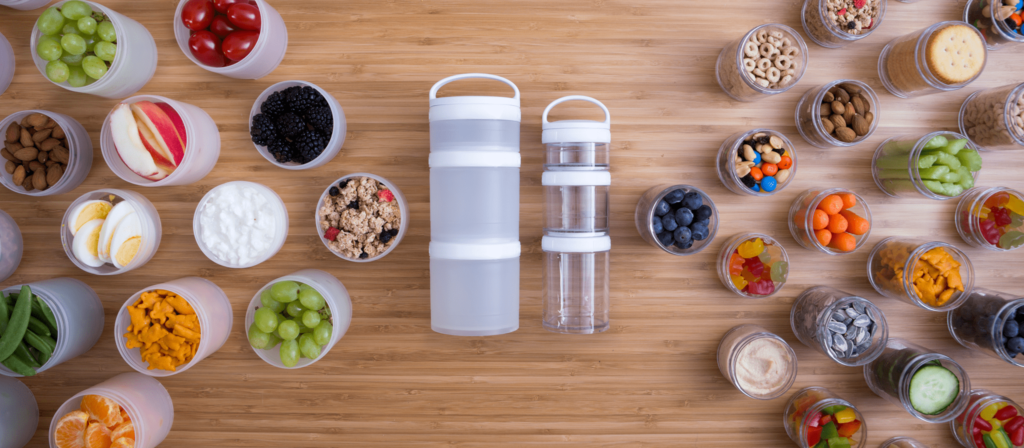
- Replace sweet snacks with less-sweet options, such as nuts or yogurt with cinnamon.
- Limit artificially sweetened drinks and desserts.
Within weeks, many people report that formerly appealing sugary foods taste overwhelmingly sweet.
Why This Hack Works Long-Term
Once taste sensitivity increases, sugar reduction becomes self-reinforcing. People often find they prefer less sugar rather than feeling forced to avoid it. This is one of the most powerful yet underused strategies for sustainable dietary change.
Hack 3: Stabilize Blood Sugar Through Meal Timing and Movement
Blood Sugar Instability Drives Sugar Cravings
Rapid rises and falls in blood glucose increase hunger, fatigue, and cravings for fast-acting carbohydrates. This pattern is common in people who:
- Skip meals
- Eat large refined carbohydrate meals alone
- Spend long periods sitting after eating
Blood sugar crashes are often misinterpreted as “sweet tooth” cravings, when they are actually physiological signals for quick energy.
Research Linking Glycemic Control and Cravings
A study in Diabetes Care showed that greater glycemic variability was associated with increased hunger and preference for high-sugar foods.
Another trial in The Journal of Nutrition found that low-glycemic-load meals reduced post-meal cravings and improved satiety compared to high-glycemic meals, even when calories were matched.
Short bouts of movement after meals have also been shown to significantly reduce postprandial glucose spikes.
The Role of Meal Timing
Irregular eating patterns increase reliance on sugar for rapid energy. Consistent meal timing supports stable insulin response and reduces impulsive food choices.
This does not require rigid schedules, but long fasts followed by high-sugar meals tend to worsen cravings.
Movement as a Sugar-Control Tool
Light activity after meals increases glucose uptake by muscle cells independently of insulin. This means blood sugar is cleared more efficiently, reducing crashes later.
Research published in Sports Medicine shows that even 10–15 minutes of walking after meals significantly lowers post-meal glucose levels.
Practical Ways to Apply This Hack
- Avoid eating refined carbohydrates alone; pair them with protein and fat.
- Eat at roughly consistent times each day.
- Include a short walk or light movement within 30 minutes after meals.
- Avoid long sedentary periods following large meals.
These behaviors reduce the physiological need for sugar rather than relying on restraint.
Why This Hack Reduces “Emergency” Sugar Cravings
When blood sugar is stable, cravings become quieter and less urgent. People often notice they can delay or skip sugary snacks without effort, simply because the body no longer demands them.
Why These Three Hacks Work Better Together
Each hack targets a different driver of sugar intake:
- Protein and fiber regulate appetite hormones.
- Taste retraining reduces reward-driven desire.
- Blood sugar stabilization prevents energy crashes.
Together, they create a system where sugar intake naturally declines without conscious restriction. This approach aligns with evidence showing that sustainable dietary change occurs when biological signals are addressed, not ignored.
Common Mistakes When Trying to Cut Sugar
Even with good intentions, people often sabotage progress by:
- Replacing sugar with ultra-processed “low-sugar” products.
- Ignoring protein intake.
- Using artificial sweeteners excessively.
- Skipping meals to “save calories.”
- Expecting immediate results without adaptation time.
Understanding that sugar reduction is a physiological process helps set realistic expectations.
How Long Does It Take to Stop Missing Sugar?
Based on intervention studies, most people experience:
- Reduced cravings within 7–14 days.
- Noticeable taste changes within 2–4 weeks.
- Strong preference shifts within 6–8 weeks.
The timeline varies, but consistency matters more than perfection.
Final Thoughts
Reducing sugar intake does not require elimination, deprivation, or constant discipline. When meals are structured to support satiety, taste perception is retrained, and blood sugar is stabilized, sugar naturally loses its grip.
These three health hacks are not quick fixes. They are evidence-based strategies that work because they align with human biology. Implemented together, they allow you to reduce sugar intake without feeling like anything is missing.
References
- American Journal of Clinical Nutrition – Weigle, D.S. et al. (2005). A high-protein diet induces sustained reductions in appetite and ad libitum caloric intake.
- Nutrition Reviews – Slavin, J.L. (2013). Dietary fiber and body weight.
- The American Journal of Clinical Nutrition – Wise, P.M. et al. (2016). Low sugar diets increase sweet taste sensitivity.
- Physiology & Behavior – Mattes, R.D. (2018). Dietary sugar reduction and taste preference.
- Diabetes Care – Monnier, L. et al. (2006). Glycemic variability and oxidative stress.
- The Journal of Nutrition – Ludwig, D.S. et al. (1999). High glycemic index foods, overeating, and obesity.
- Sports Medicine – Colberg, S.R. et al. (2016). Physical activity and glucose regulation.