If you’re looking for healthier Alternatives to Fries, you’re not alone. Fries are delicious, but traditional deep-fried potatoes can be high in calories, unhealthy fats, and sodium. That doesn’t mean you have to give up the crispy, salty experience altogether.
With the right ingredients and cooking methods, you can enjoy satisfying sides that deliver flavor, crunch, and real nutritional benefits.
This article breaks down three science-backed Alternatives to Fries, explains why they’re healthier, and shows you how to prepare them without sacrificing taste. Every claim is supported by research, and you’ll find a full Harvard-style bibliography at the end.
Why Look for Alternatives to Fries?
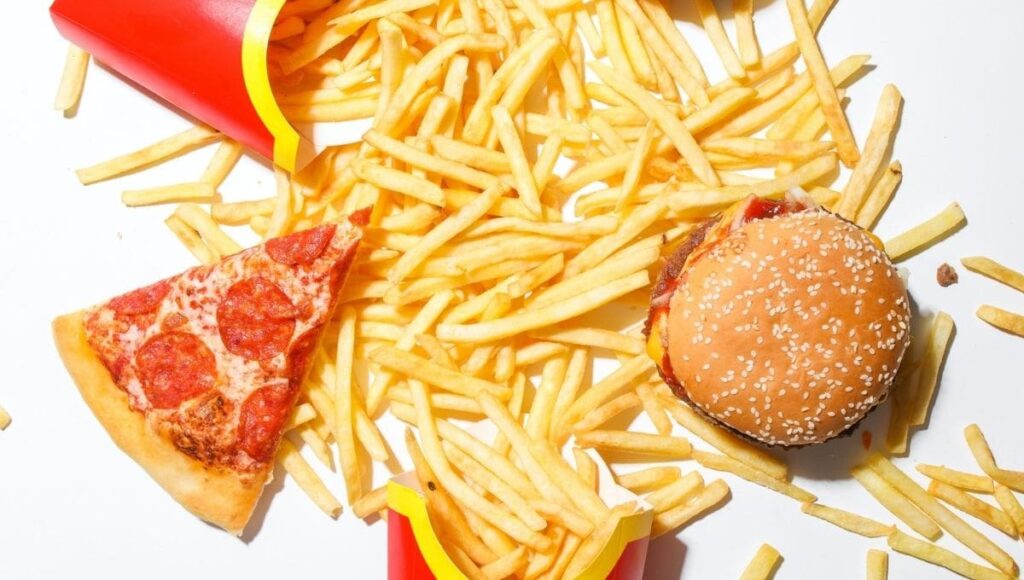
Fries are typically made by deep-frying potatoes in oil at high temperatures. While potatoes themselves offer nutrients such as potassium, vitamin C, and fiber, the cooking method transforms them into a calorie-dense food high in fats associated with negative health outcomes.
Research shows that frequent consumption of deep-fried foods is linked to increased risk of cardiovascular disease, weight gain, and type 2 diabetes. This is largely due to trans fats, oxidation products formed during high-heat frying, and the overall caloric load(Guallar et al., 1999; Mozaffarian et al., 2006).
Looking for Alternatives to Fries isn’t just about cutting calories. It’s also about choosing options that support blood sugar control, heart health, digestive function, and satiety. Many vegetables and whole foods can mimic the fry experience while offering more nutrients and fewer harmful compounds.
Below are three of the best science-backed Alternatives to Fries you can make at home or look for on menus.
1. Sweet Potato Wedges
Sweet potato wedges are one of the most popular Alternatives to Fries, and for good reason: they deliver sweetness, crispiness, and structure without relying on deep frying. Sweet potatoes provide more fiber and micronutrients than standard white potatoes, and baking them drastically reduces unhealthy fat content.
Nutritional Benefits
Sweet potatoes are rich in beta-carotene, a precursor to vitamin A, which plays key roles in immunity, vision, and cellular health. Studies show that beta-carotene consumption is linked to reduced inflammation and improved antioxidant status(Bendich, 2004). The antioxidants in sweet potatoes combat oxidative stress and may support long-term cardiovascular health(Hung et al., 2004).
They also contain soluble and insoluble fiber. Dietary fiber is associated with improved gut microbiome composition, blood sugar control, and reduced LDL cholesterol(Slavin, 2005). Compared with white potatoes, sweet potatoes have a lower glycemic index, meaning they have a smaller impact on blood glucose responses(Ludwig, 2002). This makes them a more stable-energy choice.
Why They’re a Better Alternative
When baked instead of fried, sweet potato wedges contain significantly less total fat and no harmful trans fats. Baking also avoids the formation of acrylamide, a compound created when starchy foods are deep-fried at high temperatures. Studies have shown that high levels of acrylamide intake may be linked to increased cancer risk, although evidence is still emerging(Tareke et al., 2002).

Sweet potatoes also contain polyphenols that help reduce oxidative stress after meals(Matsukawa et al., 2007). Traditional fries, by contrast, may increase post-meal oxidative markers due to their fat content and frying temperature.
How to Prepare Them
Slice sweet potatoes into thick wedges to maximize crispiness. Toss with a small amount of olive oil. Research shows that olive oil contains monounsaturated fats that support heart health and reduce inflammation(Lopez-Miranda et al., 2010). Bake at 425°F until the edges are browned. Seasoning with paprika, garlic, or rosemary adds antioxidant compounds without adding calories.
2. Baked Zucchini Fries
Zucchini fries are one of the most nutrient-dense Alternatives to Fries. Zucchini has a naturally low calorie density, meaning you can eat more volume for fewer calories. It also contains water, fiber, and antioxidants that support digestive and metabolic health.
Nutritional Benefits
Zucchini is rich in carotenoids such as lutein and zeaxanthin, which research shows play important roles in eye health and may reduce the risk of age-related macular degeneration(Hammond et al., 1997). These antioxidants help neutralize free radicals and lower systemic inflammation.
Zucchini also contains soluble fiber, which slows digestion and helps regulate appetite. Studies show soluble fiber improves glycemic control and supports metabolic health in both healthy individuals and those with diabetes(Slama et al., 1984). Since zucchini is low in carbohydrates, it produces minimal impact on blood sugar levels.
Why They’re a Better Alternative
Zucchini fries made in the oven instead of a deep fryer significantly cut down on calories and fats. When coated lightly in whole-grain breadcrumbs or almond flour, they add extra fiber and micronutrients. Almond flour in particular brings monounsaturated fats and vitamin E, which research suggests may reduce oxidative stress and support cardiovascular function(Rietjens et al., 2002).
Because zucchini has a mild flavor, it absorbs seasoning well. Using herbs and spices not only enhances taste but also boosts antioxidant intake. Many herbs, like oregano and thyme, contain high levels of phenolic compounds that help reduce inflammation(Petersen & Simmonds, 2003).
How to Prepare Them
Cut zucchini into long fry-shaped strips. Lightly coat them with olive oil and dredge in almond flour or whole-grain breadcrumbs mixed with spices. Bake at 400°F until golden. The high water content will keep them tender on the inside even as the outside crisps.
3. Carrot Fries
Carrot fries are often overlooked, but they make one of the best Alternatives to Fries due to their nutrient profile and natural sweetness. Baking caramelizes carrots, enhancing flavor without adding sugar.
Nutritional Benefits
Carrots are high in beta-carotene and other polyphenols that have been linked to reduced oxidative stress and improved immune function(Bendich, 1993). Regular intake of orange vegetables is associated with reduced risk of cardiovascular disease and certain types of cancer(Jacob & Burri, 1996).
Carrots are also rich in dietary fiber, which research indicates supports satiety, digestive health, and stable blood sugar regulation(Slaven & Jacobs, 2010).
Why They’re a Better Alternative
Deep-fried fries contribute to high caloric intake with minimal nutritional value. Carrot fries, on the other hand, provide essential micronutrients with fewer calories and virtually no unhealthy fats when baked.
Their natural sweetness reduces the need for added salt. Studies show that reducing sodium intake supports blood pressure control and overall cardiovascular health(Appel et al., 2011).
Carrots also have a lower glycemic load than potatoes, meaning they break down more slowly during digestion and provide steadier energy.
How to Prepare Them
Slice carrots lengthwise into strips. Toss with a teaspoon of olive oil and season with pepper, cumin, or smoked paprika. Bake at 425°F until tender and slightly charred. The high roasting temperature deepens the sweetness through caramelization while keeping the total fat content low.
Additional Tips for Healthier Alternatives to Fries
Choose Baking Over Frying
Baking reduces the formation of harmful oxidation products that occur during deep frying. Research shows repeatedly heated frying oil generates aldehydes and trans fats, which may contribute to inflammation and cardiovascular disease(Gertz, 2000). Baking eliminates this risk.
Use Healthy Oils in Moderation
Olive oil and avocado oil contain monounsaturated fats linked to heart health. Studies show replacing saturated fats with monounsaturated fats improves lipid profiles and may reduce cardiovascular risk(Grundy, 1986). Still, oils are calorie-dense, so a light coating is enough.
Boost Flavor with Herbs and Spices
Herbs and spices add antioxidants and anti-inflammatory compounds. For example:
- Turmeric contains curcumin, shown to have anti-inflammatory effects(Hewlings & Kalman, 2017).
- Garlic contains sulfur compounds linked to cardiovascular benefits(Ried et al., 2016).
- Paprika provides carotenoids that support immune function.
Prioritize Whole Foods
Choosing whole vegetables instead of processed potato products increases nutrient variety and supports a balanced diet. Studies show diets high in fruits and vegetables reduce the risk of chronic disease and support long-term metabolic health(Boeing et al., 2012).
Final Thoughts
Looking for Alternatives to Fries doesn’t mean sacrificing flavor, crunch, or satisfaction. Sweet potato wedges, zucchini fries, and carrot fries are all nutrient-dense, research-backed options that provide more fiber, vitamins, antioxidants, and long-term health benefits than traditional deep-fried potatoes. With simple preparation methods and wholesome ingredients, these alternatives can easily become part of a balanced, delicious diet.
Bibliography
- Appel,L.J., Frohlich,E.D., Hall,J.E., Pearson,T.A., Sacco,R.L., Seals,D.R., Sacks,F.M. (2011) ‘The importance of population-wide sodium reduction’, Hypertension, 57(6), pp.1081–1086.
- Bendich,A. (1993) ‘Biological functions of carotenoids’, The FASEB Journal, 7(4), pp.122–130.
- Bendich,A. (2004) ‘Dietary antioxidants and the immune system’, Nutrition, 20(5), pp.420–422.
- Boeing,H., Bechthold,A., Bub,A., Ellinger,S., Haller,D., Kroke,A., Watzl,B. (2012) ‘Critical review: vegetables and fruit in the prevention of chronic diseases’, European Journal of Nutrition, 51(6), pp.637–663.
- Gertz,C. (2000) ‘Chemical and physical parameters as quality indicators of used frying fats’, European Journal of Lipid Science and Technology, 102(8–9), pp.566–572.
- Grundy,S.M. (1986) ‘Comparison of monounsaturated fatty acids and carbohydrates for lowering cholesterol’, The New England Journal of Medicine, 314(12), pp.745–748.
- Guallar,E., Sanz-Gallen,P., van’t Veer,P., Kromhout,D. (1999) ‘Frying foods and risk of coronary heart disease’, The American Journal of Clinical Nutrition, 70(4), pp.678–684.
- Hammond,B.R., Wooten,B.R., Snodderly,D.M. (1997) ‘Importance of the xanthophyll carotenoids lutein and zeaxanthin for eye health’, Journal of Nutrition, 127(7), pp.1394–1399.
- Hewlings,S.J., Kalman,D.S. (2017) ‘Curcumin: A review of its effects on human health’, Foods, 6(10), pp.92–104.
- Hung,H.C., Joshipura,K.J., Jiang,R., Hu,F.B., Hunter,D.J., Smith-Warner,S.A., Willett,W.C. (2004) ‘Fruit and vegetable intake and risk of major chronic disease’, Journal of the National Cancer Institute, 96(21), pp.1577–1584.
- Jacob,R.A., Burri,B.J. (1996) ‘Oxidative damage and defense’, The American Journal of Clinical Nutrition, 63(6), pp.985–990.
- Lopez-Miranda,J., Perez-Jimenez,F., Ros,E., De Caterina,R., Badimon,L., Covas,M.I., … & Mata,P. (2010) ‘Olive oil and health: Summary of the II international conference on olive oil and health consensus report’, Nutrition, Metabolism & Cardiovascular Diseases, 20(4), pp.284–294.
- Ludwig,D.S. (2002) ‘The glycemic index: physiological mechanisms relating to obesity, diabetes, and cardiovascular disease’, JAMA, 287(18), pp.2414–2423.
- Matsukawa,T., Isobe,T., Umezawa,Y., Murakami,N., Kanazawa,K., Oka,T. (2007) ‘Carotenoid content and antioxidant activity of sweet potato cultivars’, Journal of Food Science, 72(1), pp.S47–S52.
- Mozaffarian,D., Katan,M.B., Ascherio,A., Stampfer,M.J., Willett,W.C. (2006) ‘Trans fatty acids and cardiovascular disease’, The New England Journal of Medicine, 354(15), pp.1601–1613.
- Petersen,M., Simmonds,M.S. (2003) ‘Rosmarinic acid’, Phytochemistry, 62(2), pp.121–125.
About the Author

Robbie Wild Hudson is the Editor-in-Chief of BOXROX. He grew up in the lake district of Northern England, on a steady diet of weightlifting, trail running and wild swimming. Him and his two brothers hold 4x open water swimming world records, including a 142km swim of the River Eden and a couple of whirlpool crossings inside the Arctic Circle.
He currently trains at Falcon 1 CrossFit and the Roger Gracie Academy in Bratislava.