The quest for a well-rounded, muscular physique often leads fitness enthusiasts to focus on major muscle groups like the chest, back, and legs.
However, one area that should not be overlooked in the pursuit of a powerful physique is the shoulders. Not only do well-developed shoulders contribute to a visually impressive upper body, but they also play a crucial role in overall strength and functionality.
Shoulder training is often underestimated, but it holds the key to unlocking a new level of mass and strength in your physique. The shoulders, or deltoids, consist of three distinct heads – the anterior (front), medial (side), and posterior (rear). Each of these heads plays a unique role in shoulder function and aesthetics.
In this article, we delve into the importance of shoulder training and explore three high-impact exercises that can significantly contribute to shoulder muscle development.
Whether you’re a seasoned lifter looking to break through plateaus or a beginner eager to build a foundation of strength, understanding the significance of shoulder training is essential for a balanced and formidable physique.
By incorporating targeted shoulder exercises into your workout routine, you not only enhance the aesthetic appeal of your upper body but also fortify your strength and stability in various compound movements.
New Year New You: How to Choose the Perfect Protein Powder for Your Fitness Goals
Join us as we unravel the intricacies of shoulder anatomy and unveil the secrets to sculpting shoulders that command attention. Get ready to embark on a journey of muscle-building excellence as we guide you through effective strategies and exercises to unleash the power of shoulder training for unprecedented mass and strength gains.
Exercise 1: Overhead Press Variations – A Cornerstone for Shoulder Development
When it comes to building massive and strong shoulders, few exercises rival the effectiveness of overhead presses.
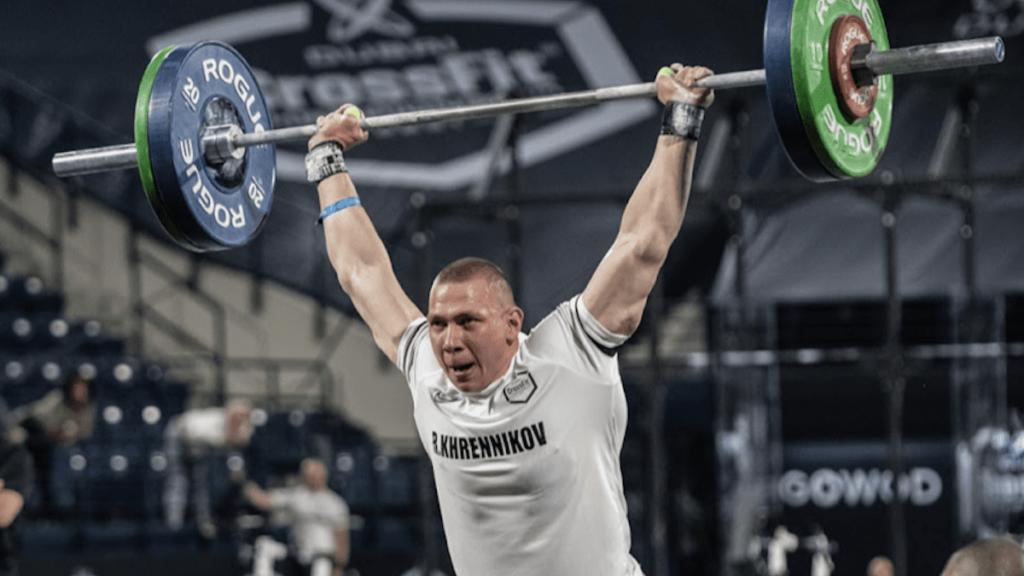
This compound movement targets all three heads of the deltoids while also engaging the trapezius, triceps, and upper chest. Overhead presses are a cornerstone in any comprehensive shoulder training program, offering a myriad of benefits that contribute to overall upper body strength and development.
The Basics of Overhead Pressing
Overhead presses primarily target the anterior (front) and medial (side) deltoids, making them a crucial exercise for achieving a well-rounded shoulder development. The movement also engages the trapezius muscles, aiding in upper back strength and stability.
Variations:
Barbell Overhead Press:
- Stand with feet shoulder-width apart.
- Grip the barbell slightly wider than shoulder-width.
- Press the bar overhead, extending your arms fully.
- Lower the bar with control to the starting position.
Dumbbell Overhead Press:
- Sit or stand with a dumbbell in each hand at shoulder height.
- Press the dumbbells overhead, keeping your core engaged.
- Lower the dumbbells back to shoulder level.
Push Press:
- Similar to the barbell overhead press, but with a slight dip and drive from the legs.
- Utilize leg power to assist in pressing the weight overhead.
- Benefits of Overhead Pressing
Full Shoulder Development:

Overhead presses target all three deltoid heads, ensuring comprehensive shoulder development. This exercise contributes significantly to the width and thickness of the shoulders.
Core Activation:
To stabilize the weight overhead, your core muscles must engage, leading to improved core strength and stability.
Functional Strength:
The overhead press mimics real-life movements like placing objects on high shelves, enhancing your functional strength and daily activities.
Overhead press variations stand as a foundational pillar in any effective shoulder training regimen. By incorporating these exercises into your routine, you lay the groundwork for building powerful, well-defined shoulders that command attention.
Exercise 2: Lateral Raises for Cannonball Shoulders and Enhanced Definition
If your goal is to sculpt cannonball shoulders with impressive definition, incorporating lateral raises into your shoulder training routine is a must.
Lateral raises specifically target the medial deltoids, the side portion of the shoulder muscles, contributing to that coveted broad and rounded shoulder appearance.
Let’s delve into the intricacies of lateral raises and how they play a pivotal role in achieving well-defined and powerful shoulders.
The Anatomy of Lateral Raises
Lateral raises primarily isolate the medial deltoids, helping to enhance the width of the shoulders. This exercise also engages the trapezius muscles, contributing to overall shoulder stability.
Enhanced Shoulder Definition
By isolating the medial deltoids, lateral raises help create a clear demarcation between the different shoulder muscles, leading to enhanced definition.
Improved Shoulder Cap Appearance
Well-developed medial deltoids contribute significantly to the appearance of rounded, capped shoulders.
Incorporating Lateral Raises into Your Routine
Aim for moderate to high rep ranges (10-15 repetitions) to effectively target the medial deltoids. Gradually increase the weight as your strength improves.
Include lateral raises in your shoulder workout routine 1-2 times per week, ensuring adequate recovery between sessions.
Experiment with different variations, such as cable lateral raises or machine lateral raises, to maintain variety in your routine.
Form and Common Mistakes
Avoid using momentum or swinging your body to lift the weights. Focus on controlled, deliberate movements.
Mind-Muscle Connection
Concentrate on engaging the medial deltoids throughout the movement, ensuring optimal muscle activation.
Lateral raises, when performed with proper technique and incorporated strategically into your workout routine, are instrumental in achieving the cannonball shoulders that are synonymous with strength and aesthetics. Stay tuned for the next segment, where we explore another key exercise to further amplify your shoulder muscle development.
Exercise 3: Face Pulls – The Often Overlooked Secret Weapon for Shoulder Gains
In the pursuit of well-rounded and robust shoulders, it’s crucial not to neglect the often-overlooked exercise – face pulls.
This versatile movement not only targets the rear deltoids but also engages the upper traps and the muscles of the upper back. Face pulls stand out as a secret weapon in shoulder development, contributing to balanced muscle growth and improved posture. Let’s uncover the benefits and techniques of face pulls to amplify your shoulder gains.
Targeted Muscles
Face pulls predominantly target the posterior (rear) deltoids, which are crucial for achieving a fully developed and balanced shoulder aesthetic. Additionally, this exercise engages the upper traps and the muscles of the upper back.
Benefits of Face Pulls
Face pulls are highly effective at isolating the often-neglected rear deltoids, promoting balanced shoulder development.
Strengthening the muscles of the upper back through face pulls contributes to better posture, reducing the risk of rounded shoulders.
Face pulls engage the muscles responsible for scapular retraction, which can help prevent shoulder injuries and imbalances.
In conclusion, face pulls serve as an invaluable and often underestimated tool for achieving comprehensive shoulder development. By incorporating this exercise into your training regimen, you not only enhance the aesthetics of your shoulders but also promote shoulder health and functionality. Stay committed to the process, and you’ll witness significant gains in both strength and shoulder definition.
Nutrition and Recovery: Maximizing Shoulder Muscle Growth
Achieving substantial shoulder muscle growth isn’t solely about the intensity of your workouts; it’s equally dependent on the support you provide your body through nutrition and recovery. In this segment, we explore the critical role that proper nutrition and effective recovery strategies play in maximizing shoulder muscle growth and overall upper body development.
Protein Intake
Protein is the cornerstone of muscle growth, and your shoulders are no exception. Aim for a protein-rich diet to provide the amino acids necessary for muscle repair and growth. Include lean sources such as chicken, turkey, fish, eggs, and plant-based options like beans and tofu.

Caloric Surplus
To build muscle, including shoulder muscles, you need to consume more calories than your body burns (caloric surplus). This provides the energy required for intense workouts and supports muscle recovery and growth.
Healthy Fats
Include sources of healthy fats, such as avocados, nuts, and olive oil, in your diet. Fats play a crucial role in hormone production, including testosterone, which is vital for muscle growth.
Carbohydrates for Energy
Carbohydrates are your body’s primary source of energy. Ensure an adequate intake to fuel your workouts and aid in the recovery process. Opt for complex carbohydrates like whole grains, fruits, and vegetables.
Hydration and Its Impact on Recovery
Staying well-hydrated is essential for optimal muscle function and recovery. Dehydration can lead to decreased performance and hinder muscle growth. Aim for at least 8 glasses of water a day, adjusting based on activity levels and climate.
Intense workouts can lead to electrolyte loss through sweat. Include electrolyte-rich foods or drinks to help replenish sodium, potassium, and magnesium levels.
Recovery Strategies for Shoulder Health
Quality sleep is when your body repairs and grows muscle. Aim for 7-9 hours of uninterrupted sleep each night to support optimal recovery.
Incorporate light, low-impact activities on rest days to promote blood flow and alleviate muscle soreness. This could include walking, cycling, or yoga.
Use foam rolling and stretching to enhance flexibility and alleviate muscle tightness. Targeting the shoulders, upper back, and chest can be particularly beneficial.
Consume a post-workout meal or snack containing protein and carbohydrates to kickstart the recovery process. This helps replenish glycogen stores and provides essential amino acids for muscle repair.
Building impressive shoulder muscles takes time, consistency, and a holistic approach to your fitness journey. By combining targeted shoulder workouts with a well-balanced diet and strategic recovery practices, you create an environment conducive to optimal muscle growth.
Listen to your body, adjust your nutrition and recovery strategies as needed, and celebrate the small victories on your path to achieving powerful and well-defined shoulders.
Common Mistakes to Avoid in Pursuit of Powerful Shoulders
Embarking on a journey to develop powerful shoulders is an admirable goal, but success often hinges on the precision of your training approach.
Unfortunately, there are several common mistakes that individuals make in the pursuit of well-defined and robust shoulder muscles. In this section, we’ll address these pitfalls, offering insights into how to avoid them and optimize your shoulder training regimen.
Neglecting Proper Warm-Up:
- Mistake: Jumping straight into heavy shoulder exercises without a proper warm-up can increase the risk of injury and limit your performance during the workout.
- Solution: Begin your shoulder workouts with dynamic stretches and light cardio to increase blood flow and prepare the muscles for the upcoming intensity.
Overlooking Rear Deltoid Training:
- Mistake: Many individuals focus primarily on the front and side deltoids, neglecting the equally important rear deltoids. This imbalance can lead to poor aesthetics and increased injury risk.
- Solution: Incorporate exercises like face pulls and rear delt flyes to ensure comprehensive development of all three deltoid heads.
Improper Form During Overhead Presses:
- Mistake: Allowing the lower back to arch or using excessive body momentum during overhead presses can compromise shoulder health and limit muscle engagement.
- Solution: Maintain a stable core, avoid excessive arching, and prioritize controlled, strict form when performing overhead presses.

Neglecting Rotator Cuff Exercises:
- Mistake: Ignoring the importance of rotator cuff strength can lead to imbalances and increase the risk of shoulder injuries.
- Solution: Incorporate rotator cuff exercises, such as external rotations, into your routine to enhance shoulder stability and prevent injuries.
Overtraining:
- Mistake: Training shoulders too frequently or with excessive volume can hinder recovery and lead to overtraining, diminishing muscle growth.
- Solution: Allow sufficient time for recovery between shoulder workouts and listen to your body. Quality over quantity is key.
Ignoring Mobility Work:
- Mistake: Neglecting shoulder mobility exercises can limit your range of motion, affecting the effectiveness of your workouts.
- Solution: Include shoulder mobility drills in your warm-up and cooldown routines to enhance flexibility and reduce the risk of injuries.
Relying Solely on Machines:
- Mistake: Depending exclusively on machines for shoulder training may limit the activation of stabilizing muscles and result in an incomplete workout.
- Solution: Incorporate free-weight exercises, such as dumbbell presses and lateral raises, to engage stabilizing muscles and promote overall shoulder strength.
Insufficient Attention to Recovery:
- Mistake: Underestimating the importance of recovery through sleep, nutrition, and active rest can hinder muscle growth and increase the risk of burnout.
- Solution: Prioritize adequate sleep, maintain a well-balanced diet, and incorporate rest days and active recovery to optimize overall shoulder health.
Building powerful shoulders requires strategic planning, consistency, and a keen awareness of potential pitfalls. By avoiding these common mistakes and implementing sound training principles, you pave the way for optimal shoulder development.
Listen to your body, prioritize proper form, and stay committed to a well-rounded approach that encompasses both training and recovery. Your journey to powerful and well-defined shoulders will be more rewarding and sustainable in the long run.
Conclusion
In the pursuit of powerful shoulders, we’ve explored the fundamental exercises and strategies that form the bedrock of an effective shoulder training regimen.
From the foundational overhead presses that target all three deltoid heads to the aesthetic-enhancing lateral raises and the often-overlooked face pulls for rear deltoid development, each exercise plays a crucial role in sculpting shoulders that command attention.
However, the journey to powerful shoulders doesn’t end with the workout itself. Equally essential are the pillars of nutrition and recovery.
By fueling your body with the right nutrients, maintaining a caloric surplus, and staying hydrated, you create an environment conducive to muscle growth. Adequate sleep, active recovery, and attention to overall shoulder health through proper warm-ups and mobility exercises round out the holistic approach needed to maximize shoulder gains.
In the midst of this pursuit, it’s crucial to be mindful of common mistakes that can hinder progress. From neglecting rear deltoid training to overtraining and improper form, understanding and avoiding these pitfalls are integral to a successful shoulder training journey.
As you embark on the path to powerful shoulders, remember that consistency is key. Celebrate the small victories, stay attuned to your body’s signals, and make adjustments as needed. The journey to well-defined, robust shoulders is not just about the destination but the process itself — a process that encompasses dedication, smart training, and a commitment to overall shoulder health.
May your shoulder training endeavors be both rewarding and transformative, resulting in shoulders that not only showcase strength and power but also contribute to the harmonious balance of your entire physique.
Keep lifting, stay focused, and enjoy the remarkable journey toward powerful shoulders and a stronger, more resilient you.