Protein is essential for muscle growth and recovery. Consuming adequate protein throughout the day helps maximise muscle protein synthesis (MPS), the biological process responsible for repairing and growing muscle fibres after resistance training (Phillips, 2014). The International Society of Sports Nutrition recommends an intake of 1.4–2.0 g of protein per kg of body weight per day for athletes (Jäger et al., 2017).
However, meeting these protein targets can be challenging for individuals with busy schedules. High-protein snacks provide a convenient solution, ensuring sustained amino acid availability to optimise MPS and prevent muscle breakdown (Tipton & Wolfe, 2001).
1. Greek Yoghurt with Nuts and Seeds

Nutritional Benefits and Muscle-Building Properties
Greek yoghurt is an excellent source of high-quality protein, providing approximately 10 g per 100 g (Pasiakos et al., 2015). It contains casein protein, which digests slowly, making it ideal for prolonged amino acid release (Boirie et al., 1997).
Adding nuts and seeds enhances its protein content while providing healthy fats and micronutrients essential for recovery. Almonds, for instance, contain around 6 g of protein per 28 g and are rich in magnesium, which plays a key role in muscle function and recovery (Volpe, 2007). Chia and flaxseeds offer additional protein, fibre, and omega-3 fatty acids, reducing inflammation and supporting overall muscle health (Simopoulos, 2002).
Practicality and Convenience
Greek yoghurt is widely available and requires minimal preparation. Pre-portioned yoghurt cups make it easy to consume on the go, and adding a handful of nuts or seeds boosts both protein and satiety. It is also a versatile option, allowing for the inclusion of berries or honey for added flavour and antioxidants.
2. Beef Jerky

High-Protein Content and Muscle Benefits
Beef jerky is an extremely protein-dense snack, containing around 33 g of protein per 100 g (Drenowsky et al., 2015). This makes it an ideal option for meeting daily protein needs, especially for individuals who struggle with whole food meals throughout the day. Animal proteins such as beef provide a complete amino acid profile, including leucine, a key amino acid for triggering MPS (Phillips, 2014).
Studies have shown that consuming leucine-rich protein sources post-exercise can significantly enhance muscle repair and growth (Churchward-Venne et al., 2012).
Portability and Long Shelf Life
Unlike perishable protein sources, beef jerky has a long shelf life and requires no refrigeration. This makes it ideal for athletes, travellers, and individuals with demanding schedules. Choosing minimally processed options with low sodium and no added sugars is recommended to optimise health benefits.
3. Protein Bars
Composition and Muscle Growth Advantages
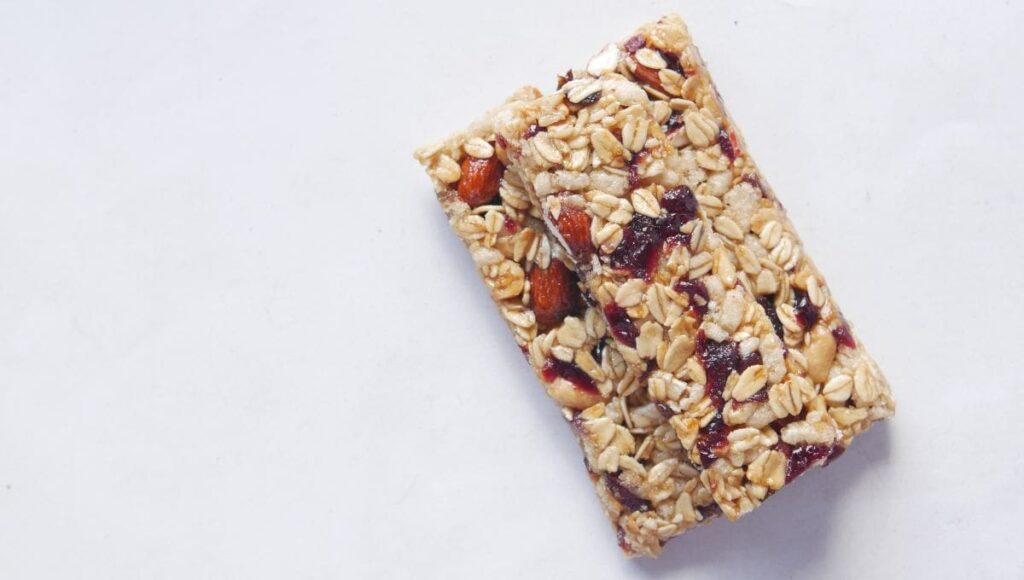
Protein bars are a popular high-protein snack, offering between 15–25 g of protein per serving. They are formulated with a blend of fast-digesting whey protein and slower-digesting casein, ensuring both immediate and sustained amino acid delivery to muscles (Hoffman & Falvo, 2004). Many bars also contain added fibre, vitamins, and minerals, which support overall health and digestion.
Choosing the Right Protein Bar
Not all protein bars are created equal. When selecting one, it is essential to check the protein source, ingredient quality, and macronutrient balance. Whey and casein-based bars are superior for muscle growth compared to those relying on plant-based proteins with lower leucine content (Van Vliet et al., 2015). Avoiding bars with excessive added sugars and artificial ingredients ensures better overall nutrition.
Bibliography
Boirie, Y. et al. (1997). ‘Slow and fast dietary proteins differently modulate postprandial protein accretion’. Proceedings of the National Academy of Sciences, 94(26), pp.14930-14935.
Churchward-Venne, T.A. et al. (2012). ‘Leucine supplementation of a low-protein mixed macronutrient beverage enhances myofibrillar protein synthesis in young men: a double-blind, randomized trial’. American Journal of Clinical Nutrition, 96(2), pp. 145-155.
Drenowsky, J. et al. (2015). ‘Protein and satiety: proteins differ in their ability to induce satiety and reduce subsequent food intake in humans’. Nutrition Research Reviews, 28(1), pp. 78-84.
Hoffman, J.R. & Falvo, M.J. (2004). ‘Protein – Which is Best?’. Journal of Sports Science and Medicine, 3(3), pp. 118-130.
Jäger, R. et al. (2017). ‘International Society of Sports Nutrition Position Stand: protein and exercise’. Journal of the International Society of Sports Nutrition, 14(1), p.20.
Pasiakos, S.M. et al. (2015). ‘Sources and amounts of animal, dairy, and plant protein intake of US adults in 2001–2010’. Nutrients, 7(8), pp. 7058-7076.
Phillips, S.M. (2014). ‘A brief review of critical processes in exercise-induced muscular hypertrophy’. Sports Medicine, 44(1), pp. 71-77.
Simopoulos, A.P. (2002). ‘The importance of the ratio of omega-6/omega-3 essential fatty acids’. Biomedicine & Pharmacotherapy, 56(8), pp. 365-379.
Tipton, K.D. & Wolfe, R.R. (2001). ‘Exercise-induced changes in protein metabolism’. Acta Physiologica Scandinavica, 162(3), pp. 377-387.
Van Vliet, S. et al. (2015). ‘The muscle protein synthetic response to meal ingestion following resistance-type exercise’. Sports Medicine, 45(1), pp. 55-67.
Volpe, S.L. (2007). ‘Magnesium in disease prevention and overall health’. Advances in Nutrition, 2(3), pp. 78-85.
Key Takeaways Table
| Key Takeaways | |
|---|---|
| Greek Yoghurt with Nuts and Seeds | Provides high-quality casein protein for slow digestion and sustained muscle repair. Contains healthy fats and micronutrients essential for recovery. |
| Beef Jerky | A high-protein, portable snack rich in leucine for muscle protein synthesis. Long shelf life makes it ideal for busy schedules. |
| Protein Bars | Convenient source of fast and slow-digesting proteins. Ensure bars contain high-quality protein sources and minimal added sugars. |