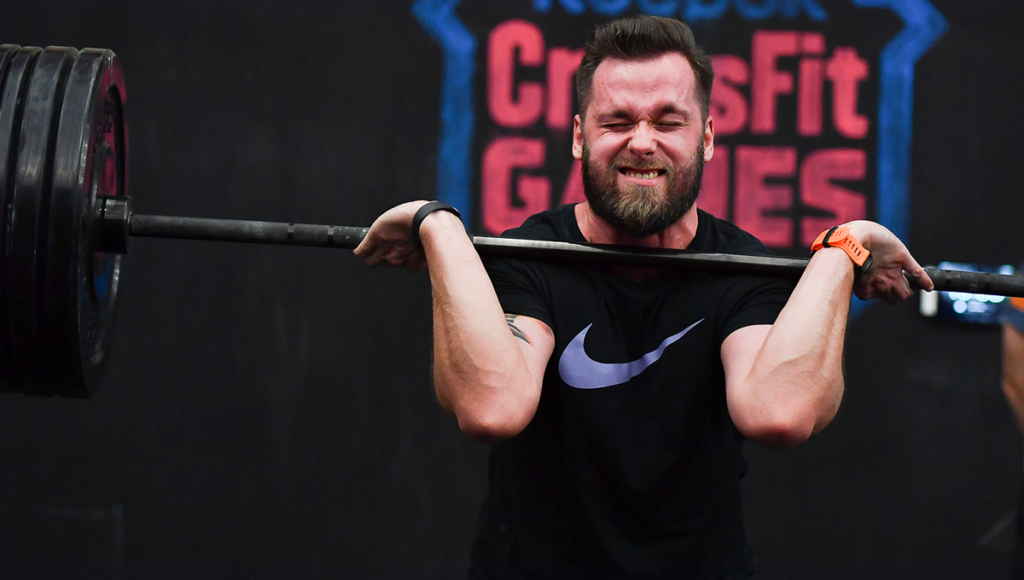
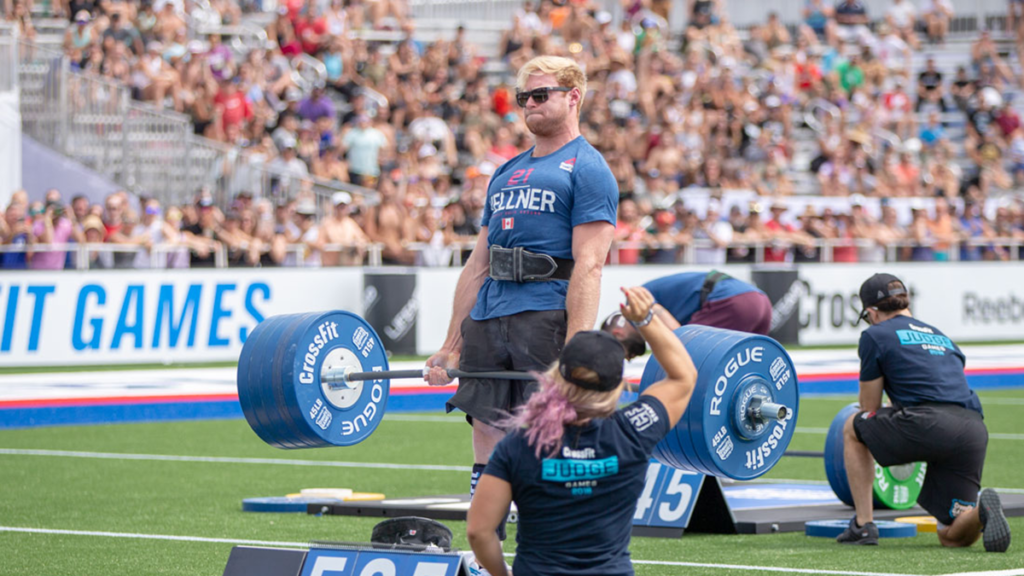
Barbells are one of the most effective tools for building muscle mass and strength. They allow for progressive overload, a key principle of hypertrophy, and enable the recruitment of multiple muscle groups, leading to greater gains in size and power.
Studies have consistently shown that compound barbell exercises outperform isolation movements in stimulating muscle growth due to higher mechanical tension and neuromuscular activation (Schoenfeld, 2010). The following are three of the most effective barbell exercises for maximising upper body development.
1. Barbell Bench Press
Why It Works
The bench press is a fundamental movement for upper body strength and hypertrophy. It primarily targets the pectoralis major, anterior deltoids, and triceps brachii while engaging stabilising muscles such as the serratus anterior and core. Research suggests that the bench press produces superior muscle activation compared to other pressing variations, especially when performed with a full range of motion (Saeterbakken et al., 2017).
How to Perform
- Lie on a flat bench with your feet planted firmly on the ground.
- Grip the bar slightly wider than shoulder-width, ensuring wrist and elbow alignment.
- Lower the bar to your mid-chest in a controlled manner, keeping your elbows at a 75-90-degree angle.
- Press the bar back up explosively, extending your arms fully without locking out.
Optimal Training Parameters
- Reps and Sets: 3-5 sets of 6-10 reps for hypertrophy; 4-6 sets of 3-6 reps for strength.
- Tempo: 2-3 seconds eccentric, explosive concentric.
- Rest Periods: 60-90 seconds for hypertrophy; 2-3 minutes for strength.
Scientific Backing
A study published in the Journal of Strength and Conditioning Research found that barbell bench pressing leads to greater chest muscle activation compared to dumbbell pressing due to increased load capacity (Duffey & Challis, 2011).
2. Barbell Overhead Press
Why It Works
The overhead press is one of the best exercises for developing strong and well-rounded shoulders. It primarily targets the deltoid muscles while engaging the triceps and upper chest. Additionally, it enhances core stability and upper body power. Research shows that compound pressing movements, such as the overhead press, produce superior strength adaptations due to greater neuromuscular recruitment (Calatayud et al., 2015).
How to Perform
- Stand with feet shoulder-width apart and grip the bar at shoulder level.
- Keep your core tight and glutes engaged to prevent excessive spinal extension.
- Press the bar overhead until arms are fully extended, avoiding excessive backward lean.
- Lower the bar under control to just below chin level before repeating.
Optimal Training Parameters
- Reps and Sets: 3-4 sets of 6-10 reps for hypertrophy; 4-6 sets of 3-6 reps for strength.
- Tempo: 2-3 seconds eccentric, explosive concentric.
- Rest Periods: 60-90 seconds for hypertrophy; 2-3 minutes for strength.
Scientific Backing
A study in Sports Biomechanics found that barbell overhead pressing produces greater shoulder activation than seated dumbbell presses due to the requirement for greater stabilisation (McKean et al., 2013).
3. Barbell Bent-Over Row
Why It Works
The bent-over row is essential for developing a thick and strong upper back. It targets the latissimus dorsi, rhomboids, traps, and rear deltoids while also strengthening the posterior chain. Studies have shown that barbell rows activate the back musculature more effectively than many machine-based rowing exercises due to their free-weight nature and greater demand for stabilisation (Lusk et al., 2010).
How to Perform
- Stand with feet hip-width apart and grip the barbell with an overhand grip just outside shoulder-width.
- Hinge at the hips until your torso is nearly parallel to the ground.
- Pull the bar towards your lower ribcage, keeping elbows close to your body.
- Lower the bar back to the starting position under control.
Optimal Training Parameters
- Reps and Sets: 3-4 sets of 8-12 reps for hypertrophy; 4-5 sets of 5-8 reps for strength.
- Tempo: 2-3 seconds eccentric, controlled concentric.
- Rest Periods: 60-90 seconds for hypertrophy; 2-3 minutes for strength.
Scientific Backing
Research in The Journal of Strength and Conditioning Research demonstrated that barbell rows are superior to machine-based row variations in recruiting the latissimus dorsi and mid-back muscles (Andersen et al., 2014).
Key Takeaways Table
| Exercise | Primary Muscles Worked | Key Benefits |
|---|---|---|
| Barbell Bench Press | Pectoralis Major, Triceps, Deltoids | Superior chest activation and pressing power |
| Barbell Overhead Press | Deltoids, Triceps, Upper Chest | Enhances shoulder strength and core stability |
| Barbell Bent-Over Row | Lats, Rhomboids, Rear Delts, Traps | Builds a strong and thick upper back |
Conclusion
Incorporating these three barbell exercises into your routine will accelerate upper body muscle growth by maximising muscle activation and mechanical tension. Each of these movements has substantial scientific backing and should be performed with proper technique and progressive overload to ensure consistent gains.
Bibliography
- Andersen, V., Fimland, M. S., Wiik, E., Skoglund, A., & Saeterbakken, A. H. (2014). Effects of grip width on muscle strength and activation in the lat pull-down. The Journal of Strength & Conditioning Research, 28(4), 1135-1142.
- Calatayud, J., Borreani, S., Colado, J. C., Martin, F., Rogers, M. E., & Behm, D. G. (2015). Muscle activation during push-ups with different suspension training systems. Journal of Sports Science & Medicine, 14(3), 502-510.
- Duffey, M. J., & Challis, J. H. (2011). Vertical and lateral forces applied to the barbell during the bench press in novice lifters. Journal of Strength & Conditioning Research, 25(9), 2442-2447.
- Lusk, S. J., Hale, B. D., & Russell, D. M. (2010). Comparing muscle activation during barbell and machine-based resistance exercises. The Journal of Strength & Conditioning Research, 24(7), 1925-1933.
- McKean, M. R., Dunn, P. K., & Burkett, B. (2013). Shoulder joint movements during the performance of push-ups: A comparison between experienced and novice participants. Sports Biomechanics, 12(3), 239-250.
- Saeterbakken, A. H., van den Tillaar, R., & Seiler, S. (2017). Effect of core stability training on core stability, strength, and power in recreationally trained individuals. The Journal of Strength & Conditioning Research, 31(1), 26-37.
- Schoenfeld, B. J. (2010). The mechanisms of muscle hypertrophy and their application to resistance training. Journal of Strength & Conditioning Research, 24(10), 2857-2872.