Embarking on the journey towards a chiseled and sculpted six-pack requires a focused approach that targets each area of the abdominal region.
While a well-defined core is a coveted fitness goal, paying specific attention to the upper abs can elevate the overall aesthetics of your midsection. In this article, we will explore three perfect exercises designed to carve out those upper ab muscles, providing you with the tools and techniques necessary for a well-rounded and defined six-pack.
Whether you’re a fitness enthusiast looking to enhance your core strength or someone eager to unveil those hidden abdominal contours, these exercises will guide you on the path to achieving a sculpted upper abs physique. Let’s delve into the world of targeted workouts and unlock the secrets to a more defined and impressive core.
New Year New You: How to Choose the Perfect Protein Powder for Your Fitness Goals
Importance of Upper Abs in Achieving a Sculpted Six-Pack:
When it comes to achieving a sculpted six-pack, many individuals focus primarily on overall abdominal development. While this approach is certainly beneficial, paying specific attention to the upper abs holds particular significance for several reasons.
Aesthetic Appeal:
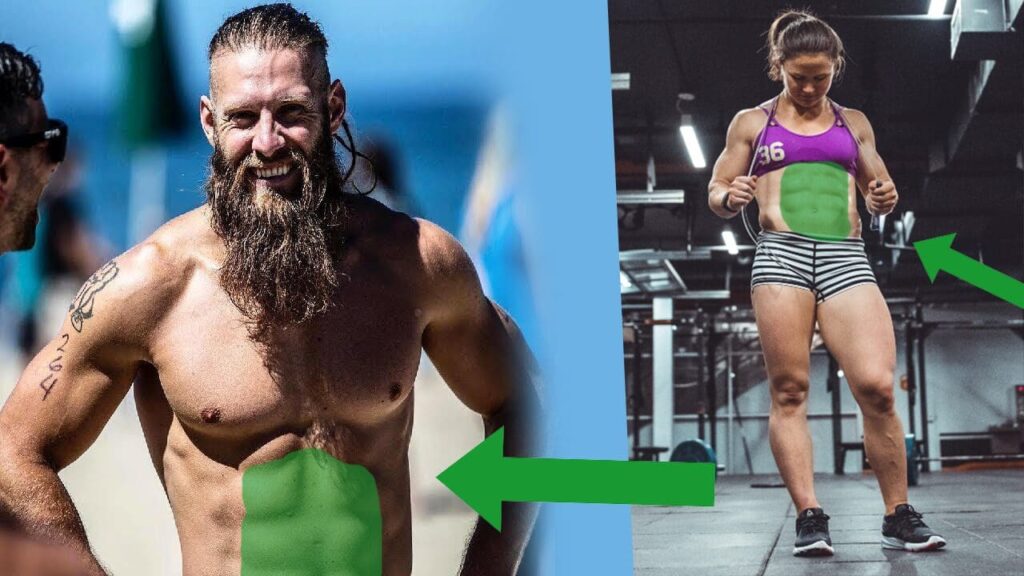
The upper abs, also known as the rectus abdominis, are the upper portion of the abdominal muscles visible beneath the skin. Sculpting these muscles contributes significantly to the overall aesthetic appeal of your midsection. Well-defined upper abs can enhance the symmetry and balance of your core, creating a visually striking appearance.
Core Strength and Stability:
The upper abs play a crucial role in providing core strength and stability. Strengthening this region not only supports better posture but also improves overall functional fitness. A robust upper abdominal region is essential for various daily activities, from lifting objects to maintaining balance during physical movements.
6 Lessons to Learn from the World’s Fittest 100 Year Old
Targeted Muscle Engagement:
Isolating the upper abs in your workout routine allows for targeted muscle engagement. By focusing on this specific area, you can ensure that the exercises you perform directly activate and strengthen the muscles in the upper part of your abdominal wall.
Enhanced Athletic Performance:
Athletes, whether in sports or fitness competitions, often require a high level of core strength. Developing well-defined upper abs can contribute to enhanced athletic performance by providing the necessary power and stability for dynamic movements and agility.
Motivation and Visible Progress:
Seeing visible progress in the upper abs can be a powerful motivator on your fitness journey. As these muscles become more defined, you’ll likely experience increased motivation and a sense of accomplishment, driving you to maintain a consistent workout routine.
Balanced Development:
Achieving a sculpted six-pack is not just about developing the lower abs; it’s about creating a harmonious and balanced look. Focusing on the upper abs ensures that your entire abdominal region is well-proportioned, contributing to a more symmetrical and aesthetically pleasing physique.

In conclusion, understanding the importance of targeting the upper abs is essential for anyone aspiring to attain a sculpted six-pack. Incorporating exercises specifically designed to engage and strengthen this region will not only enhance the visual appeal of your midsection but also improve overall core strength and functionality. As we delve into the perfect exercises for sculpted upper abs, keep in mind the multifaceted benefits that come with giving due attention to this vital part of your abdominal musculature.
Key Factors for Sculpting Upper Abs
Achieving sculpted upper abs involves more than just performing a few exercises. It requires a comprehensive approach that takes into account various factors to ensure effective muscle engagement and development. Here are key factors to consider when sculpting your upper abs:
Mind-Muscle Connection:
Develop a strong mind-muscle connection to ensure that your upper abs are actively engaged during each exercise. Concentrate on the contraction of the muscles and avoid relying solely on momentum. This intentional focus enhances the effectiveness of your workouts.
Proper Form and Technique:
Maintaining proper form and technique is crucial for targeting the upper abs and preventing injury. Ensure that your movements are controlled and precise, especially during exercises like crunches and leg raises. Improper form may shift the emphasis away from the targeted muscles.
Progressive Overload:
Implement a progressive overload approach to challenge your upper abs and promote growth. Gradually increase the intensity of your workouts by adjusting resistance, repetitions, or difficulty. This progressive approach stimulates muscle adaptation and development over time.
Varied Exercise Selection:
Incorporate a variety of exercises that target the upper abs from different angles. This helps ensure comprehensive muscle development and prevents plateauing. Include exercises such as crunch variations, leg raises, and planks to work the upper abs from different perspectives.
Consistency and Frequency:
Consistency is key when sculpting any muscle group, including the upper abs. Aim for regular and frequent workouts that allow for proper recovery. Consistent training signals the body to adapt and strengthen the targeted muscles over time.
Balanced Nutrition:
Sculpting upper abs involves not only exercise but also proper nutrition. Maintain a balanced diet that supports muscle growth and fat loss. Adequate protein intake is essential for muscle repair and development, while managing overall caloric intake contributes to a leaner physique.
Cardiovascular Exercise:
Include cardiovascular exercise in your fitness routine to reduce overall body fat, revealing the sculpted upper abs beneath. While spot reduction is not possible, a combination of strength training and cardio helps create a calorie deficit, contributing to a leaner midsection.

Adequate Rest and Recovery:
Allow sufficient time for rest and recovery between upper ab workouts. Muscles grow and repair during rest periods, so avoid overtraining, which can hinder progress. Adequate sleep is also crucial for overall recovery and optimal muscle development.
Hydration:
Stay adequately hydrated to support overall health and muscle function. Dehydration can affect exercise performance and recovery. Aim to drink enough water throughout the day, especially before and after workouts.
Adjustable Resistance:
Use adjustable resistance, such as weights or resistance bands, to progressively challenge the upper abs. Gradually increasing resistance ensures that the muscles continue to adapt and grow over time.
By integrating these key factors into your upper abs sculpting routine, you’ll create a holistic approach that maximizes the effectiveness of your workouts. Remember that patience and consistency are fundamental as you work towards achieving the sculpted upper abs you desire.
Exercise 1: Targeted Crunches for Upper Abdominal Definition
Crunches are a classic and effective exercise for targeting the upper abdominal muscles, helping to sculpt and define the coveted six-pack.
When performed with proper form and focus, crunches isolate the upper abs, making them an essential component of any ab-centric workout routine. Here’s a step-by-step guide on how to perform targeted crunches for upper abdominal definition:
Step 1: Proper Setup
Lie flat on your back on a mat with your knees bent and feet flat on the ground. Ensure a comfortable distance between your feet to maintain stability during the exercise. Place your hands gently behind your head, avoiding any pulling on your neck.
Step 2: Engage Your Core
Before initiating the crunch, engage your core muscles by drawing your navel towards your spine. This action helps create a stable foundation for the exercise and ensures that the emphasis is on the upper abdominal region.
Step 3: Controlled Movement
Lift your head, neck, and shoulders off the mat by contracting your upper abs. Keep the movement controlled and avoid using momentum. The goal is to bring your upper body towards your knees while maintaining tension in the abdominal muscles.
Step 4: Peak Contraction
At the top of the movement, focus on achieving a peak contraction in your upper abs. Imagine bringing your ribcage towards your pelvis to maximize the engagement of the targeted muscles. Hold the contraction briefly to intensify the exercise.
Step 5: Controlled Descent
Lower your upper body back down to the starting position in a slow and controlled manner. Avoid letting your head slam back onto the mat. Keep tension in the upper abs throughout the descent to maximize the effectiveness of each repetition.
Step 6: Breathing Technique
Coordinate your breathing with the movement. Inhale as you lower your upper body, and exhale as you lift, focusing on exhaling fully to engage the core muscles more effectively.
Tips for Optimal Results:
- Quality Over Quantity: Focus on performing each crunch with precision rather than rushing through repetitions. Quality movements yield better results.
- Avoid Neck Strain: Be mindful of your neck and avoid pulling on it during the exercise. Your hands are there for support, not for lifting your head.
- Modify as Needed: If you experience discomfort in your lower back, you can place a small towel or cushion beneath it for support. Listen to your body and adjust as necessary.
- Gradual Progression: As your strength improves, consider incorporating variations or adding resistance gradually to continue challenging your upper abs.
Incorporating Targeted Crunches into Your Routine:
- Aim for 3 sets of 15-20 repetitions to start, gradually increasing the intensity as your strength improves.
- Include targeted crunches in your ab workout routine 2-3 times per week, allowing at least a day of rest between sessions.
- By integrating targeted crunches into your upper ab workout routine, you’ll lay a solid foundation for sculpting and defining the upper abdominal muscles, bringing you one step closer to achieving that sought-after six-pack.
Exercise 2: Hanging Leg Raises for Enhanced Upper Ab Engagement
Hanging leg raises are a dynamic and challenging exercise that specifically targets the entire abdominal region, with a notable emphasis on the upper abs. This exercise not only engages the rectus abdominis but also recruits the lower abs and hip flexors, making it a comprehensive movement for achieving a sculpted six-pack.
Here’s a detailed guide on how to perform hanging leg raises for enhanced upper ab engagement:
Step 1: Find a Stable Bar
Locate a sturdy horizontal bar or use a pull-up bar that can support your body weight. Ensure that the bar is high enough to allow your legs to hang freely without touching the ground.
Step 2: Grip the Bar
Stand beneath the bar and grip it with an overhand grip, hands slightly wider than shoulder-width apart. Hang from the bar with your arms fully extended. Engage your core muscles to stabilize your body.
Step 3: Initiate the Movement
While keeping your legs straight, lift them upward in front of you. Focus on using your upper abs to initiate the movement. Avoid using momentum or swinging your legs excessively.
Step 4: Peak Contraction
Continue lifting your legs until they are parallel to the ground or as high as your flexibility allows. At the top of the movement, pause and squeeze your upper abs to achieve a peak contraction. This maximizes the engagement of the targeted muscles.
Step 5: Controlled Descent
Lower your legs back down with control, avoiding rapid or uncontrolled movements. Keep your core engaged throughout the descent to maintain tension in the upper abs.
Step 6: Breathing Technique
Inhale as you lower your legs, and exhale as you lift them. Consistent breathing helps stabilize your core and enhances overall control during the exercise.
Tips for Optimal Results:
- Maintain Control: Focus on controlled movements throughout the exercise. Avoid swinging your legs, as this can reduce the effectiveness of the workout and increase the risk of injury.
- Adjust Grip as Needed: Experiment with different grip widths to find the one that feels most comfortable and allows for optimal engagement of the upper abs.
- Modify for Beginners: If hanging leg raises are too challenging initially, consider performing them with bent knees or using a captain’s chair or parallel bars for additional support.
- Gradual Progression: As your strength increases, aim to extend your legs higher and increase the number of repetitions gradually.
Incorporating Hanging Leg Raises into Your Routine:
- Include hanging leg raises in your upper ab workout routine 2-3 times per week.
- Start with 3 sets of 10-12 repetitions, adjusting the volume and intensity based on your fitness level.
By incorporating hanging leg raises into your routine, you’ll elevate your upper ab training, promoting enhanced muscle engagement and contributing to the overall sculpted appearance of your six-pack.
Exercise 3: Plank Variations to Strengthen and Tone Upper Abs
Planks are a versatile and effective exercise known for targeting the entire core, including the upper abs. Incorporating different plank variations into your workout routine can help strengthen and tone the upper abdominal muscles while promoting overall core stability.
Here’s a comprehensive guide on how to perform plank variations for optimal upper ab engagement:
Basic Plank:
Start in a prone position on the floor with your elbows directly beneath your shoulders.
Engage your core, creating a straight line from your head to your heels.
Hold the position, ensuring your body remains rigid and your upper abs actively contribute to the stability of the plank.
Aim for a duration that challenges you without compromising form. Beginners may start with 30 seconds and progress gradually.
Plank Variations for Upper Abs:
High Plank with Knee-to-Elbow Touch:
- Begin in a high plank position with your hands directly beneath your shoulders.
- Lift your right knee toward your right elbow, engaging your upper abs as you bring them closer together.
- Return to the starting position and repeat on the other side.
- Continue alternating for a set duration or number of repetitions.
Side Plank with Oblique Crunch:
- Start in a side plank position with your elbow beneath your shoulder.
- Lower your hip toward the ground, engaging your upper abs.
- Lift your hip back up while simultaneously bringing your top knee toward your elbow.
- Repeat on the other side, alternating between left and right.
Plank with Shoulder Taps:
- Assume a high plank position with your hands directly beneath your shoulders.
- Lift one hand off the ground and tap the opposite shoulder, engaging your upper abs to maintain stability.
- Return the hand to the starting position and alternate sides.
- Focus on minimizing hip rotation during the movement.
Reverse Plank Leg Lifts:
- Sit on the floor with your hands behind you and legs extended.
- Lift your hips toward the ceiling, creating a reverse plank position.
- While keeping your core engaged, lift one leg at a time toward the ceiling.
- Lower your legs back down, alternating between left and right.
Tips for Optimal Results:
- Maintain Proper Alignment: Whether in a standard plank or a variation, ensure that your body forms a straight line from head to heels. Avoid sagging or lifting your hips excessively.
- Controlled Movements: Execute each movement with control, emphasizing the engagement of your upper abs. Avoid rushed or sloppy repetitions.
- Breathing Consistency: Maintain a steady breathing rhythm throughout each variation. Inhale and exhale to support core stability.
- Gradual Progression: Increase the duration or intensity of plank variations as your strength improves. This may involve holding the position for a longer time or adding more challenging movements.
Incorporating Plank Variations into Your Routine:
Include a variety of plank variations in your upper ab workout routine to ensure comprehensive muscle engagement.
Perform 2-3 sets of each variation, adjusting the volume and difficulty based on your fitness level.
By incorporating plank variations into your workout routine, you’ll not only strengthen and tone your upper abs but also enhance overall core stability, contributing to a well-defined and sculpted six-pack.
Creating an Effective Upper Abs Workout Routine
Building a sculpted six-pack involves a targeted and well-structured workout routine that specifically addresses the upper abdominal muscles. By incorporating a variety of exercises and maintaining consistency, you can effectively strengthen and define your upper abs. Here’s a guide to creating an effective upper abs workout routine:
Warm-Up:
Begin your upper abs workout with a dynamic warm-up to increase blood flow, improve flexibility, and prepare your muscles for the upcoming exercises. Incorporate activities like jumping jacks, high knees, and torso twists to activate the core.
Targeted Exercises:
Include a mix of targeted upper ab exercises to ensure comprehensive muscle engagement. Choose exercises that focus on flexion of the upper spine to effectively target the rectus abdominis.
3. Compound Movements:
Integrate compound exercises that engage multiple muscle groups, including the upper abs. Compound movements contribute to overall core strength and stability. Examples include:
- Deadlifts
- Overhead Press
- Mountain Climbers
Progressive Overload:
Implement a progressive overload approach by gradually increasing the intensity of your upper abs workout. This can involve adding resistance, increasing repetitions, or advancing to more challenging variations. Progressive overload is key to continued muscle development.
Circuit Training:
Incorporate circuit training to maintain a higher intensity and elevate your heart rate. Perform a series of upper ab exercises with minimal rest between sets. This approach not only enhances calorie burn but also promotes muscle endurance.
Sample Upper Abs Workout Routine:
- Targeted Crunches – 3 sets of 15-20 reps
- Hanging Leg Raises – 3 sets of 12-15 reps
- Plank Variations Circuit:
a. High Plank with Knee-to-Elbow Touch – 3 sets of 12 reps per side
b. Side Plank with Oblique Crunch – 3 sets of 10 reps per side
c. Plank with Shoulder Taps – 3 sets of 20 taps (10 per shoulder)
d. Reverse Plank Leg Lifts – 3 sets of 12 reps per leg
Rest and Hydration:
Allow sufficient time for rest between exercises and sets to optimize muscle recovery. Stay hydrated throughout your workout to support performance.
Tips for Success:
- Consistency is Key: Perform your upper abs workout routine 2-3 times per week to allow for proper recovery and muscle adaptation.
- Listen to Your Body: Pay attention to your body’s feedback. If an exercise causes discomfort or pain, modify or seek guidance from a fitness professional.
- Balanced Nutrition: Support your upper abs workout routine with a balanced diet that includes an adequate protein intake to aid muscle recovery.
- Adjust Intensity: Modify the intensity of your workout based on your fitness level. Gradually progress as your strength improves.
Crafting an effective upper abs workout routine requires a combination of targeted exercises, progressive overload, and consistency.
By incorporating a variety of movements and challenging your upper abs with proper intensity, you’ll be on your way to achieving a sculpted and defined six-pack. Remember to adapt the routine to your fitness level and stay committed to your fitness journey.
Common Mistakes to Avoid During Upper Abs Training
Effectively training your upper abs requires precision, proper form, and an understanding of the targeted muscles. Unfortunately, certain common mistakes can hinder progress and potentially lead to injury. Being aware of these pitfalls is crucial for optimizing your upper abs training. Here are some common mistakes to avoid:
Poor Neck Alignment:
Mistake: Pulling on the neck during crunches.
Why to Avoid: Straining the neck can lead to discomfort and potential injury. It also shifts the focus away from the upper abs.
Correction: Place your hands lightly behind your head, keeping the elbows wide, and focus on lifting your upper body with your abdominal muscles, not your neck.
Lack of Mind-Muscle Connection:
Mistake: Going through the motions without engaging the upper abs consciously.
Why to Avoid: Without a strong mind-muscle connection, you may not fully activate the targeted muscles, limiting the effectiveness of the workout.
Correction: Concentrate on contracting and squeezing the upper abs during each repetition, ensuring they are actively involved in the movement.
Ignoring Full Range of Motion:
Mistake: Performing partial reps or not utilizing the full range of motion.
Why to Avoid: Incomplete movements reduce the engagement of the upper abs and limit their development.
Correction: Execute exercises through their full range of motion, ensuring both the contraction and extension phases are maximized for optimal results.
Overreliance on Momentum:
Mistake: Using momentum to lift the upper body instead of relying on muscle engagement.
Why to Avoid: Momentum reduces the effectiveness of the exercise and shifts the load away from the upper abs.
Correction: Perform exercises with controlled and deliberate movements, avoiding any swinging or jerking motions.
Neglecting Core Engagement in Plank Variations:
Mistake: Allowing the lower back to sag during plank variations.
Why to Avoid: Neglecting core engagement diminishes the effectiveness of the exercise and places unnecessary stress on the lower back.
Correction: Maintain a straight line from head to heels in plank variations, actively engaging the core muscles to prevent sagging.
Skipping Proper Warm-Up:
Mistake: Neglecting to warm up the core before upper abs training.
Why to Avoid: Skipping a warm-up can increase the risk of injury and may compromise exercise performance.
Correction: Prioritize a dynamic warm-up that includes movements to activate the core, increase blood flow, and enhance flexibility.
Neglecting Lower Abdominal Exercises:
Mistake: Focusing solely on upper ab exercises.
Why to Avoid: Neglecting the lower abs can create muscle imbalances and hinder overall core development.
Correction: Include exercises targeting the lower abs in your workout routine for a balanced and comprehensive approach.
Excessive Repetitions with Inadequate Form:
Mistake: Prioritizing quantity over quality in repetitions.
Why to Avoid: Performing numerous reps with poor form can lead to muscle imbalances, fatigue, and potential injury.
Correction: Emphasize controlled and precise movements, ensuring each repetition maintains proper form.
Inconsistent Training:
Mistake: Inconsistency in the upper abs training routine.
Why to Avoid: Inconsistent training hinders progress and limits the effectiveness of targeted exercises.
Correction: Establish a regular upper abs workout schedule and adhere to it consistently for optimal results.
Neglecting Recovery:
Mistake: Overlooking the importance of rest and recovery.
Why to Avoid: Insufficient recovery time can lead to fatigue, decreased performance, and increased risk of injury.
Correction: Allow adequate rest between workouts, prioritize quality sleep, and listen to your body to optimize recovery.
By avoiding these common mistakes during upper abs training, you’ll enhance the effectiveness of your workouts, reduce the risk of injury, and accelerate progress toward achieving that sculpted six-pack you desire. Always prioritize proper form, focus on muscle engagement, and maintain a consistent and balanced approach to your upper abs training routine.
Incorporating a Balanced Diet for Optimal Six-Pack Results
Achieving a sculpted and defined six-pack involves not only targeted workouts but also a balanced and mindful approach to nutrition. Your diet plays a crucial role in revealing the abdominal muscles beneath the surface and promoting overall health and well-being. Here’s a comprehensive guide on incorporating a balanced diet for optimal six-pack results:
Caloric Balance:
Why it Matters: To reveal your six-pack, it’s essential to maintain a caloric balance. This involves consuming the right amount of calories to support your energy needs while creating a slight calorie deficit for fat loss.

How to Achieve it: Calculate your daily caloric needs based on factors such as age, gender, weight, activity level, and fitness goals. Aim for a moderate calorie deficit to promote fat loss without compromising energy levels.
Protein Intake:
Why it Matters: Protein is crucial for muscle repair and growth, especially when engaging in upper ab workouts. It also supports satiety, helping you feel full and satisfied.
How to Achieve it: Include lean protein sources in your diet, such as chicken, turkey, fish, eggs, tofu, and legumes. Aim for a protein intake that aligns with your fitness goals, typically around 1.6 to 2.2 grams of protein per kilogram of body weight.
Healthy Fats:
Why it Matters: Healthy fats are essential for hormone production, including hormones that regulate metabolism. They also contribute to overall satiety.
How to Achieve it: Include sources of healthy fats, such as avocados, nuts, seeds, olive oil, and fatty fish, in your diet. Be mindful of portion sizes to control calorie intake.
Complex Carbohydrates:
Why it Matters: Carbohydrates are a primary energy source for your workouts and daily activities. Choosing complex carbohydrates provides sustained energy and supports overall health.
How to Achieve it: Opt for whole grains, fruits, vegetables, and legumes as sources of complex carbohydrates. Prioritize nutrient-dense options to fuel your body effectively.
Hydration:
Why it Matters: Proper hydration is crucial for overall health, including metabolism and digestion. Dehydration can lead to fatigue and reduced exercise performance.
How to Achieve it: Drink an adequate amount of water throughout the day, aiming for at least eight 8-ounce glasses. Adjust your intake based on factors like activity level, climate, and individual hydration needs.
Moderation and Portion Control:
Why it Matters: Maintaining control over portion sizes helps manage calorie intake and prevents overeating.
How to Achieve it: Use smaller plates, be mindful of serving sizes, and listen to your body’s hunger and fullness cues. Avoid mindless snacking and practice conscious eating.
Limit Added Sugars and Processed Foods:
Why it Matters: Excessive added sugars and processed foods can contribute to excess calorie intake and hinder fat loss efforts.
How to Achieve it: Read food labels to identify added sugars, and choose whole, minimally processed foods whenever possible. Opt for natural sweeteners like honey or maple syrup in moderation.
Meal Timing:
Why it Matters: Proper meal timing can optimize energy levels for workouts and support muscle recovery.
How to Achieve it: Distribute your meals and snacks evenly throughout the day. Fuel your body with a combination of protein and carbohydrates before and after workouts to support performance and recovery.
Consistency:
Why it Matters: Consistency is key for sustainable results. Adopting healthy eating habits over the long term is more effective than short-term restrictive approaches.
How to Achieve it: Establish a balanced and sustainable eating routine that aligns with your lifestyle. Make gradual, realistic changes that you can maintain over time.
Incorporating a balanced diet is a fundamental component of achieving optimal six-pack results. By focusing on caloric balance, prioritizing essential nutrients, and adopting sustainable eating habits, you’ll not only support your upper ab training efforts but also promote overall health and well-being. Remember that consistency and mindfulness in your dietary choices are key elements in the journey toward revealing those sculpted and defined abdominal muscles.
Conclusion: Achieving Sculpted Upper Abs with Consistent Effort
Embarking on the journey to sculpted upper abs is a commitment that requires dedication, focus, and a holistic approach encompassing both targeted workouts and mindful nutrition. By consistently incorporating effective exercises and adopting a balanced diet, you can unlock the path to achieving that coveted six-pack. Here’s a recap of the key elements discussed to guide you in concluding your pursuit of sculpted upper abs:
Mindful Upper Abs Training:
Engage in targeted exercises such as crunches, hanging leg raises, and plank variations to specifically activate and strengthen the upper abdominal muscles. Ensure proper form, controlled movements, and a strong mind-muscle connection during each workout.
Comprehensive Workout Routine:
Craft a comprehensive upper abs workout routine that includes a mix of exercises targeting both the upper and lower abs. Incorporate compound movements, progressive overload, and circuit training to enhance overall core strength and endurance.
Balanced Diet for Optimal Results:
Integrate a balanced diet that supports your fitness goals. Maintain a caloric balance, focus on adequate protein intake, include healthy fats and complex carbohydrates, and practice portion control. Prioritize hydration and choose whole, nutrient-dense foods for sustained energy.
Avoid Common Mistakes:
Be mindful of common mistakes during upper abs training, such as poor neck alignment, neglecting the full range of motion, and relying on momentum. By avoiding these pitfalls, you optimize the effectiveness of your workouts and reduce the risk of injury.
Consistency is Key:
Achieving sculpted upper abs requires consistent effort over time. Establish a regular workout schedule, adhere to a balanced diet, and be patient in your fitness journey. Consistency is the cornerstone of sustainable progress.
Listen to Your Body:
Pay attention to your body’s feedback. If an exercise causes discomfort or if you feel fatigued, allow for adequate rest and recovery. Adapt your workout routine based on your individual needs and limitations.
Long-Term Approach:
Recognize that achieving sculpted upper abs is a long-term endeavor. Avoid quick-fix solutions and embrace a sustainable lifestyle that combines regular exercise and mindful nutrition. Consistent effort over time is more impactful than short-term, drastic measures.
Celebrate Progress:
Acknowledge and celebrate your progress along the way. Whether it’s increased strength, visible definition, or improved endurance, recognizing milestones keeps you motivated and reinforces your commitment to your fitness goals.
In conclusion, sculpting upper abs is a holistic process that requires a combination of targeted exercises, a balanced diet, and unwavering consistency. By integrating these elements into your lifestyle and fitness routine, you’ll not only achieve a sculpted six-pack but also promote overall health and well-being. Embrace the journey, stay committed, and revel in the transformative results that come from your consistent effort and dedication.
Your sculpted upper abs are not just a destination; they are the outcome of a journey that reflects your commitment to a healthier, stronger, and more confident version of yourself.