The pursuit of a well-balanced and aesthetically pleasing physique involves more than just overall muscle growth.
Targeting specific muscle groups is essential to achieve a harmonious and proportional body shape.
One area that often takes center stage in this quest is the upper chest. Understanding the importance of upper chest development not only contributes to a visually impressive physique but also plays a crucial role in overall strength and functional fitness.
Visual Symmetry and Aesthetic Appeal
A well-defined upper chest enhances the overall symmetry of the upper body, creating a more aesthetically pleasing appearance. A fully developed upper chest complements the shoulders and arms, contributing to a V-shaped torso that is often associated with a powerful and athletic physique. Whether you’re striving for a chiseled physique or a more sculpted look, focusing on upper chest development is a key component of achieving that desired visual balance.
Strength and Functional Fitness
The upper chest muscles, particularly the clavicular head of the pectoralis major, are crucial for various functional movements. Strengthening this area not only improves your ability to push objects overhead but also enhances your overall upper body strength. Whether you’re engaged in sports, daily activities, or resistance training, a well-developed upper chest contributes to improved performance and functionality.
Injury Prevention
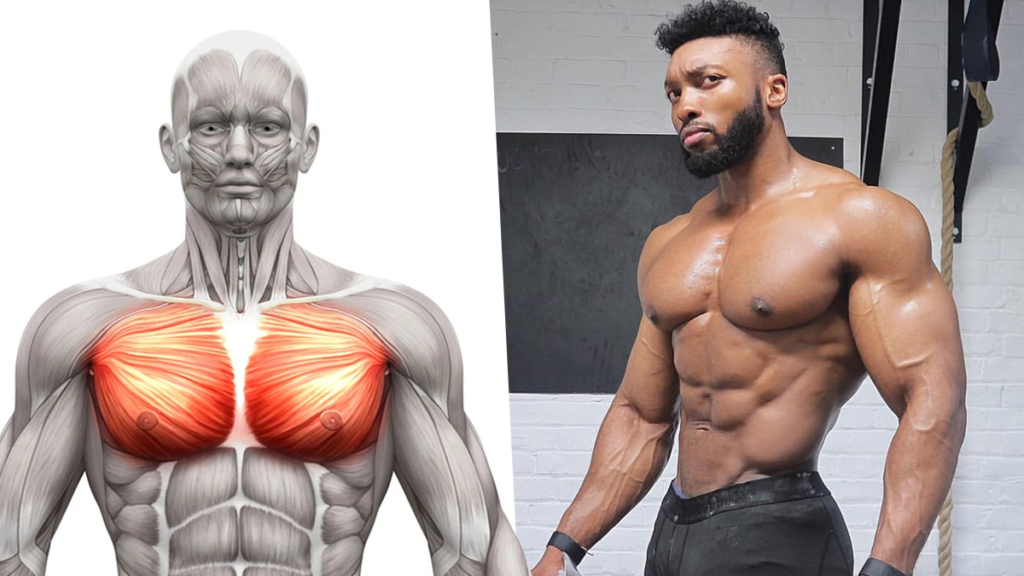
Neglecting the upper chest can lead to muscle imbalances, potentially increasing the risk of injuries. A balanced development of the chest muscles, including the upper chest, helps stabilize the shoulder joints and maintain proper posture. This, in turn, reduces the likelihood of injuries, particularly in the shoulders and upper back, as the upper chest muscles play a crucial role in shoulder girdle stability.
Shirt-Filling Effect
For many fitness enthusiasts, the “shirt-filling effect” is a sought-after outcome of upper chest development. A robust upper chest provides a fullness to the upper portion of the chest, creating a visually appealing look even when clothed. This effect not only boosts confidence but also showcases the dedication and hard work put into sculpting a strong and great-looking upper chest.
In conclusion, understanding the importance of upper chest development goes beyond mere aesthetics. It’s about creating a well-rounded physique, improving functional fitness, preventing injuries, and enjoying the satisfaction of a visually impressive upper body. Incorporating targeted exercises into your training routine to address the upper chest will undoubtedly contribute to a more complete and powerful physique.
Targeted Training: The Science Behind Building a Strong Upper Chest
Achieving a robust and well-defined upper chest requires more than random exercises thrown into your workout routine. To truly unlock the potential of your upper chest muscles, it’s crucial to delve into the science behind targeted training. Understanding the anatomy and biomechanics of the upper chest will guide you in selecting the most effective exercises and optimizing your training program for maximum gains.
Anatomy of the Upper Chest
The chest muscles, or pectoralis major, consist of two main portions: the sternal head (lower chest) and the clavicular head (upper chest).
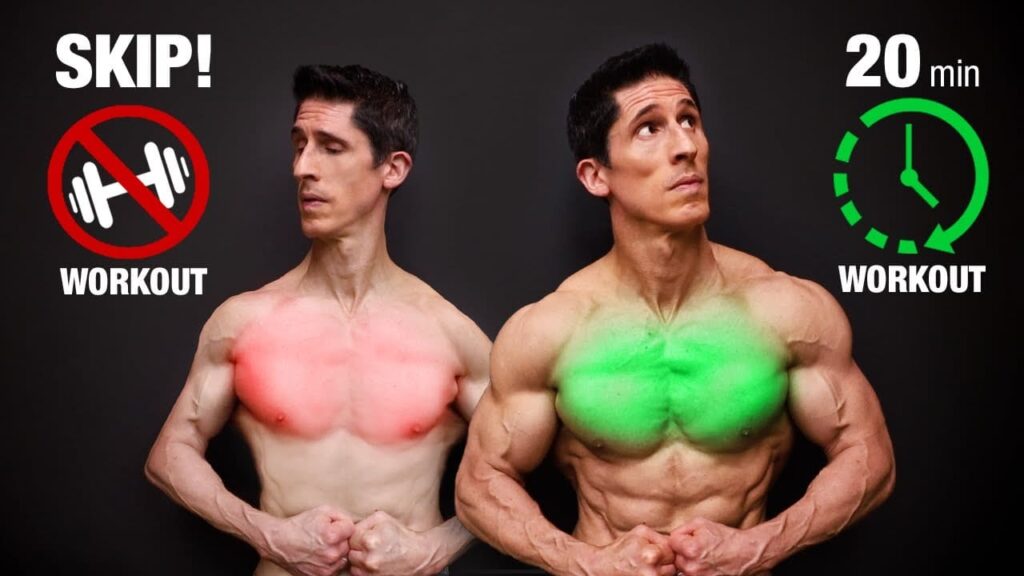
When focusing on upper chest development, it’s the clavicular head that demands attention. This portion originates from the clavicle and inserts into the upper sternum. Activating and stimulating this region is essential for achieving a well-balanced and sculpted upper chest.
Biomechanics and Exercise Selection
To effectively target the upper chest, exercises that involve shoulder flexion and emphasize the clavicular head of the pectoralis major are paramount.
These movements create a greater stretch on the upper chest fibers, promoting muscle engagement and growth. Notably, incline movements, where the bench is set at an angle, are particularly effective in isolating the upper chest.
1. Bench Press Mastery: The Ultimate Upper Chest Builder
The bench press stands as an iconic exercise in the realm of strength training, and when it comes to developing a powerful and sculpted upper chest, it takes center stage as the ultimate builder.
Bench press mastery involves more than simply hoisting weights; it’s about understanding the nuances of form, leveraging variations, and harnessing the science behind this classic movement to unlock the full potential of your upper chest.
The Anatomy of Bench Press for Upper Chest
Clavicular Head Emphasis: The bench press, when performed with an incline, places a greater emphasis on the clavicular head of the pectoralis major. This targeted activation is key to developing the upper chest and achieving a well-balanced physique.
Stability and Control: Bench press, especially with a barbell, requires stability and control throughout the movement. This not only engages the upper chest but also recruits stabilizing muscles in the shoulders, triceps, and upper back, fostering overall upper body strength.
Perfecting Bench Press Form
Set the Incline: Adjust the bench to a moderate incline, typically between 15 to 30 degrees. This angle optimally targets the upper chest while minimizing stress on the shoulders.
Grip Width: A slightly wider grip than a standard bench press can enhance upper chest activation. Experiment with grip widths to find what feels comfortable while still emphasizing the clavicular fibers.
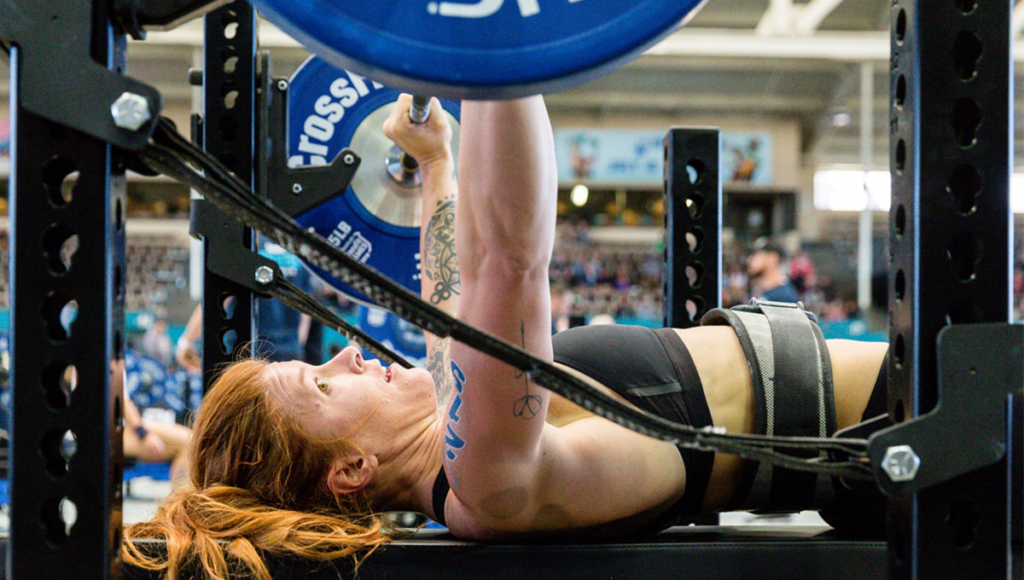
Full Range of Motion: Ensure a full range of motion by lowering the barbell to the upper chest, allowing a stretch in the upper pecs. This maximizes muscle engagement and stimulates growth.
Variations for Versatility
Barbell Incline Bench Press: The classic choice for building upper chest strength, the barbell incline bench press allows for heavy loading and progressive overload. It’s a staple in any comprehensive upper chest workout routine.
Incline Dumbbell Bench Press: Dumbbells offer a greater range of motion, allowing each side of the chest to work independently. This promotes balance and symmetry, addressing any potential muscle imbalances.
Reverse Grip Bench Press: This variation involves a supinated grip, placing more emphasis on the upper chest. It can be a valuable addition to your routine to target the clavicular fibers from a different angle.
Progressive Overload and Bench Press
Incremental Weight Increases: As with any strength training exercise, the key to bench press mastery lies in progressive overload. Gradually increase the weight to challenge your upper chest muscles and stimulate growth.
Periodization: Incorporate periodization by alternating between phases of higher and lower rep ranges. This strategy prevents plateaus and ensures continual adaptation.
Bench press mastery is an essential component of any upper chest development strategy. By understanding the anatomy involved, perfecting your form, incorporating variations, and embracing the principles of progressive overload, you can leverage this timeless exercise to sculpt a powerful and well-defined upper chest. Remember, consistency and dedication are the keys to unlocking the full potential of the bench press for upper chest gains.
2. Incline Dumbbell Press: Unlocking the Potential for Aesthetic Upper Chest Gains
In the pursuit of a sculpted and well-defined upper chest, the incline dumbbell press emerges as a powerhouse exercise, offering unique advantages for aesthetic gains.
This compound movement not only targets the clavicular head of the pectoralis major but also provides an increased range of motion and unilateral engagement, making it a key player in the quest for a balanced and aesthetically pleasing upper chest.
Anatomy of Incline Dumbbell Press for Upper Chest
Clavicular Head Activation: Similar to the incline bench press, the incline dumbbell press places a significant emphasis on the clavicular head of the pectoralis major. This targeted activation is essential for achieving that sought-after aesthetic appeal in the upper chest.
Unilateral Movement: Dumbbell presses offer the advantage of unilateral movement, allowing each side of the chest to work independently. This addresses any muscle imbalances, promoting symmetry and overall upper body proportion.
Perfecting Incline Dumbbell Press Technique
Bench Angle: Set the bench at a moderate incline, typically between 15 to 30 degrees. This angle optimizes upper chest engagement while maintaining shoulder comfort.
Neutral Grip: Start with a neutral grip (palms facing each other) to reduce stress on the shoulders. Experiment with grip width to find the position that feels most comfortable and effective for your upper chest.
Full Range of Motion: Lower the dumbbells until your elbows are slightly below the level of the bench, allowing a deep stretch in the upper chest. Push through a controlled and complete range of motion to maximize muscle activation.
Advantages of Incline Dumbbell Press
Increased Range of Motion: Dumbbells provide a greater range of motion compared to barbells. This extended movement allows for a more profound stretch in the upper chest muscles, enhancing muscle fiber recruitment and promoting growth.
Unilateral Balance: Addressing muscle imbalances is crucial for achieving aesthetic upper chest gains. The unilateral nature of the dumbbell press ensures that each side of the chest works independently, helping to correct any disparities in strength or size.
Stabilizer Activation: Balancing two individual weights requires increased stabilizer muscle engagement. This not only strengthens the primary muscle groups but also enhances overall stability in the shoulder girdle.
Incorporating Incline Dumbbell Press into Your Routine
Variation in Rep Ranges: Include a variety of rep ranges in your training program to stimulate both strength and hypertrophy. Lower rep ranges with heavier weights build strength, while higher rep ranges contribute to muscle size and endurance.
Progressive Overload: Gradually increase the weight lifted over time to ensure progressive overload, a fundamental principle for muscle growth. Keep challenging your upper chest with heavier dumbbells as your strength improves.
In conclusion, the incline dumbbell press is a versatile and effective exercise for unlocking the potential for aesthetic upper chest gains.
By understanding the unique advantages it offers, perfecting your technique, and incorporating it strategically into your training routine, you can sculpt a well-defined and visually appealing upper chest. Consistency and dedication to proper form are the keys to unlocking the full potential of the incline dumbbell press in your upper chest development journey.
3. Cable Crossover Perfection: Sculpting a Great Looking Upper Chest
When it comes to sculpting a great-looking upper chest, cable crossovers emerge as a versatile and effective tool in your arsenal.
This isolation exercise not only targets the clavicular head of the pectoralis major but also provides constant tension throughout the range of motion, making it an invaluable addition to your upper chest development routine. Let’s delve into the details of cable crossover perfection and how it can contribute to the aesthetic enhancement of your upper chest.
Anatomy of Cable Crossover for Upper Chest
Targeting the Clavicular Head: Cable crossovers, especially when set at an incline, place a focused emphasis on the clavicular head of the pectoralis major. This targeted activation is crucial for achieving that sculpted and aesthetically pleasing upper chest.
Constant Tension: Unlike free-weight exercises, cable crossovers provide constant tension on the muscle throughout the entire range of motion. This continuous tension enhances muscle fiber recruitment and promotes a more effective workout for the upper chest.
Perfecting Cable Crossover Technique
Adjustable Pulley System: Set the cable crossover machine with the pulleys at an adjustable height. For upper chest targeting, positioning them slightly above shoulder height is ideal.
Stance and Posture: Maintain a stable stance with a slight bend in your knees. Ensure a neutral spine, engaging your core for stability. Keep the shoulders down and back to optimize upper chest activation.
Crossing Over at an Incline: Perform the crossover motion at a slight incline by bringing your hands downward and inward across your body. This angle enhances the stretch on the upper chest, promoting optimal muscle engagement.
Advantages of Cable Crossover for Upper Chest
Isolation and Focus: Cable crossovers allow for precise isolation of the upper chest. This focused engagement is particularly beneficial for individuals looking to enhance the definition and aesthetics of this specific muscle group.
Variability in Angles: The adjustable pulley system provides the flexibility to target the upper chest from various angles. Experimenting with different angles ensures a well-rounded development of the clavicular fibers.
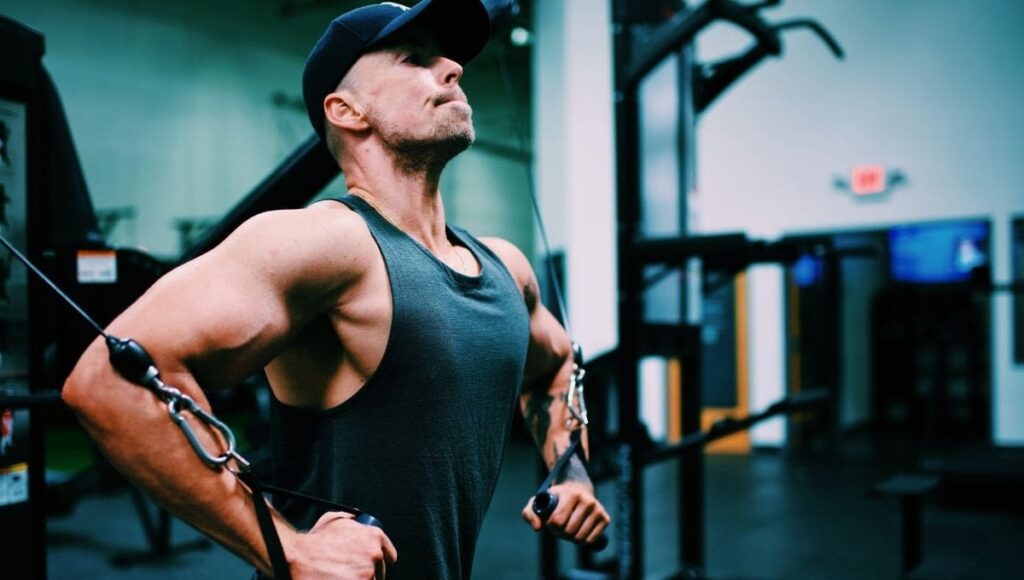
Mind-Muscle Connection: The continuous tension from the cables fosters a strong mind-muscle connection. This heightened awareness of muscle engagement contributes to more effective and targeted upper chest contractions.
Incorporating Cable Crossovers into Your Routine
Pre-Fatigue or Finisher: Consider using cable crossovers as a pre-fatigue exercise at the beginning of your workout to ensure maximum upper chest engagement during subsequent compound movements. Alternatively, use them as a finisher to exhaust the muscles and induce metabolic stress.
Lighter Weights, Higher Reps: Cable crossovers are effective with lighter weights and higher rep ranges. This approach enhances muscle endurance and ensures thorough fatigue of the upper chest.
Cable crossover perfection is about understanding the unique advantages this exercise offers for sculpting a great-looking upper chest.
By mastering the technique, experimenting with angles, and incorporating cable crossovers strategically into your routine, you can elevate your upper chest development to new heights. Consistency and precision in execution are key to unlocking the full sculpting potential of cable crossovers in your quest for a visually impressive upper chest.
Title: Common Mistakes to Avoid in Upper Chest Training
Building a strong and well-defined upper chest requires strategic planning and precision in your training routine.
Unfortunately, certain common mistakes can hinder progress, limit gains, and even lead to injuries. To ensure you’re maximizing the effectiveness of your upper chest workouts, it’s essential to be aware of and avoid these pitfalls.
Neglecting Proper Warm-Up
Mistake: Skipping or insufficiently performing warm-up exercises before diving into upper chest training.
Solution: Begin each upper chest workout with a thorough warm-up. Engage in dynamic stretches, shoulder mobility exercises, and light sets of the primary movements to prepare your muscles and joints for the upcoming demands.
Poor Exercise Form
Mistake: Sacrificing proper form for heavier weights, leading to inefficient muscle activation and increased risk of injury.
Solution: Prioritize form over lifting heavy weights. Ensure a controlled range of motion, proper bench or cable crossover technique, and maintain good posture throughout each repetition. Quality always surpasses quantity when it comes to upper chest training.
Ignoring Full Range of Motion
Mistake: Not utilizing the full range of motion during exercises, limiting muscle engagement and potential growth.
Solution: Focus on a complete range of motion for each repetition. Whether it’s bench press, incline press, or cable crossovers, allow the muscle to stretch fully and contract completely to optimize upper chest activation.
Overlooking Mind-Muscle Connection
Mistake: Going through the motions without establishing a strong mind-muscle connection, leading to suboptimal muscle engagement.
Solution: Concentrate on the muscle being worked and visualize each contraction. This mindful approach enhances the effectiveness of every repetition, ensuring maximum stimulation of the upper chest muscles.
Lack of Exercise Variation
Mistake: Sticking to a monotonous routine without incorporating a variety of exercises to target the upper chest from different angles.
Solution: Introduce diverse movements, such as incline bench press, incline dumbbell press, and cable crossovers, into your training program. This prevents muscle adaptation and ensures well-rounded upper chest development.
Inadequate Progressive Overload
Mistake: Failing to progressively increase the intensity of your workouts over time, hindering muscle growth.
Solution: Implement a systematic approach to progressive overload. Gradually increase weights, add extra sets or reps, and periodically adjust your training variables to challenge your upper chest and stimulate continued development.
Excessive Ego Lifting
Mistake: Allowing ego to dictate lifting weights beyond your capacity, compromising form and increasing the risk of injury.
Solution: Choose weights that allow you to maintain proper form and execute each repetition with control. Listen to your body, and prioritize longevity and sustainability in your upper chest training journey.
Skipping Recovery and Rest
Mistake: Neglecting the importance of recovery and rest days, hindering muscle repair and growth.
Solution: Allow adequate time for recovery between intense upper chest workouts. Incorporate rest days, prioritize sleep, and consider active recovery methods to optimize the muscle-building process.
Disregarding Nutrition
Mistake: Underestimating the role of nutrition in muscle development and recovery.
Solution: Ensure you’re consuming a well-balanced diet rich in protein, carbohydrates, and healthy fats. Proper nutrition supports muscle repair, aids recovery, and fuels your workouts.
Ignoring Signs of Overtraining
Mistake: Pushing through fatigue and ignoring signs of overtraining, which can lead to burnout and increased injury risk.
Solution: Pay attention to your body’s signals. If you experience persistent fatigue, lack of progress, or increased susceptibility to injuries, consider incorporating rest days or reducing training volume to allow for proper recovery.
In conclusion, avoiding these common mistakes in upper chest training is crucial for achieving optimal results and minimizing the risk of setbacks. By prioritizing proper form, embracing exercise variation, and implementing smart training practices, you can sculpt a powerful and aesthetically pleasing upper chest while promoting long-term muscle health and well-being.
Conclusion
In the pursuit of a strong and great-looking upper chest, it’s essential to navigate the training landscape with precision and awareness. By steering clear of common mistakes and embracing proven strategies, you can unlock the full potential of your upper chest development journey.
Remember, the foundation lies in understanding the anatomy and biomechanics of the upper chest, selecting exercises that target the clavicular head, and mastering the science of progressive overload. Bench press mastery, incline dumbbell presses, and cable crossovers each play a vital role in sculpting a well-defined upper chest.
However, the path to upper chest perfection isn’t just about the exercises themselves—it’s about perfecting your form, maintaining a mind-muscle connection, and prioritizing a full range of motion. The key lies in quality over quantity, ensuring that each repetition contributes to the targeted activation of the upper chest muscles.
Variability in your training routine is equally important. Incorporate a diverse set of exercises, angles, and rep ranges to keep your muscles guessing and prevent adaptation. A balanced, well-rounded approach ensures that every facet of your upper chest receives the attention it deserves.
As you embark on your upper chest training journey, be mindful of the importance of recovery, nutrition, and listening to your body. Adequate rest, proper fuel, and recognizing signs of overtraining contribute to sustained progress and long-term success.
In conclusion, sculpting a strong and great-looking upper chest is not a sprint but a well-paced, strategic journey. By avoiding common mistakes, embracing smart training practices, and staying committed to your goals, you’re not only building a visually impressive physique but also fostering overall strength, functionality, and well-being.
Stay consistent, stay focused, and witness the transformative power of targeted upper chest training unfold.
Learn More
5 Reasons Why Walking for 30 Minutes Every Day will Help You Live a Longer Life
13 Easy to Cook Meals for Burning Your Visceral Fat Quicker (GET LEAN FAST)
8 Reasons Why Meal Prepping is Your Golden Ticket to a Flatter Stomach in 2024
Perfect 5 Minutes Posture Routine
How to Hack Muscle Growth in 2024
How to Get Stronger and Better Looking Glutes
The Perfect Biceps Workout for Muscle Mass and Great Looking Arms