A nutritious breakfast can make a measurable difference in how well you think, move and feel throughout the day. The first meal you eat influences your blood glucose stability, cognitive function, mood regulation and physical performance.
Research consistently shows that breakfasts rich in protein, fiber and slow-release carbohydrates help sustain energy and sharpen focus across the morning by supporting steady glucose availability and neurotransmitter production.
This article breaks down three fast, science-backed breakfast options that improve morning energy and mental clarity. Each one can be prepared in minutes, offers balanced macros and is grounded in published research on nutrition, metabolism and cognitive performance.
Why Breakfast Quality Matters
How Breakfast Affects Cognitive Function
Eating breakfast supports working memory, attention and information processing speed. Multiple studies have shown that skipping breakfast can impair short-term memory and reduce attentional performance due to reduced glucose availability for the brain, which relies heavily on glucose as its primary fuel source. In controlled trials, participants who consumed breakfast displayed better cognitive outcomes in tasks involving memory recall, sustained attention and problem solving compared with those who fasted.

The Role of Macronutrients in Morning Performance
Different macronutrients influence energy and focus in distinct ways:
• Protein supports satiety, helps regulate blood glucose and contributes to neurotransmitter synthesis, including dopamine, which plays a central role in motivation and focus. Studies demonstrate that protein-rich breakfasts help reduce post-meal glucose spikes and improve appetite control throughout the day.
• Fiber-rich carbohydrates provide a slow, steady release of glucose, supporting stable energy levels and preventing mid-morning crashes. Research shows that low-glycemic breakfasts improve sustained attention and mood as the morning progresses.
• Healthy fats support nutrient absorption and stabilize digestion. Some studies show that omega-3 fats may benefit cognitive health by supporting neuronal membrane function and reducing inflammation.
The following breakfast ideas combine these macronutrient principles with whole-food ingredients that are easy to prepare and scientifically aligned with improved morning performance.
Breakfast Idea #1: High-Protein Greek Yogurt Bowl with Berries and Nuts
A Greek yogurt bowl is fast, customizable and rich in nutrients associated with cognitive and physical performance. It takes less than five minutes to assemble and requires no cooking.
Why This Breakfast Works
Greek yogurt offers a concentrated source of high-quality protein. Several studies highlight that protein-rich breakfasts help regulate glucose, enhance satiety and may improve cognitive function by providing steady energy to the brain. The high protein content also supports muscle protein synthesis, which is beneficial for morning workouts or physically demanding days.

Berries provide polyphenols—particularly anthocyanins—which have been linked to improved memory, neuroprotection and enhanced blood flow to the brain. Research shows that consuming berries can improve cognitive performance, especially in tasks involving executive function and attention.
Nuts like almonds or walnuts add healthy fats, fiber and micronutrients such as magnesium. Magnesium plays a role in energy metabolism and supports stress regulation, while nuts as a whole have been associated with improved cognitive health and cardiovascular function.
Nutrition Breakdown
A typical yogurt bowl includes:
• 1 cup Greek yogurt (protein-rich, slow-digesting)
• ½ cup mixed berries (antioxidants and fiber)
• 1–2 tablespoons nuts or seeds (healthy fats and minerals)
This combination delivers a balance of protein, complex carbohydrates and fats, reducing blood sugar volatility and supporting stable energy.
The Science in Action
Studies indicate that breakfasts combining protein and low-glycemic carbohydrates improve cognitive flexibility and working memory. Berries have demonstrated short-term cognitive benefits in both adults and children, particularly in tasks involving attention and executive function.
How to Prepare It Fast
- Scoop Greek yogurt into a bowl.
- Add fresh or frozen berries.
- Sprinkle nuts or seeds on top.
- Optional: add a dash of cinnamon, which evidence suggests may help regulate blood sugar.
Breakfast Idea #2: Fiber-Rich Oatmeal with Chia Seeds and Banana
Oatmeal is one of the most science-supported breakfasts for long-lasting energy and focus. Its slow-digesting, high-fiber structure makes it a metabolic anchor for the morning.
Why This Breakfast Works
Oats are a natural source of beta-glucan, a soluble fiber shown to improve glucose control and promote satiety. This supports stable energy levels and prevents cognitive dips caused by sharp glucose rises and falls. Research consistently demonstrates that beta-glucan improves post-meal insulin response and reduces subjective fatigue.
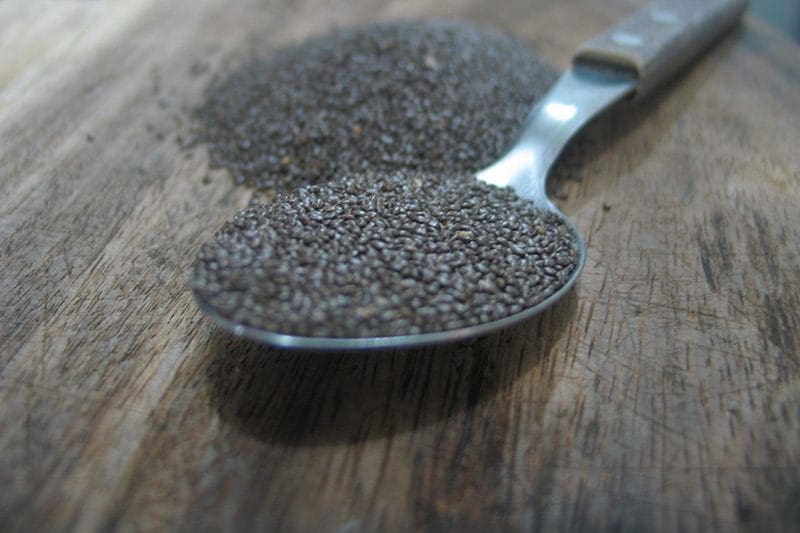
Chia seeds provide fiber, plant-based omega-3 fatty acids and minerals such as calcium and magnesium. The high fiber content slows gastric emptying, resulting in smoother blood glucose curves and more consistent mental energy.
Bananas contribute natural carbohydrates and potassium, essential for neuromuscular function. Studies show that low potassium levels can impair muscle function and energy metabolism, making bananas a helpful addition for active individuals.
Nutrition Breakdown
A typical oatmeal bowl includes:
• ½–1 cup rolled oats
• 1 tablespoon chia seeds
• 1 sliced banana
• Optional: peanut butter for extra protein and healthy fats
This meal provides complex carbohydrates, fiber, micronutrients and moderate protein.
The Science in Action
Multiple controlled studies show that low-glycemic breakfasts like oatmeal improve memory, attention and mood for several hours. Beta-glucans have also been associated with improved cardiovascular markers, supporting long-term health.
Chia seeds, with their high fiber and fat content, further stabilize glucose and promote sustained energy release.
How to Prepare It Fast
- Combine oats and water or milk in a microwave-safe bowl.
- Microwave for 1–2 minutes.
- Stir in chia seeds.
- Add banana slices and optional toppings.
The entire process takes under five minutes.
Breakfast Idea #3: Veggie and Egg Scramble Wrap
For those who want a savory breakfast with a strong protein foundation, a vegetable egg scramble wrapped in a whole-grain tortilla is an ideal choice. It offers a balanced combination of high-quality protein, micronutrients and slow-release carbohydrates.
Why This Breakfast Works
Eggs are one of the highest-quality protein sources available. They contain all essential amino acids and support neurotransmitter production, muscle repair and sustained satiety. Studies have shown that high-protein breakfasts including eggs improve appetite control and reduce blood glucose spikes.
Eggs also contain choline, a nutrient essential for brain health and acetylcholine synthesis—a neurotransmitter involved in learning and memory. Choline intake has been associated with improved cognitive processing and neurological function.
Vegetables such as spinach, peppers or tomatoes introduce antioxidants and vitamins like vitamin C, folate and beta-carotene. These micronutrients contribute to reduced oxidative stress, which is linked to improved cognitive performance and long-term brain health.
Whole-grain wraps offer fiber and complex carbohydrates, which help sustain energy across the morning.
Nutrition Breakdown
A typical wrap includes:
• 2 eggs or egg whites for reduced fat
• ½ cup mixed vegetables
• 1 whole-grain wrap
• Optional: avocado for additional fiber and monounsaturated fats
This breakfast delivers a strong balance of protein, fiber, fats and micronutrients.
The Science in Action
Studies show that higher-protein breakfasts improve satiety hormones, reduce ghrelin levels and support improved cognitive performance due to more stable glucose availability. Choline from eggs has been linked to enhanced memory and learning capacity.
Vegetable intake is associated with reduced inflammation and better cognitive aging due to the antioxidant properties of compounds like carotenoids and flavonoids.
How to Prepare It Fast
- Lightly sauté vegetables in a pan or microwave-steam them.
- Scramble eggs and cook them with the vegetables.
- Add the mixture to a whole-grain wrap.
- Roll and enjoy.
This meal can be prepared in about seven minutes, and batch-prepped vegetables make it even faster.
Additional Tips for Maximizing Morning Energy and Focus
Hydration Matters
Even mild dehydration can impair cognitive function, mood and concentration. Research shows that a fluid loss of just 1–2 percent of body mass can reduce attention and working memory. Drinking a glass of water first thing in the morning can improve mental performance and support digestion.
The Timing of Breakfast
Eating within two hours of waking helps stabilize circadian rhythms and supports metabolic regulation. Some research suggests that earlier eating windows may improve insulin sensitivity, which contributes to more stable energy levels.
Pair Breakfast with Light Movement
Morning movement increases cerebral blood flow, boosts neurotransmitter release and improves mood. Even a short walk has been shown to enhance cognitive performance and readiness for mental tasks.
Limit Ultra-Processed Options
Many packaged breakfasts are high in added sugars, refined carbohydrates and low-quality fats, which contribute to rapid spikes in blood glucose followed by energy crashes. Research links ultra-processed food consumption with impaired metabolic health, inflammation and cognitive decline over time.
Opting for whole-food options like the recipes above supports stable energy and optimized cognitive output.
Putting It All Together
These three breakfast options share several important features: high-quality protein, plenty of fiber, slow-digesting carbohydrates and supportive micronutrients. Each provides a nutritional foundation that improves focus, stabilizes energy and supports both cognitive and physical performance.
For busy mornings, having go-to meals that require only a few minutes to prepare can dramatically improve consistency and overall dietary quality. Small adjustments—such as adding berries for antioxidants or choosing whole grains over refined ones—can produce measurable improvements in energy, mood and cognitive clarity across the day.
Below is a reference list of the scientific studies included, followed by a quick takeaway table you can copy directly into WordPress.
Bibliography
• Benton, D. & Parker, P.Y.(1998) ‘Breakfast, blood glucose, and cognition’, The American Journal of Clinical Nutrition, 67(4), pp. 772S–778S.
• Pollitt, E., Cueto, S. & Jacoby, E.(1998) ‘Fasting and cognition in well- and undernourished schoolchildren: a review of three experimental studies’, The American Journal of Clinical Nutrition, 67(4), pp. 779S–784S.
• Jakubowicz, D., Froy, O., Wainstein, J. & Boaz, M.(2012) ‘High caloric intake at breakfast vs. dinner differentially influences weight loss of overweight and obese women’, Obesity, 20(12), pp. 2502–2509.
• Dye, L. & Blundell, J.(2002) ‘Functional foods: psychological and behavioural functions’, British Journal of Nutrition, 88(S2), pp. S187–S211.