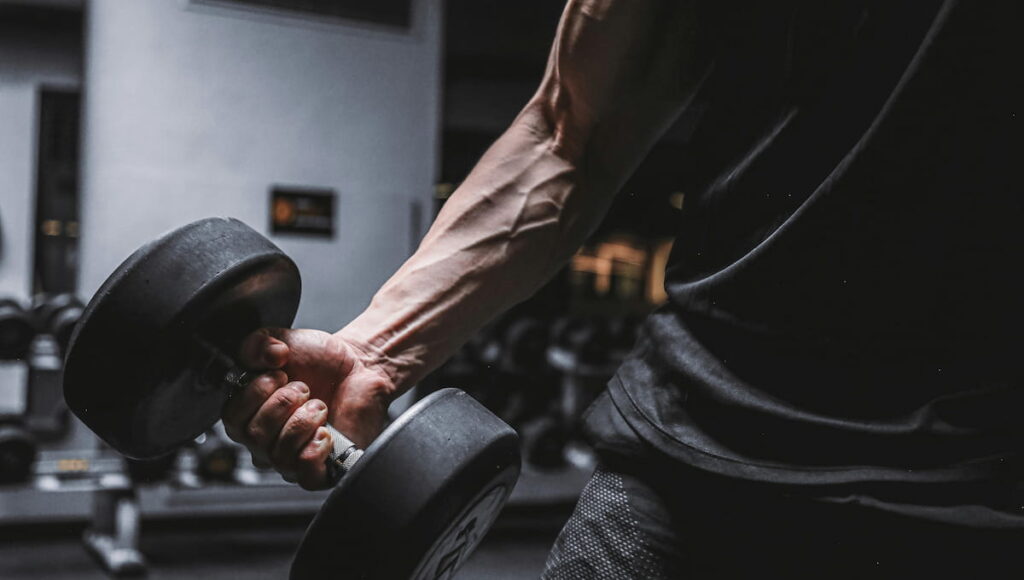
The trapezius muscle, often referred to as the “traps,” is a significant player in the vast arena of our muscular anatomy, wielding influence over the overall silhouette of the upper body and the health of our shoulders.
Stretching from the base of the skull down the spine and across to the shoulder blades, the traps are not just a single muscle but a complex group that orchestrates a variety of movements and supports numerous functions.
At first glance, well-developed traps contribute to an imposing physique, crafting an aura of strength and robustness.
But beyond aesthetics, the trapezius muscle plays a pivotal role in the mechanics of our body. It assists in the movement and stabilization of the shoulders and neck, facilitating actions from lifting and pulling to the subtle adjustments required for posture and balance.
For athletes and fitness enthusiasts alike, strong traps are essential not just for enhancing performance but also for reducing the risk of injuries in activities that demand shoulder mobility and stability.
Recognizing the importance of this muscle group, our focus shifts towards the most efficient and effective ways to develop it. The exercises we’ll explore are not time-consuming marathons; instead, they are quick, potent workouts designed to fit into any schedule, accommodating various fitness levels.
Whether you’re a seasoned athlete looking to refine your performance, or someone stepping into the world of fitness, these exercises promise to enhance the strength and appearance of your traps, contributing to a healthier shoulder complex and a more impressive upper body silhouette. Through careful selection and emphasis on form, we aim to provide a routine that not only achieves results but does so in a manner that respects the busy lives we lead.
Understanding the Trapezius Muscle
The trapezius muscle, with its trapezoidal shape, is a broad band of fibers that spans the upper back, neck, and shoulders. It is divided into three main regions: upper, middle, and lower, each playing a unique role in the body’s movement and stability.
Upper Trapezius: This region extends from the neck to the shoulder. It’s responsible for elevating the shoulder blade (as in shrugging your shoulders) and helps in tilting and turning the head and neck.
Middle Trapezius: Found in the mid-back area, this section assists in retracting the scapulae, which is the motion of pulling your shoulder blades together.
Lower Trapezius: Extending down towards the lower back, this area aids in the depression of the scapulae, pulling the shoulder blades downward.
Functional Aspects of the Traps
The trapezius muscle is a linchpin in various bodily functions, beyond what its size might suggest. It plays a critical role in:
- Posture: The traps are integral to maintaining good posture. They support the neck and spine, and a strong trapezius helps prevent the forward-head posture that often comes with desk jobs.
- Movement: From lifting your arms above your head to throwing a ball, the traps are involved in a myriad of movements. They ensure smooth motion and stability of the shoulder blades, which is crucial for the arms’ range of motion.
- Stabilization: The trapezius muscles stabilize the scapulae (shoulder blades), providing a strong foundation for the shoulder joints. This stabilization is vital for carrying loads and performing upper body movements with power and efficiency.
Importance of Balanced Trap Development
Developing a balanced trapezius muscle is crucial not just for achieving a symmetrical and aesthetically pleasing upper body but also for functional strength and injury prevention. Imbalances in the traps can lead to posture issues, neck and shoulder pain, and a higher risk of injuries due to compromised stability and mobility in the shoulder area.
A balanced approach to training the trapezius involves exercises that target all three regions, ensuring that each part is strengthened and developed in harmony with the others. This holistic approach not only enhances the muscle’s appearance but also its functionality, supporting healthy posture, efficient movement, and reducing the likelihood of injury.
Through a combination of specific exercises tailored to address the upper, middle, and lower traps, individuals can achieve a strong, well-defined trapezius muscle that serves both their aesthetic goals and the functional demands of daily life and athletic performance.
Warm-Up for Trap Exercises
Before diving into any targeted exercise regimen, especially one aimed at enhancing the trapezius muscle, initiating your workout with a proper warm-up is crucial.
This preliminary step isn’t just a formality; it’s a foundation for preventing injuries and elevating your performance levels.
Read More: What is Caloric Deficit and How Much Is It Safe?
Warm-up activities increase blood flow to the muscles, gently prepare your body for the upcoming exertion, and significantly reduce the risk of strains or sprains, particularly in the sensitive neck and shoulder areas where the traps reside.
Warming up serves as the bridge between rest and rigorous physical activity, ensuring that the body makes this transition smoothly. For the trapezius muscles, which are involved in a wide range of movements, a targeted warm-up can help to prevent common issues like tension headaches, neck stiffness, and shoulder injuries. Furthermore, a well-conducted warm-up improves the elasticity and flexibility of muscles, leading to enhanced performance and the ability to lift heavier weights or complete more repetitions, contributing directly to your traps’ growth and strength.
Quick Dynamic Stretches and Movements
To effectively target the neck and shoulder area, dynamic stretches and movements are preferable. These exercises mimic the movements involved in trap workouts, preparing your muscles and joints for the specific demands of your routine.
Neck Circles: Start by gently dropping your chin to your chest, then slowly roll your head to one side, back, and then to the other side in a smooth motion. This exercise loosens up the neck, directly impacting the upper region of the trapezius.

Shoulder Rolls: Lift your shoulders up towards your ears, roll them back, and then down in a fluid motion. This simple movement warms up the shoulders and upper traps, preparing them for more intense activities.
Arm Circles: Extend your arms out to the sides and make small to large circles, first in a forward direction, then reversing. This not only warms up the traps but also engages the rotator cuff muscles, enhancing shoulder mobility.
Band Pull-Aparts: Holding a resistance band with both hands in front of you, keep your arms straight and pull the band apart by moving your hands to the sides. This activates the middle and lower traps along with the entire shoulder girdle.
Incorporating Warm-Ups Efficiently
To integrate these warm-ups into your workout routine efficiently, consider the following tips:
Time Management: Allocate a specific, limited amount of time for warm-ups, ensuring they’re effective without overly extending your workout duration. A 5-10 minute warm-up is typically sufficient.
Consistency: Make warm-ups a non-negotiable part of your routine, treating them with the same importance as the main workout. This consistency helps in maintaining flexibility and reducing injury risk over time.
Progression: Start with very gentle stretches and movements, gradually increasing the intensity as your body starts to feel warmer. This progression prevents shocking the muscles and joints, leading to a more effective warm-up.
Specificity: Tailor your warm-up to the workout ahead. Since the focus is on the traps, ensure the warm-up effectively targets the neck and shoulders, preparing these areas for the exercises to follow.
Incorporating these dynamic stretches and movements into your workout routine not only primes your traps for the exercises ahead but also sets a strong foundation for a successful and injury-free training session.
Exercise 1 – Dumbbell Shrugs
Dumbbell shrugs are a quintessential exercise for targeting the trapezius muscles, particularly the upper region.
This movement is straightforward yet highly effective, focusing on the elevation of the shoulders to engage and strengthen the traps. Proper form and technique are crucial to maximize the benefits of dumbbell shrugs and minimize the risk of injury.
- Starting Position: Begin by standing upright with your feet shoulder-width apart. Hold a dumbbell in each hand with your arms hanging by your sides. Ensure your palms are facing inwards towards your body, and your spine is neutral.
- Execution: Exhale as you elevate your shoulders as high as possible, essentially “shrugging” them towards your ears. Keep your arms straight throughout the movement; the motion should come solely from your shoulders. Pause at the top of the shrug for a brief moment to ensure maximum contraction of the traps.
- Lowering Phase: Inhale as you slowly lower your shoulders back to the starting position. It’s crucial to control this phase to fully engage the trapezius muscles throughout the entire range of motion.
- Repetition: Continue for the recommended number of repetitions, maintaining a focus on form and the controlled movement of the shoulders.
Tips for Effective Engagement
Mind-Muscle Connection: Concentrate on squeezing your traps at the top of the movement. This focus enhances the engagement of the trapezius muscles, leading to more effective workouts.
Avoid Rolling: Do not roll your shoulders forward or backward as you shrug. This common mistake can lead to shoulder and neck strain. The movement should be a vertical lift, straight up and down.
Gradual Increase in Weight: Start with lighter weights to perfect your form, then gradually increase the weight as you become more comfortable with the exercise. This progression principle ensures continuous improvement and reduces the risk of injury.
Variations to Increase Intensity
Pause Reps: At the top of the shrug, hold the position for 2-3 seconds before lowering. This pause increases time under tension, a key factor for muscle growth.
Drop Sets: After completing your set with a heavier weight, immediately switch to a lighter weight and continue for additional reps until failure.
Recommended Sets, Reps, and Rest Periods
- Beginners: 3 sets of 10-12 reps with a 60-second rest between sets. Focus on mastering the form with a manageable weight.
- Intermediate: 3-4 sets of 8-12 reps with 45 to 60 seconds rest between sets. Increase the weight to challenge your muscles while maintaining proper form.
- Advanced: 4-5 sets of 6-10 reps with 30 to 45 seconds rest between sets. Incorporate intensity techniques like pause reps or drop sets to push the traps to their limit.
Dumbbell shrugs are a powerful exercise for developing the traps, providing a foundation for a stronger, more resilient upper body. By emphasizing proper form, engaging the muscles effectively, and progressively increasing the challenge, you can achieve significant growth and strength in your trapezius muscles.
Exercise 2 – Face Pulls
Face pulls are an invaluable exercise for targeting the trapezius, particularly focusing on the middle and lower regions, as well as engaging the rear deltoids and rhomboids.
This exercise is not just about building muscle; it plays a crucial role in improving shoulder health and posture by balancing the muscular development around the shoulder girdle.
Face pulls are versatile, allowing for use with a resistance band or a cable machine, making them accessible regardless of your training environment.
Face Pulls
Face pulls primarily work the middle and lower traps, which are critical for retracting and stabilizing the scapula. By strengthening these areas, you can enhance your posture and reduce the risk of shoulder injuries. The exercise also recruits secondary muscles such as the rear deltoids, contributing to a well-rounded shoulder workout.
Step-by-Step Guide
Using a Resistance Band:
Setup: Anchor the resistance band at a height around your face or slightly higher. Grab each end of the band with your hands, palms facing each other. Take a few steps back to create tension in the band.
Starting Position: Stand with your feet shoulder-width apart, knees slightly bent. Begin with your arms extended forward at eye level, holding the band with tension.
Execution: Pull the band towards your face, separating your hands as you draw closer. Focus on moving your hands back by retracting your shoulder blades and bending your elbows in a wide arc. Your hands should end up on either side of your head, with your elbows pointing out to the sides.
Finish: Pause at the end of the movement, emphasizing the contraction in your traps and rear deltoids. Slowly return to the starting position with control.
Using a Cable Machine:
- Setup: Attach a rope handle to the pulley on the cable machine, adjusting it to upper chest height. Grasp each end of the rope with your hands, palms facing in.
- Starting Position: Stand a few steps back from the machine to start with the rope at eye level and tension in the cable. Adopt a stable stance with your feet shoulder-width apart.
- Execution: Similar to the resistance band method, pull the rope towards your face, flaring your elbows out to the sides. Ensure that you retract your shoulder blades and focus on the traps and rear deltoids.
- Finish: Hold the peak contraction briefly before returning to the starting position with control.
Suggestions on Volume and Intensity
Beginners: Start with lighter resistance to focus on mastering the form. Perform 3 sets of 12-15 reps, ensuring each rep is executed with control and proper technique.
Intermediate: As you become comfortable with the form, increase the resistance slightly. Aim for 3-4 sets of 10-12 reps, focusing on maintaining the quality of each rep and the contraction at the peak of the movement.
Advanced: Increase the resistance further to challenge your muscles. Implement 4-5 sets of 8-10 reps, considering adding pauses at the peak contraction for a more intense workout. Advanced trainees can also experiment with drop sets or supersets with other shoulder exercises to increase the intensity.
Face pulls are an essential exercise for anyone looking to strengthen their traps and improve their upper body posture and shoulder health. By adjusting the volume and intensity according to your training level, you can ensure consistent progress and development in your trapezius muscles and overall shoulder stability.
Exercise 3 – Farmer’s Walk
The Farmer’s Walk is a potent functional exercise that transcends simple trap development, engaging multiple muscle groups and enhancing overall strength and endurance.
This exercise mimics the practical movement of carrying heavy weights over a distance, offering significant benefits not just for the trapezius muscles but for grip strength, core stability, and posture.
Its simplicity in concept belies the comprehensive workout it provides, making it a favorite among strength and conditioning coaches for its real-world applicability and effectiveness.
At its core, the Farmer’s Walk involves lifting heavy weights (dumbbells, kettlebells, or specialized farmer’s walk handles) and walking a set distance. This exercise places a constant, dynamic load on the traps, requiring them to stabilize the shoulders and upper back, thereby promoting growth and strength. Additionally, it challenges the forearms, core, and leg muscles, making it a full-body workout that improves both muscular and cardiovascular endurance.
Execution
Starting Position: Stand between the weights, spaced so that you can comfortably lift them by your sides. Keep your feet shoulder-width apart.
Lift: Bend at the hips and knees, keeping your back straight as you grasp the weights. Engage your core and look straight ahead as you lift the weights off the ground, straightening your legs.
Walking Posture: Maintain a tall posture as you walk, with your shoulders back and down, chest out, and core engaged. Avoid leaning forward or backward.
Grip: Grasp the weights firmly. The grip is a critical component of the Farmer’s Walk, as it translates the challenge to the traps and the entire upper body.
Walking: Start walking at a steady pace, keeping your steps controlled and even. Focus on maintaining balance and stability, especially as you turn.
Weight Selection:
Choose weights that are challenging but allow you to maintain proper form throughout the walk. A good starting point is weights that are 50-75% of your body weight combined (e.g., if you weigh 200 lbs, start with 100-150 lbs total).
Distance:
Beginners should aim for shorter distances (20-30 meters) to focus on form and gradually build endurance.
Intermediate and advanced individuals can increase the distance (40-60 meters or more), focusing on maintaining speed and stability.
Frequency:
Incorporate the Farmer’s Walk into your routine 1-2 times a week, allowing for adequate recovery between sessions.
Variation in distance, weight, and walking path (straight vs. turns) can keep the exercise challenging and engaging.
The Farmer’s Walk is a versatile and highly effective exercise for developing strong, resilient traps while also enhancing your overall functional strength and stability. By adhering to the guidelines on posture, grip, and technique, and adjusting the weight, distance, and frequency to match your fitness level, you can harness the full potential of this powerful exercise.
Conclusion
Throughout this exploration of exercises tailored for enhancing the trapezius muscles, we’ve uncovered the fundamental roles and benefits of dumbbell shrugs, face pulls, and the farmer’s walk.

Each exercise serves a unique purpose, from the direct stimulation of the upper traps provided by dumbbell shrugs to the comprehensive engagement of the middle and lower traps through face pulls, and finally, to the functional strength and endurance developed by the farmer’s walk.
This trio forms a solid foundation for anyone looking to achieve stronger and bigger traps, contributing to an imposing physique, improved posture, and enhanced shoulder health.
Key to reaping the benefits of these exercises is the commitment to consistency and meticulous attention to form.
Regularity in your workouts ensures progressive overload, a critical factor for muscle growth, while proper technique maximizes the effectiveness of each exercise and minimizes the risk of injury. Remember, the journey to building formidable traps is a marathon, not a sprint. Patience and persistence will serve you well.
In addition to your workout regimen, nutrition and hydration play pivotal roles in muscle development and recovery. A balanced diet rich in protein is essential for muscle repair and growth. Incorporating a variety of protein sources, alongside ample fruits, vegetables, and healthy fats, will provide the nutrients necessary for optimal performance and recovery.
Hydration, too, cannot be overstated; water supports metabolic functions, aids in nutrient transportation, and helps prevent muscle cramps. Ensure you’re drinking enough water throughout the day, especially before, during, and after workouts.
As you embark on or continue your fitness journey, let these exercises, tips, and principles guide you towards achieving the strong, well-developed traps you aspire to. The path may be challenging, but the rewards—both aesthetic and functional—are well worth the effort.
Stay focused, be patient, and embrace the process. Your traps, and indeed your entire physique, will reflect your hard work and dedication in time.