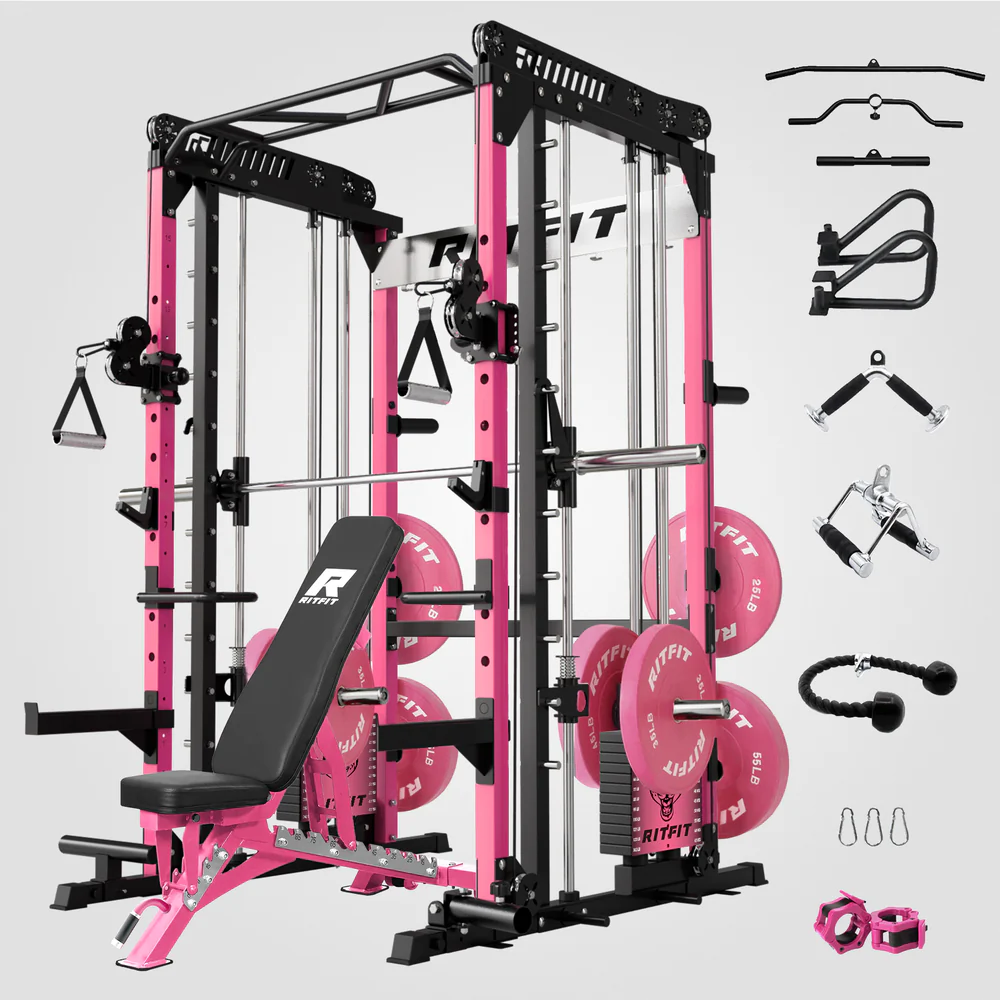
As men age, hormonal shifts, lifestyle changes, and metabolic slowdown make fat loss more challenging. Testosterone levels decline, muscle mass reduces, and insulin sensitivity decreases, leading to increased fat storage, particularly around the abdomen (Harman et al., 2001).
These changes require strategic adjustments in training, diet, and lifestyle to maintain a lean physique. Here are three science-backed strategies to accelerate belly fat loss for men over 30.
1. Prioritise Strength Training and Compound Movements
Strength training is essential for fat loss because it preserves lean muscle mass, which in turn maintains metabolic rate. Studies have shown that resistance training increases resting energy expenditure and improves body composition more effectively than cardio alone (Westcott, 2012).

Compound exercises such as squats, deadlifts, bench presses, and pull-ups engage multiple muscle groups, leading to greater calorie burn and enhanced post-exercise oxygen consumption (EPOC), meaning the body continues burning calories long after the workout ends (Paoli et al., 2012).
Optimal Strength Training Protocol for Fat Loss
- Train at least three times per week: A full-body workout focusing on major muscle groups ensures efficient calorie burning.
- Use progressive overload: Gradually increasing weights or reps ensures continued metabolic adaptation and muscle preservation.
- Incorporate high-intensity resistance training (HIRT): Short rest periods between sets boost EPOC, leading to prolonged calorie burn (Borsheim & Bahr, 2003).
2. Implement a Protein-Optimised Diet for Fat Loss
Protein intake plays a crucial role in belly fat reduction by increasing satiety, boosting thermogenesis, and preserving muscle mass during weight loss. Research has consistently shown that higher protein intake leads to greater fat loss while sparing lean tissue (Pasiakos et al., 2013).
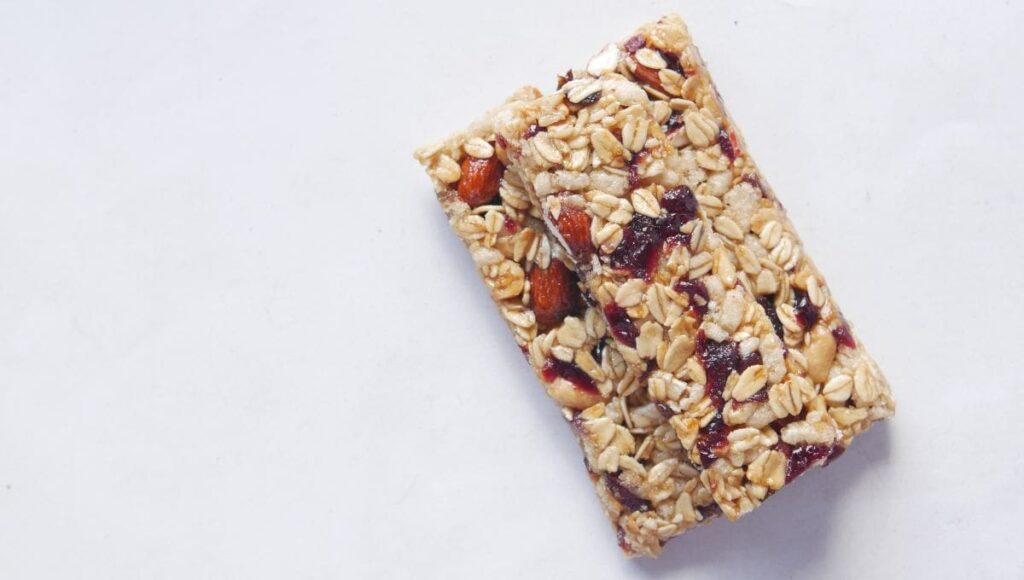
Furthermore, protein has a higher thermic effect of food (TEF) compared to carbohydrates and fats, meaning the body expends more energy digesting it (Johnston et al., 2002).
How to Optimise Protein Intake
- Consume at least 1.6-2.2g of protein per kg of body weight: This range has been shown to support muscle retention and fat loss (Morton et al., 2018).
- Prioritise lean protein sources: Chicken, fish, lean beef, eggs, and plant-based proteins like lentils and tofu provide essential amino acids.
- Spread protein intake throughout the day: Distributing protein evenly across meals enhances muscle protein synthesis and satiety (Areta et al., 2013).
3. Improve Insulin Sensitivity Through Strategic Nutrition and Fasting
Insulin resistance is a key factor in belly fat accumulation, especially in men over 30. Poor insulin sensitivity leads to increased fat storage and difficulty mobilising fat for energy (DeFronzo & Tripathy, 2009). Strategies that enhance insulin sensitivity include reducing refined carbohydrate intake, increasing fibre consumption, and incorporating intermittent fasting (IF).
Effective Methods to Enhance Insulin Sensitivity
- Minimise sugar and refined carbs: High-glycaemic foods spike insulin and promote fat storage. Opt for whole, unprocessed carbohydrates such as oats, quinoa, and vegetables (Ludwig, 2002).
- Increase fibre intake: Soluble fibre slows glucose absorption, improving insulin function and reducing visceral fat accumulation (Weickert & Pfeiffer, 2008).
- Try intermittent fasting (IF): Time-restricted eating has been shown to improve insulin sensitivity and support fat loss without significant muscle loss (Patterson & Sears, 2017). A common approach is the 16:8 method, where individuals fast for 16 hours and eat within an 8-hour window.
Key Takeaways
| Strategy | Details |
|---|---|
| Strength Training | Focus on compound movements, train at least 3x per week, and incorporate HIRT to maximise fat loss. |
| Protein-Optimised Diet | Eat 1.6-2.2g of protein per kg of body weight, prioritise lean protein sources, and distribute intake evenly. |
| Improving Insulin Sensitivity | Reduce refined carbs, increase fibre intake, and consider intermittent fasting to enhance fat mobilisation. |