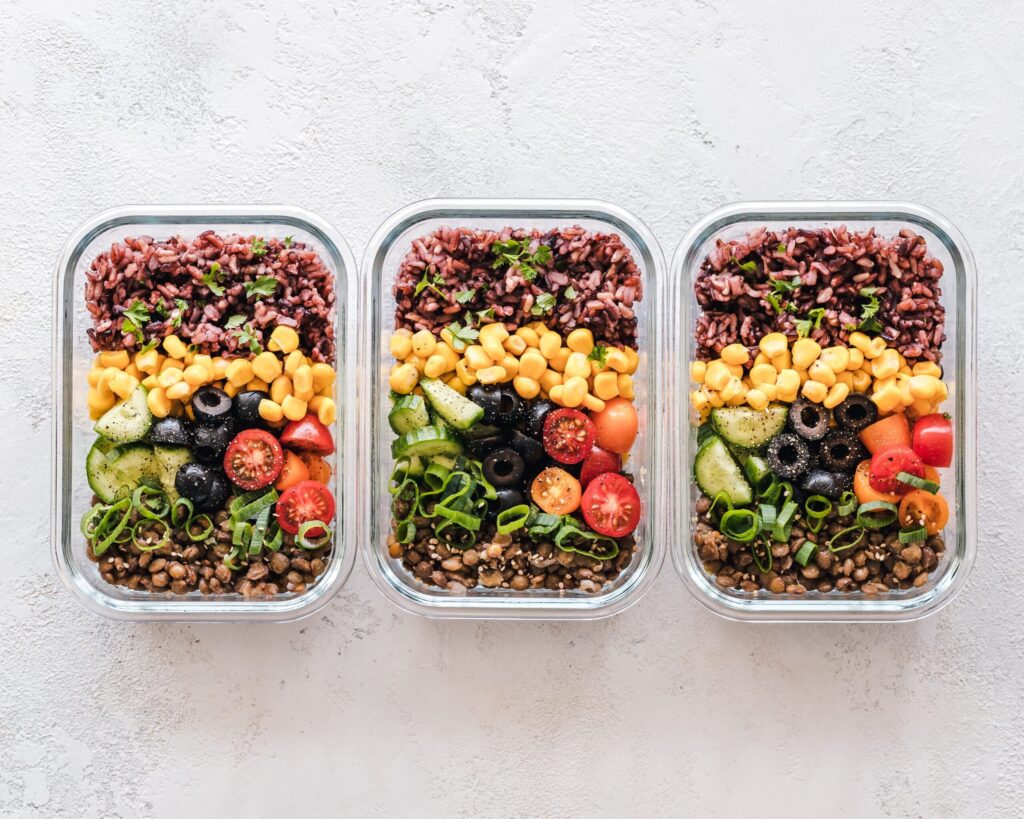
What you eat after training plays a direct role in how well your body recovers, adapts, and prepares for the next workout. Exercise places controlled stress on muscle tissue, depletes energy stores, and temporarily alters hormone and immune function. Nutrition is one of the strongest tools you have to turn that stress into positive adaptation rather than fatigue or stagnation.
Post-exercise snacks are not about chasing a narrow “anabolic window” or following gym folklore. They are about supplying the body with the nutrients it needs at the right time, in the right amounts, using foods that are easy to digest and practical for real life. Research consistently shows that post-workout nutrition can enhance muscle protein synthesis, accelerate glycogen replenishment, reduce muscle soreness, and support overall metabolic health when done correctly.
This article breaks down the science behind post-workout fueling and then delivers three fast, evidence-based snack ideas that work for most training goals. Each snack is simple, portable, and built entirely on whole or minimally processed foods.
What the Body Needs After Training
Muscle Protein Synthesis and Repair
Resistance training and high-intensity exercise stimulate muscle protein breakdown alongside muscle protein synthesis. Net muscle gain occurs only when synthesis exceeds breakdown. Consuming protein after exercise significantly increases muscle protein synthesis compared to exercising in a fasted state, particularly when high-quality, leucine-rich protein sources are used.
Research suggests that approximately 20–40 grams of high-quality protein maximally stimulates muscle protein synthesis in most adults, depending on body size, age, and training status. Leucine, an essential amino acid, acts as a key trigger for this process by activating the mTOR signaling pathway, which regulates muscle growth.
Glycogen Replenishment and Energy Recovery
Muscle glycogen is the primary fuel for moderate to high-intensity training. Prolonged or intense workouts significantly reduce glycogen stores, which can impair performance in subsequent sessions if not adequately replenished.
Carbohydrate intake after training accelerates glycogen resynthesis, especially when consumed within the first few hours post-exercise. While total daily carbohydrate intake is the most important factor, timing becomes more relevant for athletes training multiple times per day or on consecutive days.
Inflammation, Oxidative Stress, and Adaptation
Exercise-induced inflammation and oxidative stress are normal and necessary for adaptation. However, excessive or prolonged inflammation can delay recovery and increase soreness. Certain nutrients, including omega-3 fatty acids and polyphenols found in fruits, have been shown to modulate inflammatory responses without blunting training adaptations when consumed as whole foods.
Practical Considerations: Digestion and Convenience
Post-workout snacks should be easy to digest, relatively low in fiber and fat compared to full meals, and convenient enough to be consumed consistently. Liquids and semi-solid foods often work well immediately after training, especially when appetite is low.
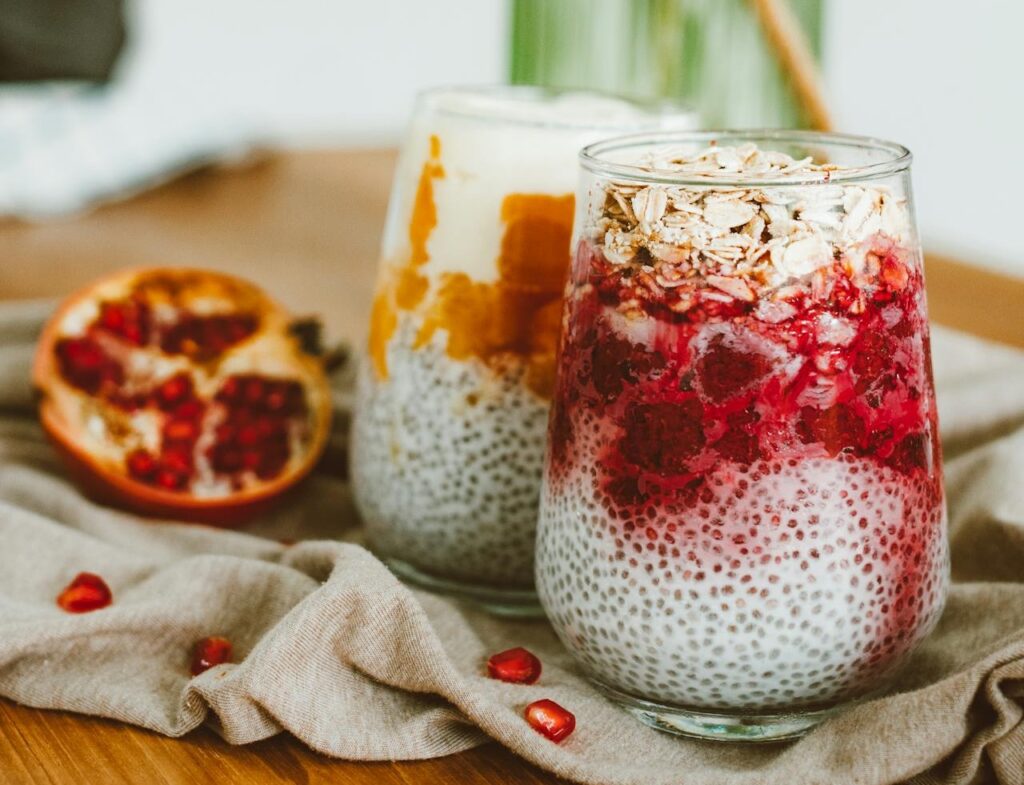
Snack 1: Greek Yogurt with Mixed Berries and Honey
Why This Snack Works
Greek yogurt combined with berries and a small amount of honey delivers a scientifically supported blend of protein, carbohydrates, and bioactive compounds. It is quick to prepare, requires no cooking, and can be eaten immediately after training.
Protein Quality and Muscle Repair
Greek yogurt is rich in high-quality dairy protein, providing both whey and casein. Whey is rapidly digested and quickly stimulates muscle protein synthesis, while casein digests more slowly, prolonging amino acid availability. This dual digestion profile supports both immediate and sustained muscle repair.
Studies show that dairy proteins are particularly effective at stimulating muscle protein synthesis after resistance exercise due to their high leucine content and digestibility.
Carbohydrates for Glycogen Restoration
Berries provide carbohydrates along with fiber and micronutrients, while honey supplies easily digestible sugars such as glucose and fructose. This combination supports glycogen replenishment without excessive gastrointestinal stress.
Research demonstrates that combining protein with carbohydrates after exercise enhances glycogen resynthesis compared to carbohydrate alone, particularly when carbohydrate intake is moderate rather than high.
Antioxidants and Recovery
Berries are rich in polyphenols, including anthocyanins, which have been shown to reduce exercise-induced oxidative stress and muscle soreness in some populations. Importantly, whole-food sources of antioxidants appear to support recovery without impairing training adaptations, unlike high-dose antioxidant supplements.
Ideal Portion Guide
A practical serving includes:
– 1 to 1.5 cups of plain Greek yogurt
– 1 cup of mixed berries
– 1 to 2 teaspoons of honey
This provides approximately 25–35 grams of protein and 30–45 grams of carbohydrates, depending on exact quantities.
Snack 2: Eggs with Whole-Grain Toast and Avocado

Why This Snack Works
Eggs with whole-grain toast and avocado offer a nutrient-dense, savory option that supports muscle repair, hormonal health, and sustained energy. This snack works especially well after strength training or longer sessions where appetite is higher.
Eggs and Muscle Protein Synthesis
Eggs contain all essential amino acids in proportions well suited for human muscle protein synthesis. Research has shown that whole eggs stimulate muscle protein synthesis more effectively than egg whites alone, despite identical protein content. This effect is likely due to additional nutrients in the yolk, including fat-soluble vitamins and phospholipids.
Carbohydrates and Training Adaptation
Whole-grain toast provides complex carbohydrates that support glycogen replenishment while also delivering B vitamins and minerals involved in energy metabolism. While simple carbohydrates replenish glycogen more rapidly, complex carbohydrates remain effective when total intake is sufficient and training frequency is moderate.
Healthy Fats and Inflammation Control
Avocado supplies monounsaturated fats and small amounts of omega-3 fatty acids, which support cardiovascular health and may help regulate post-exercise inflammation. Including moderate fat after training does not impair muscle protein synthesis when protein intake is adequate.
Micronutrient Density
This snack delivers key micronutrients involved in recovery, including:
– Choline from eggs, important for muscle contraction and nervous system function
– Potassium from avocado, supporting fluid balance and muscle function
– Magnesium from whole grains, involved in energy production
Ideal Portion Guide
A practical serving includes:
– 2 whole eggs
– 1 to 2 slices of whole-grain toast
– 1/4 to 1/2 avocado
This provides roughly 25–30 grams of protein and 30–50 grams of carbohydrates.
Snack 3: Cottage Cheese with Pineapple and Pumpkin Seeds
Why This Snack Works
Cottage cheese paired with pineapple and pumpkin seeds offers a high-protein, recovery-focused snack with a unique nutrient profile. It is particularly useful in the evening or when longer-lasting protein delivery is desired.
Casein Protein and Sustained Recovery
Cottage cheese is rich in casein protein, which digests slowly and provides a prolonged release of amino acids. This makes it effective for reducing overnight muscle protein breakdown and supporting recovery between training sessions.
Studies show that slow-digesting proteins consumed post-exercise or before sleep can enhance muscle protein synthesis and improve recovery, particularly in resistance-trained individuals.
Carbohydrates and Enzymatic Support
Pineapple provides fast-digesting carbohydrates and contains bromelain, an enzyme that may aid protein digestion and reduce inflammation. While evidence on bromelain’s direct impact on exercise recovery is mixed, its digestive benefits are well established.
Minerals and Muscle Function
Pumpkin seeds are rich in magnesium, zinc, and iron. Magnesium plays a role in muscle relaxation and energy metabolism, while zinc is involved in immune function and tissue repair. These minerals are commonly under-consumed in physically active populations.
Ideal Portion Guide
A practical serving includes:
– 1 cup low-fat cottage cheese
– 1 cup pineapple chunks
– 1 tablespoon pumpkin seeds
This provides approximately 28–32 grams of protein and 25–35 grams of carbohydrates.
Common Post-Workout Nutrition Myths
Myth 1: You Must Eat Within 30 Minutes or You Lose Gains
The idea of a strict anabolic window has been overstated. While muscle protein synthesis is elevated after training, total daily protein intake is more important than immediate timing for most people. Eating within two hours of training is practical and effective, especially if the pre-workout meal was several hours earlier.
Myth 2: Fat Should Always Be Avoided After Training
Moderate fat intake does not impair muscle protein synthesis or glycogen replenishment when protein and carbohydrate needs are met. Whole-food sources of fat can support overall health and satiety.
Myth 3: Supplements Are Necessary for Recovery
Whole foods can fully support post-exercise recovery for the majority of recreational and competitive athletes. Supplements may be convenient, but they are not physiologically superior when macronutrients and calories are matched.
How to Choose the Right Snack for Your Goal
Fat Loss
Prioritize protein intake while keeping total calories appropriate. All three snacks can be adjusted by reducing carbohydrate portions slightly while maintaining protein.
Muscle Gain
Ensure sufficient total calories and carbohydrates. Larger portions of these snacks or pairing them with a full meal will support hypertrophy.
Performance and Endurance
Emphasize carbohydrates alongside protein. Adding fruit, honey, or extra toast can improve glycogen restoration.
Conclusion: Simple Foods, Powerful Results
Post-workout nutrition does not need to be complicated. The most effective snacks combine high-quality protein, appropriate carbohydrates, and micronutrients that support recovery and adaptation. Greek yogurt with berries, eggs with whole-grain toast and avocado, and cottage cheese with pineapple and pumpkin seeds are all fast, affordable, and backed by strong scientific evidence.
Consistency matters more than perfection. Choosing simple, nutrient-dense snacks you enjoy and can eat regularly will always outperform elaborate plans that are hard to sustain.