Add these quick superset workouts into your training.
In the realm of fitness and bodybuilding, supersets stand out as a powerful tool for those aiming to maximize their workout efficiency and accelerate muscle growth.
A superset involves performing two exercises back-to-back with minimal to no rest in between.
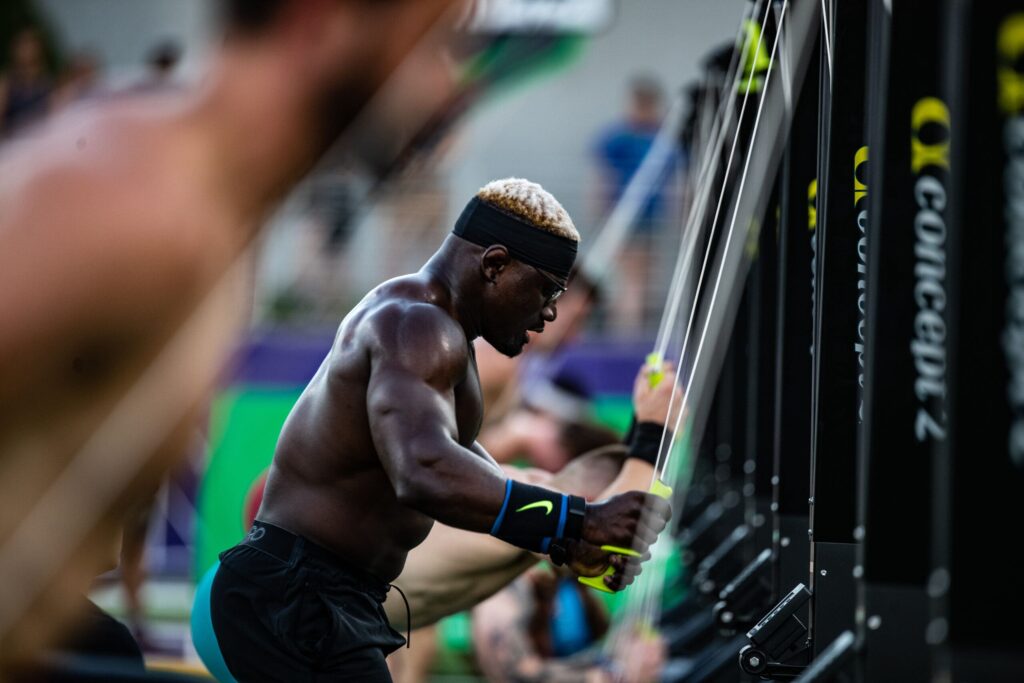
This technique can be applied to the same muscle group, opposing muscle groups, or different body parts altogether, depending on the training goal.
The primary allure of supersets lies in their ability to increase the intensity of a workout without extending its duration. By reducing the rest periods between sets, supersets keep the heart rate elevated, which can lead to a higher calorie burn and increased metabolic rate. Moreover, this approach allows more work to be done in less time, making workouts more time-efficient and dynamic.
From a physiological perspective, supersets can enhance muscle growth—known scientifically as hypertrophy—by subjecting muscles to prolonged tension and stress.
This, in turn, stimulates the muscle fibres to repair and grow thicker in response to the increased workload. Additionally, alternating between opposing muscle groups or different muscle areas can improve overall muscular balance and strength, reducing the risk of injuries and ensuring a well-rounded physique.
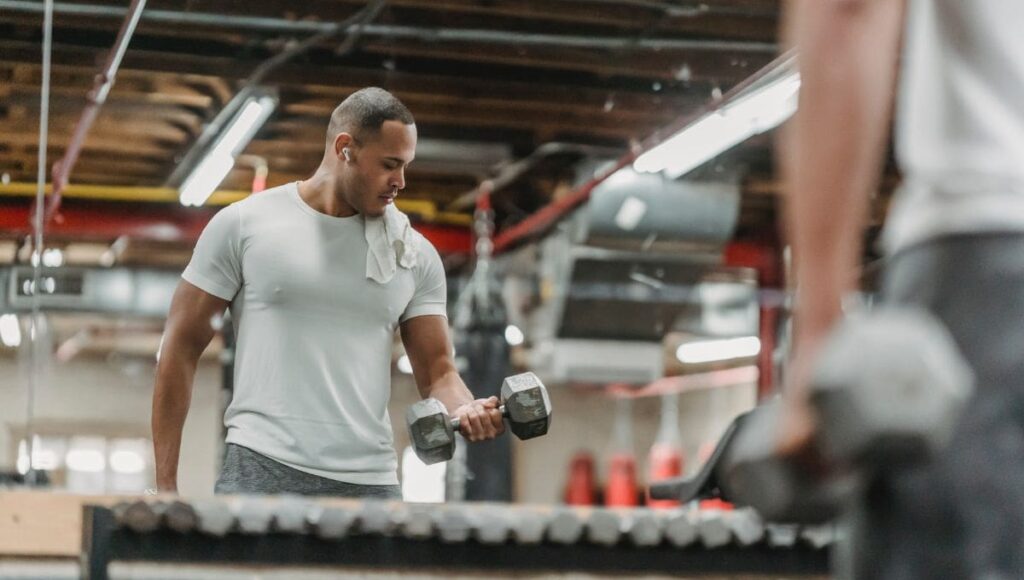
Incorporating supersets into a fitness regimen is particularly beneficial for individuals looking to break through plateaus, increase workout intensity, or simply make better use of their time in the gym.
Whether your goal is to bulk up, tone your muscles, or enhance your endurance, supersets can be a versatile and effective strategy. By effectively combining exercises, minimizing downtime, and pushing the limits of muscle endurance, supersets not only expedite muscle growth but also inject a refreshing challenge into any workout routine.
For fitness enthusiasts keen on optimizing their training outcomes, embracing supersets could be the key to achieving greater gains in muscle size and strength, all while spending less time lifting weights. This approach not only caters to the physical aspirations of the individual but also accommodates the hectic schedules that many of us juggle, proving that efficiency and effectiveness can go hand in hand in the pursuit of physical fitness.
Understanding Supersets
Supersets are a dynamic and efficient strength training strategy designed to elevate your workout to the next level. At its core, a superset involves performing two exercises back-to-back with no rest in between.
This method not only intensifies your workout but also saves time, making it a favorite among fitness enthusiasts and those pressed for time. Supersets can be tailored to target specific muscle groups or to achieve various fitness goals, and understanding the different types of supersets is key to incorporating them effectively into your training regimen.
Types of Supersets
Agonist-Antagonist Supersets: This type involves alternating exercises that target opposing muscle groups. For example, pairing a bicep curl (agonist) with a tricep extension (antagonist) ensures that while one muscle contracts, the other relaxes, allowing for a balanced workout that can improve muscular balance and joint stability.
Upper-Lower Body Supersets: These supersets combine one exercise targeting an upper body muscle group with another targeting a lower body group. An example would be doing a set of bench presses followed by squats. This type helps in maximizing cardiovascular health benefits and burning more calories by keeping the heart rate elevated throughout the workout.
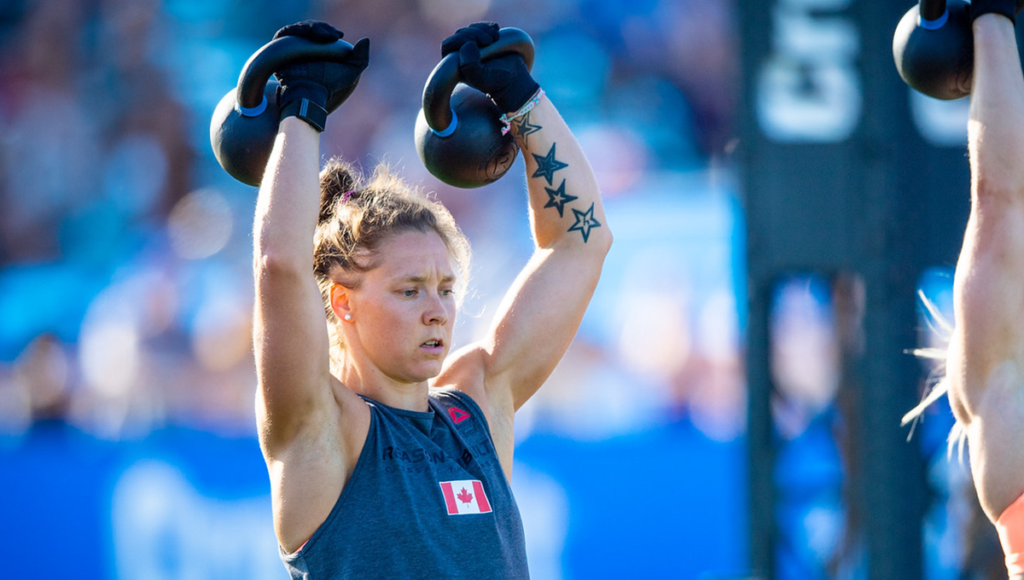
Pre-Exhaustion Supersets: This strategy involves first targeting a specific muscle group with an isolation exercise and immediately following it with a compound movement that also engages the same muscle group. For instance, performing leg extensions to target the quadriceps followed by squats. The pre-exhaustion method ensures that the targeted muscle group reaches fatigue faster, leading to enhanced muscle fiber activation and growth.
Benefits of Supersets
Increased Workout Intensity: By reducing rest time between sets, supersets make your workout more challenging, leading to improved strength and endurance.
Time Efficiency: Supersets are ideal for those looking to get the most out of their gym time. By combining exercises, you can cut down your workout duration without compromising on intensity or effectiveness.
Improved Muscular Endurance: The continuous effort required in superset workouts helps in building greater muscular endurance, enabling your muscles to perform strenuous activities for extended periods.
Enhanced Muscle Growth: The intensified nature of supersets, especially when incorporating techniques like pre-exhaustion, can lead to increased muscle hypertrophy. This is because supersets can stimulate muscle fibers in a way that traditional workouts might not, contributing to faster and more significant muscle growth.
Incorporating supersets into your training regimen can dramatically transform your fitness journey, offering a blend of efficiency, intensity, and effectiveness. Whether your goal is to build muscle, improve endurance, or simply save time, understanding and utilizing the various types of supersets can help you achieve your fitness objectives more effectively.
Preparing for Quick Superset Workouts
Effective preparation is crucial for maximizing the benefits of superset workouts and ensuring safety throughout your training. From warming up properly to selecting the right weights, and understanding the role of nutrition and hydration, this section covers essential tips to get you ready for your superset sessions.
Warming Up Effectively
A comprehensive warm-up is key to preparing your muscles and joints for the intensity of superset training. Start with 5-10 minutes of light cardiovascular exercise, such as jogging, cycling, or jumping jacks, to increase your heart rate and blood flow to your muscles. Follow this with dynamic stretches targeting the muscle groups you plan to work out.
Dynamic stretches involve movement, such as leg swings or arm circles, which help improve range of motion and reduce the risk of injury. Warming up primes your body for the strenuous activity ahead, making it a non-negotiable part of your workout routine.
Selecting the Right Weight
Choosing the appropriate weight for each exercise in your superset is crucial. The goal is to select a weight that is challenging enough to perform the desired number of repetitions with good form but not so heavy that it compromises your technique.
A good rule of thumb is to start with a weight that allows you to complete the set with two reps in reserve, meaning you could do two more reps if necessary.
As you progress, you can adjust the weights accordingly. Remember, the focus should be on the quality of movement rather than lifting the heaviest weight possible.
Managing Rest Periods
Rest periods between supersets are essential for recovery, but they should be kept short to maintain the intensity of the workout. Typically, rest for 30 seconds to 1 minute between supersets.
This allows you to catch your breath and prepare for the next set without letting your heart rate drop too much. Monitoring your rest periods ensures you maintain the workout’s efficiency and effectiveness, keeping you on track towards your fitness goals.
Hydration and Nutrition
Proper hydration and nutrition play a pivotal role in your performance and recovery from superset workouts. Ensure you’re well-hydrated before starting your workout by drinking water throughout the day, and continue to sip water during your session. Dehydration can lead to decreased performance, fatigue, and increased risk of injury.
Nutrition-wise, focus on consuming a balanced diet rich in proteins, carbohydrates, and healthy fats. Proteins are essential for muscle repair and growth, especially after intense workouts like supersets.
Carbohydrates provide the energy needed to fuel your workouts, while healthy fats support overall health. Consider consuming a protein-rich snack or shake within 30 minutes after your workout to optimize muscle recovery and growth.
By incorporating these preparation strategies into your fitness routine, you can enhance your superset workouts’ effectiveness, safety, and results. Warming up properly, selecting the right weights, managing rest periods strategically, and prioritizing hydration and nutrition are key steps to ensuring your body is well-prepared and supported for the demands of superset training.
Quick Superset Workouts 1: Upper Body Blast
Elevate your strength and endurance with this upper body-focused superset workout designed to target major muscle groups for a comprehensive upper body challenge.
By pairing exercises that work on opposing muscle groups, you’ll be able to keep the intensity high and promote balanced muscle development. Here’s a breakdown of each exercise pair, including sets, repetitions, and rest periods, along with tips to maximize muscle engagement and ensure proper form.
Chest and Back Superset: Bench Press and Bent Over Rows
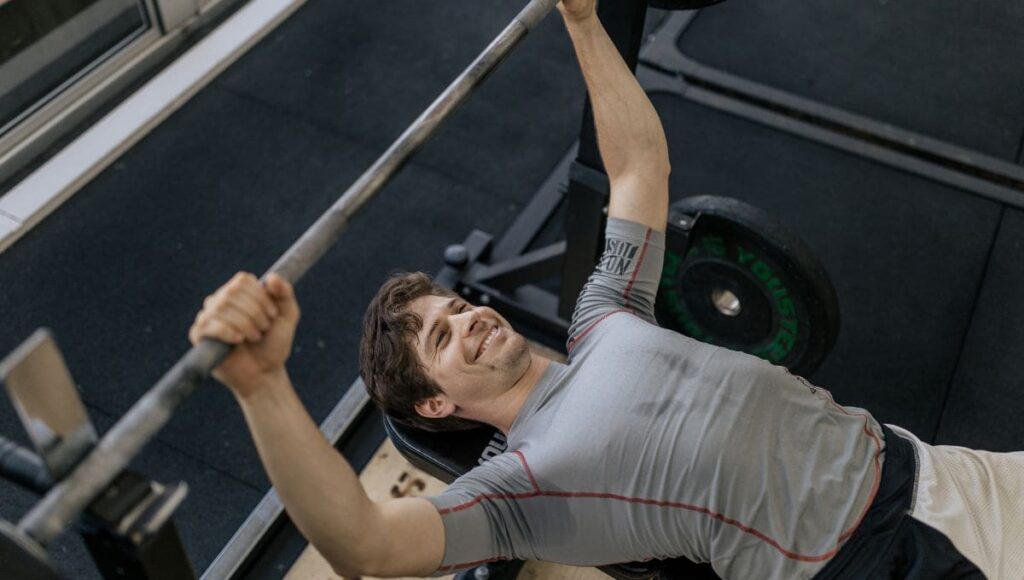
Bench Press: Begin by lying flat on a bench with a barbell at chest level. Grip the barbell slightly wider than shoulder-width apart, lower it to your chest, and then press it upwards until your arms are fully extended. Perform 4 sets of 8-12 repetitions.
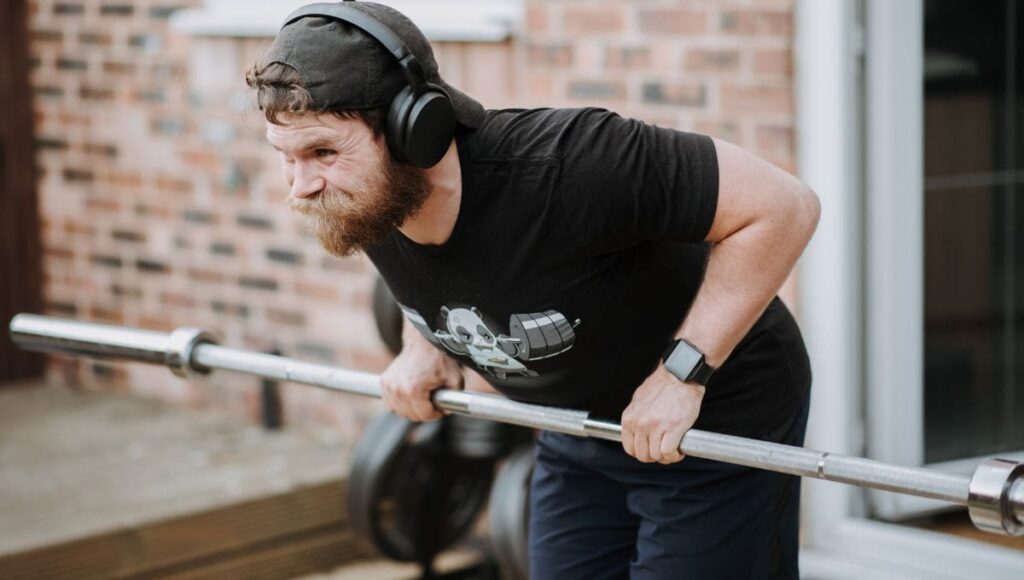
Bent Over Rows: Stand with your feet shoulder-width apart, holding a barbell with an overhand grip. Bend your knees slightly and hinge at your waist, keeping your back straight. Pull the barbell towards your lower chest, then lower it back down. Perform 4 sets of 8-12 repetitions.
Rest: Take a 60-second rest between each superset.
Tips: For the bench press, focus on keeping your feet planted and your back flat on the bench for stability. During the bent over rows, ensure your back remains straight and avoid rounding your shoulders to prevent injury.
Shoulder and Arm Superset: Overhead Press and Chin-Ups
Overhead Press: Stand with your feet shoulder-width apart, holding a barbell at shoulder level with your palms facing forward. Press the barbell overhead until your arms are fully extended, then lower it back to shoulder level. Perform 4 sets of 8-12 repetitions.
Chin-Ups: Grip a pull-up bar with your palms facing towards you and your hands shoulder-width apart. Pull yourself up until your chin is above the bar, then lower yourself back down. Perform 4 sets to failure.
Rest: Take a 60-second rest between each superset.
Tips: In the overhead press, keep your core tight and avoid arching your back as you press the weight overhead. For chin-ups, focus on engaging your lats and pulling with your arms to fully activate your upper body.
Triceps and Biceps Superset: Skull Crushers and Hammer Curls
Skull Crushers: Lie on a bench with a barbell or dumbbells held directly above your chest, arms extended. Lower the weights towards your forehead by bending your elbows, then extend your arms back to the starting position. Perform 4 sets of 8-12 repetitions.
Hammer Curls: Stand with your feet shoulder-width apart, holding dumbbells at your sides with palms facing your body. Curl the weights towards your shoulders, keeping your palms facing each other. Lower them back down. Perform 4 sets of 8-12 repetitions.
Rest: Take a 60-second rest between each superset.
Tips: For skull crushers, keep your elbows pointed straight and move only your forearms to isolate the triceps. In hammer curls, keep your elbows close to your body and avoid swinging the weights to maintain focus on your biceps.

By incorporating these supersets into your upper body workouts, you’ll not only save time but also intensify your training for optimal muscle growth and endurance. Remember to focus on form and control throughout each exercise to maximize benefits and reduce the risk of injury.
Quick Superset Workouts 2: Lower Body Power
Unlock the potential of your lower body strength and endurance with this targeted superset workout.
Designed to challenge and develop your quadriceps, hamstrings, glutes, calves, and core, this routine combines exercises that work synergistically for balanced muscle growth and power. Here’s a detailed guide to each exercise pair, including sets, reps, rest periods, and tips to enhance intensity and ensure proper form.
Quadriceps and Hamstrings Superset: Squats and Romanian Deadlifts
Squats: Stand with your feet shoulder-width apart, toes slightly turned out. Keeping your chest up and core engaged, lower down as if sitting back into a chair until your thighs are parallel to the ground. Drive through your heels to return to the starting position. Perform 4 sets of 8-12 repetitions.
Romanian Deadlifts: Stand with your feet hip-width apart, holding a barbell or dumbbells in front of your thighs. With a slight bend in your knees, hinge at your hips to lower the weights towards the ground, keeping your back straight. Return to the starting position by driving your hips forward. Perform 4 sets of 8-12 repetitions.
Rest: Take a 60-second rest between each superset.
Tips: In squats, focus on keeping your knees in line with your toes and avoid letting them cave inward. For Romanian deadlifts, ensure that your back stays flat throughout the movement to engage your hamstrings and glutes effectively.
Glutes and Calves Superset: Hip Thrusts and Standing Calf Raises
Hip Thrusts: Sit on the ground with a bench behind you and a weighted barbell or dumbbells over your hips. Lean back so your shoulders are on the bench, then drive through your heels, lifting your hips towards the ceiling. Squeeze your glutes at the top before lowering back down. Perform 4 sets of 8-12 repetitions.
Standing Calf Raises: Stand on a raised surface (like a step) with your heels hanging off the edge. Push through the balls of your feet to raise your heels as high as possible, then slowly lower them below the step level. Perform 4 sets of 12-15 repetitions.
Rest: Take a 60-second rest between each superset.
Tips: For hip thrusts, ensure your chin is tucked and ribs are down to prevent arching your back, focusing the effort on your glutes. In calf raises, pause at the top of the movement to maximize calf muscle engagement.
Core and Stability Superset: Planks and Leg Raises
Planks: Assume a push-up position but rest on your forearms instead of your hands. Keep your body in a straight line from head to heels, engaging your core and glutes to prevent your hips from sagging. Hold for 30-60 seconds.
Leg Raises: Lie on your back with your legs straight and hands beneath your lower back for support. Slowly raise your legs to a 90-degree angle, then lower them back down without touching the floor. Perform 4 sets of 10-15 repetitions.
Rest: Take a 60-second rest between each superset.
Tips: During planks, focus on breathing steadily and engaging your entire core to increase stability. For leg raises, keep your movements controlled and avoid arching your back to ensure your core is doing the work.
Adjusting Intensity and Technique for Quick Superset Workouts
To increase the intensity of your lower body workout, consider adding more weight, increasing the number of repetitions, or reducing rest periods between supersets. Always prioritize maintaining proper form and technique over increasing the load to prevent injury and ensure optimal muscle engagement. Remember, consistency and gradual progression are key to building lower body power and achieving your fitness goals.
Quick Superset Workouts 3: Total Body Conditioning
Achieve a full-body workout that stimulates muscle growth, enhances endurance, and improves cardiovascular health with this comprehensive superset routine.
By combining upper and lower body exercises, along with core and cardio movements, this workout is designed to challenge your entire body in a balanced and efficient way. Below, you’ll find detailed descriptions of each exercise pair, including sets, reps, and rest intervals, as well as strategies for ensuring maximum engagement and maintaining intensity.
Push and Pull Superset: Push-Ups and Inverted Rows
Push-Ups: Start in a plank position with your hands slightly wider than shoulder-width apart. Lower your body until your chest nearly touches the floor, then push back up to the starting position. Perform 4 sets of 8-12 repetitions.
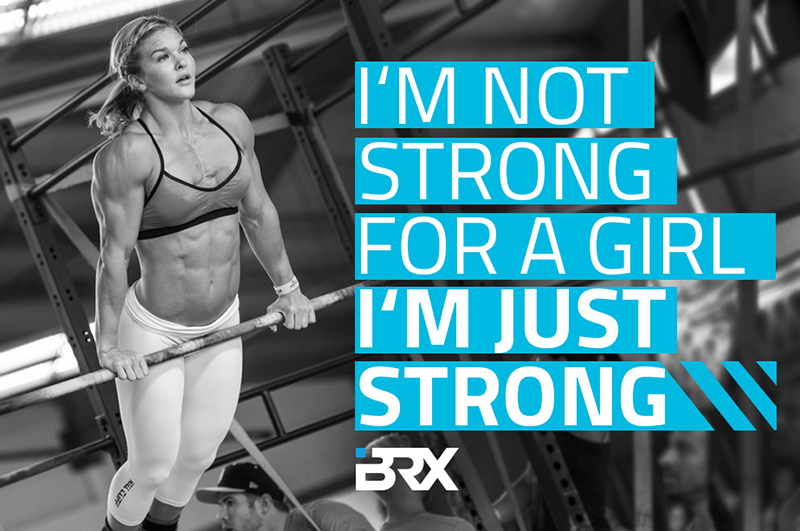
Inverted Rows: Set up a bar in a squat rack or use a Smith machine at waist height. Lie underneath the bar, grabbing it with an overhand grip, arms fully extended. Pull your chest towards the bar while keeping your body in a straight line, then lower back down. Perform 4 sets of 8-12 repetitions.
Rest: Take a 60-second rest between each superset.
Tips: For push-ups, keep your core engaged and your body in a straight line from head to heels. In inverted rows, focus on squeezing your shoulder blades together to fully engage your back muscles.
Lower Body and Core Superset: Lunges and Russian Twists
Lunges: Stand with your feet hip-width apart, take a step forward with one leg, and lower your hips until both knees are bent at about a 90-degree angle. Push back up to the starting position and repeat on the other side. Perform 4 sets of 10-12 repetitions per leg.
Russian Twists: Sit on the floor with your knees bent, feet lifted slightly off the ground, and lean back at a 45-degree angle. Hold a weight with both hands and twist your torso to the right, then to the left, to complete one rep. Perform 4 sets of 15-20 repetitions.
Rest: Take a 60-second rest between each superset.
Tips: During lunges, keep your upper body straight and avoid letting your front knee extend beyond your toes. For Russian twists, keep your movements controlled and focus on engaging your core.
Full Body and Cardio Superset: Burpees and Jump Rope
Burpees: Start in a standing position, drop into a squat with your hands on the ground, then kick your feet back into a plank position. Perform a push-up, return to the squat position, and jump up with your arms overhead. Perform 3 sets of 8-10 repetitions.
Jump Rope: Use a jump rope for a high-intensity cardio session, focusing on speed and consistency. Perform 3 sets of 1-minute sessions.
Rest: Take a 60-second rest between each superset.
Tips: For burpees, maintain a fast pace but ensure you complete each part of the exercise with proper form. With jump rope, aim for quick, light jumps to minimize fatigue and maintain speed.
Quick Superset Workouts: Balancing Workout Intensity and Engagement
To balance the intensity and ensure comprehensive body engagement throughout this total body conditioning workout, focus on performing each exercise with proper form and controlled movements.
Adjust the weight, reps, or duration to match your fitness level, and gradually increase the intensity as you progress. Remember, the goal is to challenge your body while maintaining balance and symmetry in your development. Listen to your body, prioritize rest and recovery, and stay consistent with your training to achieve the best results.
Quick Superset Workouts: Conclusion
Supersets offer a powerful method to elevate your workout routine, providing a pathway to accelerated muscle growth and enhanced workout efficiency. By strategically pairing exercises, you can maximize your time in the gym, increase workout intensity, and stimulate greater muscle adaptation and endurance.
The versatility of supersets, from targeting agonist and antagonist muscle groups to mixing upper and lower body exercises, caters to a wide range of fitness goals and preferences.
We’ve explored various superset workouts designed to challenge your upper body, lower body, and provide total body conditioning.
These routines serve as a foundation for you to build upon, encouraging you to experiment and tailor the exercises, sets, and reps according to your individual fitness levels and goals. Adjustments can be made to increase or decrease intensity, ensuring that you continue to challenge your body as you progress in your fitness journey.
Related: How Little Can You Do and Still Grow Muscle?
However, the efficacy of any workout regimen, including supersets, hinges not only on the workouts themselves but also on the attention paid to rest, recovery, and nutrition. Adequate rest is crucial for muscle repair and growth, allowing you to reap the full benefits of your hard work. Equally important is proper nutrition, which fuels your workouts and aids in recovery, ensuring that your body has the necessary resources to build muscle and enhance performance.
Consistency is the key to unlocking the full potential of your fitness journey. While incorporating supersets into your routine can accelerate muscle growth and improve efficiency, sustained effort and dedication are essential.
5 Methods of Progressive Overload to Force Muscle Growth
Remember, fitness is a marathon, not a sprint. By staying committed, focusing on balanced nutrition, and
prioritizing rest and recovery, you’ll not only see improvements in your physical health but also in your overall well-being.
Let these superset workouts inspire you to push beyond your current limits, while also reminding you of the importance of listening to your body and adjusting your training as needed. Whether you’re looking to build muscle, increase endurance, or simply enhance your overall fitness, supersets can be a valuable addition to your workout arsenal.
Related: How Heavy Is Too Heavy to Build Muscle? Do This Quick Test
Embrace the challenge, enjoy the process, and celebrate your progress, no matter how big or small. Your fitness journey is uniquely yours, and with perseverance, discipline, and a positive mindset, you’ll achieve the results you desire.