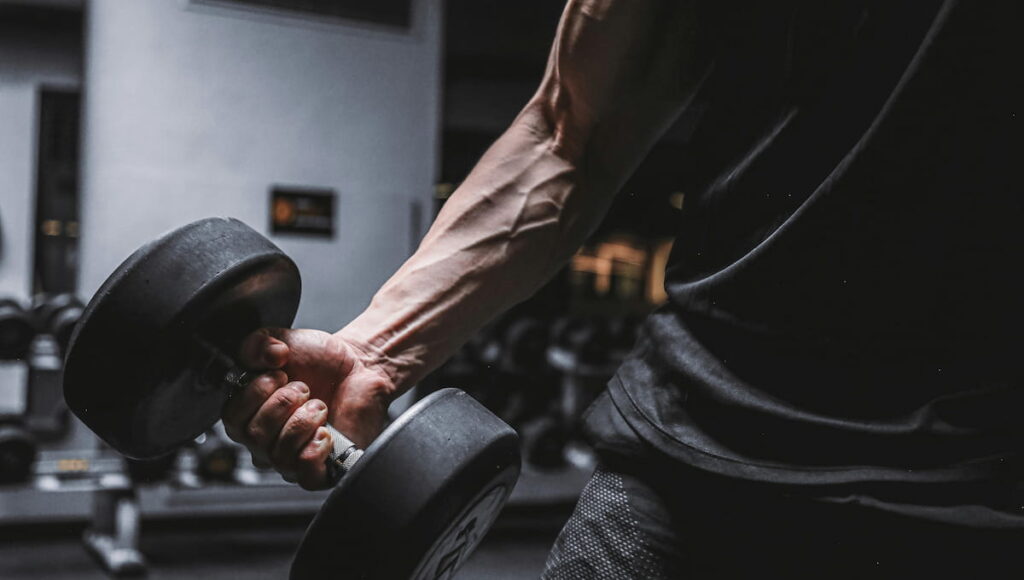
Strong, well-defined arms aren’t just a symbol of fitness; they are also critical for everyday functionality. From lifting heavy groceries to pushing a door open, arm strength plays a pivotal role in our daily lives.
Aesthetically, toned arms are often considered a hallmark of a well-maintained body, contributing significantly to a balanced physique and boosting self-confidence.
The good news is that building impressive arm muscles doesn’t necessarily require an expensive gym membership or sophisticated equipment.
With the right approach, you can effectively enhance your bicep, tricep, and forearm strength using the comfort and convenience of your own home. These muscle groups are crucial not only for arm movement and stability but also for performing compound exercises that engage multiple joints and muscles simultaneously.
This article explores three practical strategies to sculpt powerful, attractive arms at home.
Each method leverages different tools and techniques, from simple bodyweight exercises to creative uses of household items, ensuring that anyone can embark on their arm-building journey regardless of their fitness level or equipment availability.
Whether you’re looking to start a new fitness routine or enhance your existing regimen, these insights will help you achieve your goals with clarity and focus.
1. Bodyweight Exercises
Bodyweight exercises are a cornerstone of fitness, especially when it comes to building arm strength.
They are accessible, scalable, and effective, allowing you to use your own body’s weight as resistance to build muscle and increase endurance.

These exercises can target every major muscle group in the arms, enhancing both strength and aesthetics without the need for any additional equipment.
Key Exercises
- Push-ups: This classic exercise is highly effective for strengthening the chest, shoulders, and triceps. To specifically target different areas of your arms, you can vary your push-up style:
- Diamond Push-ups: Place your hands close together under your chest, forming a diamond shape with your thumbs and index fingers. This variation intensifies the focus on your triceps and inner chest.
- Wide-arm Push-ups: By placing your hands wider than shoulder-width apart, you engage more of the outer chest and shoulder muscles, while still working the arms.
- Archer Push-ups: Extend one arm out to the side while keeping the other arm under your shoulder and bend the elbow of the supporting arm to lower your body. This advanced variation increases the load on one arm, enhancing strength and balance.
- Dips: To perform triceps dips at home, you can use two sturdy chairs or a low table. Sit on the edge of the chair, place your hands next to your hips, then move your hips forward off the chair and lower your body by bending your elbows. This exercise primarily targets the triceps but also engages the shoulders and chest.
- Plank to Push-up: Start in a standard plank position with your forearms on the ground. Push up from one arm at a time to transition into a push-up position and then return to the plank. This exercise not only builds arm strength but also enhances core stability.
Tips for Progression
As you become more comfortable with these exercises, it’s important to continue challenging your muscles to encourage growth and improvement:
Increase Repetitions: Gradually add more repetitions to your sets to increase endurance.
Add Variations: Incorporate more challenging variations or increase the speed of execution to enhance intensity.
Elevated Push-ups: Place your feet on a raised surface, such as a step or a low chair, to increase the difficulty of push-ups. This adjustment places more weight on your arms and shoulders, intensifying the workout.
By consistently incorporating these bodyweight exercises into your routine and progressively increasing their difficulty, you’ll build stronger, more defined arms right from the comfort of your home.
2. Resistance Band Workouts
Resistance bands are an excellent tool for muscle building and toning, offering a unique advantage through variable resistance.
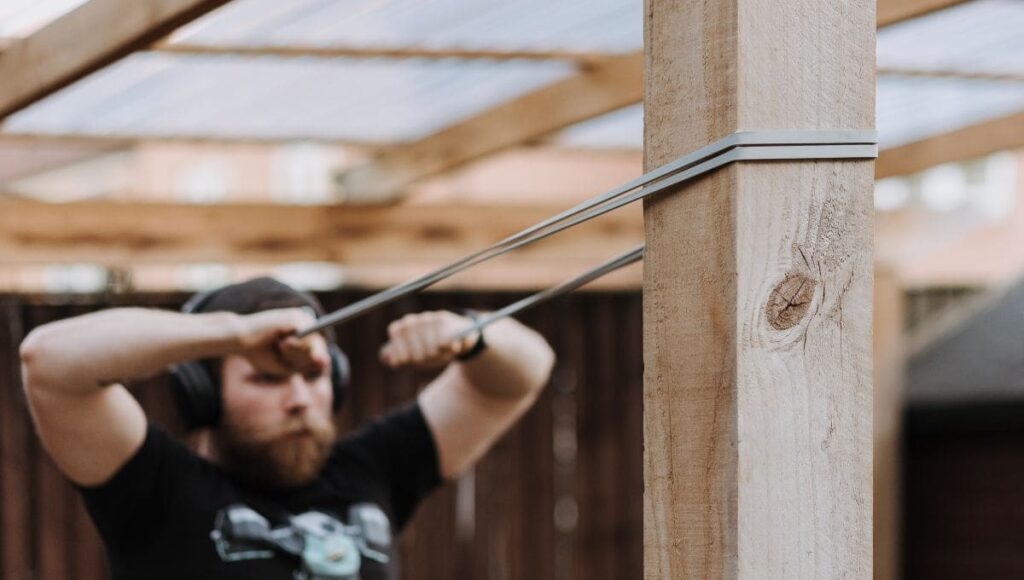
As the band stretches, the resistance increases, challenging your muscles both during the concentric (shortening) and eccentric (lengthening) phases of each exercise. This dynamic tension is effective for enhancing muscle strength, improving endurance, and even aiding in recovery and stretching. Moreover, resistance bands are lightweight, versatile, and portable, making them perfect for home workouts.
Key Exercises
Bicep Curls: Stand on the middle of the band with your feet shoulder-width apart to secure it in place. Hold the ends of the band with your arms down at your sides. Curl your hands up towards your shoulders, ensuring that your elbows stay close to your torso. Slowly lower your hands back to the starting position.
This exercise primarily targets the biceps and helps in building arm mass and definition.
Tricep Extensions: For overhead tricep extensions, hold the band with both hands and stretch it above your head. Keeping your elbows close to your ears, lower the band behind your head by bending your elbows, and then extend your arms back to the starting position.
For kickback extensions, anchor the band at a low point, hold the band with one hand, and pull back by extending your elbow while keeping your upper arm stationary. These movements focus on the triceps, crucial for sculpting the back of the arms.
Band Pull-aparts: Hold a resistance band with both hands in front of you at chest height, arms extended. Keeping your arms straight, pull the band outward and toward your chest, squeezing your shoulder blades together.
This exercise targets the posterior shoulder and upper back, supporting overall shoulder health and enhancing the aesthetic appearance of the arms and upper body.
Integration Techniques
To maximize your arm workout, integrate resistance band exercises with bodyweight routines for a comprehensive arm workout. Here are a few ways to blend these methods:
- Circuit Training: Alternate between a band exercise and a bodyweight exercise, such as doing bicep curls with the band followed by push-ups. This approach keeps the intensity high and ensures all areas of the arms are worked.
- Supersets: Pair two exercises back-to-back with no rest, such as tricep kickbacks with the band immediately followed by tricep dips using a chair. This technique is great for muscle endurance and growth.
- Progressive Overload: As you get stronger, increase the resistance of the band or combine heavier bands together to continue challenging your muscles and prevent plateaus.
- Incorporating resistance band workouts into your home exercise routine can dramatically enhance muscle tone and strength without the need for heavy weights, providing a practical and effective way to build incredible looking arms.
3. Household Items for Weight Training
For many, the idea of building muscle at home may seem challenging due to a lack of traditional weights and gym equipment.
However, everyday household items can be transformed into effective improvised weights, providing a versatile and accessible way to enhance your strength training routine.
This approach not only makes fitness more achievable but also adds an element of creativity and convenience to your workouts.
Key Exercises
Water Jug Curls: Common household water jugs are excellent substitutes for dumbbells. To perform bicep curls, simply fill a water jug to the desired weight, grasp the handle with one hand, and curl the jug towards your shoulder, keeping your elbow stationary by your side.
Slowly lower it back down after a short pause. This exercise targets the biceps directly and can be adjusted in weight according to your strength level.
Soup Can Wrist Curls: Soup cans can be used for smaller, more precision-focused exercises like wrist curls, which strengthen the forearms and improve grip strength. Sit on a chair with your forearm resting on your thigh and your wrist just beyond your knee, holding a soup can in your hand with your palm facing up.
Curl your wrist upwards, pause, and then lower it back down for one complete repetition.
Bag Fills: Fill a sturdy bag with materials such as sand, rice, or books to create a customizable weight bag. You can use this for various arm exercises such as overhead presses, bicep curls, or even makeshift kettlebell swings.
The weight can be easily adjusted by adding or removing materials, making it a versatile tool for strength training.
Safety Tips
When using household items as weights, it’s important to ensure safety to prevent injuries:
- Check Integrity: Before using any item as a weight, check that it is sturdy and well-sealed. Ensure that items like water jugs and bags do not leak and are capable of withstanding the movement of your exercise.
- Secure Grip: Always ensure you have a secure grip on whatever item you’re using. If necessary, wrap it with a towel or wear gloves to improve your grip and comfort.
- Start Light: Begin with a lighter weight to get a feel for the balance and heft of the item. This practice helps prevent muscle strain and joint stress.
- Even Distribution: When performing exercises requiring equal load distribution (like using two items), make sure both are of similar weight to maintain balance and avoid uneven muscle development.
By incorporating these unconventional tools into your workout regime, you can effectively build muscle and enhance arm strength at home.
This approach not only demonstrates the adaptability of strength training routines but also encourages a more resourceful and sustainable practice of fitness.
Additional Tips for Arm Development
Consistency is the cornerstone of any successful fitness regimen, especially when it comes to developing strong and visually appealing arms. Regular workouts ensure that your muscles are continuously being challenged and strengthened over time. Alongside consistency, the principle of progressive overload is vital.
This involves gradually increasing the intensity of your workouts by adding more repetitions, using heavier weights, or incorporating more challenging exercises as your strength improves. This continuous challenge is crucial for muscle growth and development.
Role of Nutrition in Muscle Building
Nutrition plays a critical role in muscle building and recovery. To support arm muscle development, focus on a diet rich in proteins, which are the building blocks of muscle. Include lean meats, fish, dairy, legumes, and plant-based proteins like tofu and tempeh in your meals.
Carbohydrates are also important as they provide the energy needed for your workouts.
Opt for whole grains, fruits, and vegetables to fuel your body effectively. Additionally, healthy fats from sources like avocados, nuts, seeds, and olive oil are essential for hormone function, including those involved in muscle growth. Hydration is equally important; drinking ample water throughout the day helps maintain muscle function and recovery.
Advice on Rest and Recovery Specific to Arm Muscles
Rest and recovery are as important as the workout itself when it comes to building arm muscles.
Muscles need time to repair and grow stronger, so ensuring adequate rest between workouts is key.
Typically, give your arm muscles at least 48 hours of rest after a strenuous workout to allow for proper recovery. This doesn’t mean you can’t exercise during this period; focus on other muscle groups or different types of activities like cardio or flexibility training.
In addition to rest days, proper sleep is crucial for muscle recovery. Aim for 7-9 hours of quality sleep per night to help promote muscle repair and growth. Incorporating stretching and mobility exercises can also aid in recovery, reduce soreness, and improve overall muscle function.
Gentle stretching after workouts or on rest days helps maintain flexibility and decrease the risk of injuries.

By combining these additional tips with your arm-specific exercises, you can optimize your arm development, improve performance, and achieve a balanced, strong physique.
These practices ensure that your efforts in building arm strength and aesthetics are both effective and sustainable.
Conclusion
Building strong, visually appealing arms at home is entirely achievable with the right approach and a bit of ingenuity.
By utilizing bodyweight exercises, resistance bands, and everyday household items, you can create a varied and effective arm workout that challenges your muscles and promotes growth. Remember, the key to success lies in consistency and the willingness to progressively challenge your body through increased intensity and varied routines.
Additionally, don’t underestimate the importance of nutrition and rest in your arm development journey. Feeding your body with the right nutrients and allowing ample time for recovery are crucial components that will support your physical efforts and amplify your results.
Whether you’re just starting out or are looking to enhance your existing routine, these strategies can help you achieve the strong, toned arms you desire, all from the comfort of your home.
Stay committed, be patient with your progress, and maintain a balanced approach to see the best results. Happy lifting!