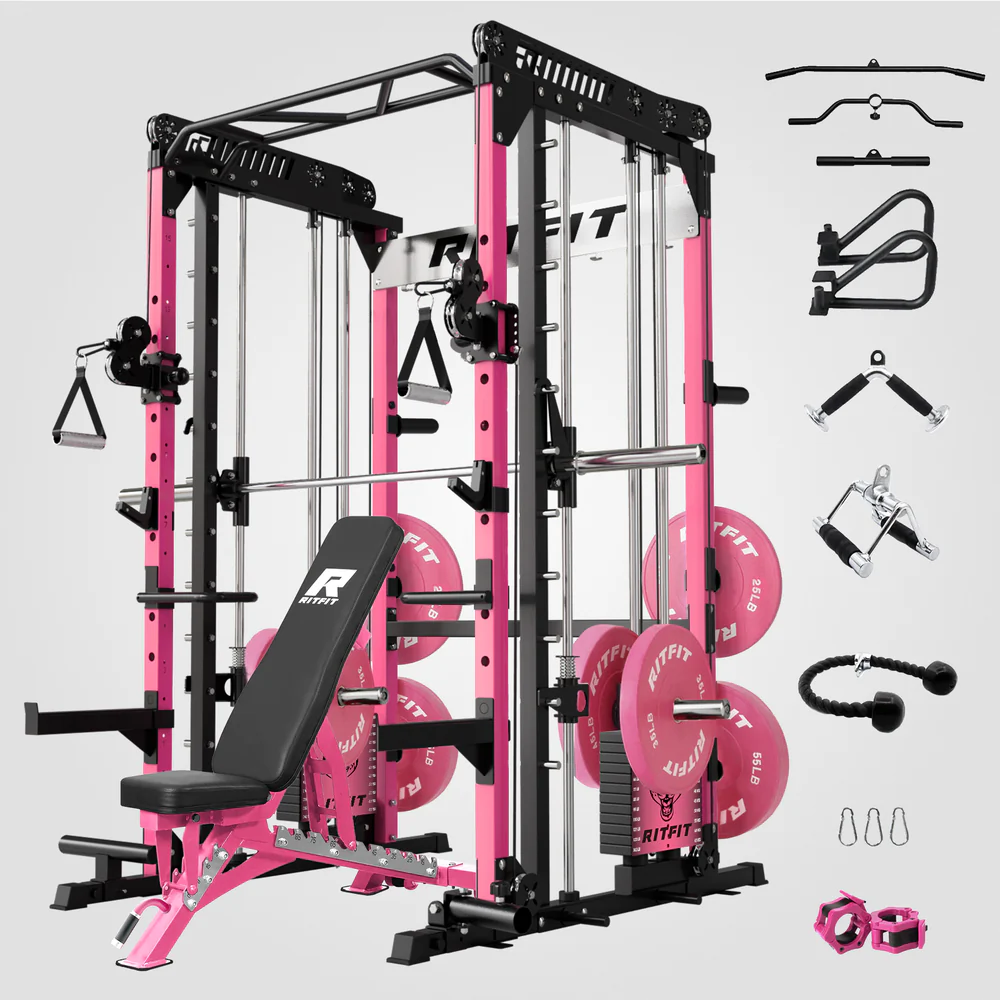
Building stronger and more aesthetically pleasing arms is a common goal for many men, whether for athletic performance, personal confidence, or general fitness. However, achieving this goal requires more than just lifting weights randomly. In this article, we will uncover three scientifically-backed secrets to help you build better looking and stronger arms. We will delve into effective training techniques, nutritional strategies, and recovery methods, all supported by scientific research.
Secret 1: Optimise Your Training Routine

Focus on Compound Movements
While isolation exercises like bicep curls and tricep extensions have their place, compound movements should be the foundation of your arm training. Compound exercises engage multiple muscle groups and joints, promoting greater overall muscle growth and strength.
Bench Press and Push-Ups for Triceps
The bench press and push-ups are excellent for tricep development. A study published in the “Journal of Strength and Conditioning Research” found that the bench press significantly activates the triceps brachii, especially when performed with a narrower grip (Lehman et al., 2005).
Pull-Ups and Rows for Biceps
Pull-ups and rows are crucial for bicep growth. These exercises not only target the biceps but also work the back muscles, enhancing overall upper body strength. According to a study in the “Journal of Applied Biomechanics,” pull-ups are highly effective for biceps activation (Youdas et al., 2010).
Progressive Overload is Key
To build muscle, you must continually challenge your muscles by gradually increasing the weight, volume, or intensity of your workouts. This principle is known as progressive overload. Research published in the “Journal of Sports Science & Medicine” emphasises that progressive overload is essential for muscle hypertrophy and strength gains (Schoenfeld, 2010).

Incorporate Supersets and Drop Sets
Supersets (performing two exercises back-to-back without rest) and drop sets (continuing an exercise with a lower weight after reaching failure) can intensify your workouts and stimulate muscle growth. A study in the “European Journal of Applied Physiology” demonstrated that these techniques can enhance muscle hypertrophy compared to traditional sets (Goto et al., 2004).
Secret 2: Nutrition for Arm Growth

Protein is Crucial
Protein is the building block of muscle. Ensuring adequate protein intake is vital for muscle repair and growth. The American College of Sports Medicine recommends 1.2-2.0 grams of protein per kilogram of body weight per day for athletes and those engaged in regular resistance training (Jäger et al., 2017).
Sources of Protein
- Lean Meats: Chicken, turkey, and lean beef are excellent sources of high-quality protein.
- Fish: Salmon and tuna are not only high in protein but also provide essential omega-3 fatty acids.
- Plant-Based Proteins: Lentils, chickpeas, and quinoa are great for vegetarians and vegans.
Carbohydrates and Fats
Carbohydrates are essential for energy, especially during intense workouts. Complex carbs like brown rice, oats, and sweet potatoes provide sustained energy. Fats are also important, particularly healthy fats found in avocados, nuts, and olive oil. A balanced diet with a good mix of macronutrients supports optimal muscle growth.
Timing Your Nutrients
The timing of nutrient intake can influence muscle growth. Consuming protein and carbohydrates post-workout can enhance muscle protein synthesis. A study in the “Journal of the International Society of Sports Nutrition” found that post-exercise protein consumption increases muscle hypertrophy and strength (Schoenfeld et al., 2013).
Secret 3: Recovery and Rest
The Importance of Sleep
Sleep is crucial for muscle recovery and growth. During sleep, the body releases growth hormone, which aids in muscle repair. Research in the “Journal of Clinical Sleep Medicine” indicates that insufficient sleep can impair muscle recovery and growth (Dattilo et al., 2011).
Active Recovery
Active recovery involves low-intensity exercise on rest days to promote blood flow and reduce muscle soreness. Activities like walking, cycling, or yoga can help maintain flexibility and reduce the risk of injury.
Stretching and Foam Rolling
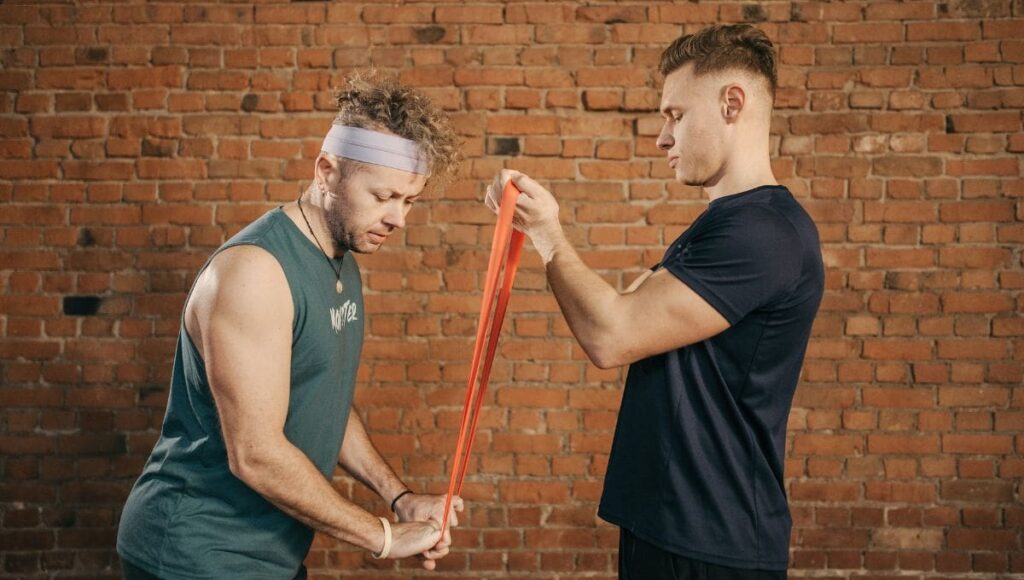
Incorporating stretching and foam rolling into your routine can improve muscle flexibility and reduce soreness. A study in the “Journal of Athletic Training” found that foam rolling can reduce muscle soreness and improve range of motion (MacDonald et al., 2013).
Conclusion
Building better looking and stronger arms involves a combination of effective training, proper nutrition, and adequate recovery. By focusing on compound movements, ensuring progressive overload, and incorporating advanced training techniques like supersets and drop sets, you can maximise your muscle growth. Coupled with a balanced diet rich in protein and other essential nutrients, and prioritising sleep and recovery, you will see significant improvements in your arm strength and aesthetics.
Bibliography
- Dattilo, M., Antunes, H.K.M., Medeiros, A., Mônico Neto, M., Souza, H.S., Tufik, S. and de Mello, M.T. (2011). ‘Sleep and muscle recovery: endocrinological and molecular basis for a new and promising hypothesis.’ Medical Hypotheses, 77(2), pp. 220-222.
- Goto, K., Ishii, N., Kizuka, T. and Takamatsu, K. (2004). ‘The impact of metabolic stress on hormonal responses and muscular adaptations.’ Medicine and Science in Sports and Exercise, 37(6), pp. 955-963.
- Jäger, R., Kerksick, C.M., Campbell, B.I., Cribb, P.J., Wells, S.D., Skwiat, T.M., Purpura, M., Ziegenfuss, T.N., Ferrando, A.A., Arent, S.M., Smith-Ryan, A.E., Stout, J.R., Arciero, P.J., Ormsbee, M.J., Taylor, L.W., Wilborn, C.D., Kalman, D.S., Kreider, R.B., Willoughby, D.S., Spano, M.A., Antonio, J. (2017). ‘International Society of Sports Nutrition Position Stand: protein and exercise.’ Journal of the International Society of Sports Nutrition, 14(1), pp. 20.
- Lehman, G.J., McGill, S.M. and Cannon, J. (2005). ‘Trunk muscle involvement during a maximum contraction on a stable surface and a labile surface.’ Journal of Strength and Conditioning Research, 19(3), pp. 551-556.
- MacDonald, G.Z., Penney, M.D.H., Mullaley, M.E., Cuconato, A.L., Drake, C.D.J., Behm, D.G. and Button, D.C. (2013). ‘An acute bout of self-myofascial release increases range of motion without a subsequent decrease in muscle activation or force.’ Journal of Athletic Training, 48(1), pp. 43-48.
- Schoenfeld, B.J. (2010). ‘The mechanisms of muscle hypertrophy and their application to resistance training.’ Journal of Strength and Conditioning Research, 24(10), pp. 2857-2872.
- Schoenfeld, B.J., Aragon, A.A., Wilborn, C.D., Krieger, J.W., Sonmez, G.T., Tiryaki-Sonmez, G. (2013). ‘Pre- versus post-exercise protein intake has similar effects on muscular adaptations.’ Journal of the International Society of Sports Nutrition, 10(1), pp. 53.
- Youdas, J.W., Amundson, C.L., Cicero, K.S., Hahn, J.J., Harezlak, D.T. and Hollman, J.H. (2010). ‘Surface electromyographic analysis of core muscle activation during stable and unstable push-up protocols.’ Journal of Strength and Conditioning Research, 24(12), pp. 3359-3369.
Key Takeaways Table
| Key Takeaway | Description |
|---|---|
| Compound Movements | Focus on exercises like bench press, push-ups, pull-ups, and rows for comprehensive arm development. |
| Progressive Overload | Gradually increase the weight, volume, or intensity of your workouts to continuously challenge your muscles. |
| Supersets and Drop Sets | Incorporate these advanced techniques to intensify workouts and stimulate muscle growth. |
| Adequate Protein Intake | Ensure 1.2-2.0 grams of protein per kilogram of body weight per day to support muscle repair and growth. |
| Balanced Diet with Carbs and Fats | Include complex carbohydrates and healthy fats in your diet to fuel workouts and support overall muscle growth. |
| Post-Workout Nutrition | Consume protein and carbohydrates after exercise to enhance muscle protein synthesis. |
| Prioritise Sleep | Get sufficient sleep to support muscle recovery and growth, as growth hormone is released during sleep. |
| Active Recovery and Stretching | Use low-intensity activities on rest days and incorporate stretching and foam rolling to improve flexibility and reduce muscle soreness. |