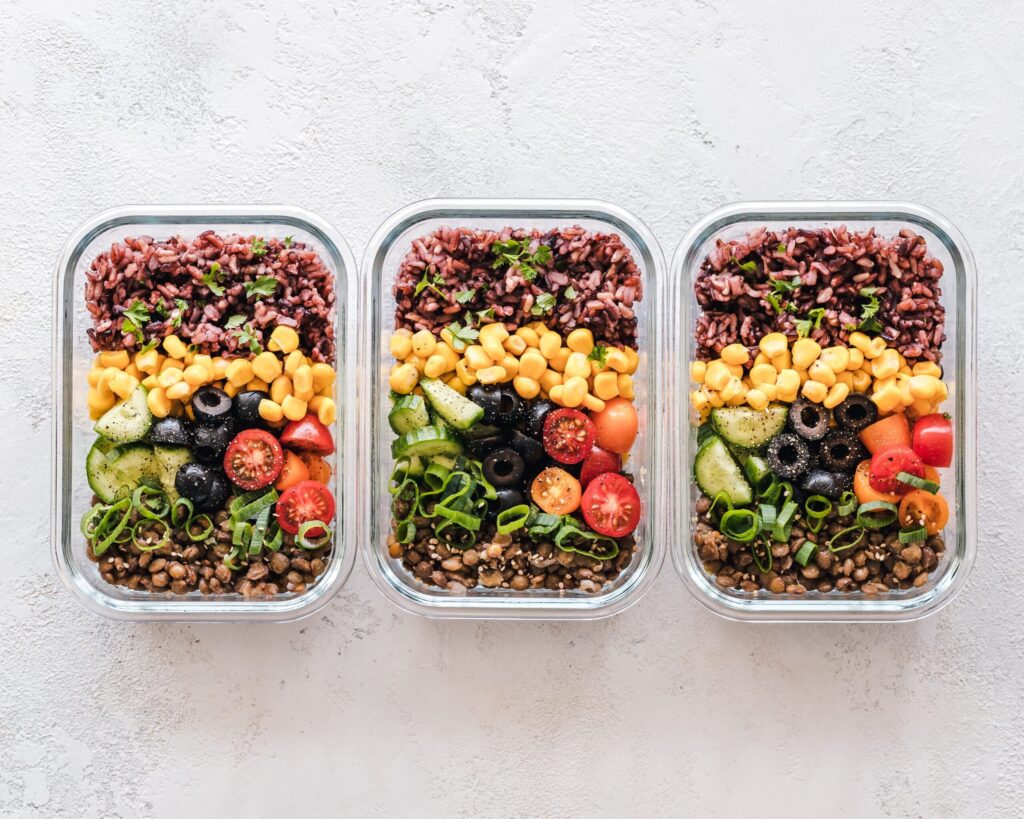
Belly fat, also known as visceral fat, is a type of fat that accumulates around the abdomen and poses significant health risks. Unlike subcutaneous fat, which lies under the skin, visceral fat surrounds internal organs and is linked to insulin resistance, type 2 diabetes, cardiovascular disease, and certain cancers.
[wpcode id=”229888″]Reducing belly fat is essential for both aesthetic and health-related reasons, and diet plays a pivotal role in achieving this goal. In this article, we examine three scientifically backed superfoods that can help shed belly fat. Each food is supported by clinical research, with evidence-based insights into how they influence metabolism, fat oxidation, and hormonal balance.
Understanding Belly Fat and the Role of Diet
Belly fat is not merely an inert storage depot for excess calories. It is metabolically active, releasing inflammatory cytokines, hormones, and free fatty acids that interfere with normal metabolic processes. Chronic stress, poor sleep, and lack of physical activity contribute to its accumulation, but dietary choices are arguably the most controllable factor. Certain foods can significantly impact belly fat by enhancing satiety, improving insulin sensitivity, and boosting fat oxidation.
Superfood #1: Avocados
Nutrient Composition
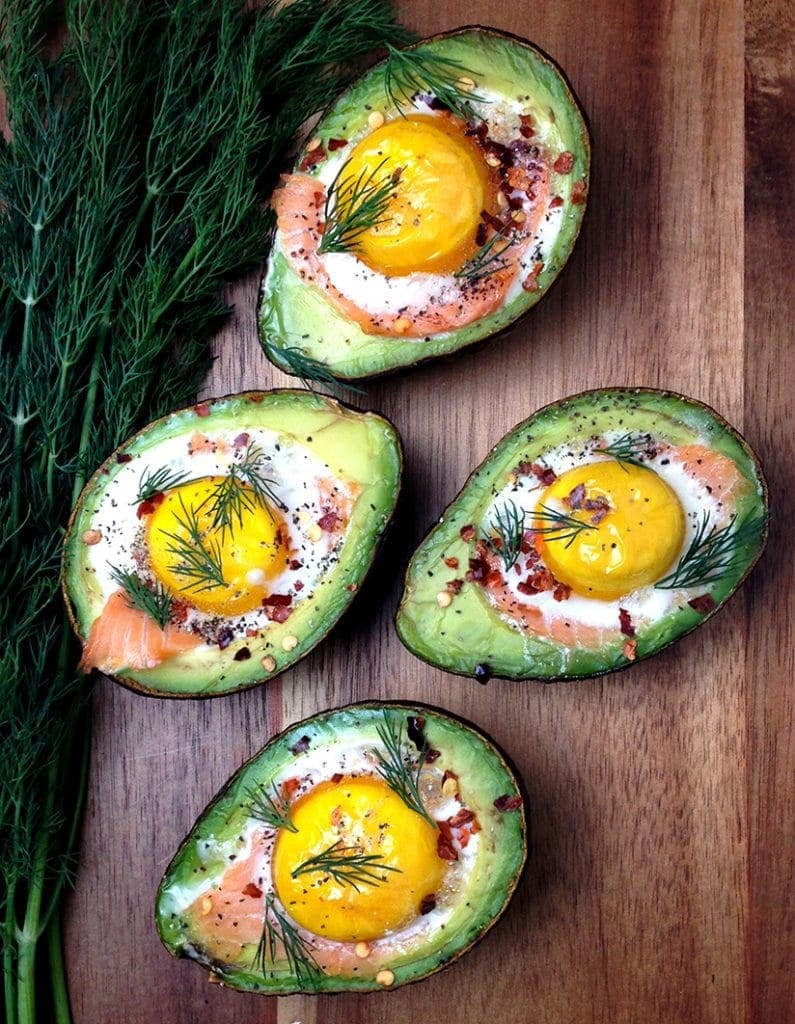
Avocados are nutrient-dense fruits rich in monounsaturated fats (MUFAs), particularly oleic acid, as well as dietary fiber, potassium, magnesium, and antioxidants such as lutein and zeaxanthin. One medium avocado contains about 240 calories, 13 grams of fiber, and 21 grams of fat, 70% of which are heart-healthy MUFAs.
Impact on Belly Fat
Monounsaturated fats are known to reduce abdominal adiposity. A controlled trial published in the journal Diabetes Care found that a diet high in MUFAs led to greater loss of abdominal fat compared to a carbohydrate-rich diet, despite similar total calorie intakes (Paniagua et al., 2007). MUFAs improve lipid profiles and reduce insulin resistance, both of which are critical for reducing visceral fat.
Additionally, avocados’ high fiber content contributes to satiety and slows gastric emptying, which can reduce overall calorie consumption. Fiber also feeds beneficial gut bacteria, improving metabolic health.
A randomized controlled trial by Wang et al. (2021) found that subjects who consumed one avocado per day for 12 weeks experienced reduced visceral adipose tissue compared to the control group, although weight loss was not significantly different. This suggests that avocados may have a unique role in redistributing fat or improving fat metabolism.
Mechanisms at Work
- MUFAs enhance fat oxidation and reduce the expression of pro-inflammatory genes.
- Dietary fiber improves gut microbiota composition, which regulates fat storage.
- Potassium in avocados helps modulate cortisol levels, indirectly affecting belly fat storage triggered by stress.
Superfood #2: Green Tea

Nutrient Composition
Green tea is made from unoxidized Camellia sinensis leaves and contains polyphenols, particularly epigallocatechin gallate (EGCG), as well as caffeine and amino acids like theanine. It is virtually calorie-free but densely packed with bioactive compounds.
Impact on Belly Fat
Green tea’s ability to mobilize and oxidize fat has been extensively studied. A meta-analysis by Hursel et al. (2011) concluded that green tea catechins significantly reduce body weight and body fat, especially in the abdominal region. The combination of catechins and caffeine promotes thermogenesis—the process by which the body burns calories to produce heat.
A double-blind trial conducted by Nagao et al. (2007) demonstrated that participants who consumed green tea containing 690 mg of catechins daily for 12 weeks experienced a significant reduction in abdominal fat and waist circumference compared to a placebo group.
Mechanisms at Work
- EGCG inhibits the enzyme catechol-O-methyltransferase, thereby prolonging the action of norepinephrine, which boosts fat breakdown.
- Caffeine enhances energy expenditure and fat oxidation.
- The combination of EGCG and caffeine increases 24-hour energy expenditure and fat oxidation, making the body more efficient at burning fat during rest and exercise.
Green tea also improves insulin sensitivity, which reduces the tendency to store visceral fat. A study by Venables et al. (2008) found that green tea extract enhanced fat oxidation during moderate-intensity exercise by 17%.
Superfood #3: Salmon
Nutrient Composition
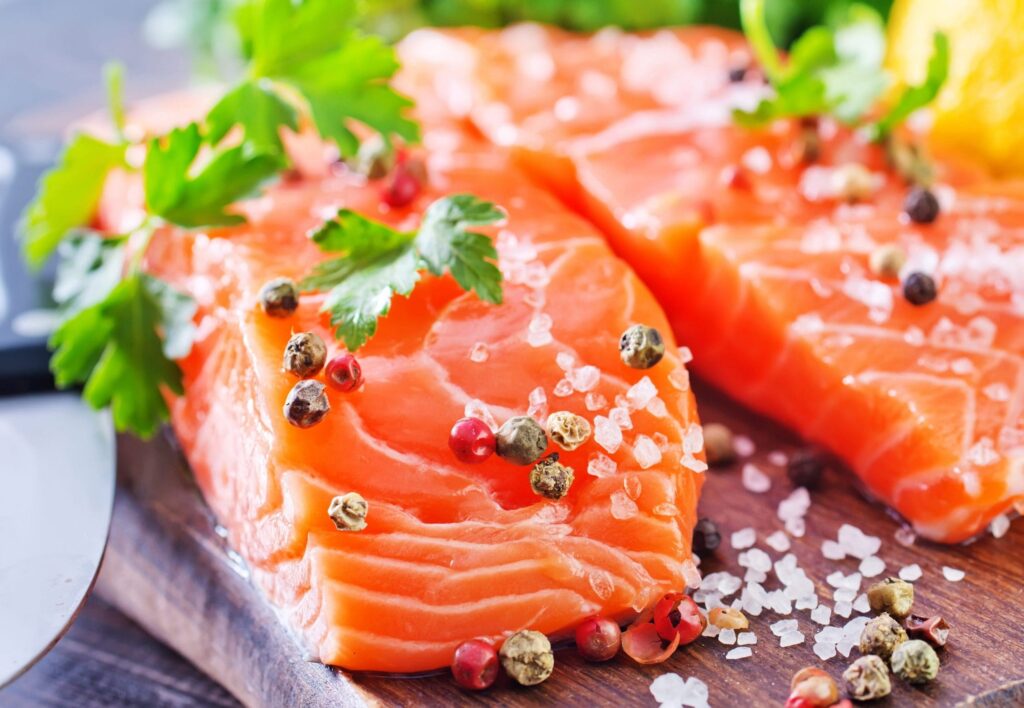
Salmon is a fatty fish rich in high-quality protein, omega-3 fatty acids (EPA and DHA), selenium, and vitamin D. A 100-gram serving of wild-caught salmon provides around 25 grams of protein and 2.2 grams of omega-3 fats.
Impact on Belly Fat
Protein plays a central role in weight regulation, as it increases satiety, preserves lean mass, and boosts thermogenesis. But the belly fat-reducing properties of salmon are mainly attributed to its omega-3 content. These long-chain polyunsaturated fats have potent anti-inflammatory effects and regulate lipid metabolism.
A 6-month randomized controlled study published in the International Journal of Obesity (Thorsdottir et al., 2007) found that overweight subjects who consumed salmon or cod as part of a calorie-restricted diet lost significantly more weight and abdominal fat compared to those who did not consume fish. Notably, the group consuming fatty fish (salmon) saw the greatest reduction in visceral fat.
Omega-3s also influence gene expression related to fat storage. They activate PPAR-alpha and downregulate SREBP-1c, two nuclear receptors that modulate lipid metabolism, enhancing fat oxidation and reducing lipogenesis.
Vitamin D status is inversely associated with visceral adiposity. Salmon provides a bioavailable source of vitamin D, which supports hormone regulation and metabolic health.
Mechanisms at Work
- Omega-3s reduce hepatic fat accumulation and inflammation in adipose tissue.
- High-quality protein increases post-meal thermogenesis and maintains muscle mass during weight loss.
- Vitamin D modulates genes associated with fat storage and energy regulation.
Summary and Practical Recommendations
While no single food will eliminate belly fat on its own, integrating scientifically supported superfoods such as avocados, green tea, and salmon into a balanced diet can accelerate the process. These foods influence belly fat through multiple mechanisms, including improving insulin sensitivity, reducing inflammation, and enhancing fat oxidation. When paired with regular physical activity, sufficient sleep, and stress management, these dietary changes can produce substantial results.
To get the most out of these superfoods:
- Replace carbohydrate-dense snacks with avocado-based meals.
- Consume 2–3 cups of green tea daily, ideally between meals.
- Include fatty fish like salmon in your diet at least twice per week.
As with all health strategies, consistency and personalization matter. Consult with a registered dietitian or healthcare provider for individualized recommendations, particularly if you have pre-existing conditions or are taking medication.
References
Hursel, R., Viechtbauer, W. and Westerterp-Plantenga, M.S., 2011. The effects of green tea on weight loss and weight maintenance: a meta-analysis. International Journal of Obesity, 33(9), pp.956–961.
Nagao, T., Hase, T. and Tokimitsu, I., 2007. A green tea extract high in catechins reduces body fat and cardiovascular risks in humans. Obesity, 15(6), pp.1473–1483.
Paniagua, J.A., de la Sacristana, A.G., Sánchez, E., Romero, I., Vidal-Puig, A., Berral, F.J., Escribano, A., Moyano, M.J., Peréz-Martínez, P., López-Miranda, J. and Pérez-Jiménez, F., 2007. A MUFA-rich diet improves postprandial glucose, lipid and GLP-1 responses in insulin-resistant subjects. Diabetes Care, 30(7), pp.1717–1723.
Thorsdottir, I., Tomasson, H., Gunnarsdottir, I., Gisladottir, K., Kiely, M., Parra, M.D., Bandarra, N.M. and Schaafsma, G., 2007. Randomized trial of weight-loss-diets for young adults varying in fish and fish oil content. International Journal of Obesity, 31(10), pp.1560–1566.
Venables, M.C., Hulston, C.J., Cox, H.R. and Jeukendrup, A.E., 2008. Green tea extract ingestion, fat oxidation, and glucose tolerance in healthy humans. The American Journal of Clinical Nutrition, 87(3), pp.778–784.
Wang, L., Bordi, P.L., Fleming, J.A., Hill, A.M., Kris-Etherton, P.M., 2021. Effects of avocado consumption on abdominal adiposity: a randomized controlled trial. The Journal of Nutrition, 151(7), pp.1799–1806.