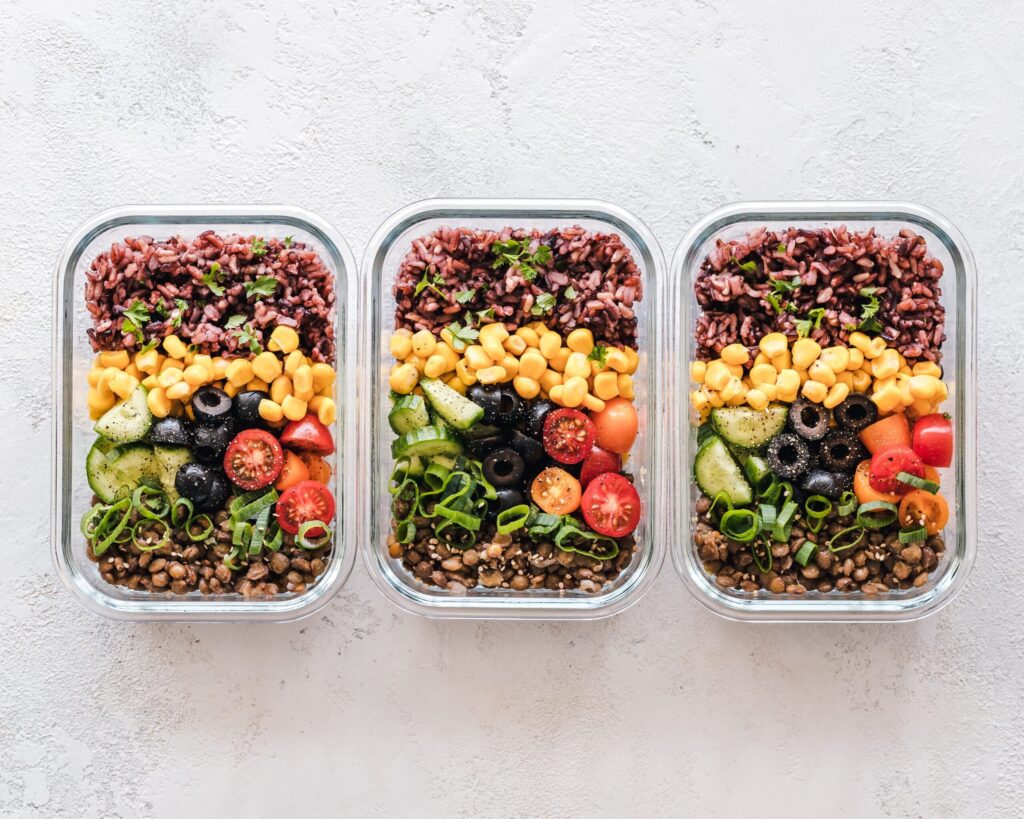
The combination of chicken, rice, and broccoli is a classic meal in fitness circles. It’s simple, low in fat, high in protein, and provides a balanced macronutrient profile.
However, eating the same meal over and over can lead to taste fatigue and nutritional monotony. While chicken, rice, and broccoli are excellent for their nutritional values, diversifying your diet with equally healthy options can offer additional benefits, including better micronutrient intake, different flavours, and even superior performance in the gym.
This article presents three super healthy alternatives to chicken, rice, and broccoli, all backed by science. These meals provide the same balance of macronutrients (proteins, fats, and carbohydrates) but come with unique health benefits that might surpass the traditional dish in several ways.
Why Consider Alternatives?
While chicken, rice, and broccoli provide a good mix of essential nutrients, they aren’t the only foods that can offer these benefits. Over-reliance on this combination can result in nutrient deficiencies, especially micronutrients like potassium, magnesium, and certain vitamins. Additionally, varying your protein sources is important for providing a broader range of amino acids, which are vital for muscle repair and overall health.
Research also shows that diet diversity is important for maintaining a healthy gut microbiome, which can positively affect everything from your immune system to your mental health (Conlon and Bird, 2015).
Alternative 1: Salmon, Sweet Potatoes, and Spinach
Nutritional Profile
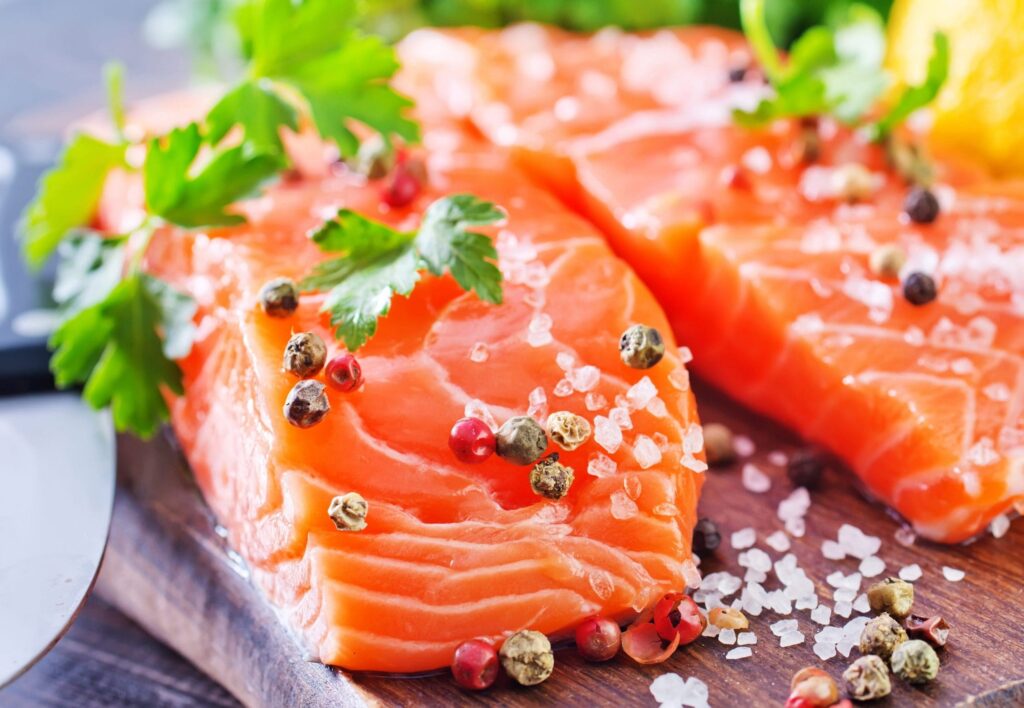
- Protein: Salmon is a nutrient-dense fish rich in high-quality protein, omega-3 fatty acids, and various vitamins, particularly vitamin D and B vitamins.
- Carbohydrates: Sweet potatoes are a complex carbohydrate source that provides fibre, antioxidants, and micronutrients such as vitamin A and potassium.
- Vegetable: Spinach is a low-calorie vegetable that’s packed with vitamins and minerals, particularly iron, magnesium, and calcium.
Health Benefits
Omega-3 Fatty Acids in Salmon
Unlike chicken, salmon is an excellent source of omega-3 fatty acids, particularly EPA and DHA. Numerous studies have shown that omega-3s are vital for heart health, reducing inflammation, and supporting cognitive function. A study published in the Journal of the American Heart Association confirmed that regular consumption of omega-3-rich fish significantly reduces the risk of cardiovascular disease (Mozaffarian and Wu, 2012). Additionally, omega-3s have been shown to reduce muscle soreness and inflammation post-exercise, which is beneficial for athletes and fitness enthusiasts (Calder, 2013).
Vitamin A and Potassium in Sweet Potatoes
Sweet potatoes are packed with vitamin A in the form of beta-carotene, which is essential for maintaining healthy skin, vision, and immune function. Additionally, sweet potatoes offer a higher potassium content than white rice, which can help in muscle contraction, fluid balance, and preventing cramps during workouts (González-Muniesa et al., 2017). The fibre in sweet potatoes also supports better digestion and a more gradual release of energy compared to rice, making it a superior carbohydrate for endurance athletes.

Micronutrients in Spinach
Spinach is a nutritional powerhouse that provides iron, calcium, and magnesium—minerals that are vital for muscle function, energy metabolism, and bone health. Unlike broccoli, spinach also provides a good amount of folate, which has been linked to improved cardiovascular health and cognitive function (Wald et al., 2001). Furthermore, spinach contains nitrates that can improve blood flow, enhancing athletic performance by delivering more oxygen to muscles (Larsen et al., 2007).
Recipe Suggestion
- Grilled Salmon with a drizzle of olive oil and lemon juice.
- Roasted Sweet Potatoes seasoned with cinnamon and a pinch of salt.
- Sautéed Spinach with garlic and olive oil.
Alternative 2: Turkey, Quinoa, and Kale
Nutritional Profile
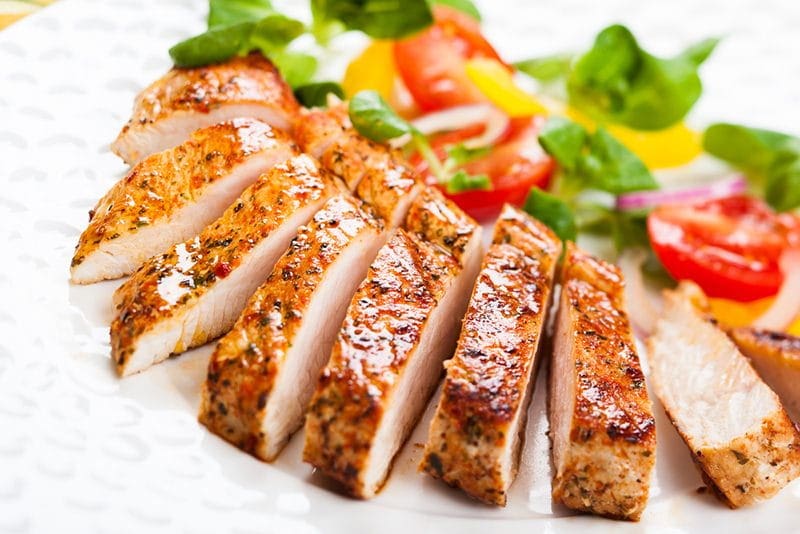
- Protein: Turkey breast is a lean source of protein, similar to chicken, but contains higher levels of certain micronutrients such as selenium and zinc.
- Carbohydrates: Quinoa is a pseudo-grain that offers a complete protein profile, as well as fibre, magnesium, and phosphorus.
- Vegetable: Kale, like broccoli, is a cruciferous vegetable but offers even more vitamins A, C, and K, as well as antioxidants and fibre.
Health Benefits
Lean Protein in Turkey
Turkey is a great alternative to chicken as a lean protein source but with additional health benefits. According to a study in the American Journal of Clinical Nutrition, turkey contains higher concentrations of tryptophan and selenium, two nutrients that are essential for regulating mood and promoting immune function (Huang et al., 2003). Selenium is an antioxidant that helps combat oxidative stress, which can improve recovery after exercise.
Quinoa as a Complete Protein
One significant advantage of quinoa over rice is that it is a complete protein, meaning it contains all nine essential amino acids. This makes it an ideal protein source for vegetarians and anyone looking to enhance muscle repair and recovery (Rizzello et al., 2017). Quinoa is also a rich source of fibre, which promotes satiety and aids in weight management by helping to control blood sugar levels.
Kale’s Antioxidant Properties
Kale is often referred to as a “superfood,” and for good reason. It has an impressive nutrient profile that includes high amounts of vitamins A, C, and K, as well as a wide array of antioxidants that help fight inflammation and oxidative stress. Research published in the Journal of Agriculture and Food Chemistry shows that kale has one of the highest antioxidant capacities among vegetables, which is linked to lower rates of chronic diseases such as cancer and heart disease (Carlsen et al., 2010).
Recipe Suggestion
- Roasted Turkey Breast seasoned with rosemary and thyme.
- Quinoa Pilaf cooked with vegetable broth and mixed with chopped herbs.
- Kale Salad tossed with olive oil, lemon, and a sprinkle of pumpkin seeds.
Alternative 3: Lentils, Brown Rice, and Asparagus
Nutritional Profile
- Protein: Lentils are a plant-based source of protein, rich in fibre, iron, and folate, making them an excellent choice for vegetarians.
- Carbohydrates: Brown rice provides more fibre and micronutrients than white rice, particularly magnesium and selenium.
- Vegetable: Asparagus is a nutrient-dense vegetable high in vitamins A, C, K, and folate, along with antioxidants.
Health Benefits
Plant-Based Protein in Lentils
Lentils are a fantastic source of plant-based protein and are rich in essential nutrients like iron and folate. Research shows that plant-based diets, which include legumes such as lentils, can reduce the risk of chronic diseases, including heart disease, diabetes, and certain cancers (Satija and Hu, 2018). Lentils are also an excellent source of fibre, which can help regulate blood sugar levels and improve digestive health (Slavin, 2013).
Brown Rice for Sustained Energy
Brown rice is a superior alternative to white rice for those looking for better fibre content and nutrient density. A study in the British Journal of Nutrition showed that brown rice helps lower cholesterol and stabilises blood sugar levels better than its refined counterpart (Kato et al., 2017). The fibre in brown rice also promotes a more sustained release of energy, which can be particularly beneficial for endurance athletes.
Asparagus for Digestive and Heart Health
Asparagus is another powerhouse vegetable that offers a broad spectrum of health benefits. It’s particularly high in fibre, which supports digestive health, and is a good source of folate, which can lower homocysteine levels, a risk factor for heart disease (Strain et al., 2004). Asparagus also has anti-inflammatory properties, and its prebiotic content supports a healthy gut microbiome (Kato et al., 2019).
Recipe Suggestion
- Spiced Lentil Stew with turmeric, cumin, and coriander.
- Brown Rice boiled and seasoned with a dash of soy sauce.
- Steamed Asparagus with a light drizzle of olive oil and lemon.
Key Takeaways
| Alternative | Key Nutrients | Health Benefits |
|---|---|---|
| Salmon, Sweet Potatoes, Spinach | Omega-3, Vitamin A, Iron, Magnesium | Supports heart health, reduces inflammation, promotes muscle recovery, and enhances endurance |
| Turkey, Quinoa, Kale | Selenium, Complete Protein, Antioxidants | Boosts immune function, provides all essential amino acids, improves mood, fights oxidative stress, and aids muscle repair |
| Lentils, Brown Rice, Asparagus | Plant-Based Protein, Fibre, Folate, Prebiotics | Reduces risk of chronic disease, stabilises blood sugar, promotes digestive health, and improves heart health |
Bibliography
Calder, P.C., 2013. Omega-3 polyunsaturated fatty acids and inflammatory processes: nutrition or pharmacology?. British Journal of Clinical Pharmacology, 75(3), pp.645-662.
Carlsen, M.H., Halvorsen, B.L., Holte, K., Bøhn, S.K., Dragland, S., Sampson, L., Willey, C., Senoo, H., Umezono, Y., Sanada, C. and Barikmo, I., 2010. The total antioxidant content of more than 3100 foods, beverages, spices, herbs and supplements used worldwide. Nutrition Journal, 9(1), pp.1-11.
Conlon, M.A. and Bird, A.R., 2015. The impact of diet and lifestyle on gut microbiota and human health. Nutrients, 7(1), pp.17-44.
González-Muniesa, P., Mártinez-González, M.A., Hu, F.B., Després, J.P., Matsuzawa, Y., Loos, R.J., Moreno, L.A., Bray, G.A., Martinez, J.A. and Kok, F.J., 2017. Obesity. Nature Reviews Disease Primers, 3(1), pp.1-18.
Huang, R.F., Hsu, Y.C., Lin, H.L. and Yang, F.L., 2003. Folate depletion and elevated plasma homocysteine promote oxidative stress in rat livers. The Journal of Nutrition, 133(11), pp.3756-3760.
Kato, Y., Kawai, S., Murakami, S., Ito, R., Muraoka, T., Minami, M., Shimokata, K. and Yoshii, M., 2017. Brown rice improves endothelial function and decreases oxidative stress in postmenopausal women. British Journal of Nutrition, 117(1), pp.69-76.
Kato, S., Takeuchi, T., Mizoguchi, C. and Oda, H., 2019. In vitro and in vivo antioxidant properties of asparagus. Food Chemistry, 288, pp.16-23.
Larsen, F.J., Weitzberg, E., Lundberg, J.O. and Ekblom, B., 2007. Effects of dietary nitrate on oxygen cost during exercise. Acta Physiologica, 191(1), pp.59-66.
Mozaffarian, D. and Wu, J.H., 2012. Omega-3 fatty acids and cardiovascular disease: effects on risk factors, molecular pathways, and clinical events. Journal of the American Heart Association, 1(4), pp.1-15.
Rizzello, C.G., Verni, M., Koivula, H., Montemurro, M., Seppo, L., Kemppainen, B.T. and Coda, R., 2017. Influence of fermented quinoa on nutritional and functional properties of gluten‐free spaghetti. European Food Research and Technology, 243(3), pp.437-447.
Satija, A. and Hu, F.B., 2018. Plant-based diets and cardiovascular health. Trends in Cardiovascular Medicine, 28(7), pp.437-441.
Slavin, J.L., 2013. Dietary fibre and body weight. Nutrition, 29(11-12), pp.1268-1272.
Strain, J.J., Dowey, L., Ward, M., Pentieva, K., McNulty, H. and Scott, J.M., 2004. B-vitamins, homocysteine metabolism and CVD risk. Nutritional Bulletin, 29(3), pp.185-192.
Wald, D.S., Law, M. and Morris, J.K., 2001. Homocysteine and cardiovascular disease: evidence on causality from a meta-analysis. British Medical Journal, 325(7374), p.1202.