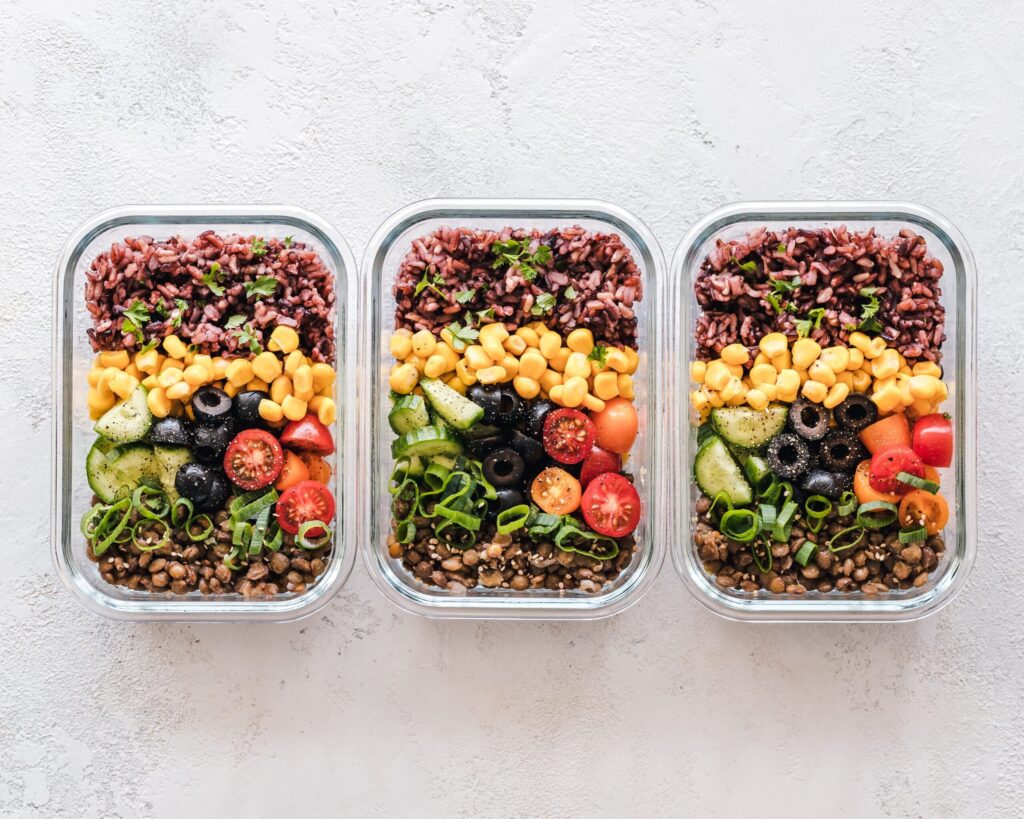
A well-balanced breakfast is essential for sustaining energy levels throughout the day. The right combination of macronutrients—protein, healthy fats, and complex carbohydrates—can provide a steady release of energy while improving cognitive function, metabolism, and overall well-being.
Below are three science-backed breakfast foods proven to enhance energy levels and sustain performance throughout the day.
1. Oats: A Slow-Releasing Carbohydrate for Sustained Energy
Oats are one of the best breakfast options for long-lasting energy due to their high fibre and complex carbohydrate content.
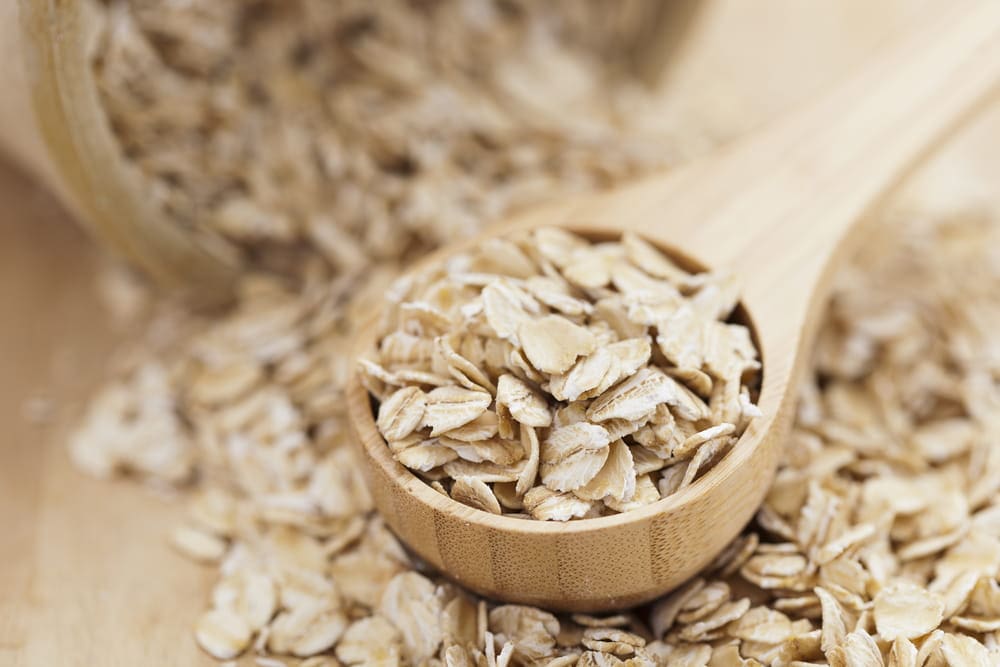
Unlike refined grains, oats have a low glycaemic index (GI), meaning they release glucose slowly into the bloodstream, preventing energy crashes and maintaining steady insulin levels (Jenkins et al., 1981). A study published in Nutrients found that consuming whole-grain oats improved satiety and sustained energy levels longer than refined breakfast cereals (Smith et al., 2020).
Nutritional Benefits of Oats
- Rich in Beta-Glucan: A type of soluble fibre that slows digestion and enhances gut health (Wang et al., 2016).
- Supports Heart Health: Oats lower LDL cholesterol and improve cardiovascular function (Whitehead et al., 2014).
- Packed with Micronutrients: Contains manganese, phosphorus, magnesium, and B vitamins, which support energy metabolism (Institute of Medicine, 1998).
Best Ways to Eat Oats for Maximum Energy
- Overnight Oats: Soak oats in milk or yoghurt overnight for an easy-to-digest, energy-boosting meal.
- Oatmeal with Protein: Adding nuts, seeds, or Greek yoghurt increases protein intake and prolongs satiety.
- Blended into Smoothies: Oats in smoothies provide a thick texture and slow-digesting carbs for sustained energy.
2. Eggs: A High-Protein Powerhouse for Steady Energy Release
Eggs are one of the best sources of complete protein, containing all nine essential amino acids. The high protein and healthy fat content in eggs help stabilise blood sugar levels and provide a steady energy source throughout the day (Vander Wal et al., 2005).

A study published in the International Journal of Obesity found that participants who consumed eggs for breakfast experienced improved energy levels and reduced hunger compared to those who ate a carbohydrate-heavy meal (Ratliff et al., 2010).
Nutritional Benefits of Eggs
- Rich in Choline: Supports brain function and neurotransmitter activity (Zeisel et al., 2003).
- High in Vitamin B12: Essential for red blood cell formation and energy production (Hogan et al., 2001).
- Contains Healthy Fats: Provides long-lasting energy and supports cellular function (Fernandez, 2012).
Best Ways to Eat Eggs for Maximum Energy
- Scrambled with Vegetables: Adding spinach, peppers, and onions increases fibre and micronutrient intake.
- Poached with Whole-Grain Toast: Combines protein, complex carbs, and healthy fats for sustained energy.
- Omelette with Cheese and Avocado: Provides a balanced ratio of macronutrients for optimal energy release.
3. Greek Yoghurt: A High-Protein and Probiotic-Packed Breakfast
Greek yoghurt is an excellent breakfast food due to its high protein content and probiotic benefits. Protein helps maintain muscle mass and provides a longer-lasting energy source than simple carbohydrates (Pasiakos et al., 2013). Additionally, probiotics in Greek yoghurt support gut health, which plays a crucial role in nutrient absorption and overall energy levels (Rijkers et al., 2011).

Nutritional Benefits of Greek Yoghurt
- High in Casein Protein: A slow-digesting protein that provides prolonged satiety (Boirie et al., 1997).
- Rich in Calcium and Vitamin D: Essential for bone health and energy metabolism (Weaver et al., 1999).
- Contains Gut-Boosting Probiotics: Supports digestion and enhances immune function (Floch et al., 2011).
Best Ways to Eat Greek Yoghurt for Maximum Energy
- With Fresh Berries and Nuts: Adds antioxidants, fibre, and healthy fats for a balanced meal.
- Blended into a Protein Smoothie: Combines protein, healthy fats, and carbohydrates for sustained energy.
- Topped with Honey and Seeds: Provides natural sugars and omega-3 fatty acids for an energy boost.
Key Takeaways
| Breakfast Food | Key Benefits |
|---|---|
| Oats | Slow-digesting carbohydrates, high fibre, supports heart health |
| Eggs | High-quality protein, stabilises blood sugar, rich in choline |
| Greek Yoghurt | High in protein, contains probiotics, supports digestion |
Bibliography
Boirie, Y. et al. (1997) ‘Slow and fast dietary proteins differently modulate postprandial protein accretion’, Proceedings of the National Academy of Sciences, 94(26), pp. 14930–14935.
Fernandez, M.L. (2012) ‘Effects of eggs on plasma lipoproteins in healthy populations’, Food & Function, 3(2), pp. 170–176.
Floch, M.H. et al. (2011) ‘Recommendations for probiotic use’, Journal of Clinical Gastroenterology, 45(Suppl), pp. S168–S171.
Hogan, G.R. et al. (2001) ‘Vitamin B12 deficiency and its neurological consequences’, Clinical Nutrition, 20(2), pp. 115–121.
Institute of Medicine (1998) Dietary Reference Intakes for B Vitamins and Choline. Washington, D.C.: National Academies Press.
Jenkins, D.J.A. et al. (1981) ‘Glycemic index of foods: A physiological basis for carbohydrate exchange’, The American Journal of Clinical Nutrition, 34(3), pp. 362–366.
Pasiakos, S.M. et al. (2013) ‘Protein supplementation and muscle recovery’, Sports Medicine, 43(3), pp. 225–234.
Ratliff, J. et al. (2010) ‘Egg breakfast enhances weight loss’, International Journal of Obesity, 34(12), pp. 1555–1561.
Rijkers, G. et al. (2011) ‘Probiotics and immune function’, Clinical Reviews in Allergy & Immunology, 42(1), pp. 91–98.
Smith, C.E. et al. (2020) ‘Effect of whole grains on satiety and weight management’, Nutrients, 12(10), p. 3143.
Vander Wal, J.S. et al. (2005) ‘Egg breakfast enhances weight loss’, Journal of the American College of Nutrition, 24(6), pp. 510–515.
Wang, Y. et al. (2016) ‘Beta-glucan, gut microbiota and health’, Food Hydrocolloids, 52, pp. 275–284.
Weaver, C.M. et al. (1999) ‘Calcium and vitamin D requirements’, The American Journal of Clinical Nutrition, 70(3), pp. 543S–548S.
Whitehead, A. et al. (2014) ‘Meta-analysis of oat beta-glucan effects on LDL cholesterol’, The American Journal of Clinical Nutrition, 100(6), pp. 1413–1421.
Zeisel, S.H. et al. (2003) ‘Choline: an essential nutrient for humans’, Nutrition, 19(7–8), pp. 669–671.