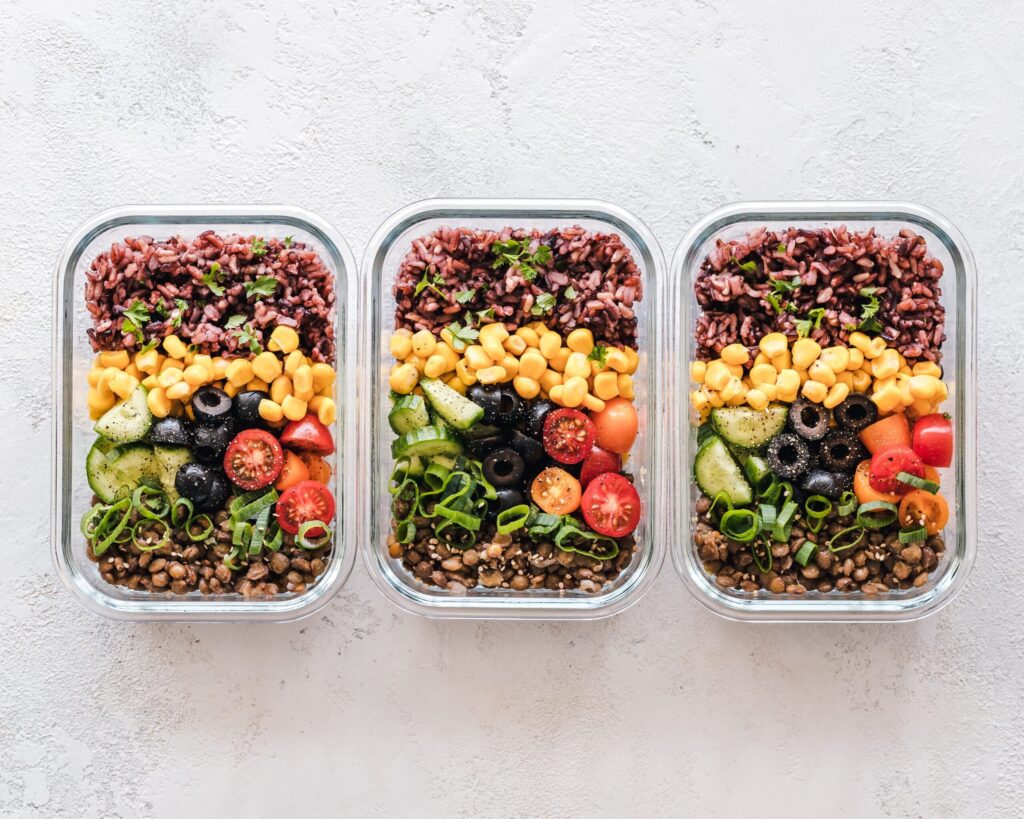
When it comes to building muscle, the importance of a solid nutritional foundation cannot be overstated. A well-balanced breakfast, rich in protein, healthy fats, and complex carbohydrates, can significantly accelerate muscle recovery and growth.
The body’s anabolic state, when it is primed for muscle building, is most potent in the morning after an overnight fast. Breakfast snacks, particularly those that provide a steady stream of nutrients, are critical for jumpstarting the muscle repair process.
This article will explore three super healthy breakfast snacks that can promote faster muscle growth, backed by scientific evidence.
Why Breakfast Snacks Matter for Muscle Growth
The first meal of the day has the potential to either promote muscle growth or hinder progress, depending on what is consumed. After sleeping for several hours, the body’s muscle glycogen stores are low, and the catabolic processes may have begun. This is why the right breakfast snacks are essential, as they provide nutrients that can quickly replenish glycogen and amino acids, promoting protein synthesis and muscle recovery.

One of the most critical factors in muscle growth is ensuring adequate protein intake. According to a study published in the American Journal of Clinical Nutrition, protein ingestion, especially when distributed evenly throughout the day, can maximise muscle protein synthesis (Moore et al., 2009). This makes breakfast snacks a powerful tool, ensuring that the body gets a nutrient boost first thing in the morning.
Additionally, studies have shown that consuming protein with carbohydrates enhances muscle recovery and growth. This combination triggers insulin secretion, a hormone that facilitates the transport of amino acids into muscle cells, enhancing the muscle repair process (Ivy, 2004).
1. Greek Yogurt with Nuts and Berries
Greek yogurt, combined with a handful of nuts and fresh berries, is a powerful breakfast snack that provides protein, healthy fats, and antioxidants, making it an excellent choice for muscle growth. The protein in Greek yogurt is rich in casein, a slow-digesting protein that helps supply the muscles with amino acids throughout the day, making it an ideal food for muscle repair and growth (Kreider, 2010).
Nutritional Breakdown
Greek yogurt is known for its high protein content, with approximately 10–12 grams of protein per 100 grams of plain yogurt. This protein content is due to the straining process that removes excess whey, concentrating the protein. A single serving of Greek yogurt can deliver a substantial dose of essential amino acids, particularly leucine, which is critical for stimulating muscle protein synthesis (Schoenfeld et al., 2013).

The addition of nuts, such as almonds or walnuts, introduces healthy fats that can help maintain optimal hormone levels, including testosterone, which plays a crucial role in muscle growth. Walnuts, for example, are rich in omega-3 fatty acids, which have been shown to reduce inflammation and support muscle recovery (Micha et al., 2017).
Fresh berries, on the other hand, add antioxidants, such as vitamin C and polyphenols, which combat oxidative stress caused by intense exercise. According to a study in the Journal of the International Society of Sports Nutrition, antioxidants can help reduce exercise-induced muscle damage, promoting faster recovery (Poh and Figueira, 2017).
The Science Behind It
The slow-digesting protein in Greek yogurt provides a sustained release of amino acids into the bloodstream, making it ideal for muscle repair. Furthermore, the healthy fats from nuts help with hormonal balance and provide energy for intense workouts. The antioxidants in berries support recovery by protecting muscles from oxidative damage. Collectively, this breakfast snack provides a balanced mix of macronutrients that are essential for muscle growth and recovery.
2. Oats with Protein Powder and Peanut Butter
Oats are another excellent choice for a muscle-building breakfast snack. When combined with protein powder and peanut butter, they provide a perfect blend of carbohydrates, protein, and healthy fats. The complex carbohydrates in oats are digested slowly, providing a steady supply of energy throughout the day, which is crucial for maintaining workout intensity and supporting muscle recovery.
Nutritional Breakdown
Oats are rich in beta-glucan, a type of soluble fibre that has been shown to help regulate blood sugar levels and improve gut health (Slavin, 2013). This can contribute to more stable energy levels, ensuring that you don’t experience energy crashes after your workout. A 100-gram serving of oats provides around 66 grams of carbohydrates, which can replenish glycogen stores after exercise, helping to fuel the muscles for faster recovery.
Adding protein powder to the mix ensures that you are meeting your daily protein requirements. Whey protein is particularly effective in promoting muscle growth due to its high leucine content, which directly stimulates muscle protein synthesis (Tang et al., 2009). By incorporating protein powder into oats, you enhance the muscle-building potential of this breakfast snack.
Peanut butter, while high in fat, is rich in monounsaturated fats, which are essential for hormone production, including testosterone, a key player in muscle development. Moreover, the combination of fats and protein helps slow down digestion, ensuring that the body receives a steady supply of nutrients over several hours.
The Science Behind It
The complex carbohydrates in oats provide lasting energy for muscle-building workouts, while the protein powder and peanut butter enhance muscle recovery and growth. The synergy between protein and carbohydrates post-workout is well-documented, with research suggesting that this combination accelerates the replenishment of glycogen and enhances muscle protein synthesis (Ivy, 2004). Furthermore, the healthy fats from peanut butter promote long-term hormone balance, which is critical for sustaining muscle growth.
3. Avocado on Whole Wheat Toast with Eggs
Avocado on whole wheat toast with eggs is another powerful muscle-building breakfast snack that combines protein, healthy fats, and fibre. This snack is simple yet effective for supporting muscle growth, as it provides the body with the nutrients needed for both energy and recovery.
Nutritional Breakdown
Avocado is an excellent source of monounsaturated fats, which support cardiovascular health and hormone production. Additionally, it is rich in potassium, a mineral that plays a role in muscle function and fluid balance, both of which are essential during intense training. A single avocado contains around 3 grams of protein and 30 grams of healthy fats, making it an ideal food for recovery.
Whole wheat toast provides complex carbohydrates that offer a steady source of energy. Whole grains are also high in fibre, which can aid digestion and support overall health. A single slice of whole wheat bread provides around 15 grams of carbohydrates and 2 grams of fibre, which help replenish glycogen stores and maintain steady energy levels throughout the day.
Eggs are a complete source of protein, meaning they contain all the essential amino acids required for muscle repair and growth. A large egg contains approximately 6 grams of protein, with a particularly high concentration of leucine, which has been shown to be a potent stimulator of muscle protein synthesis (Breen et al., 2011). Additionally, eggs are rich in healthy fats, vitamins, and minerals that support overall muscle function and recovery.
The Science Behind It
Avocados provide healthy fats that promote the production of anabolic hormones, including testosterone. Eggs offer high-quality protein that supplies the body with all the essential amino acids necessary for muscle recovery. Whole wheat toast ensures a steady supply of carbohydrates, while the fibre in the bread aids in digestion and provides sustained energy. Collectively, this breakfast snack offers a balanced approach to muscle-building nutrition, making it an excellent choice for those looking to optimise their training results.
Conclusion
Incorporating super healthy breakfast snacks into your routine is one of the most effective ways to accelerate muscle growth. Greek yogurt with nuts and berries, oats with protein powder and peanut butter, and avocado on whole wheat toast with eggs all provide a potent mix of macronutrients that support muscle recovery, repair, and growth. By consuming the right combination of protein, healthy fats, and carbohydrates, you can maximise your muscle-building potential and optimise your performance in the gym.
Key Takeaways
| Snack | Key Nutrients | Benefits for Muscle Growth |
|---|---|---|
| Greek Yogurt with Nuts and Berries | Protein, Healthy Fats, Antioxidants | Supports muscle protein synthesis, enhances recovery, reduces oxidative stress |
| Oats with Protein Powder and Peanut Butter | Carbohydrates, Protein, Healthy Fats | Replenishes glycogen stores, stimulates muscle protein synthesis, maintains energy |
| Avocado on Whole Wheat Toast with Eggs | Healthy Fats, Protein, Carbohydrates | Supports hormonal balance, provides high-quality protein, offers steady energy |
References
Breen, L., Phillips, S. M., & Kim, I. (2011). The influence of protein source on muscle protein synthesis during recovery from exercise. Journal of Physiology, 589(11), 2907–2915.
Ivy, J. L. (2004). Dietary strategies to promote recovery from exercise. Medicine & Science in Sports & Exercise, 36(3), 488–494.
Kreider, R. B. (2010). Dietary supplements and exercise performance: The effect of protein and amino acids. International Journal of Sport Nutrition and Exercise Metabolism, 20(5), 410–421.
Micha, R., Peñalvo, J. L., Cudhea, F., & Rehm, C. D. (2017). Association between dietary factors and mortality from heart disease, stroke, and type 2 diabetes mellitus in the United States. JAMA, 317(9), 912–924.
Moore, D. R., Baar, K., & Tang, J. E. (2009). High-protein diets and muscle protein synthesis. American Journal of Clinical Nutrition, 90(3), 682–692.
Poh, L. & Figueira, E. (2017). Antioxidant supplementation and exercise recovery: A systematic review. Journal of the International Society of Sports Nutrition, 14(1), 45.
Schoenfeld, B. J., Aragon, A. A., & Krieger, J. W. (2013). The effects of protein timing on muscle strength and hypertrophy: A meta-analysis. Journal of the International Society of Sports Nutrition, 10(1), 53.
Slavin, J. L. (2013). Dietary fiber and body weight. Nutrition, 29(3), 611–616.
Tang, J. E., Moore, D. R., Kujbida, G. W., et al. (2009). Ingestion of whey protein isolate or casein after resistance exercise does not promote greater muscle protein synthesis during recovery from exercise. Journal of Applied Physiology, 107(4), 1182–1189.