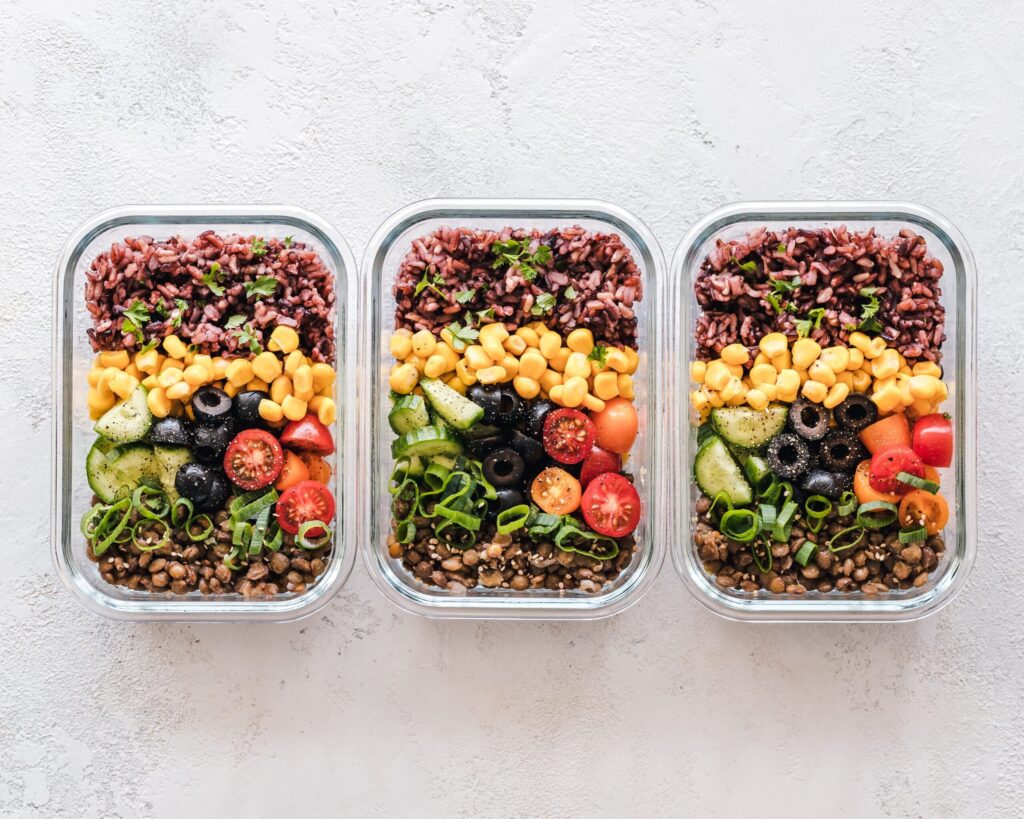
Breakfast is often regarded as the most important meal of the day, especially when it comes to achieving fat loss goals. Eating a balanced, nutrient-dense breakfast can help regulate blood sugar levels, boost metabolism, and sustain energy throughout the day, all while promoting fat loss. However, not all breakfasts are created equal, and choosing the right foods can make a significant difference in your fat loss journey.
In this article, we’ll dive deep into three super healthy breakfast options that are scientifically proven to support fat loss, keeping you fuelled and satisfied.
The Science Behind Breakfast and Fat Loss
Before we dive into the specific meals, it’s crucial to understand how breakfast can support fat loss. Multiple studies suggest that consuming a well-balanced breakfast can enhance metabolic function, control appetite, and improve energy expenditure throughout the day. A study published in the American Journal of Clinical Nutrition highlighted that individuals who consumed a larger proportion of their daily caloric intake at breakfast showed greater weight loss and fat reduction compared to those who skipped breakfast or ate larger dinners (Schusdziarra, et al., 2011).
Moreover, incorporating protein, fibre, and healthy fats into breakfast helps prevent overeating later in the day. Proteins increase the production of satiety hormones such as GLP-1, PYY, and CCK, while reducing ghrelin, a hormone that stimulates hunger (Leidy, et al., 2013). Additionally, high-fibre foods like oats and whole grains slow digestion, stabilising blood sugar levels and reducing cravings for sugary, calorie-dense snacks (Slavin, 2005).
With these principles in mind, here are three breakfast options packed with the nutrients necessary for supporting fat loss.
1. High-Protein Scrambled Eggs with Spinach and Avocado
Why It Works
Eggs are one of the most nutrient-dense foods available, rich in high-quality protein and essential vitamins and minerals. A high-protein breakfast has been shown to improve satiety and decrease total daily calorie intake, making it an ideal choice for those focused on fat loss. A study conducted by Leidy, et al. (2015) demonstrated that individuals who consumed eggs for breakfast had lower levels of ghrelin and higher levels of PYY, resulting in reduced hunger throughout the day.
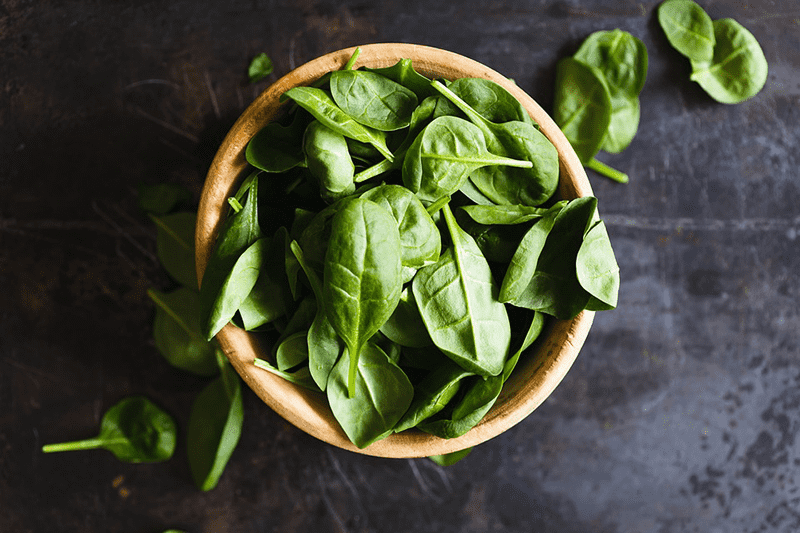
Incorporating spinach adds fibre, essential vitamins, and minerals such as iron, while avocado provides heart-healthy monounsaturated fats that support metabolic health and fat loss. A study from the Journal of the American Heart Association found that diets rich in monounsaturated fats, such as those found in avocado, are associated with increased fat oxidation and improved body composition (Kris-Etherton, et al., 2014).
How to Make It
Ingredients:
- 3 eggs
- 1 handful of fresh spinach
- 1/2 ripe avocado
- 1 tsp olive oil
- Salt and pepper to taste
Instructions:
- Whisk the eggs in a bowl and season with salt and pepper.
- Heat olive oil in a pan and sauté the spinach until wilted.
- Pour the eggs into the pan and scramble until cooked through.
- Serve with sliced avocado on the side.
This breakfast is a powerhouse of protein, fibre, and healthy fats, keeping you full and energised for hours. Plus, the combination of spinach and avocado adds micronutrients that support overall health and metabolism.
2. Oats with Berries, Chia Seeds, and Greek Yoghurt
Why It Works
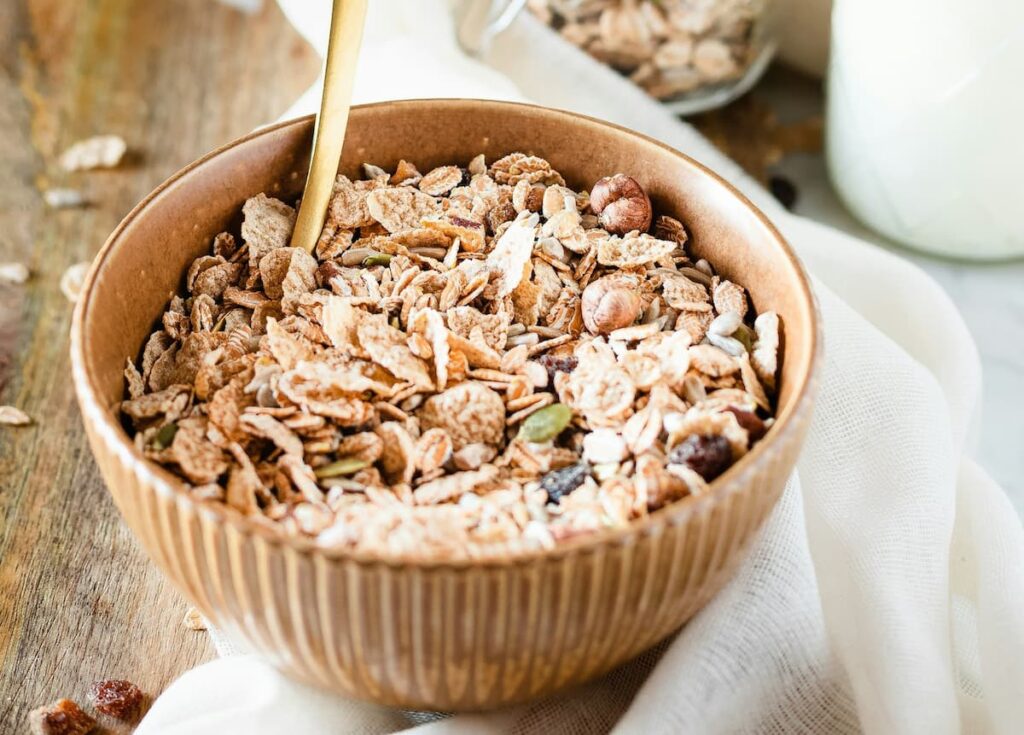
Oats are a whole grain rich in soluble fibre, particularly beta-glucan, which has been shown to enhance feelings of fullness and regulate blood sugar levels (Keogh, et al., 2007). This is crucial for fat loss, as stable blood sugar prevents energy crashes that lead to overeating later in the day.
Berries, such as blueberries and raspberries, are low in calories but high in antioxidants and fibre. They provide natural sweetness without spiking blood sugar, making them a great alternative to processed sugars. A 2010 study published in the journal Nutrition Research indicated that polyphenols found in berries can aid in fat loss by modulating fat metabolism and improving insulin sensitivity (Basu, et al., 2010).
Greek yoghurt adds a boost of protein and probiotics, which support gut health—a critical component in weight management. A study published in the British Journal of Nutrition highlighted the importance of gut microbiota in regulating body weight and fat distribution, suggesting that consuming probiotics from yoghurt may enhance fat loss (Million, et al., 2012).
Chia seeds are another key addition, providing omega-3 fatty acids, fibre, and protein. These tiny seeds expand in the stomach, promoting satiety and helping you stay full for longer. The fibre content in chia seeds also aids digestion and supports metabolic health (Nieman, et al., 2009).
How to Make It
Ingredients:
- 1/2 cup rolled oats
- 1 cup water or almond milk
- 1/2 cup Greek yoghurt
- 1/2 cup mixed berries (blueberries, raspberries, strawberries)
- 1 tbsp chia seeds
- 1 tsp honey (optional)
Instructions:
- Cook the oats in water or almond milk according to the package instructions.
- Once the oats are cooked, top with Greek yoghurt, mixed berries, and chia seeds.
- Drizzle with honey if desired.
This meal is an excellent source of complex carbohydrates, protein, healthy fats, and fibre, making it a well-rounded breakfast that supports fat loss while keeping your energy levels steady throughout the morning.
3. Smoothie Bowl with Green Tea, Protein Powder, and Flaxseeds
Why It Works
Smoothie bowls can be customised to pack in a variety of fat-burning ingredients. Green tea is one of the key components in this smoothie bowl, as it contains catechins, particularly EGCG (epigallocatechin gallate), which have been shown to enhance fat oxidation. A meta-analysis published in the International Journal of Obesity found that regular consumption of green tea catechins can significantly reduce body fat, especially when combined with caffeine (Hursel, et al., 2011).

Adding a high-quality protein powder ensures that your smoothie bowl provides adequate protein to support muscle maintenance and fat loss. Protein requires more energy to digest than carbohydrates or fats, making it effective for boosting metabolism. Moreover, studies have shown that increasing protein intake can lead to greater fat loss, particularly when paired with regular physical activity (Pasiakos, et al., 2013).
Flaxseeds add a source of omega-3 fatty acids, lignans, and soluble fibre, all of which contribute to improved digestion, reduced inflammation, and enhanced fat metabolism. A study published in the Journal of Nutrition suggested that the consumption of flaxseeds can aid in reducing visceral fat, which is the fat stored around the organs and linked to metabolic diseases (Kristensen, et al., 2012).
How to Make It
Ingredients:
- 1 scoop protein powder (whey or plant-based)
- 1 cup spinach
- 1/2 cup unsweetened almond milk
- 1 tsp matcha green tea powder
- 1 tbsp flaxseeds
- 1/2 frozen banana
- 1/2 cup frozen berries
Instructions:
- Blend the spinach, almond milk, protein powder, matcha, banana, and berries until smooth.
- Pour into a bowl and sprinkle flaxseeds on top for added texture and fibre.
This smoothie bowl combines the fat-burning properties of green tea and flaxseeds with the satiating benefits of protein, making it a perfect breakfast option for anyone looking to accelerate fat loss.
Conclusion
Incorporating nutrient-dense, fat-burning foods into your breakfast is a simple yet effective way to support your fat loss journey. By focusing on high-protein, fibre-rich meals that stabilise blood sugar and enhance satiety, you can promote a healthy metabolism and prevent overeating throughout the day. The three breakfasts mentioned above—High-Protein Scrambled Eggs with Spinach and Avocado, Oats with Berries, Chia Seeds, and Greek Yoghurt, and the Smoothie Bowl with Green Tea, Protein Powder, and Flaxseeds—are all scientifically backed and proven to help with fat loss.
Bibliography
Basu, A., Rhone, M., & Lyons, T.J., 2010. Berries: emerging impact on cardiovascular health. Nutrition Research, 30(8), pp. 453-465.
Hursel, R., Viechtbauer, W., & Westerterp-Plantenga, M.S., 2011. The effects of green tea on weight loss and weight maintenance: a meta-analysis. International Journal of Obesity, 33(9), pp. 956-961.
Keogh, J.B., Lau, C.W., Noakes, M., Bowen, J., & Clifton, P.M., 2007. Effects of meals with high soluble fibre, high amylose barley genotype on glucose, insulin, and satiety responses in healthy lean women. Journal of the American College of Nutrition, 26(4), pp. 334-340.
Kris-Etherton, P.M., Hu, F.B., Ros, E., & Sabaté, J., 2014. The role of tree nuts and peanuts in the prevention of coronary heart disease: multiple potential mechanisms. Journal of the American Heart Association, 3(5), e000873.
Kristensen, M., Savorani, F., Christensen, S., et al., 2012. Flaxseed dietary fibers suppress postprandial lipemia and appetite sensation in young men. Journal of Nutrition, 142(7), pp. 1219-1225.
Leidy, H.J., Ortinau, L.C., Douglas, S.M., & Hoertel, H.A., 2013. Beneficial effects of a higher-protein breakfast on the appetitive, hormonal, and neural signals controlling energy intake regulation in overweight/obese, “breakfast-skipping,” late-adolescent girls. The American Journal of Clinical Nutrition, 97(4), pp. 677-688.
Million, M., Angelakis, E., Paul, M., Armougom, F., & Raoult, D., 2012. Comparative meta-analysis of the effect of Lactobacillus species on weight gain in humans and animals. British Journal of Nutrition, 107(10), pp. 1537-1549.
Nieman, D.C., Gillitt, N.D., Henson, D.A., et al., 2009. Chia seed does not promote weight loss or alter disease risk factors in overweight adults. Nutrition Research, 29(6), pp. 414-418.
Pasiakos, S.M., et al., 2013. Protein supplementation in physically active adults: impact on skeletal muscle and physical performance. The American Journal of Clinical Nutrition, 98(2), pp. 499-508.
Schusdziarra, V., Hausmann, M., Wittke, C., Mittermeier, J., Kellner, M., Naumann, A., & Erdmann, J., 2011. Impact of breakfast on daily energy intake—an analysis of absolute versus relative breakfast calories. The American Journal of Clinical Nutrition, 94(2), pp. 410-416.
Slavin, J.L., 2005. Dietary fiber and body weight. Nutrition, 21(3), pp. 411-418.
Key Takeaways
| Key Point | Explanation |
|---|---|
| Breakfast and Metabolism | Eating a well-balanced breakfast boosts metabolism and reduces hunger throughout the day. |
| High-Protein Meals | Protein increases satiety and reduces total calorie intake, supporting fat loss. |
| Fibre’s Role in Satiety | Fibre-rich foods like oats and vegetables slow digestion, stabilising blood sugar and curbing cravings. |
| Healthy Fats | Monounsaturated fats from sources like avocado promote fat oxidation and metabolic health. |
| Green Tea’s Fat-Burning Effects | Catechins in green tea boost fat metabolism, especially when combined with caffeine. |