What you eat before training has a direct and measurable impact on how much energy you have, how well you perform, and how quickly you recover. Pre-workout nutrition is not about hype or trends. It is about supplying your body with the right mix of carbohydrates, protein, fats, and micronutrients at the right time to support muscular work, nervous system activation, and metabolic efficiency.
Research consistently shows that eating the right foods before exercise improves strength output, endurance capacity, reaction time, and perceived effort. Conversely, poor snack choices can lead to sluggishness, gastrointestinal discomfort, unstable blood sugar, or premature fatigue.
This article breaks down three genuinely healthy, high-energy snacks to eat before the gym. Each option is supported by strong scientific evidence and designed to be practical, accessible, and effective for real training sessions. No supplements. No gimmicks. Just food that works with human physiology.
Before diving into the snacks themselves, it is important to understand what a good pre-workout snack actually needs to do.
What a Pre-Workout Snack Needs to Do
A well-designed pre-workout snack should accomplish four main goals:
- Provide readily available energy
- Support muscle function and limit breakdown
- Maintain stable blood glucose levels
- Avoid digestive distress during training
Carbohydrates: The Primary Fuel Source
Carbohydrates are the dominant fuel source for moderate to high-intensity exercise. Muscle glycogen and blood glucose supply the majority of energy during resistance training, CrossFit-style workouts, sprinting, and interval-based conditioning.

Studies consistently show that carbohydrate availability before exercise improves power output, work capacity, and total training volume. Low carbohydrate availability, even in trained individuals, leads to reduced performance and increased perceived effort.
The ideal pre-workout snack contains carbohydrates that digest easily and raise blood glucose without causing a rapid crash.
Protein: Supporting Muscle and Recovery
While carbohydrates fuel the session, protein helps protect muscle tissue and primes muscle protein synthesis. Consuming protein before training increases amino acid availability in the bloodstream, which reduces muscle breakdown and enhances post-exercise recovery.
Research has demonstrated that protein ingestion before exercise can stimulate muscle protein synthesis to a similar extent as protein consumed afterward, especially when total daily intake is sufficient.
Fat: A Supporting Role
Fat slows digestion and provides longer-lasting energy, but too much fat immediately before training can delay gastric emptying and cause discomfort. Moderate amounts of healthy fats can be useful, especially for longer sessions, but they should not dominate the snack.
Micronutrients and Electrolytes
Vitamins, minerals, and electrolytes play a critical role in muscle contraction, nerve signaling, and energy metabolism. While these nutrients are often overlooked in pre-workout discussions, deficiencies can negatively impact performance, particularly during intense or prolonged training.
Snack 1: Banana With Natural Peanut Butter
This is one of the simplest and most effective pre-workout snacks available. It requires no preparation, is easy to digest for most people, and provides a powerful combination of fast and sustained energy.
Why This Snack Works
A banana paired with natural peanut butter delivers carbohydrates, potassium, healthy fats, and a modest amount of protein. This combination supports immediate energy needs while helping stabilize blood sugar during training.
Carbohydrate Content and Energy Availability
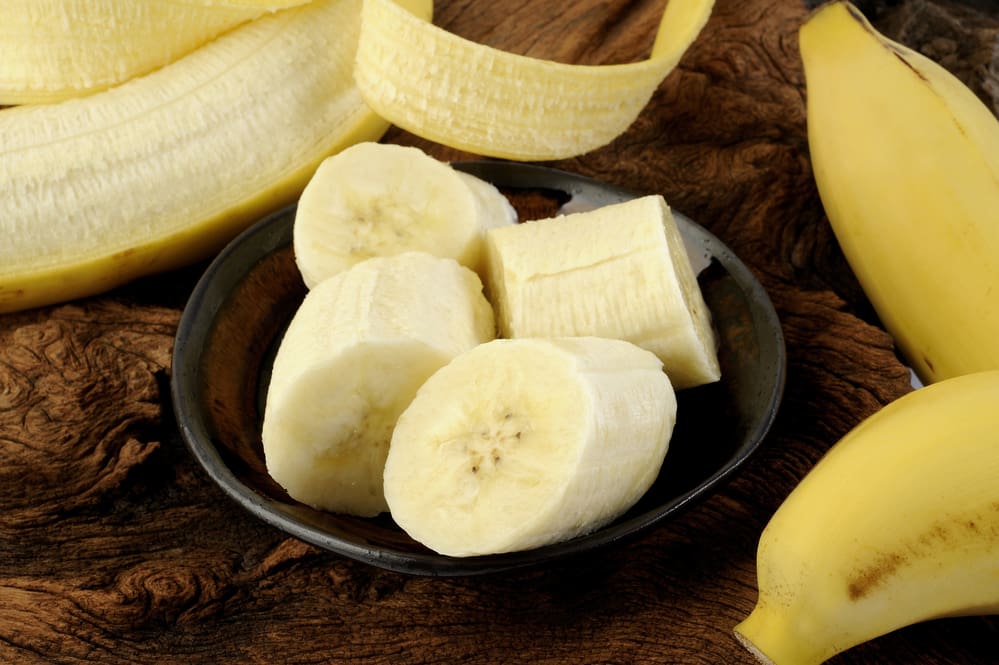
Bananas are rich in carbohydrates, primarily in the form of glucose, fructose, and sucrose. A medium banana contains approximately 27 grams of carbohydrates, which are rapidly absorbed and converted into usable energy.
Research has shown that bananas can be as effective as commercial carbohydrate drinks for fueling endurance exercise. In a controlled trial comparing bananas to sports drinks, athletes showed similar performance outcomes, blood glucose levels, and oxidative stress markers.
This makes bananas a whole-food alternative to processed energy sources.
Potassium and Muscle Function
Bananas are well known for their potassium content. Potassium is a critical electrolyte involved in muscle contraction, nerve transmission, and fluid balance. Low potassium levels can impair muscle function and contribute to cramping and weakness.
During exercise, potassium shifts out of muscle cells, and adequate intake supports normal neuromuscular activity. While bananas alone will not prevent cramps in all cases, their potassium content contributes to overall electrolyte balance.
Peanut Butter: Fat and Protein for Sustained Energy
Natural peanut butter adds healthy monounsaturated fats and a small amount of protein. These fats slow carbohydrate absorption just enough to prevent sharp spikes and drops in blood sugar without significantly delaying digestion.
Peanut butter also contains arginine, an amino acid involved in nitric oxide production, which plays a role in blood flow regulation. Improved blood flow may support nutrient delivery to working muscles.

Scientific Evidence
Studies show that combining carbohydrates with fats and protein before exercise leads to more stable blood glucose levels and improved endurance compared to carbohydrates alone. This combination is especially beneficial for sessions lasting longer than 45 minutes.
When to Eat It
Consume this snack approximately 30 to 60 minutes before training. This allows enough time for digestion while ensuring carbohydrates are available at the start of your session.
Snack 2: Greek Yogurt With Berries and Honey
This snack provides a balance of fast-digesting carbohydrates, high-quality protein, and bioactive compounds that support both performance and recovery.
Why This Snack Works
Greek yogurt is rich in protein, calcium, and probiotics. Berries add carbohydrates, fiber, and antioxidants. Honey provides rapidly absorbed sugars that increase blood glucose efficiently.
Together, these ingredients support energy production, muscle function, and metabolic health.
Protein Quality and Muscle Protection
Greek yogurt is particularly high in leucine, an essential amino acid that plays a central role in triggering muscle protein synthesis. Consuming leucine-rich protein before exercise increases amino acid availability during training and reduces muscle protein breakdown.
Research shows that pre-exercise protein ingestion enhances net muscle protein balance, especially when combined with resistance training.
Greek yogurt also contains casein and whey proteins. Whey digests quickly, while casein digests more slowly, providing both immediate and sustained amino acid delivery.
Carbohydrates for Immediate Fuel
Berries contribute natural sugars that provide energy without excessive glycemic spikes. Honey adds glucose and fructose, which are absorbed through different intestinal transporters. This dual absorption pathway allows for more efficient carbohydrate uptake and oxidation during exercise.
Studies have demonstrated that consuming multiple carbohydrate types improves carbohydrate oxidation rates and endurance performance compared to single-source carbohydrates.
Antioxidants and Exercise Stress
Berries are rich in polyphenols and antioxidants, including anthocyanins. Exercise increases oxidative stress, particularly during high-intensity training. While some oxidative stress is necessary for adaptation, excessive levels can impair recovery.

Research suggests that dietary antioxidants from whole foods may support recovery without blunting training adaptations when consumed in reasonable amounts.
Gut Health and Performance
Greek yogurt contains probiotics that support gut health. Emerging research links gut microbiota composition with exercise performance, inflammation regulation, and nutrient absorption. While this area is still developing, maintaining gut health is increasingly recognized as part of athletic performance.
Scientific Evidence
Multiple studies show that protein and carbohydrate co-ingestion before exercise improves performance, reduces muscle damage markers, and enhances recovery compared to carbohydrate alone.
Honey has also been shown to maintain blood glucose levels during prolonged exercise more effectively than some refined sugars.
When to Eat It
Consume this snack 60 to 90 minutes before training. The protein and fiber content require slightly more digestion time compared to fruit-based snacks.
Snack 3: Oatmeal With Chia Seeds and Fruit
This snack is ideal for longer or more demanding training sessions where sustained energy is critical. It provides complex carbohydrates, fiber, omega-3 fatty acids, and micronutrients that support endurance and metabolic efficiency.
Why This Snack Works
Oatmeal is one of the most reliable sources of slow-digesting carbohydrates. Chia seeds add healthy fats, fiber, and minerals. Fruit provides additional carbohydrates and micronutrients.
This combination supports steady energy release and helps prevent early fatigue.
Complex Carbohydrates and Glycogen Availability
Oats are rich in beta-glucan, a type of soluble fiber that slows digestion and moderates blood glucose response. This results in a more sustained energy supply compared to refined carbohydrates.
Research shows that low-glycemic-index carbohydrates consumed before exercise improve endurance performance and reduce reliance on muscle glycogen early in training.
By preserving glycogen stores, athletes can maintain intensity for longer periods.
Chia Seeds and Fat Oxidation
Chia seeds are high in alpha-linolenic acid, a plant-based omega-3 fatty acid. Omega-3s play a role in reducing inflammation, improving cell membrane function, and supporting cardiovascular health.
Some studies suggest that omega-3 supplementation may improve muscle function and reduce delayed onset muscle soreness, although results vary.
Chia seeds also absorb water and form a gel-like substance, which can help maintain hydration and slow carbohydrate absorption.
Micronutrients for Energy Metabolism
Oats contain magnesium, iron, and B vitamins, all of which are essential for energy metabolism. Magnesium plays a role in ATP production and muscle contraction. Iron is necessary for oxygen transport, and B vitamins support enzymatic reactions involved in energy release.
Deficiencies in these nutrients are associated with reduced exercise capacity and increased fatigue.
Scientific Evidence
Research consistently shows that consuming complex carbohydrates before exercise improves time-to-exhaustion, power output, and perceived energy levels. Oat-based meals are commonly used in endurance sports for this reason.
Chia seed consumption has been shown to support endurance performance when used as part of a balanced carbohydrate intake, though it should not replace carbohydrates entirely.
When to Eat It
Consume this snack 90 to 120 minutes before training. Its high fiber content requires more digestion time but provides long-lasting energy for extended sessions.
Common Pre-Workout Snack Mistakes
Even healthy foods can cause problems if used incorrectly.
Eating Too Close to Training
Consuming large or fiber-rich meals immediately before training increases the risk of gastrointestinal discomfort. Timing matters as much as food choice.
Overloading Fat
While healthy fats are beneficial, excessive fat before training slows digestion and can impair performance, particularly during high-intensity workouts.
Ignoring Individual Tolerance
Digestive responses vary. What works well for one person may cause discomfort for another. Testing snacks during training, not competition, is essential.
How to Choose the Right Snack for Your Training
The best pre-workout snack depends on training duration, intensity, and individual tolerance.
Short, high-intensity sessions benefit from easily digestible carbohydrates.
Longer or endurance-based sessions require more complex carbohydrates and a balanced macronutrient profile.
Protein intake should be consistent across all training types to support muscle health.
Conclusion
Pre-workout nutrition does not need to be complicated or expensive. Whole foods, chosen intelligently and timed correctly, provide everything needed to support high-energy training sessions.
Bananas with peanut butter, Greek yogurt with berries and honey, and oatmeal with chia seeds and fruit are all science-backed options that deliver reliable energy, support muscle function, and promote recovery.
Consistency matters more than perfection. Choosing one of these snacks regularly can improve training quality, reduce fatigue, and support long-term progress.
References
- Areta, J.L., Burke, L.M., Ross, M.L., Camera, D.M., West, D.W., Broad, E.M., Jeacocke, N.A., Moore, D.R., Stellingwerff, T., Phillips, S.M. and Hawley, J.A. (2013) Timing and distribution of protein ingestion during prolonged recovery from resistance exercise alters myofibrillar protein synthesis. Journal of Physiology, 591(9), pp.2319–2331.
- Cermak, N.M. and van Loon, L.J. (2013) The use of carbohydrates during exercise as an ergogenic aid. Sports Medicine, 43(11), pp.1139–1155.
- Crampes, F., Marion-Latard, F., Zakaroff-Girard, A. and De Glisezinski, I. (2009) Nutritional regulation of lipid mobilization during exercise and recovery. Journal of Applied Physiology, 107(2), pp.640–647.
- Jeukendrup, A.E. (2014) A step towards personalized sports nutrition: carbohydrate intake during exercise. Sports Medicine, 44(S1), pp.25–33.