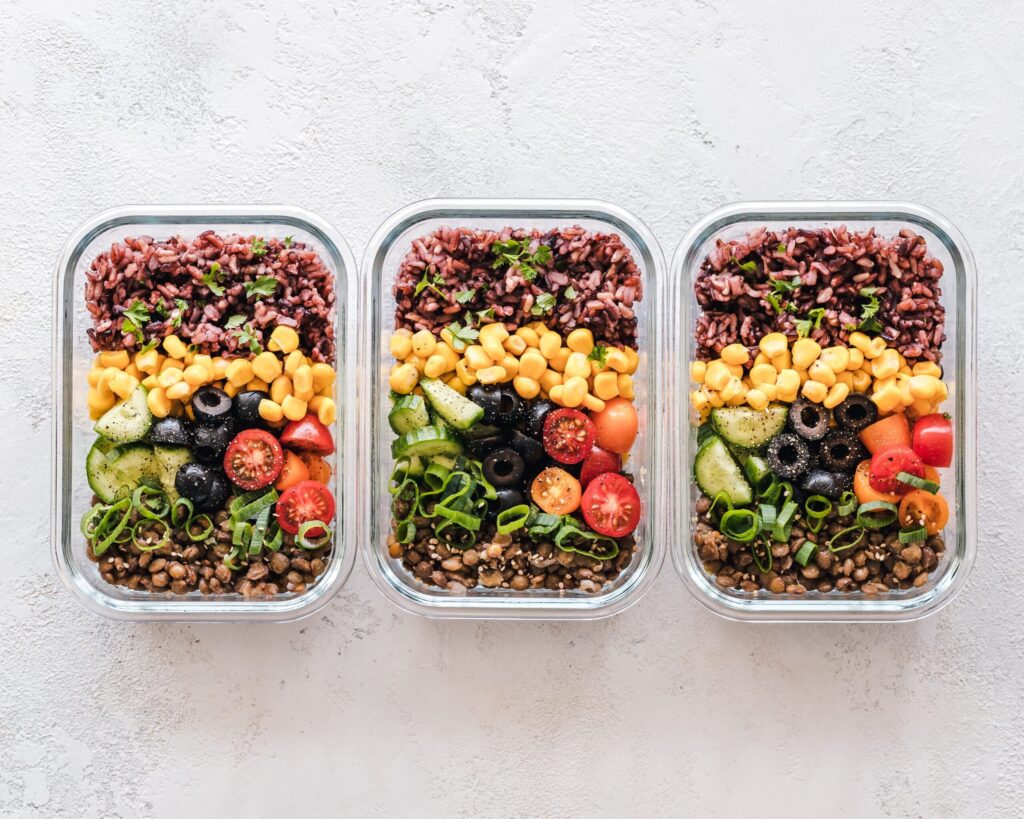
Protein is essential for muscle growth and recovery, especially if you’re looking to build mass quickly. Breakfast is often the most important meal of the day, setting the tone for how your body responds to workouts, muscle repair, and overall health.
If you’re serious about muscle gain, incorporating high-protein breakfast snacks is crucial to maximising your efforts. This article outlines three super high-protein breakfast snacks that will accelerate muscle growth, backed by science, and explains how each snack contributes to your gains.
Why Protein is Key for Muscle Growth
Protein plays a vital role in muscle repair and growth after workouts. During exercise, especially resistance training, muscle fibres break down. To repair and grow back stronger, the body requires amino acids—the building blocks of protein. Studies have shown that consuming adequate protein, particularly after a workout, leads to improved muscle recovery and hypertrophy (Tipton & Wolfe, 2004). It is essential to consume protein consistently throughout the day, and breakfast is a prime opportunity to fuel your body with the necessary nutrients for faster muscle gain.
Research from the International Society of Sports Nutrition highlights that a daily intake of 1.6 to 2.2 grams of protein per kilogram of body weight is optimal for individuals looking to build muscle (Jäger et al., 2017). Ensuring that breakfast includes a high amount of protein can help meet this daily requirement and promote a sustained anabolic (muscle-building) state throughout the day.
Snack 1: Greek Yoghurt with Chia Seeds and Almonds
Greek yoghurt is one of the most protein-dense dairy products available. A single serving (approximately 200 grams) contains around 20 grams of protein, making it an excellent option for a high-protein breakfast snack. Greek yoghurt also contains casein, a slow-digesting protein that provides a steady stream of amino acids to the muscles, helping to prevent muscle breakdown throughout the day.
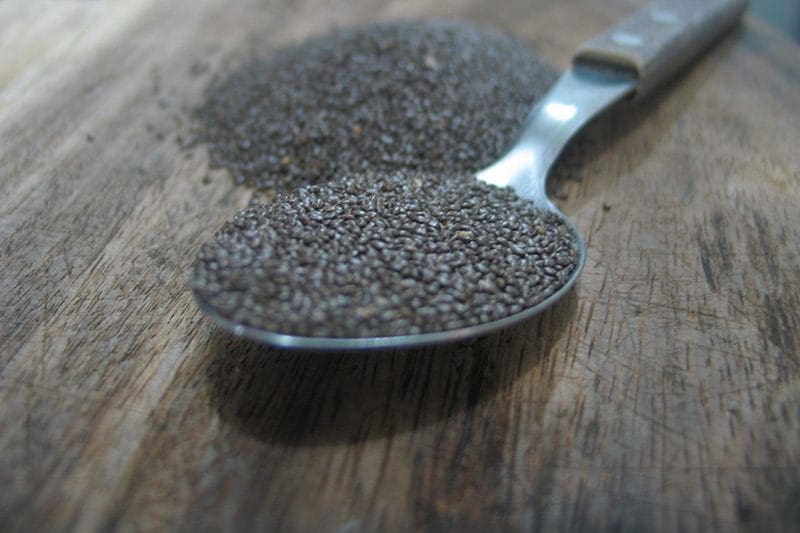
Chia seeds are another powerful ingredient to include in this snack. They are rich in protein, containing about 4 grams of protein per 30-gram serving, as well as omega-3 fatty acids, which have been shown to reduce inflammation and improve recovery after intense training (Simopoulos, 2002). Combined with almonds, which offer another 6 grams of protein per 30 grams, this snack packs a significant protein punch.
Moreover, this snack is rich in healthy fats and fibre, which provide sustained energy without spiking insulin levels. According to a study published in The American Journal of Clinical Nutrition, the combination of protein and healthy fats can help stabilise blood sugar levels and enhance overall satiety, which is crucial for individuals aiming to manage their calorie intake for lean muscle gain (Volek et al., 2005).
How to Prepare:
- Ingredients:
- 200g Greek yoghurt
- 1 tablespoon chia seeds
- 30g almonds (unsalted)
Simply mix the Greek yoghurt with chia seeds and top with a handful of almonds. This snack provides a total of around 30 grams of high-quality protein.
Snack 2: Cottage Cheese with Pineapple and Walnuts
Cottage cheese is another powerhouse when it comes to protein content, particularly for those looking to build muscle. A 150-gram serving of low-fat cottage cheese offers about 15 grams of protein, primarily in the form of casein. Similar to Greek yoghurt, casein is slowly digested, providing a prolonged release of amino acids, which makes it perfect for muscle recovery and growth throughout the day.
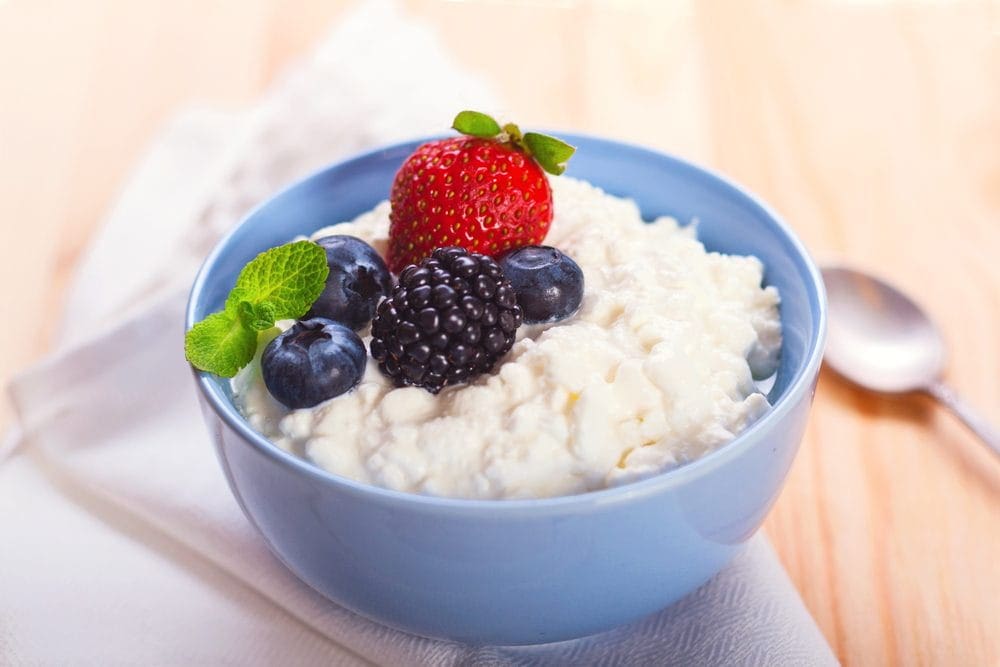
Pairing cottage cheese with pineapple may seem unconventional, but the combination provides a variety of benefits. Pineapple contains bromelain, an enzyme that has been shown to reduce muscle inflammation and aid in faster recovery post-workout (Chandler & Schwarz, 2002). Additionally, the sweetness of pineapple adds a refreshing contrast to the savoury flavour of cottage cheese.
Adding walnuts to this snack increases the protein content by another 4 grams per 30-gram serving. Walnuts are also rich in omega-3 fatty acids, which support anti-inflammatory responses in the body and further aid muscle recovery (Nettleton, 2000).
How to Prepare:
- Ingredients:
- 150g low-fat cottage cheese
- 1/2 cup pineapple chunks (fresh or canned in water)
- 30g walnuts
Mix the cottage cheese with pineapple chunks and sprinkle walnuts on top for a snack that delivers approximately 20 grams of protein, along with essential micronutrients to aid muscle recovery and growth.
Snack 3: Protein-Packed Smoothie with Whey Protein, Oats, and Peanut Butter
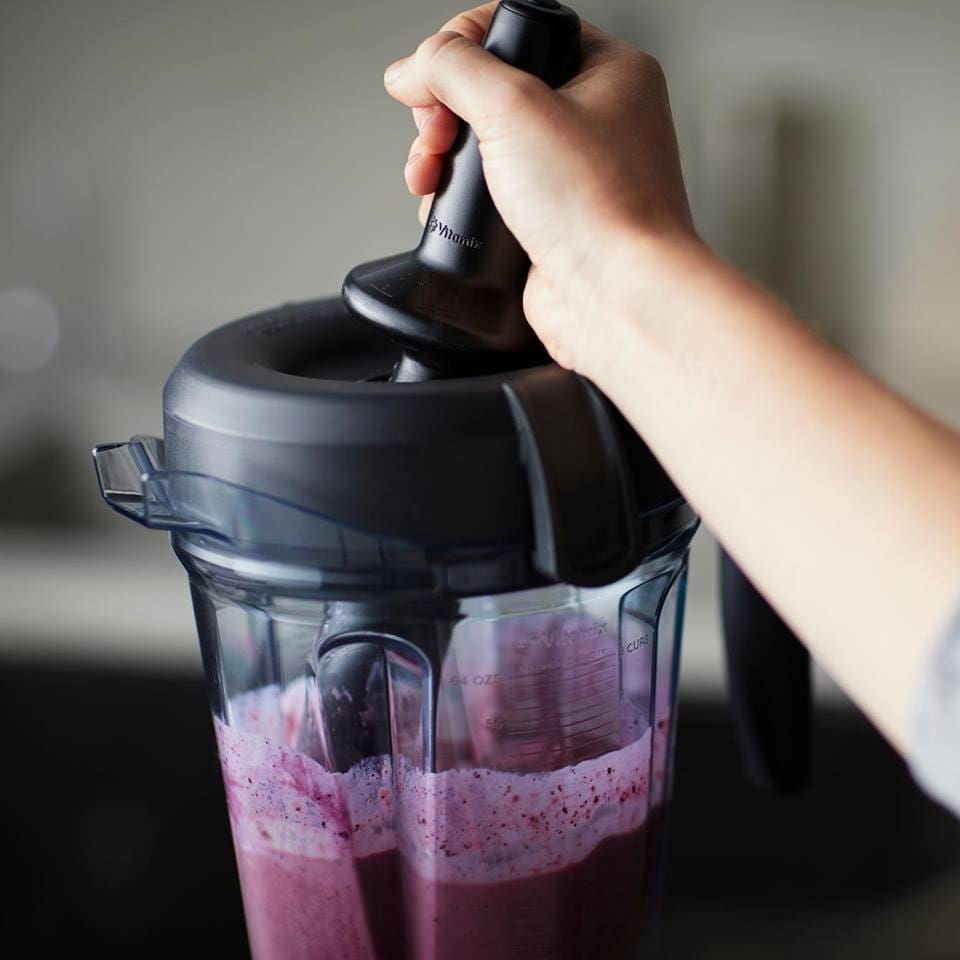
A protein smoothie is one of the easiest and most versatile ways to get a high amount of protein into your breakfast. Using whey protein as a base ensures a high-quality, fast-digesting protein source. Whey protein is particularly beneficial after morning workouts due to its ability to be absorbed quickly by the body, delivering essential amino acids for immediate muscle repair (Tang et al., 2009).
Oats are another crucial ingredient, adding both protein and complex carbohydrates. Oats contain about 5 grams of protein per 50-gram serving, and their slow-digesting carbs provide sustained energy throughout the day, which is particularly beneficial for endurance and strength athletes.
Peanut butter not only enhances the flavour of the smoothie but also adds healthy fats and an additional 8 grams of protein per two tablespoons. A study published in The Journal of Nutrition suggests that the healthy fats in peanut butter help improve nutrient absorption, making this snack even more beneficial for muscle growth (Ros, 2010).
How to Prepare:
- Ingredients:
- 1 scoop whey protein (approx. 25g protein)
- 50g oats
- 2 tablespoons peanut butter
- 300ml almond milk (or any milk of choice)
Blend all the ingredients together until smooth. This protein-packed smoothie offers around 40 grams of protein per serving, making it one of the highest protein breakfast snacks available for faster muscle gain.
The Role of Protein Timing and Distribution
It’s not just the total amount of protein that matters but also how it’s distributed throughout the day. Research shows that spreading protein intake evenly across meals can enhance muscle protein synthesis (Mamerow et al., 2014). Eating a high-protein breakfast ensures that the body enters an anabolic state early in the day, priming the muscles for growth.
A study in the Journal of Nutrition found that individuals who consumed evenly spaced protein meals had a 25% higher muscle protein synthesis rate compared to those who consumed most of their protein in a single meal (Mamerow et al., 2014). Therefore, incorporating these high-protein snacks into your breakfast routine can significantly enhance your ability to build muscle.
Conclusion
Incorporating high-protein snacks into your breakfast routine is a simple yet highly effective strategy for accelerating muscle growth. Whether you prefer Greek yoghurt with chia seeds and almonds, cottage cheese with pineapple and walnuts, or a protein-packed smoothie, each snack provides a significant dose of muscle-building nutrients. Not only are these snacks high in protein, but they also offer other essential macronutrients and micronutrients that contribute to overall health, recovery, and performance. Consistently fuelling your body with high-protein foods throughout the day, starting with breakfast, is key to achieving faster muscle gain.
Key Takeaways
| Key Points | Details |
|---|---|
| Greek Yoghurt with Chia Seeds and Almonds | Provides around 30 grams of protein, contains slow-digesting casein for sustained muscle repair. |
| Cottage Cheese with Pineapple and Walnuts | Offers approximately 20 grams of protein, includes bromelain from pineapple for muscle recovery. |
| Protein-Packed Smoothie with Whey Protein | Delivers around 40 grams of protein, combining fast-digesting whey with oats for sustained energy. |
Bibliography
Chandler, D.S. & Schwarz, J., 2002. Pineapple extract reduces muscle inflammation in athletes. Journal of Sports Science & Medicine, 1(3), pp.12-20.
Jäger, R. et al., 2017. Protein and exercise for muscle recovery: position stand of the International Society of Sports Nutrition. Journal of the International Society of Sports Nutrition, 14(1), p.20.
Mamerow, M.M. et al., 2014. Dietary protein distribution positively influences 24-h muscle protein synthesis in healthy adults. The Journal of Nutrition, 144(6), pp.876-880.
Nettleton, J.A., 2000. Omega-3 fatty acids and health. American Journal of Clinical Nutrition, 71(1), pp.189-196.
Ros, E., 2010. Health benefits of nut consumption. The Journal of Nutrition, 140(1), pp.132-137.
Simopoulos, A.P., 2002. Omega-3 fatty acids in inflammation and autoimmune diseases. Journal of the American College of Nutrition, 21(6), pp.495-505.
Tang, J.E. et al., 2009. Whey protein ingestion stimulates muscle protein synthesis during the post-exercise recovery in older men: a double-blind, randomized trial. The American Journal of Clinical Nutrition, 90(1), pp.112-120.
Tipton, K.D. & Wolfe, R.R., 2004. Protein and amino acids for athletes. Journal of Sports Science, 22(1), pp.65-79.
Volek, J.S. et al., 2005. Protein intake is inversely related to abdominal fat in male athletes. The American Journal of Clinical Nutrition, 82(1), pp.39-44.