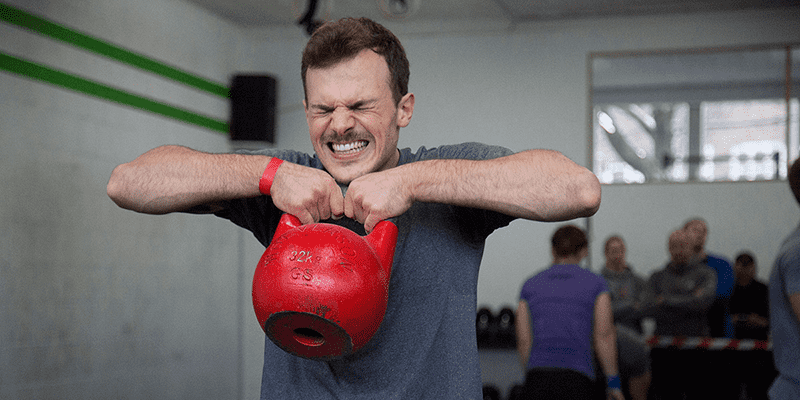
Aging is inevitable, but how we age can be significantly influenced by our lifestyle choices. One of the most powerful interventions for healthy aging is strength training. While it is often associated with younger populations or athletes, strength training becomes even more essential after the age of 40.
[wpcode id=”229888″]This article will break down three super important, scientifically backed reasons why you should incorporate strength training into your routine once you hit 40 and beyond.
We’ll explore the critical impact it has on muscle mass and metabolism, bone density and fracture prevention, and cognitive health and longevity.
1. Preserve Muscle Mass and Boost Metabolism

Sarcopenia: The Muscle Loss Crisis
Starting around the age of 30, adults begin to lose approximately 3% to 8% of muscle mass per decade, and this rate accelerates after age 60. This age-related decline in muscle mass is known as sarcopenia, and it has significant metabolic consequences. Skeletal muscle is not just for movement; it plays a central role in glucose metabolism and overall energy expenditure. A reduction in muscle mass lowers your basal metabolic rate (BMR), which means you burn fewer calories at rest, increasing the risk of weight gain and metabolic disorders (Janssen et al., 2002).
Strength Training Reverses Muscle Decline
Numerous studies have shown that resistance training is the most effective intervention for combating sarcopenia. A meta-analysis conducted by Peterson et al. (2010) found that progressive resistance training significantly increased lean body mass in older adults. Even adults in their 70s and 80s experienced muscle hypertrophy and strength gains from regular training. Importantly, these gains were not just aesthetic; they translated to improved physical function and mobility.
Metabolic Health Benefits
Strength training improves insulin sensitivity, lowers fasting blood glucose levels, and reduces the risk of type 2 diabetes. In a study by Holten et al. (2004), participants with type 2 diabetes who performed resistance training experienced enhanced glucose clearance and insulin action. This means better blood sugar control and a reduced risk of metabolic syndrome, which becomes more prevalent with age.
2. Strengthen Bones and Reduce Fracture Risk
Osteoporosis and Bone Loss After 40
Bone mineral density (BMD) begins to decline in both men and women after age 40, with post-menopausal women experiencing a particularly steep drop due to decreased estrogen levels. Osteoporosis, characterized by low bone mass and deteriorating bone tissue, significantly increases the risk of fractures. The consequences of hip and vertebral fractures in older adults can be devastating, leading to long-term disability or even death (Cummings and Melton, 2002).
Resistance Training Stimulates Bone Growth
Weight-bearing and resistance exercises have been shown to increase or maintain BMD. A landmark study by Kerr et al. (2001) found that high-intensity resistance training increased spinal and femoral neck bone density in postmenopausal women. The mechanical stress applied to the bones during lifting stimulates osteoblast activity, which promotes bone formation and slows resorption.
Fall Prevention Through Improved Strength and Balance
Stronger muscles also mean better balance and coordination. Falls are the leading cause of fractures among older adults. Resistance training improves lower body strength, reaction time, and postural stability, thereby significantly reducing fall risk. A study by Liu-Ambrose et al. (2004) showed that seniors who engaged in resistance training had better balance and fewer falls compared to those who performed balance or flexibility training alone.
3. Enhance Cognitive Function and Promote Longevity
Brain Health and Aging
Cognitive decline is another common aspect of aging, with memory, attention, and executive function often deteriorating after 40. While cardiovascular exercise has long been associated with brain health, recent studies emphasize that strength training also plays a vital role in preserving cognitive function.
Cognitive Improvements With Resistance Training
A randomized controlled trial by Liu-Ambrose et al. (2010) found that women aged 65 to 75 who participated in resistance training twice a week for one year improved their executive function and memory compared to a control group. These benefits are believed to stem from increased levels of brain-derived neurotrophic factor (BDNF), enhanced blood flow to the brain, and reduced inflammation.
Longevity and Functional Independence
Strength training contributes to longer lifespan and better quality of life. A prospective cohort study by Kraschnewski et al. (2016) showed that older adults who engaged in strength training at least twice per week had a 46% lower odds of death for any reason than those who did not. They also had reduced risk of cancer-related and cardiovascular mortality. Perhaps even more compelling is the link between muscle strength and functional independence. Being strong in older age means being able to perform daily activities without assistance, which is a critical marker of autonomy and well-being.
Mental Health and Well-being
Strength training also plays a role in mental health. It has been associated with reduced symptoms of depression and anxiety, likely due to neurochemical changes, improved self-esteem, and social interaction during group training sessions. Gordon et al. (2017) conducted a systematic review and meta-analysis which confirmed that resistance training significantly reduced depressive symptoms among adults of all ages, with especially strong effects in older populations.
Conclusion
After 40, your body begins to undergo significant changes that can compromise muscle mass, bone density, metabolic health, and cognitive function. However, strength training is a powerful, evidence-based tool to counteract these age-related declines. It is not merely about aesthetics or athletic performance; it is about health span, independence, and quality of life. Whether you are a seasoned lifter or a complete beginner, it is never too late to start reaping the benefits of resistance training.
Bibliography
Cummings, S.R. and Melton, L.J., 2002. Epidemiology and outcomes of osteoporotic fractures. The Lancet, 359(9319), pp.1761-1767.
Gordon, B.R., McDowell, C.P., Lyons, M., Herring, M.P. and Herring, M.P., 2017. Resistance exercise training for anxiety and worry symptoms among young adults: a randomized controlled trial and meta-analysis. Scientific Reports, 7(1), p.14042.
Holten, M.K., Zacho, M., Gaster, M., Juel, C., Wojtaszewski, J.F. and Dela, F., 2004. Strength training increases insulin-mediated glucose uptake, GLUT4 content, and insulin signaling in skeletal muscle in patients with type 2 diabetes. Diabetes, 53(2), pp.294-305.
Janssen, I., Heymsfield, S.B. and Ross, R., 2002. Low relative skeletal muscle mass (sarcopenia) in older persons is associated with functional impairment and physical disability. Journal of the American Geriatrics Society, 50(5), pp.889-896.
Kerr, D., Morton, A., Dick, I., Prince, R. and Barker, S., 2001. Exercise effects on bone mass in postmenopausal women are site-specific and load-dependent. Journal of Bone and Mineral Research, 16(1), pp.140-147.
Kraschnewski, J.L., Sciamanna, C.N., Poger, J.M., Rovniak, L.S., Lehman, E.B., Cooper, A.B., Ballentine, N.H., Ciccolo, J.T. and Chinchilli, V.M., 2016. Is strength training associated with mortality benefits? A 15-year cohort study of US older adults. Preventive Medicine, 87, pp.121-127.
Liu-Ambrose, T., Donaldson, M.G., Ahamed, Y., Graf, P., Cook, W.L., Close, J. and Khan, K.M., 2008. Otago home-based strength and balance retraining improves executive functioning in older fallers: a randomized controlled trial. Journal of the American Geriatrics Society, 56(10), pp.1821-1830.
Liu-Ambrose, T., Nagamatsu, L.S., Graf, P., Beattie, B.L., Ashe, M.C. and Handy, T.C., 2010. Resistance training and executive functions: a 12-month randomized controlled trial. Archives of Internal Medicine, 170(2), pp.170-178.
Peterson, M.D., Sen, A. and Gordon, P.M., 2010. Influence of resistance exercise on lean body mass in aging adults: a meta-analysis. Medicine and Science in Sports and Exercise, 42(2), pp.326-337.