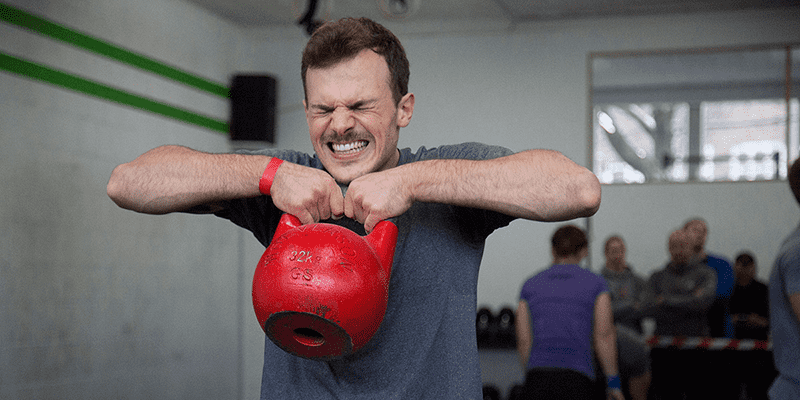
It is all too common with any workout program; you are making steady gains only to hit a wall and either stop progressing in all or slow considerably. The information listed ahead will go over 3 techniques to break through plateaus in muscle growth so you can keep making progress. While plateaus are common for many people, having the tools to recognize them can help you to get through it quicker.
Plateaus in any workout are annoying; they make it feel like the hard work you’ve put in the gym is useless. Frustrations aside, plateaus happen and the content ahead will help give you the information to recognize when a plateau hits and expert tips on how to overcome them. Let’s take a closer look into plateaus and what you need to know so you can be informed and ready if one ever hits you again. 
What is a Plateau?
A plateau is a simple way to for the body to say that the muscles you are working are not getting the same gains as from before. When you first start your program muscle gains are typically quite fast and typically start to grow after only a few sessions. This fast adaptation is a “high” that truly gets many people since results are important. However, after a period (which varies for most), it slows considerably or muscle growth gains stop altogether.
This screeching halt is a plateau and it can happen at any time during your program. While it affects everyone differently, it can be a short coming issue or long-term, depending on if it is identified. Staying up on top of any plateau is essential for coming out of it in a timely manner and working back towards muscle growth.
Common Signs of Plateaus
To stay on top of a plateau, it’s vital to know the signs the body may be telling you as it hits. If any of the following signs affect you, consider a plateau as your culprit and adjust accordingly.
- Your muscles are no longer growing like how you want.
- You notice more body fat than usual lately despite a sound diet and rocking your workouts.
- You seem bored in your workouts lately and are going through the motions (this doubles up with over training as well).
- You’ve had recent nagging injuries pop up.
Why Do Plateaus Happen?
If all the signs appear there, it’s common to wonder why one appeared in the first place. A plateau might have a slight behavioral component that pops in the picture, but it seems it’s mostly due to your body adapting to your workouts. The body has a theoretically unlimited ability to adapt to training stimuli and the anabolic and catabolic pathways with which we are faced throughout the aging process may play a role.
What this means is that the anabolic processes, or the building components, you had at 20 years old comparted to let’s say 40 are much different. Similarly, the body changes the way it breaks down tissues, which a catabolic process, and this may play a role as we age too. The big part of these processes is that a plateau may simply hit because the body is changing.
Plateaus may also occur because of your exercise programming. Studies have identified that when you have a mixed training program, meaning resistance and endurance are combined, it can prevent muscle hypertrophy. If you blend your workouts with both resistance and cardio, perhaps this is your culprit.
Are Plateaus a Bad Sign in Muscle Growth?
When a plateau slows muscle gains, it is easy to think this is a bad sign. However, this is an overt sign the body has adjusted to your weight, routine, or something and your body is merely telling you it’s time to change it up.
On a positive note, consider a plateau as a message your body sends to you, stating that it’s adapted to your routine and to stop wasting so much time on your current gains and goals. In a way, your body is communicating clearly to say it’s time for a change.
Consider the following 3 techniques to break through plateaus in muscle growth to help you progress through any plateau so you can maximize muscle growth.
3 Techniques to Break Through Plateaus in Muscle Growth 

Consider these tips and techniques to help navigate you through a plateau of it hits.
- Change Your Workout Up. If your muscle growth has slowed or completely stopped, consider making a change with some part of your volume. This includes:
- Increase or decrease your reps. This also will require you to change your weight accordingly.
- Add more weight. More weight might be something you need to induce hypertrophy.
- Make it more advanced. Trained athletes may come out of a plateau when advanced resistance training is used rather than the traditional ways.
- Decrease rest periods. Perhaps your plateau is due to having too long of rest periods between sets. Aim for 60 seconds of rest when aiming to grow bigger muscles.
- Change the Intensity. Perhaps your plateau is because of your intensity. A low Intensity of exercise may be a reason your muscle growth has slowed. In contrast, perhaps your intensity is always high and your body is not able to adjust accordingly. If your workouts seem slow consider moving to HIIT workouts or Olympic lifts to see if this helps.
- Track your Diet. Diet and exercise help each other to achieve muscular gains. When your exercise appears on track, consider tracking your diet to ensure you have enough nutrients and calories. If you are not consuming enough calories, or especially protein, this could be a major reason for a plateau. More considerations from your diet include:
- Timing of protein consumption should be spread throughout the day, but time it around your workouts as well.
- Consume whey protein within 30 minutes after your workout and casein within an hour before bed for optimal recovery.
- Don’t give up completely on carbohydrates. Carbs are important for drawing water in the cells and can help to maintain optimal energy stores.
- Look at your protein powder amino acid profile. If you are drinking budget protein, it might mean you have an amino acid profile that doesn’t help much. Your protein supplement should have all 9 essential amino acids and ample branched chain amino acids for best results.
Final Thoughts
Hitting the gym hard just feels great, but a plateau can really add a brick wall to any fitness plan. Consider the information above as a complete guide to detecting when a plateau has started, how to adjust a routine, and ways to overcome it. While continuing to exercise through a plateau will still give health advantages, the muscle growth phase will be much different.
Resources
https://pubmed.ncbi.nlm.nih.gov/30727028
https://pubmed.ncbi.nlm.nih.gov/37787845