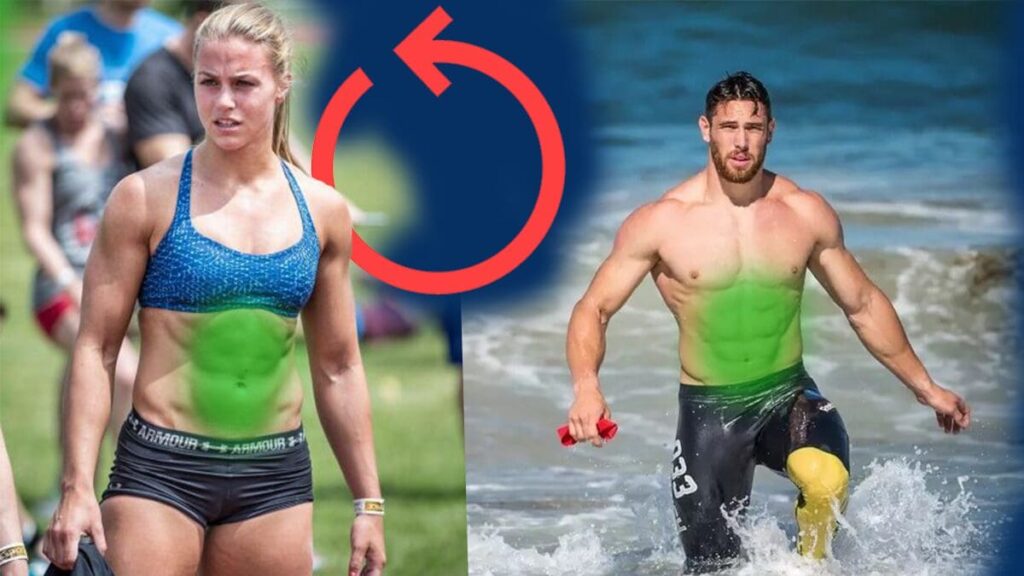
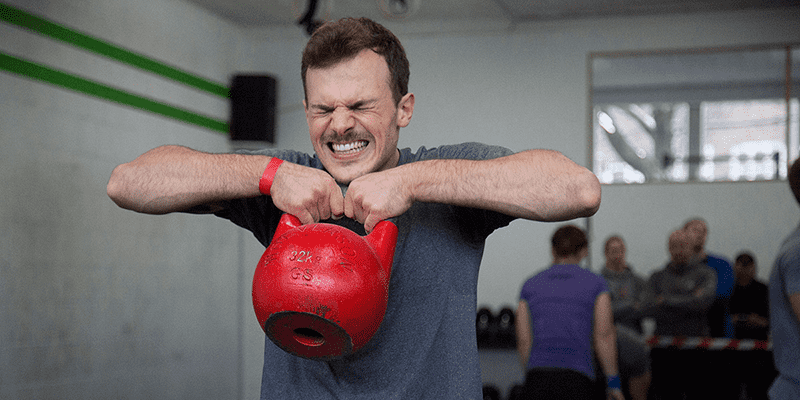
Embarking on a journey to transform your body by getting fit and ripped is an aspiration shared by many.
However, achieving a chiseled and defined physique is about much more than hitting the gym or cutting back on calories alone. It requires a comprehensive and holistic approach that harmonizes diet, exercise, and lifestyle into a cohesive strategy.
This article will explore these critical areas and provide actionable advice to help you achieve your fitness goals.
Diet is the foundation of any fitness plan. What you eat not only fuels your workouts but also affects how your body responds to them. Optimal nutrition involves more than just choosing the right foods; it encompasses understanding macronutrients, managing caloric intake, and timing your meals to maximize muscle growth and fat loss.
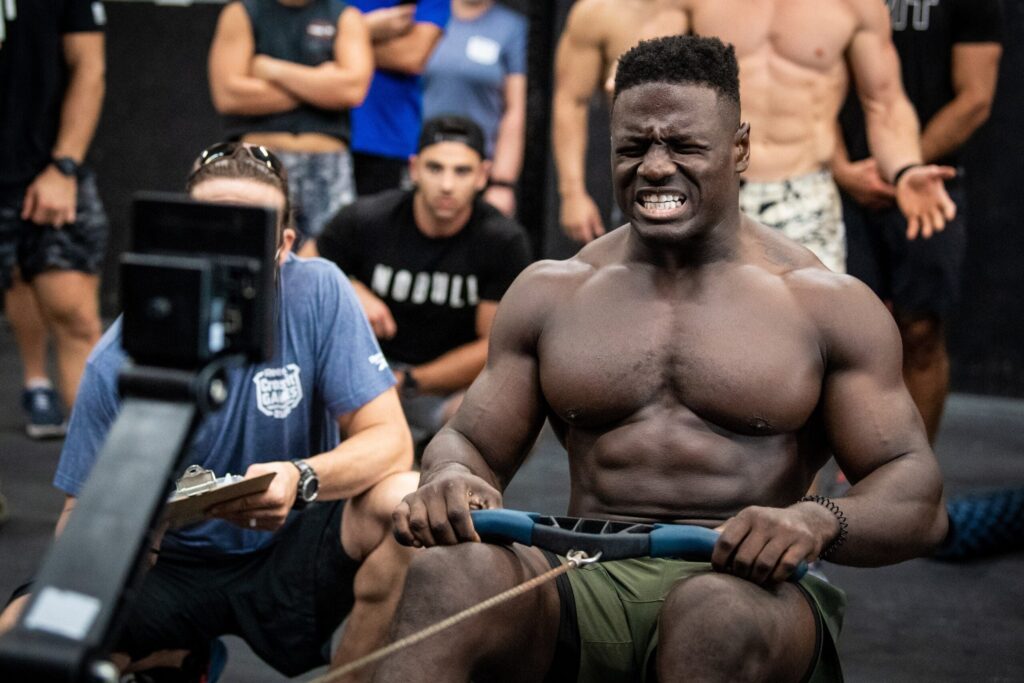
Exercise is the engine of your physical transformation. A well-structured exercise regimen that includes both strength training and cardiovascular workouts is essential for building muscle and shedding fat. However, the effectiveness of your exercise plan depends not only on the workouts themselves but also on consistency and progression over time.
Lifestyle changes play a pivotal role in supporting your diet and exercise efforts. Quality sleep, stress management, and other recovery techniques are crucial for allowing your body to repair and strengthen. Additionally, these lifestyle factors have a significant impact on your energy levels, motivation, and overall health, all of which are vital for sustaining long-term fitness.
In the following sections, we will delve deeper into each of these areas, providing you with the necessary tools and knowledge to not only get ripped but also maintain a fit and healthy body throughout your life. Let’s explore how you can optimize your nutrition, tailor your exercise routines, and fine-tune your lifestyle to achieve and sustain your fitness goals.
1. Optimize Your Nutrition
Achieving a ripped physique begins with understanding and mastering your dietary intake.

Nutrition plays a critical role in determining how effectively your body can perform in workouts and recover afterwards. Here’s how to fine-tune your nutrition strategy to support your fitness goals.
Understanding Macronutrients
Macronutrients are the building blocks of your diet and include proteins, carbohydrates, and fats. Each plays a unique role in your health and fitness:
- Proteins are crucial for muscle repair and growth. They are made up of amino acids, which are the fundamental components needed to build muscle tissue. Sources of high-quality protein include lean meats, fish, dairy, and plant-based options like beans and lentils.
- Carbohydrates provide the primary source of energy for your body. They fuel your workouts and are essential for recovery. Complex carbohydrates, such as whole grains, fruits, and vegetables, offer sustained energy, while simple carbohydrates (like sugars) provide quick bursts of energy.
- Fats are essential for hormonal health and energy. Healthy fats, found in foods like avocados, nuts, seeds, and oily fish, are vital for absorbing vitamins and providing energy, particularly during longer, less intense workouts.
The importance of protein in muscle building cannot be overstated. Consuming adequate protein ensures that your body can repair the micro-tears in muscle fibers that occur during weight training. This repair process is what makes muscles grow stronger and larger.
Caloric Deficit and Surplus
The balance of calories consumed versus calories burned determines whether you lose weight, gain muscle, or maintain your current body composition:
A caloric deficit occurs when you consume fewer calories than your body needs, prompting your body to burn stored fat for energy, leading to weight loss.
A caloric surplus involves consuming more calories than you burn, which is necessary for muscle growth, especially if you are engaging in intense weight training.
To calculate your caloric needs, consider your basal metabolic rate (BMR) and your level of physical activity. Various online calculators can provide a rough estimate, which you can adjust based on your progress and specific health goals.
Meal Timing and Frequency
The timing and frequency of your meals can also impact your fitness results:
Intermittent fasting involves cycling between periods of eating and fasting. It can help in managing calorie intake and improving metabolic health. Popular methods include the 16/8 method, where you fast for 16 hours and eat during an 8-hour window.
Meal frequency does not significantly affect fat loss but can impact muscle building and energy levels. Eating smaller, more frequent meals can help maintain steady energy levels and manage hunger throughout the day.
Timing nutrients around workout times can enhance performance and recovery. Eating carbohydrates before a workout can provide immediate energy, and consuming them alongside protein after exercise can help speed up recovery by replenishing glycogen stores and repairing muscle tissue.
By understanding and implementing these nutritional principles, you can significantly enhance your ability to get ripped and fit. Optimal nutrition not only supports rigorous training but also improves overall health, giving you the best chance to achieve your fitness goals.
2. Implement a Structured Exercise Regimen
An effective exercise regimen is pivotal in transforming your body into a leaner, stronger version of itself. The right blend of strength training, cardiovascular workouts, and consistent progression is the key to getting ripped. Here’s how to structure your exercise routine to maximize muscle growth and fat loss.
Strength Training
Strength training, or resistance training, is essential for building muscle mass and increasing overall strength. By challenging your muscles with weights, resistance bands, or your own body weight, you stimulate the physiological changes necessary for muscle growth.
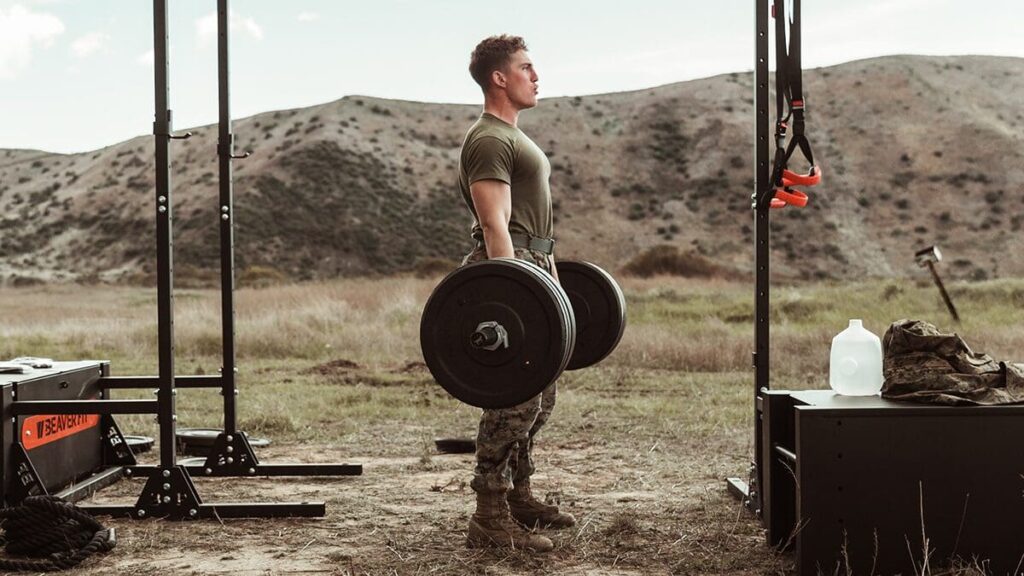
Compound movements are particularly effective in building muscle because they engage multiple muscle groups at once, leading to higher energy expenditure and more significant strength gains. Examples include:
- Squats: Target the quadriceps, hamstrings, glutes, and lower back.
- Deadlifts: Engage the back, glutes, legs, and core.
- Bench Presses: Work the chest, shoulders, and triceps.
- Pull-ups/Rows: Strengthen the back and biceps.
These exercises not only help build muscle but also improve functional strength, which can enhance performance in daily activities and other sports.
Cardiovascular Exercise
Cardiovascular exercise is crucial for burning calories and shedding fat, making it an integral part of any fitness regimen aiming for a ripped physique. There are two primary types of cardio:
High-Intensity Interval Training (HIIT): Involves short bursts of intense activity followed by a period of rest or lower-intensity exercise. HIIT is highly effective for burning fat in a shorter amount of time and can also help preserve muscle mass.
Steady-State Cardio: This involves maintaining a consistent, moderate pace for a longer duration. It’s excellent for endurance building and can be easier to sustain for those just starting their fitness journeys.

Both forms of cardio have their benefits, and incorporating a mix of both can keep your workouts interesting and effective.
Consistency and Progression
The true secret to success in any fitness program is consistency. Sticking to a routine not only helps in achieving your goals but also in maintaining the results.
Progressive overload is necessary to ensure continuous muscle growth and strength improvements. This can be achieved by:
- Increasing the weight: Regularly adding more weight to your exercises.
- Increasing the volume: Doing more repetitions or sets.
- Enhancing intensity: Reducing rest time between sets or incorporating more challenging variations of exercises.
Regular adjustments based on these principles ensure that your muscles do not adapt to a static routine, continually challenging them and promoting growth. Tracking your workouts and setting incremental goals can help maintain progress and motivation.
By implementing a structured exercise regimen focused on strength training, cardiovascular workouts, and consistent progression, you can build the muscle definition and strength necessary for a ripped and fit physique.
This balanced approach not only maximizes your fitness results but also promotes a sustainable, healthy lifestyle.
3. Lifestyle and Recovery Techniques
Achieving a ripped and fit physique isn’t solely about diet and exercise. The lifestyle choices you make and how you manage recovery play a crucial role in your fitness success.
Effective sleep, stress management, and the strategic use of supplements can profoundly influence your results. Here’s how you can optimize these aspects to support your fitness goals.
Sleep and Recovery
Sleep is a foundational element of muscle recovery and growth. During sleep, your body releases growth hormones and repairs the micro-tears in muscle fibers caused by intense workouts. Adequate sleep also helps regulate the hormones that control appetite and metabolism, which are critical for maintaining a lean physique.

Tips for improving sleep quality:
- Establish a routine: Going to bed and waking up at the same time every day sets your body’s internal clock, improving sleep quality.
- Create a restful environment: Ensure your bedroom is dark, quiet, and cool. Consider using blackout curtains, white noise machines, or earplugs.
- Limit screen time before bed: The blue light from screens can interfere with your ability to fall asleep. Try to disconnect from electronic devices at least an hour before bedtime.
- Mind your diet: Avoid large meals, caffeine, and alcohol before sleep as they can disrupt sleep patterns.
Stress Management
Stress can negatively impact your fitness goals by affecting your body composition and reducing your overall health levels. Chronic stress increases cortisol levels, which can lead to fat accumulation and muscle breakdown.
Managing stress is therefore essential for maintaining an optimal body state for muscle growth and fat loss.
Effective stress management techniques include:
- Regular physical activity: Exercise itself is a powerful stress reliever.
- Mindfulness and meditation: These practices can reduce stress and improve your emotional response to challenges.
- Adequate leisure and downtime: Ensure to balance work and exercise with activities that you enjoy and find relaxing.
- Social interaction: Spending time with friends and family can be an excellent way to relieve stress.
Supplements
While a balanced diet should always be the first priority, certain supplements can enhance muscle growth and recovery. However, it’s important to approach supplementation with caution and not rely on it as a substitute for good nutrition.
Common supplements that can aid in muscle growth and recovery include:
Protein powders: Help meet your daily protein requirements necessary for muscle repair.
Creatine: Enhances strength and energy during workouts, aiding in more intense training sessions.
Branched-Chain Amino Acids (BCAAs): Can promote muscle protein synthesis and increase muscle growth over time.
Omega-3 fatty acids: Reduce inflammation and improve heart health, supporting overall body recovery.
Natural supplement recommendations:
Consider whole food supplements, like beetroot powder for stamina or tart cherry juice for recovery.
Use vitamin D and magnesium to support muscle function and sleep quality, especially if you are deficient in these nutrients.
Caution against over-reliance:
Supplements should complement, not replace, a nutritious diet.
Always check for third-party testing and certification to ensure the quality and safety of the supplements you choose.
By integrating effective sleep, stress management practices, and thoughtful supplementation into your lifestyle, you can enhance your ability to get ripped and sustain your fitness results. This holistic approach ensures that your body is supported throughout its transformation and beyond.
Conclusion
Achieving a ripped and fit physique is a multifaceted endeavor that goes beyond simple exercise routines and dietary changes.
It requires a comprehensive approach that includes optimizing your nutrition, adhering to a structured exercise regimen, and making crucial lifestyle adjustments. Each of these elements plays a vital role in shaping your body and enhancing your overall health.
Remember, the journey to getting ripped isn’t just about looking good—it’s also about feeling strong and confident in your daily life. It’s important to approach this goal with patience and consistency, understanding that significant changes take time and dedication.
While the road may be challenging, the rewards of a healthier, more vibrant life are worth the effort.
Finally, don’t hesitate to seek guidance from fitness and nutrition professionals to tailor these principles to your individual needs. Each body is unique, and what works for one person might not work for another. By staying informed, experimenting wisely, and adjusting your plan as needed, you can maximize your chances of success.
Armed with the right knowledge and strategies from this article, you’re well on your way to not only achieving your fitness goals but also maintaining them sustainably. Embrace the process, celebrate your progress, and keep pushing forward—your fittest self awaits.