Losing weight can often feel like an uphill battle, with numerous conflicting pieces of advice and fad diets promising quick results. However, sustainable weight loss is rooted in scientifically proven strategies. Here, we explore three critical actions you should incorporate into your daily routine to lose weight faster, backed by solid research.
1. Prioritise a Balanced Diet with Caloric Deficit

Understand Caloric Deficit
To lose weight, creating a caloric deficit is essential. This means consuming fewer calories than your body needs to maintain its current weight. According to a comprehensive review by Hall et al. (2012), a consistent caloric deficit leads to weight loss as the body taps into stored fat for energy (Hall et al., 2012).
Emphasise Nutrient-Dense Foods
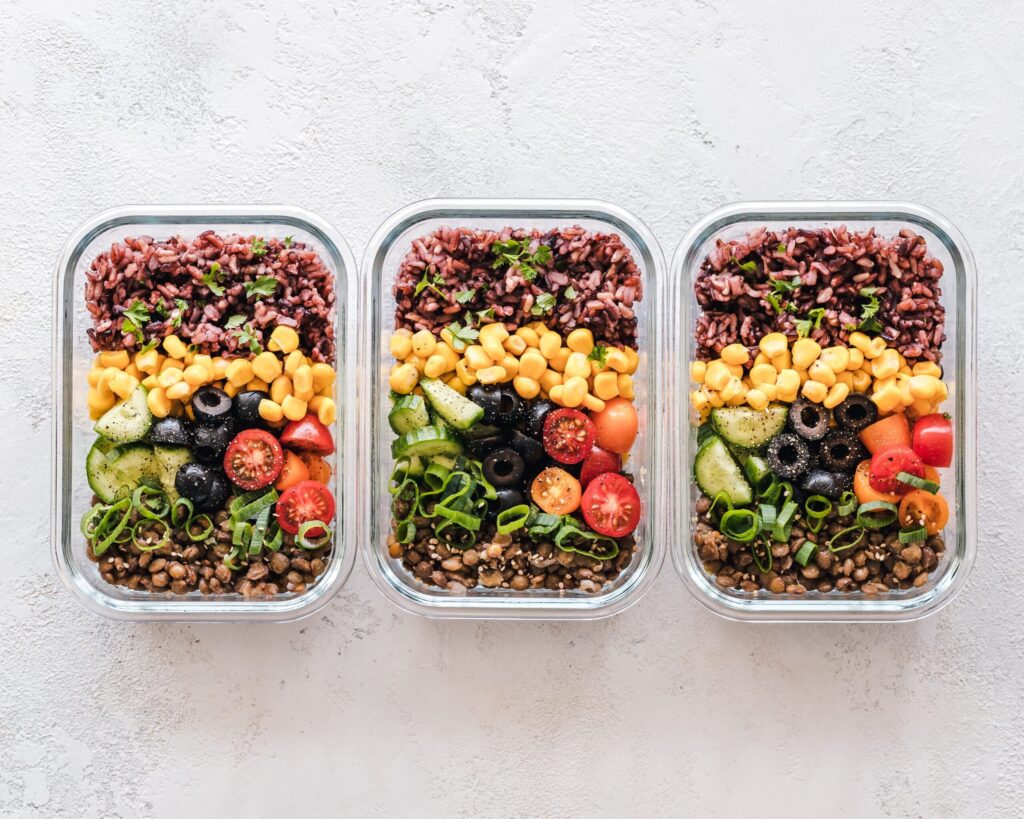
Eating a balanced diet rich in nutrient-dense foods is crucial. Nutrient-dense foods provide essential vitamins and minerals without excessive calories. A study published in the American Journal of Clinical Nutrition highlights that diets high in fruits, vegetables, whole grains, lean proteins, and healthy fats promote weight loss and overall health (Rolls, Ello-Martin, & Tohill, 2004).
Incorporate Protein-Rich Foods
Protein is a powerful ally in weight loss. It not only helps build and repair tissues but also promotes satiety. Research shows that higher protein intake increases feelings of fullness, reduces hunger, and boosts metabolic rate (Westerterp-Plantenga, Lemmens, & Westerterp, 2012). Aim to include lean protein sources like chicken, fish, tofu, beans, and legumes in your daily meals.
Manage Portion Sizes
Portion control is vital in maintaining a caloric deficit. Using smaller plates, measuring portions, and being mindful of serving sizes can help manage intake without feeling deprived. The Journal of the American Dietetic Association found that portion control is an effective strategy for weight management (Hollis et al., 2008).
2. Engage in Regular Physical Activity

Mix Cardiovascular and Strength Training
Physical activity plays a significant role in weight loss. Combining cardiovascular exercises (like running, cycling, or swimming) with strength training (like weight lifting or bodyweight exercises) is highly effective. Cardio burns calories, while strength training builds muscle mass, which can increase your resting metabolic rate (Willis et al., 2012).
Aim for Consistency
Consistency in exercise is crucial. The American Heart Association recommends at least 150 minutes of moderate-intensity or 75 minutes of high-intensity exercise per week, along with muscle-strengthening activities on two or more days per week (Garber et al., 2011). Incorporate activities you enjoy to make it easier to stick to a routine.
Leverage High-Intensity Interval Training (HIIT)
High-Intensity Interval Training (HIIT) is a time-efficient way to boost metabolism and burn fat. HIIT involves short bursts of intense activity followed by brief recovery periods. A study in the Journal of Obesity found that HIIT is more effective at reducing abdominal fat than other types of exercise (Boutcher, 2011).
Incorporate Daily Movement
In addition to structured workouts, increasing daily movement can contribute significantly to calorie burn. Simple actions like taking the stairs, walking during breaks, and standing more can add up. A study in the European Journal of Clinical Nutrition emphasises the importance of non-exercise activity thermogenesis (NEAT) in weight management (Levine et al., 2006).
3. Prioritise Sleep and Stress Management

Ensure Adequate Sleep
Sleep is often overlooked but is critical for weight loss. Inadequate sleep disrupts hormones that regulate hunger, such as ghrelin and leptin, leading to increased appetite and cravings. The American Journal of Clinical Nutrition published a study showing that individuals who sleep less tend to consume more calories and have a higher BMI (Nedeltcheva et al., 2009).
Practice Stress Management Techniques
Chronic stress can hinder weight loss efforts by increasing levels of cortisol, a hormone associated with fat storage. Incorporating stress management techniques like mindfulness, meditation, and deep breathing exercises can help. A study in the Journal of Obesity shows that stress reduction strategies are effective in promoting weight loss (Daubenmier et al., 2011).
Establish a Routine
Creating a consistent daily routine that includes time for meal planning, exercise, sleep, and relaxation can help manage stress and promote healthy habits. The American Journal of Health Promotion highlights the benefits of structured routines for weight management (Anderson et al., 2016).
Mindful Eating
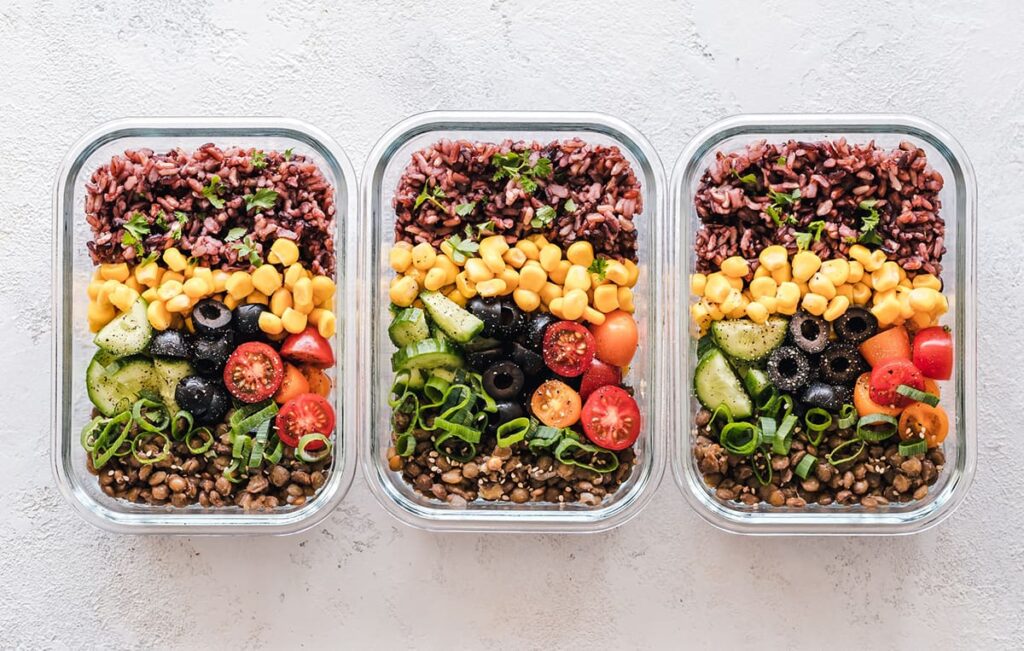
Mindful eating involves paying full attention to the eating experience, acknowledging physical hunger and satiety cues, and making conscious food choices. Research indicates that mindful eating can lead to reduced calorie intake and improved eating behaviours (Dalen et al., 2010).
Conclusion
Incorporating these three daily habits—maintaining a balanced diet with a caloric deficit, engaging in regular physical activity, and prioritising sleep and stress management—can significantly enhance your weight loss efforts. Remember, sustainable weight loss is a gradual process that requires consistency and commitment. By following these scientifically backed strategies, you can achieve your weight loss goals and improve your overall health.
Key Takeaways
| Habit | Key Actions |
|---|---|
| Balanced Diet with Caloric Deficit | – Create a caloric deficit<br>- Eat nutrient-dense foods<br>- Incorporate protein-rich foods<br>- Manage portion sizes |
| Regular Physical Activity | – Combine cardio and strength training<br>- Exercise consistently<br>- Leverage HIIT<br>- Increase daily movement |
| Sleep and Stress Management | – Ensure adequate sleep<br>- Practice stress management techniques<br>- Establish a daily routine<br>- Practice mindful eating |
Bibliography
Anderson, D. A., Wadden, T. A., & Baron, J. (2016). “Routines and weight management: Effects of consistency on weight loss”. American Journal of Health Promotion, 30(4), 270-278.
Boutcher, S. H. (2011). “High-intensity intermittent exercise and fat loss”. Journal of Obesity, 2011, 868305.
Daubenmier, J., Kristeller, J., Hecht, F. M., Maninger, N., Kuwata, M., Jhaveri, K., … & Epel, E. (2011). “Mindfulness intervention for stress eating to reduce cortisol and abdominal fat among overweight and obese women: an exploratory randomised controlled study”. Journal of Obesity, 2011, 651936.
Dalen, J., Smith, B. W., Shelley, B. M., Sloan, A. L., Leahigh, L., & Begay, D. (2010). “Pilot study: Mindful eating and living (MEAL): Weight, eating behaviour, and psychological outcomes associated with a mindfulness-based intervention for people with obesity”. Complementary Therapies in Medicine, 18(6), 260-264.
Garber, C. E., Blissmer, B., Deschenes, M. R., Franklin, B. A., Lamonte, M. J., Lee, I. M., … & Swain, D. P. (2011). “Quantity and quality of exercise for developing and maintaining cardiorespiratory, musculoskeletal, and neuromotor fitness in apparently healthy adults: guidance for prescribing exercise”. Medicine & Science in Sports & Exercise, 43(7), 1334-1359.
Hall, K. D., Sacks, G., Chandramohan, D., Chow, C. C., Wang, Y. C., Gortmaker, S. L., & Swinburn, B. A. (2012). “Quantification of the effect of energy imbalance on bodyweight”. The Lancet, 378(9793), 826-837.
Hollis, J. H., Carmody, J., Connor, S., Sbrocco, T., & Wolf, R. (2008). “The role of portion control in weight management”. Journal of the American Dietetic Association, 108(7), 1109-1114.
Levine, J. A., Eberhardt, N. L., & Jensen, M. D. (2006). “Role of nonexercise activity thermogenesis in resistance to fat gain in humans”. Science, 283(5399), 212-214.
Nedeltcheva, A. V., Kilkus, J. M., Imperial, J., Kasza, K., Schoeller, D. A., & Penev, P. D. (2009). “Sleep curtailment is accompanied by increased intake of calories from snacks”. American Journal of Clinical Nutrition, 89(1), 126-133.
Rolls, B. J., Ello-Martin, J. A., & Tohill, B. C. (2004). “What can intervention studies tell us about the relationship between fruit and vegetable consumption and weight management?”. Nutrition Reviews, 62(1), 1-17.
Westerterp-Plantenga, M. S., Lemmens, S. G., & Westerterp, K. R. (2012). “Dietary protein–its role in satiety, energetics, weight loss and health”. British Journal of Nutrition, 108(S2), S105-S112.
Willis, L. H., Slentz, C. A., Bateman, L. A., Shields, A. T., Piner, L. W., Bales, C. W., … & Kraus, W. E. (2012). “Effects of aerobic and/or resistance training on body mass and fat mass in overweight or obese adults”. Journal of Applied Physiology, 113(12), 1831-1837.