Losing weight is often perceived as a challenge that requires drastic measures and lifestyle overhauls. However, small and consistent actions, especially before bedtime, can significantly impact your weight loss journey.
Scientific research has identified several strategies that can aid weight loss while you sleep. This article explores three crucial habits that young people should adopt before bed to lose weight faster.
The Importance of Sleep in Weight Loss
Before diving into specific actions, it’s essential to understand the role of sleep in weight loss. Research has consistently shown that sleep quality and duration are closely linked to body weight and metabolic health.
A study published in the journal Sleep found that individuals who slept less than seven hours per night were more likely to have higher body mass indexes (BMIs) and develop obesity over time . Therefore, optimising your bedtime routine to enhance sleep quality can be a powerful tool in your weight loss arsenal.
1. Create a Relaxing Pre-Sleep Routine
The Role of Stress and Cortisol in Weight Gain
Stress is a significant barrier to weight loss. When you’re stressed, your body produces cortisol, a hormone that can increase appetite and encourage fat storage, particularly around the abdomen. A study in Obesity Reviews highlighted that elevated cortisol levels, due to chronic stress, are associated with an increased risk of obesity . Therefore, creating a relaxing pre-sleep routine to lower stress levels is crucial.
Techniques for a Relaxing Pre-Sleep Routine

Meditation and Deep Breathing
Meditation and deep breathing exercises are effective methods to reduce stress and promote relaxation. A study published in JAMA Internal Medicine demonstrated that mindfulness meditation could improve sleep quality and reduce symptoms of insomnia . Practising deep breathing exercises before bed can activate your parasympathetic nervous system, helping your body enter a state of relaxation conducive to weight loss.
Limiting Screen Time
Exposure to blue light from screens can interfere with your body’s production of melatonin, a hormone that regulates sleep. A study in the Journal of Clinical Endocrinology & Metabolism found that blue light exposure before bedtime can delay melatonin production, making it harder to fall asleep . Limiting screen time at least an hour before bed can help improve your sleep quality and support your weight loss efforts.
Reading a Book
Reading a book before bed can be a great way to unwind. A study from the University of Sussex found that reading for just six minutes can reduce stress levels by up to 68% . Opt for light, enjoyable reading material to help your mind relax and prepare for a restful night’s sleep.
2. Eat a Light, Protein-Rich Snack
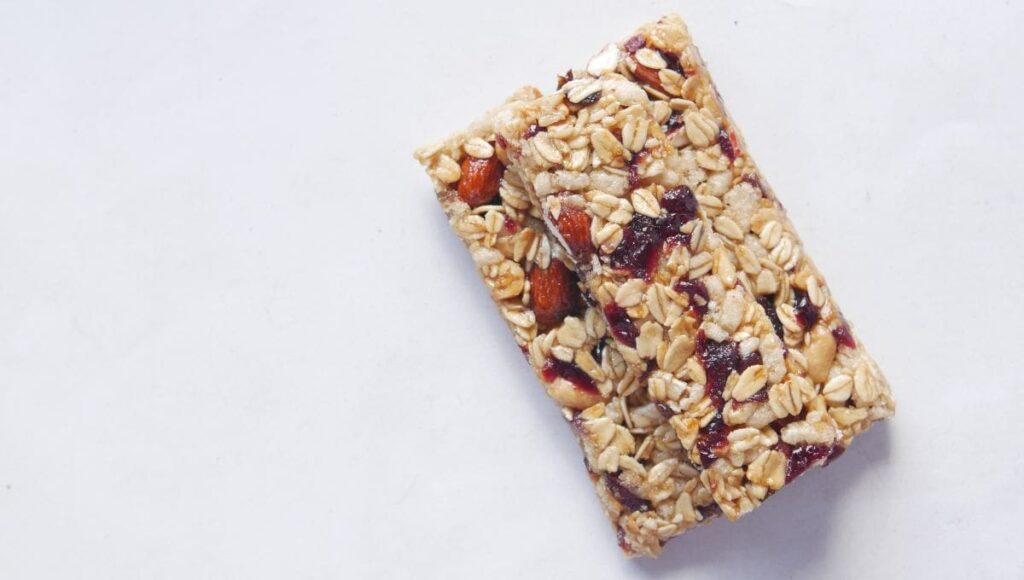
The Thermic Effect of Food and Protein
The thermic effect of food (TEF) refers to the energy expended by our bodies to digest, absorb, and metabolise food. Protein has a higher TEF compared to carbohydrates and fats, meaning it requires more energy to process. A study in the American Journal of Clinical Nutrition found that a high-protein diet can increase TEF and promote weight loss . Eating a light, protein-rich snack before bed can support your metabolism and aid weight loss.
Benefits of Protein Before Bed
Muscle Repair and Growth
Protein is essential for muscle repair and growth. Consuming protein before bed can enhance muscle protein synthesis overnight. A study published in Medicine & Science in Sports & Exercise showed that pre-sleep protein ingestion stimulates muscle protein synthesis, improves overnight recovery, and supports muscle growth . More muscle mass can increase your resting metabolic rate, helping you burn more calories even at rest.
Stabilising Blood Sugar Levels
Eating a protein-rich snack before bed can help stabilise your blood sugar levels. Stable blood sugar levels can prevent late-night hunger and reduce the risk of insulin spikes, which are associated with fat storage. A study in Diabetes Care highlighted that protein can help manage blood sugar levels more effectively than carbohydrates .
Examples of Light, Protein-Rich Snacks
- Greek yogurt with berries
- A small handful of nuts
- Cottage cheese with a few slices of cucumber
- A protein shake with no added sugars
3. Engage in Light Physical Activity

The Benefits of Evening Exercise
While vigorous exercise close to bedtime can interfere with sleep for some people, light physical activity can be beneficial. Light exercise, such as yoga or a short walk, can help improve sleep quality and increase calorie expenditure.
Scientific Evidence on Evening Exercise
Yoga and Sleep Quality
Yoga is particularly effective for reducing stress and improving sleep. A study published in Alternative Therapies in Health and Medicine found that regular yoga practice can improve sleep quality and duration, reduce stress, and aid in weight loss . Gentle yoga poses before bed can help relax your mind and body, preparing you for a restful sleep.
Evening Walks and Metabolism
Taking a short walk after dinner can help regulate blood sugar levels and aid digestion. A study in Diabetologia found that a 15-minute walk after meals can significantly lower blood sugar levels and improve overall metabolic health . This simple activity can also help you unwind and prepare for sleep.
Incorporating Light Physical Activity Into Your Routine
- Yoga: Spend 10-15 minutes doing gentle yoga stretches focused on relaxation.
- Walking: Go for a 10-20 minute walk in your neighbourhood or around your home.
- Stretching: Engage in light stretching exercises to relieve muscle tension and improve circulation.
Conclusion
Incorporating these three habits into your bedtime routine can significantly enhance your weight loss efforts. Creating a relaxing pre-sleep routine, eating a light, protein-rich snack, and engaging in light physical activity are scientifically supported strategies that can help you achieve your weight loss goals more effectively.
By focusing on improving sleep quality, managing stress, and supporting your metabolism, you can make meaningful progress in your weight loss journey. Remember, consistency is key. These small changes, when practised regularly, can lead to significant long-term results.
Key Takeaways
| Habit | Benefits | Actions to Take |
|---|---|---|
| Relaxing Pre-Sleep Routine | Reduces stress and cortisol levels, improves sleep quality | Meditation, deep breathing, limit screen time, read a book |
| Protein-Rich Snack | Increases thermic effect, stabilises blood sugar, supports muscle growth | Greek yogurt, nuts, cottage cheese, protein shake |
| Light Physical Activity | Enhances sleep quality, aids digestion, reduces blood sugar levels | Gentle yoga, evening walks, stretching |
Bibliography
- Patel, S.R., Malhotra, A., White, D.P., Gottlieb, D.J. and Hu, F.B., 2006. Association between reduced sleep and weight gain in women. Sleep, 29(4), pp.531-536.
- Rosmond, R., Dallman, M.F. and Björntorp, P., 1998. Stress-related cortisol secretion in men: relationships with abdominal obesity and endocrine, metabolic and hemodynamic abnormalities. Journal of Clinical Endocrinology & Metabolism, 83(6), pp.1853-1859.
- Black, D.S., O’Reilly, G.A., Olmstead, R., Breen, E.C. and Irwin, M.R., 2015. Mindfulness meditation and improvement in sleep quality and daytime impairment among older adults with sleep disturbances: a randomized clinical trial. JAMA Internal Medicine, 175(4), pp.494-501.
- Chang, A.M., Aeschbach, D., Duffy, J.F. and Czeisler, C.A., 2015. Evening use of light-emitting eReaders negatively affects sleep, circadian timing, and next-morning alertness. Proceedings of the National Academy of Sciences, 112(4), pp.1232-1237.
- Lewis, D., 2009. Galaxy Stress Research. Mindlab International, Sussex University. Available at: http://www.mindlab.org.uk (Accessed 27 June 2024).
- Halton, T.L. and Hu, F.B., 2004. The effects of high protein diets on thermogenesis, satiety and weight loss: a critical review. Journal of the American College of Nutrition, 23(5), pp.373-385.
- Snijders, T., Res, P.T., Smeets, J.S., van Vliet, S., van Kranenburg, J., Maase, K. and van Loon, L.J., 2015. Protein ingestion before sleep improves postexercise overnight recovery. Medicine & Science in Sports & Exercise, 47(8), pp.1565-1572.
- Gannon, M.C. and Nuttall, F.Q., 2004. Effect of a high-protein, low-carbohydrate diet on blood glucose control in people with type 2 diabetes. Diabetes Care, 27(12), pp.2833-2835.
- Javnbakht, M., Hejazi Kenari, R. and Ghasemi, M., 2009. Effects of yoga on depression and anxiety of women. Complementary Therapies in Clinical Practice, 15(2), pp.102-104.
- van Dijk, J.W., Venema, M., van Mechelen, W., Stehouwer, C.D.A. and Hartgens, F., 2013. Effect of moderate-intensity exercise versus activities of daily living on 24-hour blood glucose levels in patients with type 2 diabetes: a randomized controlled trial. Diabetologia, 56(2), pp.239-246.