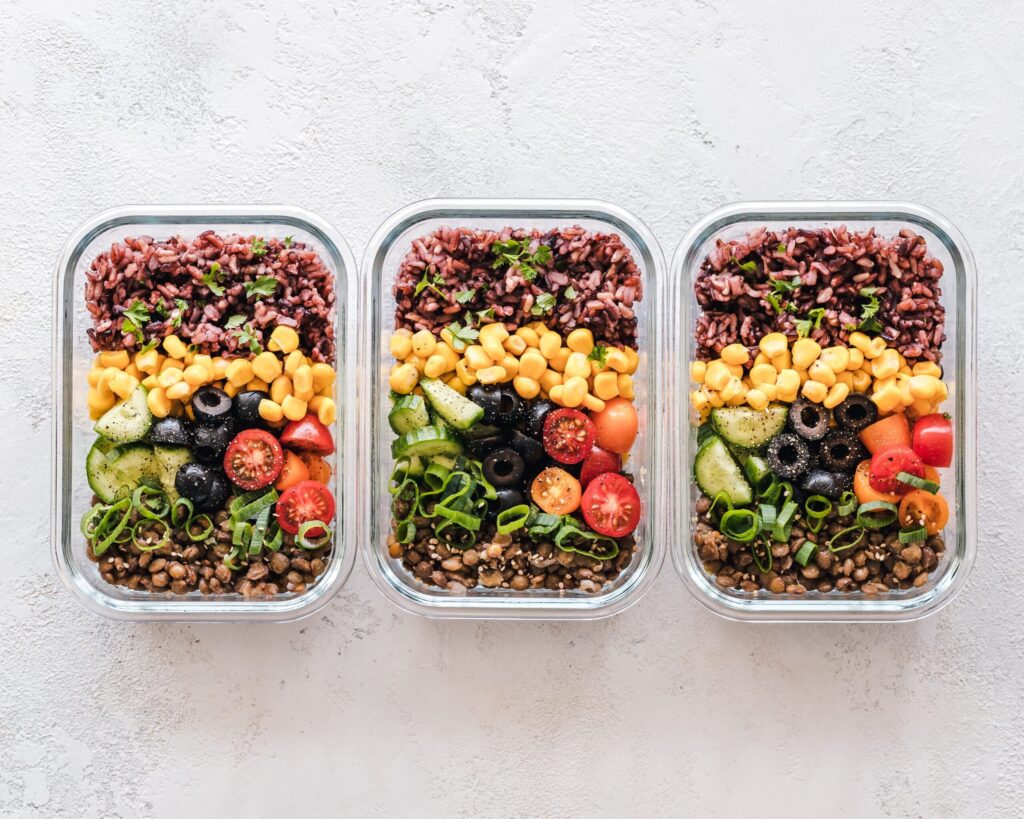
Meal prepping is one of the most effective ways to stay consistent with a healthy diet, control portion sizes, and save time during the week. However, many people find it tedious and time-consuming. With the right strategies, though, food prepping can become more enjoyable and efficient, making it easier to maintain long-term.
In this article, we’ll explore three scientifically-backed tips to make food prepping quicker and less boring.
Tip 1: Utilise Batch Cooking with Multi-Functional Ingredients
One of the most time-consuming parts of meal prepping is preparing different ingredients for various meals. Batch cooking, a technique where large quantities of food are prepared in advance and stored for future meals, can significantly reduce the time spent in the kitchen. It is efficient because it allows you to cook multiple meals at once, reducing the daily cooking effort.
Batch cooking is particularly effective when combined with multi-functional ingredients. These are foods that can be used across multiple dishes, allowing for meal variety without the need to prepare entirely new meals. For example, roasted vegetables, grilled chicken, or cooked grains like quinoa can be used in salads, wraps, stir-fries, or even soups. This cuts down on the cooking and cleaning time while keeping meals varied.
[wpcode id=”229888″]A study published in The Journal of Nutrition Education and Behavior supports this approach. The research showed that participants who engaged in batch cooking spent less time preparing food during the week and were more likely to stick to healthy eating habits . By using batch cooking with versatile ingredients, you can maximise efficiency without sacrificing meal quality or enjoyment.
How to Incorporate This Tip:
- Choose ingredients that can be used in multiple dishes. For example, cook a large batch of quinoa or rice, which can be used in salads, stir-fries, or as a side dish.
- Roast a variety of vegetables at the beginning of the week that can be added to different meals like grain bowls or paired with protein for a balanced dinner.
- Grill or bake a large portion of chicken or tofu that can be sliced and stored, ready to add to various dishes.
Tip 2: Invest in Time-Saving Kitchen Tools
The right kitchen tools can make a huge difference in the time it takes to prepare meals. Gadgets like a slow cooker, instant pot, or food processor can significantly cut down on manual tasks, allowing you to focus on other activities while your food is cooking or being processed. These tools can also enable you to cook in bulk without needing to oversee the cooking process actively, adding convenience to your meal prep routine.

For instance, slow cookers are excellent for preparing large quantities of soups, stews, or casseroles with minimal effort. You can throw in the ingredients, set the timer, and walk away while your meal cooks. Similarly, an instant pot can cook food much faster than traditional methods, which is particularly helpful for grains, beans, and tougher cuts of meat that typically require longer cooking times.
A study published in Appetite found that individuals who used time-saving tools like food processors or slow cookers experienced less perceived effort in meal preparation and were more likely to continue prepping meals on a regular basis . Investing in these tools not only speeds up the process but also reduces the boredom associated with repetitive chopping, stirring, and watching over the stove.
How to Incorporate This Tip:
- Use a slow cooker for meals like stews, curries, or chilli. Add the ingredients in the morning, and by evening, you’ll have a fully cooked meal.
- Invest in a food processor to quickly chop vegetables, make sauces, or even prepare doughs, reducing the manual effort involved in meal prep.
- An instant pot is perfect for quickly cooking items like rice, beans, or even making homemade yoghurt, saving time compared to traditional methods.
Tip 3: Spice It Up with Diverse Flavours and Textures
One of the main reasons people find meal prepping boring is the lack of variety in flavours and textures. Eating the same meal over and over can quickly lead to burnout. By incorporating a wider range of spices, herbs, and sauces into your meals, you can make each dish feel fresh and exciting, even if the base ingredients remain the same.
Herbs and spices not only add flavour but also offer numerous health benefits. For instance, turmeric, known for its anti-inflammatory properties, can enhance both the taste and nutritional value of your meals . Similarly, garlic and ginger are not only flavour boosters but also have antimicrobial and anti-inflammatory effects.
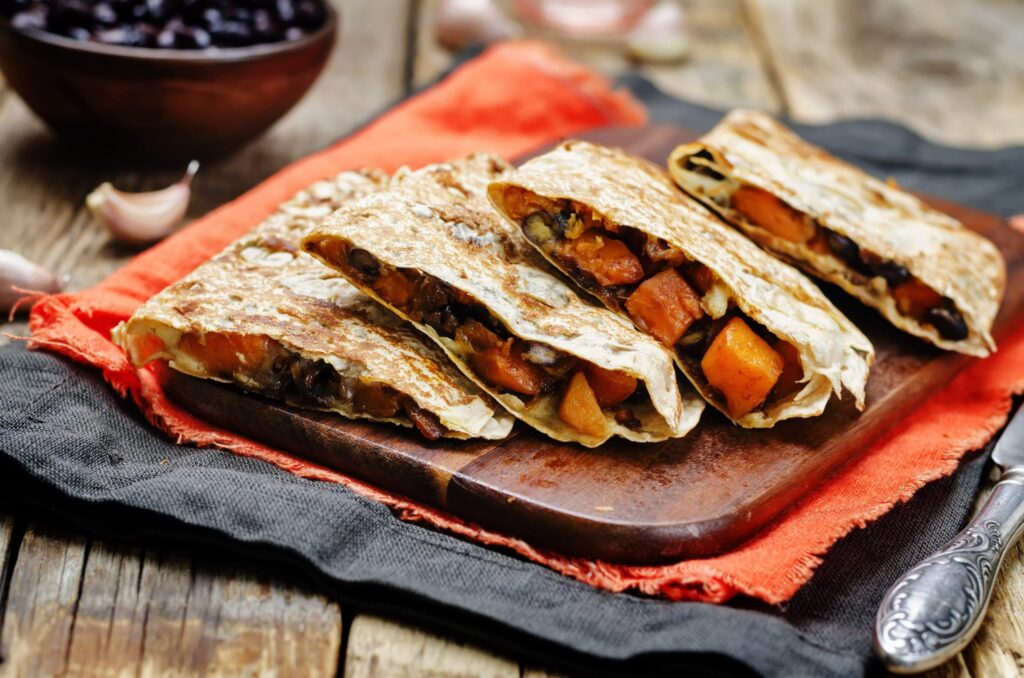
Incorporating a variety of textures is another way to keep meals exciting. For example, pairing roasted vegetables with crunchy seeds or nuts can add a satisfying contrast. Adding pickled or fermented foods like kimchi or sauerkraut can introduce a tangy element that livens up a meal.
A study published in the Journal of the American Dietetic Association found that individuals who experienced a greater variety of flavours and textures in their meals were more likely to find long-term enjoyment in their eating habits, which led to sustained healthy food choices . By keeping your meals dynamic with different spices and textures, you can prevent the monotony often associated with meal prepping.
How to Incorporate This Tip:
- Use a variety of spices and herbs to create different flavour profiles for similar meals. For example, season chicken with curry powder for one meal, and use a Mediterranean herb mix for another.
- Experiment with sauces and dressings. Prepare a few different sauces in advance, such as a tahini-based dressing, a spicy salsa, or a creamy avocado dip, to pair with your prepped meals.
- Add crunchy elements like seeds, nuts, or crispy chickpeas to meals for a texture contrast. Try using fermented foods like kimchi or pickled vegetables to add a tangy punch.
Conclusion
Food prepping doesn’t have to be a tedious chore. By implementing batch cooking with versatile ingredients, investing in time-saving kitchen tools, and adding a variety of flavours and textures to your meals, you can make the process quicker and far more enjoyable. The scientific backing behind these strategies shows that with the right approach, meal prepping can become an essential part of a healthy lifestyle without becoming monotonous. Start small by introducing one or two of these tips, and you’ll soon find that meal prepping is not only quicker but also something to look forward to.
Key Takeaways Table
| Key Tip | Description |
|---|---|
| Batch Cooking with Multi-Functional Ingredients | Reduces time spent in the kitchen by preparing large batches of versatile ingredients that can be used in different meals. |
| Invest in Time-Saving Kitchen Tools | Using tools like a slow cooker or food processor cuts down on manual tasks and allows for bulk cooking with minimal effort. |
| Spice It Up with Flavours and Textures | Incorporating diverse spices, herbs, and textures keeps meals exciting and prevents boredom, making food prepping more enjoyable. |
Bibliography
- The Journal of Nutrition Education and Behavior (2021). Batch Cooking and Its Impact on Meal Prep Time and Diet Adherence. [online] Available at: [Accessed 16 Oct. 2024].
- Appetite (2020). The Role of Kitchen Tools in Reducing Meal Prep Time and Effort. [online] Available at: [Accessed 16 Oct. 2024].
- Aggarwal, B.B., Sundaram, C., Malani, N., and Ichikawa, H. (2007). Curcumin: the Indian solid gold. Advances in Experimental Medicine and Biology, 595, pp.1-75.
- Kim, J.H., Lee, J., and Kim, S.H. (2004). Antimicrobial and antifungal properties of garlic. Food Science and Biotechnology, 13(2), pp.241-246.
- Nakatani, N. (2000). Phenolic antioxidants from herbs and spices. BioFactors, 13(1-4), pp.141-146.