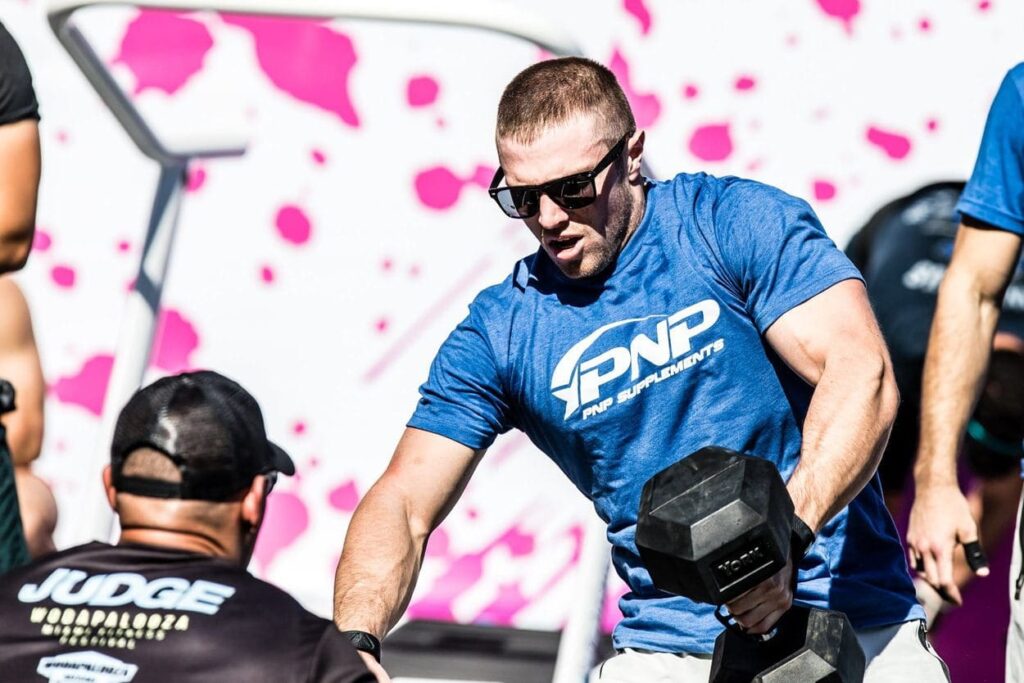


If you don’t want to make terrible, almost irreversible, mistakes when growing bigger, check out 3 tips to massively improve your bulk.
If your bulking journey has hit a plateau or never really took off, it might be time to re-evaluate your approach. Bulking, the process of gaining muscle mass through increased calorie intake and strength training, can be straightforward in theory, but tricky in practice. In this article, we’ll delve into three essential tips that could revitalize your bulking strategy and help you achieve the muscle gains you’re aiming for.
The information you will see below, and the analysis of the scientific studies, was done by the YouTube channel PictureFit, a fitness and health page focused on making those subjects simple for everyone.
Understanding Bulking

Bulking is a term often thrown around in gym circles, typically referring to a period where an individual focuses on gaining muscle through a carefully planned increase in calorie intake, paired with rigorous resistance training. However, the concept of bulking extends beyond just eating more and lifting weights. It’s a strategic approach designed to maximize muscle gains while minimizing fat accumulation. Let’s explore the nuances of an effective bulking strategy to help you gain a clearer understanding and potentially achieve better results.
The Basics of Bulking
At its core, bulking involves consuming more calories than your body burns in a day. This caloric surplus provides your muscles with the necessary energy and nutrients needed for repair and growth after strenuous workouts. However, the key is to ensure that the surplus is not too excessive, which can lead to unwanted fat gain rather than lean muscle mass.
Macronutrient Management
A successful bulking phase requires careful consideration of macronutrients—proteins, carbohydrates, and fats. Protein is critical during a bulk because it is the building block of muscle repair and growth. A general guideline is to consume around 2 grams of protein per kilogram of body weight daily.
Carbohydrates are also vital as they provide the energy needed for intense training sessions. They help replenish glycogen stores in muscles, which are depleted during workouts. Healthy fats should not be neglected either, as they play essential roles in hormone production, including those related to muscle growth and recovery.

Caloric Intake Considerations
The amount of extra calories needed can vary significantly based on individual metabolism, the intensity of the training, and the specific goals of the bulker. A common approach is to start with an additional 250 to 500 calories above your daily maintenance level and adjust based on progress and specific body response.
Read Also: Top 5 Foods That Prevent You From Building Muscle
Monitoring Progress and Adjusting Accordingly
Successful bulking requires regular monitoring of progress. This doesn’t just mean checking the scale but also taking measurements and tracking body fat percentage. If muscle gain is progressing too slowly, an increase in caloric intake might be necessary. Conversely, if fat gain becomes prominent, it might be useful to scale back the caloric surplus or increase cardiovascular activity.
3 Tips to Massively Improve Your Bulk
1. Consider Taking a Break from Bulking
One often overlooked strategy is taking a short break from bulking. Continuous calorie surplus and intense training can be both physically and mentally taxing, leading to bloating, frustration, and potential burnout. A brief pause can help reset your body and mind, making your training more effective upon your return.
2. Switch Up Your Training Routine

If you’re not seeing the results you want, it might be time to change your training approach. Here are two methods to consider:
Strength-Based Training
Incorporate or switch to a strength-based training program. This involves lifting heavier weights at lower reps (about 3-6 reps per set at 85% of your one-rep max or higher). This can enhance your strength gains, which indirectly supports muscle growth by allowing you to work with heavier loads during hypertrophy-focused sessions.
Train Closer to Failure
Another training modification is to push your sets closer to muscle failure. This doesn’t mean every set needs to go to complete failure, but aiming for a high level of exertion (an 8-9 on the RPE scale or leaving 1-2 reps in the tank) can significantly impact your muscle gains. Training close to failure ensures that you’re challenging your muscles sufficiently to trigger growth.
Related: Top Training Programs to Gain Size and Mass
3. Try a Smart “Dirty Bulk”
Lastly, consider a “smart” approach to dirty bulking. While traditional dirty bulking—massively overeating, often without regard to the quality of food—can lead to excessive fat gain, a smarter strategy focuses on increasing your protein intake substantially. This approach ensures you’re consuming enough calories to support growth while maximizing muscle synthesis and minimizing fat gain. It’s crucial, however, to monitor your overall calorie intake to avoid excessive increases.
Conclusion
If you’re struggling to see results from your bulking efforts, consider taking a break, switching up your training regimen, or adjusting your dietary approach. Remember, bulking is not just about eating more and lifting heavy; it’s about making smart, strategic decisions that align with your body’s responses and needs. Try implementing these tips, and you might find that your bulk progresses more effectively than ever before.
Watch the video below for a deeper understanding of these 3 tips to massively improve your bulk.
Read Also: Most Important Muscles to Train to Look Bigger
image sources
- Meal plan: Yaroslav Shuraev on Pexels