Caring for a strong and healthy back is vital for lasting physical wellness. Take an extended look ahead into the following 3 top exercises for an injury proof back. If you are an athlete and at least 35 years old, consider the information as a guide to extending your time in competition. While remaining physically active throughout your time in competition and rest of your life, caring for the back can be a valuable element in long-term health.
[wpcode id=”229888″]Back injuries are common at any age and can really derail any physical wellness goals. The more physical activity you do, you place your body at risk for injury. However, physical activity is good for preventing back injuries. So, what can athletes do to help prevent injuries, and what specific exercises can help to maintain optimal back health? Let’s take a closer look into caring for the back and spine and some of the exercises that can help to keep you out of the trainer’
What is the Role of Exercise for a Healthy Back?
Exercise is a critical component in maintaining back health. The spine is a flexible, bendy, and moveable part in our skeletal structure. When the body is inactive, the spine and back tend to respond in a way that is not optimal and too much sitting time can take away flexibility of the spine.
The spine is made up of discs, ligaments, tissue, and many muscles attach at various portions. Back injuries tend to pop up when the body is fatigued, over worked, and is used with improper form, so this is when it is important to know limitations in the gym. Whether it’s a muscular concern or skeletal, a back injury could really be a setback in your performance.
Fortunately, there are ways to help support back and spine health and exercise can be easy to incorporate into a regular routine in your daily life. Let’s look at the muscles of the back and how working the muscles, big and small, can be valuable for your long-term health.
The Muscles of the Back
The spinal muscles make up a collection of small muscles that line and attach to the spine. These muscles include extensor, flexor, and oblique muscles, aid in rotation, and allow for movement. These muscles are not typically on the radar for many people, but they sure play a significant role in daily life.
Furthermore, the back includes the large superficial muscles, such as the latissimus dorsi, abdominal muscles, part of the trapezius, and rhomboids. These larger muscle groups typically have the most attention and are important for generating power movements. Spending time on the back can help to maintain a strong posterior chain and can help to boost spinal wellness so you can stay away from injuries.
3 Top Exercises for an Injury Proof Back
These exercises have been handpicked to build injury proof strength and can help to maintain lasting back health.
- Supermans. This is quite a great moniker for an exercise. This exercise can be performed anytime and anywhere you can get on the floor. These specifically target the small spinal muscles (specifically the erector spinae) and can be vital for back health. Here’s how to do a superman.
- Lie face down on the floor with your arms extended overhead and feet straight.
- At the same time, lift the hands and feet off the floor and hold for up to five seconds before slowly lowering down.
- Aim for 3 sets of 10 for a starting volume and adjust accordingly.
- Lat Pulldowns. This is a common exercise at the gym and it focuses in on the latissimus dorsi. In addition to working this large back muscle, the stabilization during the concentric movement helps to isometrically work the spinal muscles as well. This exercise can focus on all types of goals including hypertrophy training, basic strength, and stabilization activity.
- Good Mornings. This is an advanced version of the back extension, but good mornings help to add strength to the stabilizing muscles. Good mornings can be used with dumbbells or weighted vest, but a true challenge comes with a barbell. Use this exercise to work the extensor muscles and for lower back health.


Can Stretching Play a Role in Back Health?
The easy answer here is it absolutely can and should be utilized, especially for lower back pain. Stretching is recommended for all parts of the body and is important for maintaining optimal muscle fiber length. Stretching should be performed often and as follows:
- Stretch every major muscle group, focusing on all parts of the back.
- Aim for 10-15 minutes of stretching each day.
- Hold every stretch for 30-60 seconds at a point that is slightly uncomfortable to hold.
- Aim for every day or most days of the week.
- Perform stretching after exercise or when the muscles are warmed up for best results.

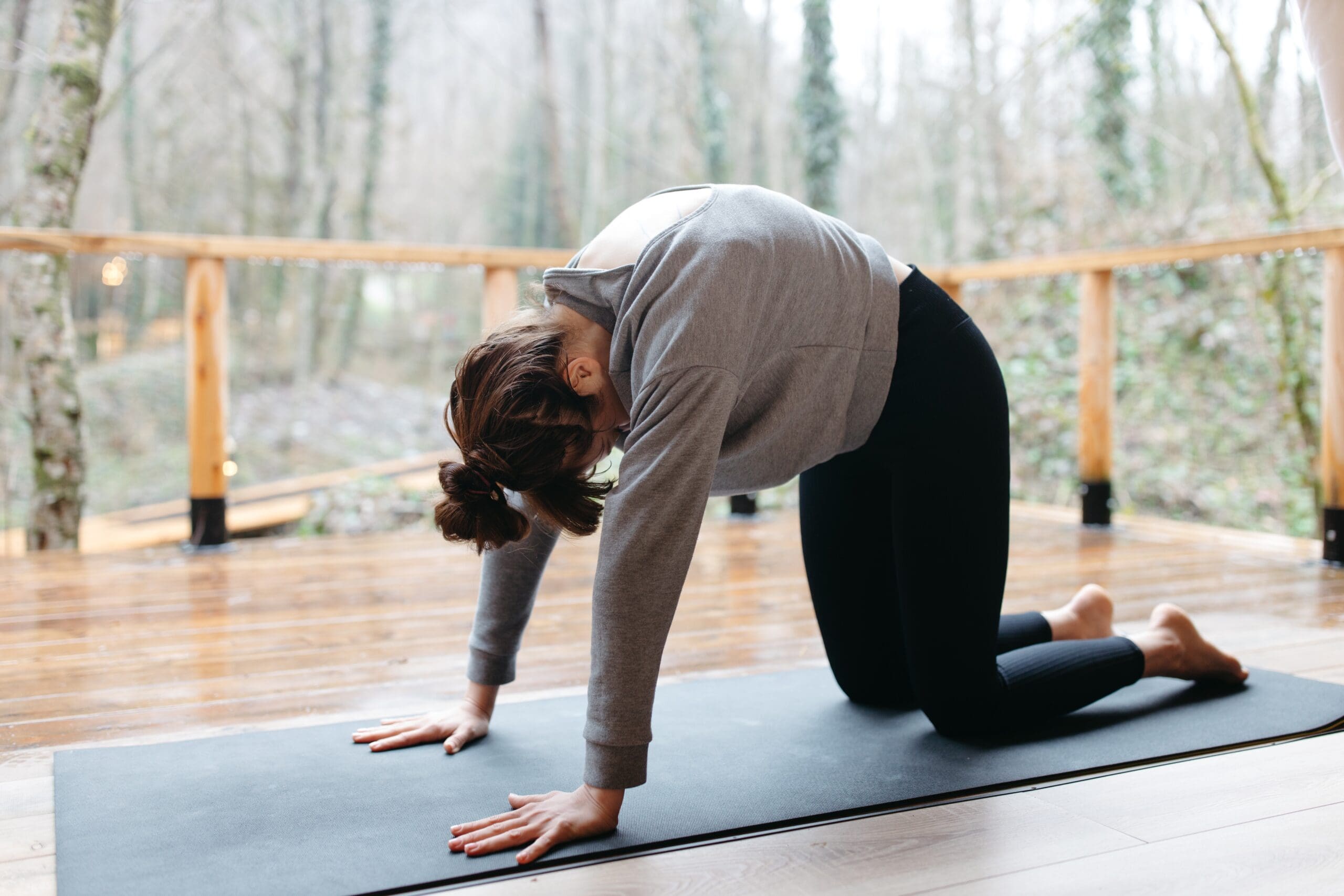
Does Yoga Affect Spine Health?
Yoga is a type of activity that immerses the mind and body for a whole-body awareness to the breath. Throughout the years yoga has gained popularity for its ability to stretch the body and free the mind and can be an amazing way to work the back.
Practicing yoga is a great option for back health because it involves various poses that are specific to the spine. Many of these poses include forward bends, side bends, stretching, torso twists, and hamstring mobility. While there are many different levels of yoga, it is a practice that can be utilized throughout the aging process to help preserve the back and keep you competing.
Wrapping up Back Health
Back health is a highly touchy area among athletes of all ages and competitors who are at least 35 years old should be vigilant on maintaining its health. Young athletes might seem indestructible, but poor form, fatigue, or repetitive motions can truly affect spinal health long-term.
Following the 3 top exercises for an injury proof back above can help to set up your daily routine for success, but if you want to keep competing, keeping an eye on your back health can help you remain in the game for the long-term.