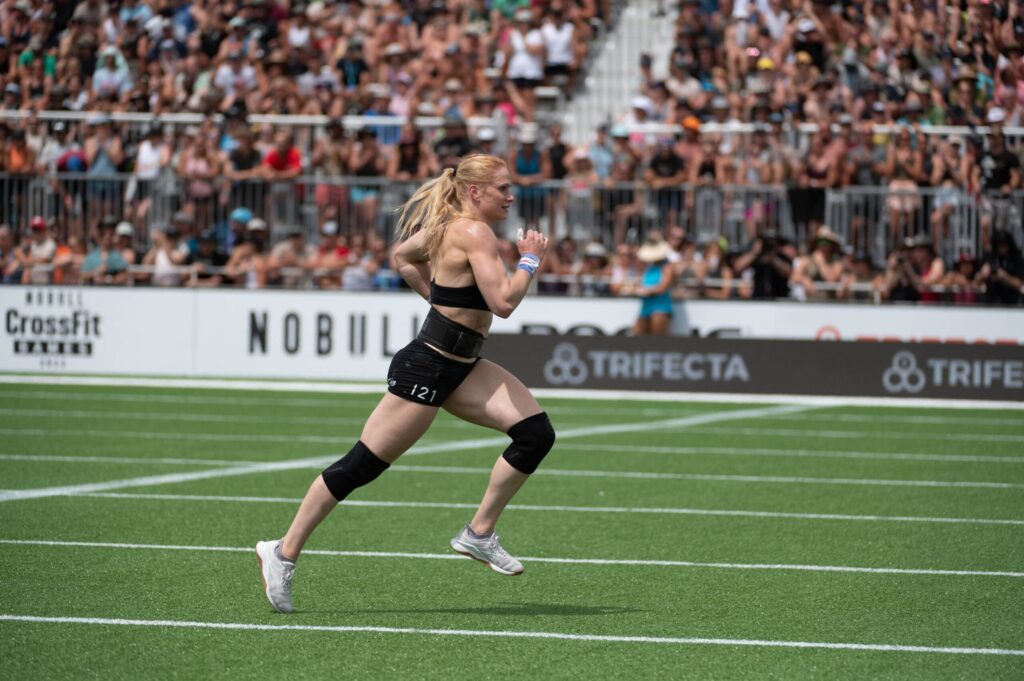
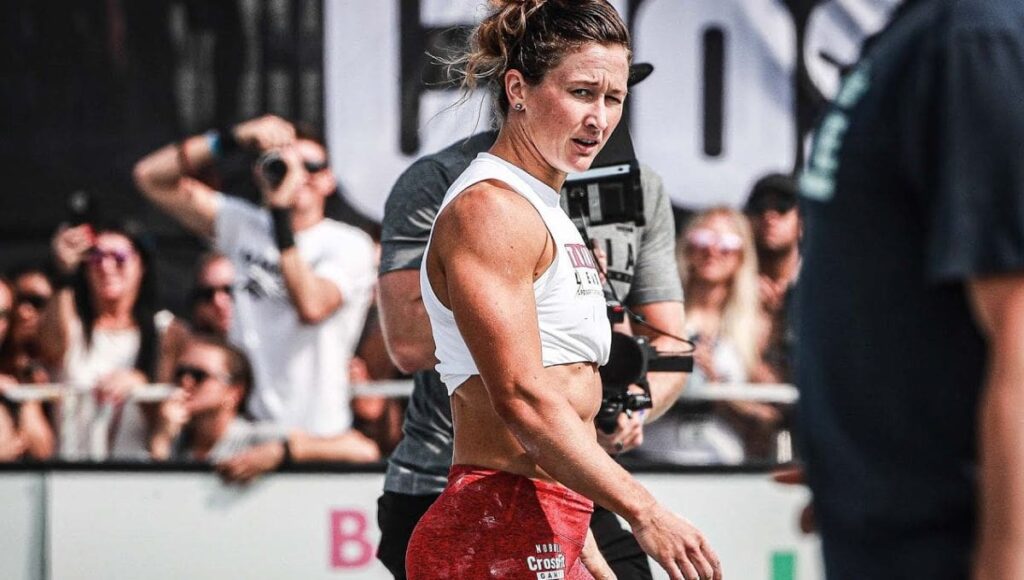
Strength training is critical for women over 30, not only for maintaining aesthetic muscle tone but also for combating the effects of aging such as sarcopenia (muscle loss), osteoporosis, and metabolic decline.
The legs, being the foundation of mobility and overall functionality, deserve focused attention in any strength training regimen. This article outlines three scientifically-supported exercises that effectively build strength, enhance tone, and support joint health in women over 30.
Why Leg Strength Matters More After 30
Muscle mass begins to decline by approximately 3-8% per decade after the age of 30, accelerating further after 60. This phenomenon, known as sarcopenia, leads to decreased functional capacity and increased risk of falls and fractures (Mitchell et al., 2012). Additionally, hormonal changes—especially around perimenopause and menopause—can lead to a redistribution of fat and loss of lean muscle, particularly in the lower body (Lovejoy et al., 2008).
Resistance training is one of the most effective interventions to counteract these effects. It increases muscle fiber size, improves neuromuscular activation, and stimulates bone remodeling, thereby preventing osteoporosis (Wolff et al., 1999). For women over 30, incorporating leg-focused strength training not only improves appearance but also enhances long-term health outcomes.
Exercise 1: Barbell Back Squat
The barbell back squat is a compound movement targeting the quadriceps, hamstrings, glutes, and calves. It also engages the core and stabilizer muscles throughout the body. As a weight-bearing exercise, it contributes significantly to bone density improvements, particularly in the hips and spine.
Scientific Backing
A study by Schoenfeld (2010) confirmed that squats induce high levels of muscle activation in both the quadriceps and gluteus maximus. Moreover, regular squat training has been associated with increased maximal strength, hypertrophy, and improvements in vertical jump and sprint performance (Clark et al., 2012).
Technique Guidance
- Position the barbell on your upper traps, not your neck.
- Stand with feet shoulder-width apart and toes slightly turned out.
- Inhale deeply, brace your core, and descend by bending at the hips and knees.
- Keep the chest upright and knees tracking over the toes.
- Descend until the thighs are parallel to the floor or lower, if mobility allows.
- Drive through the heels to return to standing.
Programming Recommendation
3-4 sets of 6-10 repetitions, 2-3 times per week. Prioritize form over heavy loads to avoid injury, particularly for beginners or those returning after a long training break.
Exercise 2: Romanian Deadlift (RDL)
Overview
The Romanian Deadlift primarily targets the posterior chain—hamstrings, glutes, and spinal erectors. It is particularly effective at isolating and strengthening the hamstrings while promoting proper hip hinge mechanics, crucial for daily functional movements.
Scientific Backing
Research by McAllister et al. (2014) shows that the RDL activates the biceps femoris and gluteus maximus significantly more than traditional deadlifts, making it an excellent choice for hamstring development. It also improves lumbopelvic stability, which is vital for reducing lower back pain—a common concern for women as they age.
Technique Guidance
- Hold a barbell or dumbbells with a pronated grip in front of your thighs.
- Stand with feet hip-width apart and a slight bend in the knees.
- Hinge at the hips while maintaining a flat back, pushing the hips backward.
- Lower the weights down the front of your legs until you feel a stretch in the hamstrings.
- Keep the weights close to your body and avoid rounding the back.
- Reverse the movement by driving the hips forward to return to standing.
Programming Recommendation
3 sets of 8-12 repetitions, focusing on controlled tempo (e.g., 3-second eccentric phase). Include RDLs 1-2 times per week, particularly on days not involving squats.
Exercise 3: Bulgarian Split Squat
Overview
The Bulgarian Split Squat is a unilateral lower-body exercise that targets the quadriceps, glutes, and hamstrings. It is particularly effective for addressing muscle imbalances and improving single-leg strength, balance, and stability.
Scientific Backing
A study by Speirs et al. (2016) demonstrated that unilateral training such as the Bulgarian Split Squat can lead to strength and power gains comparable to bilateral exercises, while also improving neuromuscular coordination and reducing asymmetries. Moreover, it places less axial load on the spine, making it a joint-friendly alternative for those with lower back issues.
Technique Guidance
- Stand a few feet in front of a bench or elevated surface.
- Extend one leg back and place the top of the foot on the bench.
- Keep the torso upright and lower your body by bending the front knee.
- Descend until the front thigh is parallel to the floor.
- Drive through the heel of the front foot to return to the starting position.
- Keep the front knee in line with the foot to avoid valgus collapse.
Programming Recommendation
3-4 sets of 8-10 reps per leg, 1-2 times per week. Start with bodyweight or light dumbbells to perfect form before progressing to heavier resistance.
Additional Considerations for Women Over 30
Hormonal Influence and Recovery
Women over 30 experience gradual hormonal shifts, especially in estrogen and progesterone levels, which can affect recovery, muscle growth, and joint health. Incorporating deload weeks, adequate sleep, and stress management techniques can optimize results.
Nutrition
Adequate protein intake (1.2-2.0 g/kg body weight per day) is essential to support muscle repair and growth. Additionally, calcium and vitamin D are crucial for bone health, particularly in pre- and post-menopausal women (Heaney et al., 2000).
Mobility and Flexibility
Incorporate mobility work such as dynamic stretching pre-workout and static stretching post-workout. This improves range of motion, reduces injury risk, and enhances performance.
Sample Weekly Leg Training Schedule
Day 1: Barbell Back Squats + RDLs
Day 2: Active Recovery or Upper Body
Day 3: Bulgarian Split Squats + Core Training
Day 4: Rest or Low-Intensity Cardio
Day 5: Full-Body Strength Training
Day 6-7: Flexibility work, hiking, or recreational activity
Conclusion
Focusing on leg strength is a powerful investment for women over 30. The barbell back squat, Romanian deadlift, and Bulgarian split squat are scientifically validated exercises that deliver hypertrophy, strength, and functional benefits when performed consistently and with proper form. Incorporating these into a balanced program can significantly enhance quality of life, aesthetics, and physical independence well into later years.
Bibliography
Clark, D.R., Lambert, M.I. and Hunter, A.M., 2012. Muscle activation in the loaded free barbell squat: A brief review. Journal of Strength and Conditioning Research, 26(4), pp.1169-1178.
Heaney, R.P., Davies, K.M., Neylan, J.F., et al., 2000. Calcium and vitamin D in the prevention and treatment of osteoporosis. The American Journal of Medicine, 109(6), pp.442-450.
Lovejoy, J.C., Champagne, C.M., de Jonge, L., Xie, H. and Smith, S.R., 2008. Increased visceral fat and decreased energy expenditure during the menopausal transition. International Journal of Obesity, 32(6), pp.949-958.
McAllister, M.J., Hammond, K.G., Schilling, B.K., Ferreria, L.C. and Reed, J.P., 2014. Muscle activation during various hamstring exercises. Journal of Strength and Conditioning Research, 28(6), pp.1573-1580.
Mitchell, W.K., Williams, J., Atherton, P., Larvin, M., Lund, J. and Narici, M., 2012. Sarcopenia, dynapenia, and the impact of advancing age on human skeletal muscle size and strength: a quantitative review. Frontiers in Physiology, 3, p.260.
Schoenfeld, B.J., 2010. The mechanisms of muscle hypertrophy and their application to resistance training. Journal of Strength and Conditioning Research, 24(10), pp.2857-2872.
Speirs, D.E., Bennett, M.A., Finn, C.V. and Turner, A.P., 2016. Unilateral vs. bilateral lower body resistance and sprint performance in rugby players. Journal of Strength and Conditioning Research, 30(2), pp.386-392.
Wolff, I., van Croonenborg, J.J., Kemper, H.C.G., Kostense, P.J. and Twisk, J.W.R., 1999. The effect of exercise training programs on bone mass: a meta-analysis of published controlled trials in pre- and postmenopausal women. Osteoporosis International, 9(1), pp.1-12.