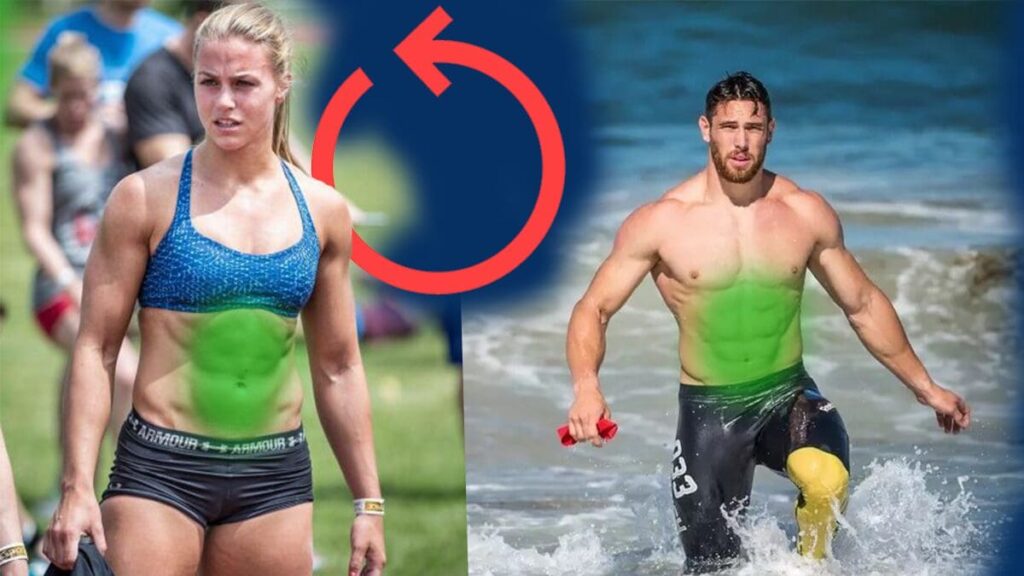
The average gym-goer invests hundreds of dollars each year in training gear. From moisture-wicking shirts to high-performance sneakers and resistance bands, gym equipment is designed to enhance training outcomes.
[wpcode id=”229888″]However, without proper care, even the best gear can degrade quickly. This article breaks down three scientifically grounded strategies to extend the life of your gym training kit: optimizing washing and drying habits, managing environmental exposure, and selecting durable materials backed by research.
By understanding the wear mechanisms and applying targeted interventions, athletes can preserve their equipment, reduce costs, and maintain peak performance.
1. Optimize Washing and Drying Practices
Proper laundering practices can significantly impact the longevity of gym apparel and accessories. Gym clothes are typically made from synthetic fabrics like polyester, nylon, and spandex due to their superior sweat-wicking properties. However, these materials are sensitive to heat, abrasion, and certain detergents.
Use Cold Water and Mild Detergents
A study published in the Journal of Cleaner Production showed that cold water washing is not only energy-efficient but also reduces fabric degradation in synthetic garments (Laitala et al., 2018). Heat accelerates fiber breakdown, especially in elastane-containing fabrics like compression gear. Using cold water minimizes the risk of fiber distortion and loss of elasticity. In tandem, mild or sport-specific detergents are recommended.

Harsh detergents contain enzymes and bleach that can degrade fabric coatings and dyes. Research in the International Journal of Consumer Studies highlights that enzyme-free detergents preserve the structural integrity of microfibers, prolonging garment life (Pakula & Stamminger, 2010).
Turn Clothing Inside Out and Use Mesh Bags
Turning garments inside out before washing reduces friction on the outer surface, which helps maintain color and structural integrity. This practice is especially crucial for printed logos and reflective surfaces, which can crack or peel due to direct abrasion. Mesh laundry bags provide an additional layer of protection by minimizing contact between garments during the wash cycle, reducing pilling and fiber damage.
Avoid Fabric Softeners and Dryer Heat
While fabric softeners can enhance comfort, they coat synthetic fibers with residues that impede moisture-wicking and elasticity. The American Cleaning Institute advises against using softeners on performance fabrics for this reason. Furthermore, tumble drying on high heat is detrimental to synthetic gym wear.
Studies from the Journal of Applied Polymer Science show that elevated temperatures cause permanent deformation in spandex and polyester blends (Grancaric et al., 2009). Air-drying in shaded, ventilated areas is ideal. When air-drying isn’t feasible, using a low-heat or no-heat tumble setting is a safer alternative.
2. Manage Environmental Exposure
Gym gear is frequently exposed to high-stress environments, including UV radiation, sweat, friction, and bacterial growth. Addressing these factors proactively can prevent premature material fatigue and odor retention.
Minimize Sunlight Exposure
UV rays are one of the most insidious threats to synthetic fabrics. Ultraviolet radiation causes polymer chains to break down, leading to discoloration, fiber brittleness, and loss of tensile strength. A study in the Textile Research Journal concluded that prolonged exposure to sunlight significantly deteriorates the mechanical properties of polyester-based garments (Soleimani-Gorgani et al., 2015). Therefore, gym gear should never be dried or stored in direct sunlight. Indoors or shaded drying preserves both color and fiber strength.

Address Sweat and Bacterial Load Immediately
Leaving sweat-soaked clothes in gym bags or laundry hampers accelerates microbial growth and material decay. The moisture combined with body oils creates an ideal environment for odor-producing bacteria such as Micrococcus and Staphylococcus species. Research from the Journal of Applied Microbiology found that odor persistence in athletic wear is linked not only to bacteria but also to the type of fabric, with polyester retaining more odor than cotton due to its hydrophobic nature (McQueen et al., 2007).
Prompt rinsing or airing out garments post-training disrupts bacterial colonization. In addition, incorporating antimicrobial laundry additives periodically can reduce bacterial buildup. Silver-based treatments, for example, have been shown to be effective in reducing microbial contamination without affecting fabric integrity (Nowack et al., 2011).
Clean and Inspect Equipment Regularly
Non-textile gym equipment such as resistance bands, foam rollers, and lifting belts also suffer from environmental exposure. Rubber and foam degrade through a process called oxidative degradation, where oxygen and UV light initiate chain scission reactions. To prevent this, it is advisable to store equipment in cool, dry places and clean them using non-alcoholic, pH-neutral cleaners. Visual inspection should be routine; micro-cracks and fraying are early indicators of material fatigue and potential failure.
3. Choose Durable, Science-Backed Materials
The longevity of gym gear starts with selecting the right materials. Scientific testing and materials research have identified specific fiber compositions and textile constructions that exhibit superior durability under athletic conditions.
Invest in High-Density Synthetic Blends
High-denier fabrics—those with tightly packed fibers—are more resistant to abrasion and pilling. For instance, nylon 6,6 is a high-performance fiber used in military-grade and competitive sportswear due to its high tensile strength and abrasion resistance. Comparative studies from the Journal of Industrial Textiles show that nylon outperforms polyester in burst strength and durability tests under repeated flexing (Kim & Kim, 2014).
Compression garments with higher elastane content (20% or more) offer better recovery and support, but they must be balanced with robust base fabrics to avoid rapid wear. Research indicates that warp-knitted constructions with dual-layer yarns extend functional lifespan due to reduced surface friction and better structural support (Yip & Postle, 2002).
Choose Gear with Built-In Antimicrobial Technology
Many modern training kits incorporate antimicrobial agents like silver ions, triclosan, or zinc oxide into fibers to mitigate odor and bacterial degradation. A meta-analysis in the Journal of Functional Textiles concluded that silver-treated polyester reduces bacterial proliferation by over 90% compared to untreated counterparts (Gao & Cranston, 2008). While costlier, garments with integrated antimicrobial technology maintain hygiene and structural integrity longer, reducing replacement frequency.
Prioritize Brands with Verified Wear Testing
Several manufacturers now provide data on wear testing, including Martindale and pilling resistance scores. Apparel that undergoes ISO-standard testing provides consumers with objective metrics on durability. For example, a Martindale score of 50,000+ cycles indicates heavy-duty wear suitability. Research-led brands typically perform these evaluations to validate fabric claims. Consumers should look for these certifications or request data when investing in higher-cost gym gear.
References
Gao, Y. & Cranston, R. (2008). Recent advances in antimicrobial treatments of textiles. Journal of Functional Textiles, 1(1), pp. 20-34.
Grancaric, A.M., Tarbuk, A. & Katovic, D. (2009). Influence of drying and curing temperature on polyester and polyester/cotton fabrics. Journal of Applied Polymer Science, 114(4), pp. 2317-2324.
Kim, J. & Kim, Y. (2014). A study on the wear performance of nylon and polyester fabrics. Journal of Industrial Textiles, 44(2), pp. 245-259.
Laitala, K., Klepp, I.G. & Henry, B. (2018). Use phase of garments: a key stage in life cycle assessments of clothing. Journal of Cleaner Production, 171, pp. 173-183.
McQueen, R.H., Laing, R.M., Brooks, H.J.L. & Niven, B.E. (2007). Odor intensity in apparel fabrics and the link with bacterial populations. Journal of Applied Microbiology, 103(2), pp. 584-593.
Nowack, B., Krug, H.F. & Height, M. (2011). 120 years of silver antimicrobial history: Impacts, limitations, and future perspectives. Environmental Science & Technology, 45(4), pp. 1177-1183.
Pakula, C. & Stamminger, R. (2010). Electricity and water consumption for laundry washing by washing machine worldwide. International Journal of Consumer Studies, 34(2), pp. 204-211.
Soleimani-Gorgani, M., Ghaffari, M. & Pishvaei, M. (2015). Effect of UV radiation on polyester fabrics: Mechanical and chemical degradation. Textile Research Journal, 85(2), pp. 154-163.
Yip, J. & Postle, R. (2002). The structure and properties of warp-knitted fabrics for sportswear. Journal of the Textile Institute, 93(3), pp. 246-256.
Key Takeaways Table
| Tip | Explanation |
|---|---|
| Wash in cold water | Reduces fiber degradation and preserves elasticity. |
| Avoid heat drying | Heat breaks down spandex and polyester; air-dry instead. |
| Limit sun exposure | UV rays weaken fibers and fade colors. |
| Use antimicrobial detergents | Controls bacteria without damaging fabrics. |
| Choose high-denier fabrics | Densely woven fibers last longer under stress. |
| Look for antimicrobial tech | Silver and zinc-treated fabrics stay hygienic longer. |
| Inspect and store gear properly | Prevents material fatigue in non-textile items. |