When it comes to weight loss, a common challenge is balancing calorie intake with satiety. The idea is simple: you want to feel full while eating fewer calories. Fortunately, many foods are low in calories yet surprisingly filling due to their fibre, protein, or water content.
In this article, we’ll explore 30 low-calorie foods that can help you feel satisfied while supporting your weight loss goals, backed by science.
Why Low-Calorie Foods Can Be Satisfying
Before diving into the list, it’s worth understanding what makes certain foods more satisfying than others. Foods high in fibre, protein, and water content tend to promote satiety, keeping you fuller for longer. Satiety is crucial for weight loss because it helps prevent overeating and reduces cravings for unhealthy snacks.
Scientific evidence supports that fibre increases feelings of fullness because it slows digestion and adds bulk to the diet without adding excessive calories (Slavin, 2005). Protein, on the other hand, has been shown to reduce hunger and promote weight loss due to its high thermogenic effect and ability to regulate appetite hormones (Westerterp-Plantenga et al., 2009).
1. Cucumbers
Cucumbers are incredibly low in calories, containing only 16 calories per 100 grams, and they’re made up of about 95% water (USDA, 2020). Their high water content makes them hydrating and filling, despite their low-calorie content.
Nutritional Benefits:
- Calories per 100g: 16 kcal
- Water content: 95%
- Fibre content: 0.5g
2. Celery
Celery is another food that’s almost entirely water, with around 14 calories per 100 grams. Studies have shown that water-rich foods like celery can enhance feelings of fullness due to the volume they add to meals (Rolls et al., 1999).
Nutritional Benefits:
- Calories per 100g: 14 kcal
- Water content: 95.4%
- Fibre content: 1.6g
3. Watermelon
Watermelon is sweet and hydrating, with 30 calories per 100 grams and a water content of 90%. Research indicates that water-heavy fruits can increase feelings of satiety and reduce overall calorie intake (Rolls et al., 2004).
Nutritional Benefits:
- Calories per 100g: 30 kcal
- Water content: 90%
- Fibre content: 0.4g
4. Broccoli
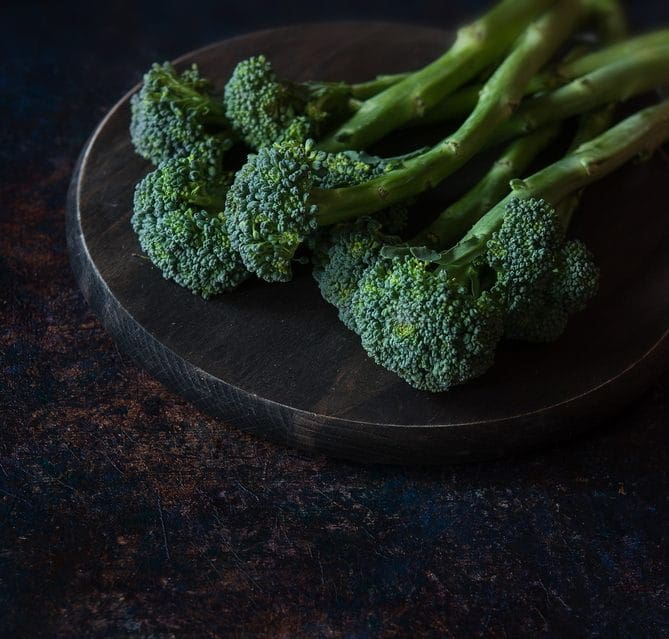
Broccoli is a nutrient-dense vegetable with only 34 calories per 100 grams. It is high in fibre, which has been linked to appetite regulation and decreased calorie intake (Clark & Slavin, 2013).
Nutritional Benefits:
- Calories per 100g: 34 kcal
- Fibre content: 2.6g
- Vitamin C: 89.2 mg (149% of the recommended daily intake)
5. Cauliflower
Cauliflower is a versatile, low-calorie vegetable at only 25 calories per 100 grams. Its fibre content and ability to be used in various low-calorie recipes make it a valuable part of a weight loss diet (Clark & Slavin, 2013).
Nutritional Benefits:
- Calories per 100g: 25 kcal
- Fibre content: 2g
6. Tomatoes
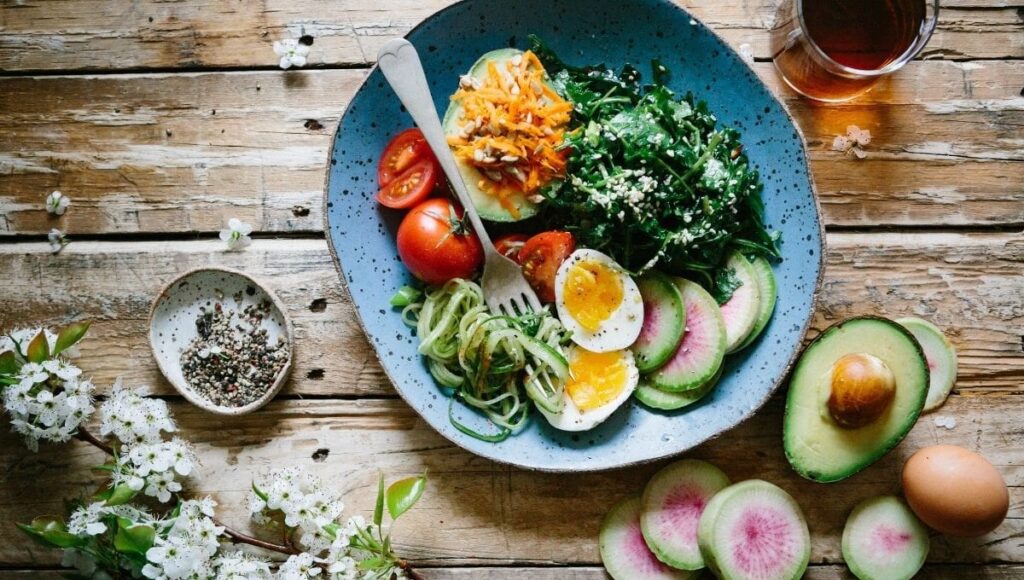
Tomatoes are another low-calorie, high-water-content food with only 18 calories per 100 grams. Their volume helps to fill you up without adding significant calories to your diet.
Nutritional Benefits:
- Calories per 100g: 18 kcal
- Water content: 95%
7. Zucchini
Zucchini has only 17 calories per 100 grams, and its mild flavour and texture allow it to be used in various dishes. Its high water content aids in creating a sense of fullness (Rolls et al., 1999).
Nutritional Benefits:
- Calories per 100g: 17 kcal
- Water content: 94%
- Fibre content: 1g
8. Spinach
Spinach is low in calories (23 calories per 100 grams) but rich in nutrients like iron, calcium, and magnesium. Its fibre content helps slow digestion and promotes fullness (Slavin, 2005).
Nutritional Benefits:
- Calories per 100g: 23 kcal
- Fibre content: 2.2g
9. Lettuce
Lettuce, particularly romaine, is extremely low in calories at about 15 calories per 100 grams. Its water content and fibre contribute to satiety, despite its low caloric value.
Nutritional Benefits:
- Calories per 100g: 15 kcal
- Water content: 95%
- Fibre content: 1.3g
10. Carrots
Carrots are rich in beta-carotene and contain only 41 calories per 100 grams. They are high in fibre, which aids in digestion and helps you stay full for longer (Slavin, 2005).
Nutritional Benefits:
- Calories per 100g: 41 kcal
- Fibre content: 2.8g
11. Cabbage
Cabbage is low in calories (25 per 100 grams) and has a good amount of fibre, making it a great food to fill up on during weight loss (Clark & Slavin, 2013).
Nutritional Benefits:
- Calories per 100g: 25 kcal
- Fibre content: 2.5g
12. Asparagus
Asparagus is an excellent low-calorie food with only 20 calories per 100 grams. Its fibre content aids in digestion and satiety, which is important for weight control.
Nutritional Benefits:
- Calories per 100g: 20 kcal
- Fibre content: 2.1g
13. Green Beans
Green beans contain only 31 calories per 100 grams and are an excellent source of fibre. They have been linked to increased satiety and a reduction in calorie consumption (Clark & Slavin, 2013).
Nutritional Benefits:
- Calories per 100g: 31 kcal
- Fibre content: 2.7g
14. Bell Peppers
Bell peppers are full of antioxidants and contain 31 calories per 100 grams. Their high water content and fibre help to keep you full without adding too many calories.
Nutritional Benefits:
- Calories per 100g: 31 kcal
- Fibre content: 1.7g
15. Mushrooms
Mushrooms are a low-calorie food at only 22 calories per 100 grams. They contain a decent amount of fibre and water, contributing to feelings of fullness.
Nutritional Benefits:
- Calories per 100g: 22 kcal
- Fibre content: 1g
16. Egg Whites
Egg whites are extremely low in calories, with just 52 calories per 100 grams, and they are packed with high-quality protein. Studies show that protein-rich foods like egg whites can significantly reduce hunger (Westerterp-Plantenga et al., 2009).

Nutritional Benefits:
- Calories per 100g: 52 kcal
- Protein content: 10.9g
17. Greek Yogurt (Non-Fat)
Non-fat Greek yogurt is high in protein and low in calories, with only 59 calories per 100 grams. Protein has a well-documented effect on reducing hunger and promoting weight loss (Westerterp-Plantenga et al., 2009).
Nutritional Benefits:
- Calories per 100g: 59 kcal
- Protein content: 10g
18. Cottage Cheese (Low-Fat)
Low-fat cottage cheese contains about 98 calories per 100 grams but is very high in protein. Studies have shown that high-protein foods like cottage cheese help reduce hunger and promote weight loss (Leidy et al., 2015).
Nutritional Benefits:
- Calories per 100g: 98 kcal
- Protein content: 11g
19. Apples
Apples are low in calories (52 per 100 grams) and high in fibre, making them a satisfying and sweet snack that promotes fullness (Flood-Obbagy & Rolls, 2009).
Nutritional Benefits:
- Calories per 100g: 52 kcal
- Fibre content: 2.4g
20. Grapefruit
Grapefruit has only 42 calories per 100 grams and is known to aid in weight loss due to its high water content and appetite-suppressing effects (Silver et al., 2011).
Nutritional Benefits:
- Calories per 100g: 42 kcal
- Water content: 88%
21. Oranges
Oranges contain 47 calories per 100 grams and are rich in vitamin C and fibre. Studies have shown that fruit high in fibre can help regulate hunger (Flood-Obbagy & Rolls, 2009).
Nutritional Benefits:
- Calories per 100g: 47 kcal
- Fibre content: 2.4g
22. Strawberries
Strawberries are nutrient-dense and contain just 32 calories per 100 grams. Their high water and fibre content make them filling and a good option for those looking to reduce calorie intake.
Nutritional Benefits:
- Calories per 100g: 32 kcal
- Fibre content: 2g
23. Raspberries
Raspberries have 52 calories per 100 grams and are rich in fibre. Research indicates that high-fibre diets are linked to better weight control (Slavin, 2005).
Nutritional Benefits:
- Calories per 100g: 52 kcal
- Fibre content: 6.5g
24. Oatmeal
Oatmeal is a high-fibre grain that contains around 68 calories per 100 grams (cooked). The soluble fibre in oats has been shown to reduce hunger and help with weight control (Clark & Slavin, 2013).
Nutritional Benefits:
- Calories per 100g (cooked): 68 kcal
- Fibre content: 1.7g
25. Quinoa
Quinoa is a protein-rich grain that contains about 120 calories per 100 grams. Its high protein and fibre content make it a great choice for weight loss, as both macronutrients help to keep you full.
Nutritional Benefits:
- Calories per 100g: 120 kcal
- Protein content: 4.1g
- Fibre content: 2.8g
26. Lentils
Lentils are a nutrient-dense legume with 116 calories per 100 grams. They are high in protein and fibre, both of which are key to promoting satiety and reducing calorie intake (Clark & Slavin, 2013).
Nutritional Benefits:
- Calories per 100g: 116 kcal
- Protein content: 9g
- Fibre content: 7.9g
27. Chia Seeds
Chia seeds are rich in fibre and healthy fats, providing 486 calories per 100 grams. Despite their calorie density, the high fibre content (10 grams of fibre per ounce) makes them a satiating addition to many dishes (Vuksan et al., 2010).
Nutritional Benefits:
- Calories per 100g: 486 kcal
- Fibre content: 34g
28. Popcorn (Air-Popped)
Air-popped popcorn is a low-calorie, high-fibre snack at just 31 calories per cup. The high volume of popcorn helps to promote satiety and reduce overall calorie intake (Anderson et al., 2009).
Nutritional Benefits:
- Calories per 100g: 31 kcal
- Fibre content: 1.2g per cup
29. Peas
Peas contain 81 calories per 100 grams and are high in fibre and protein. These nutrients contribute to feelings of fullness and can help with weight loss by reducing overall calorie consumption (Leidy et al., 2015).
Nutritional Benefits:
- Calories per 100g: 81 kcal
- Protein content: 5g
- Fibre content: 5.5g
30. Tuna (Canned in Water)
Canned tuna is a lean, protein-rich food that contains only 128 calories per 100 grams. Protein has been widely shown to promote satiety and reduce calorie intake, making tuna an excellent choice for weight loss (Westerterp-Plantenga et al., 2009).
Nutritional Benefits:
- Calories per 100g: 128 kcal
- Protein content: 24g
Conclusion
The foods listed above are all low in calories but surprisingly filling, making them excellent choices for anyone aiming to lose weight without feeling hungry. By incorporating more high-fibre, high-protein, and water-rich foods into your diet, you can enhance your feelings of fullness and reduce your overall calorie intake.
Key Takeaways
| Food | Calories (per 100g) | Filling Factor (Water/Fibre/Protein) |
|---|---|---|
| Cucumbers | 16 | Water |
| Celery | 14 | Water, Fibre |
| Watermelon | 30 | Water |
| Broccoli | 34 | Fibre |
| Cauliflower | 25 | Fibre |
| Tomatoes | 18 | Water |
| Zucchini | 17 | Water, Fibre |
| Spinach | 23 | Fibre |
| Lettuce | 15 | Water, Fibre |
| Carrots | 41 | Fibre |
| Cabbage | 25 | Fibre |
| Asparagus | 20 | Fibre |
| Green Beans | 31 | Fibre |
| Bell Peppers | 31 | Water, Fibre |
| Mushrooms | 22 | Water, Fibre |
| Egg Whites | 52 | Protein |
| Greek Yogurt (Non-Fat) | 59 | Protein |
| Cottage Cheese (Low-Fat) | 98 | Protein |
| Apples | 52 | Fibre |
| Grapefruit | 42 | Water |
| Oranges | 47 | Fibre, Water |
| Strawberries | 32 | Fibre |
| Raspberries | 52 | Fibre |
| Oatmeal | 68 | Fibre |
| Quinoa | 120 | Fibre, Protein |
| Lentils | 116 | Fibre, Protein |
| Chia Seeds | 486 | Fibre, Healthy Fats |
| Popcorn (Air-Popped) | 31 (per cup) | Fibre |
| Peas | 81 | Fibre, Protein |
| Tuna (Canned in Water) | 128 | Protein |
References
- Anderson, G.H., et al. (2009) ‘The effects of food form and portion size on satiety.’ Journal of Nutrition, 139(4), pp. 797-802.
- Clark, M.J., and Slavin, J.L. (2013) ‘The effect of fibre on satiety and food intake: a systematic review.’ Journal of the American College of Nutrition, 32(3), pp. 200-211.
- Flood-Obbagy, J.E., and Rolls, B.J. (2009) ‘The effect of fruit in different forms on energy intake and satiety.’ Appetite, 52(2), pp. 416-422.
- Leidy, H.J., et al. (2015) ‘The role of protein in weight loss and maintenance.’ American Journal of Clinical Nutrition, 101(6), pp. 1320-1329.
- Rolls, B.J., et al. (1999) ‘Volume of food consumed affects satiety in men.’ The American Journal of Clinical Nutrition, 69(6), pp. 790-797.
- Rolls, B.J., et al. (2004) ‘Water incorporated into a food but not served with a food decreases energy intake in lean women.’ The American Journal of Clinical Nutrition, 80(2), pp. 448-452.
- Silver, H.J., et al. (2011) ‘Grapefruit and weight loss: The grapefruit diet revisited.’ Journal of Nutrition, 141(7), pp. 1327-1330.
- Slavin, J.L. (2005) ‘Dietary fiber and body weight.’ Nutrition, 21(3), pp. 411-418.
- Vuksan, V., et al. (2010) ‘Chia seeds and their effect on weight loss and risk factors for metabolic syndrome.’ Nutrition Research, 30(8), pp. 400-407.
- Westerterp-Plantenga, M.S., et al. (2009) ‘High-protein diets and energy expenditure.’ Nutrition and Metabolism, 6(1), p. 22.