Check out 4 calisthenics moves that are easier than they look, and 4 that are way harder.
Calisthenics, the art of using one’s body weight for muscle building and endurance training, offers a vast array of exercises that can significantly enhance physical fitness without the need for equipment. Among these exercises, some appear daunting at first glance, seemingly reserved for the elite athlete. However, appearances can be deceiving. This article delves into 4 calisthenics moves that, despite their intimidating facade, are more accessible than one might think – and 4 that look deceivingly easy, but are not.
4 Calisthenics Moves That Are Easier Than They Look
The information you will see below is based on a video shared by Alex Lorenz, a sports teacher and YouTube fitness expert. As the co-founder of Calisthenic Movement, he’s been immersed in calisthenics training since 2012, regularly sharing videos for those looking to get fit using just their body weight as resistance.
Read More: 8 Mistakes Everyone Does Trying to Get Shredded
Typewriter Pull-Up:
The typewriter pull-up, with its advanced appearance, might deter many from attempting it. Yet, surprisingly, individuals capable of performing only a couple of regular pull-ups have mastered the typewriter pull-up on their first attempt. The ease of performing this exercise greatly depends on the equipment used; rings, for example, offer a more joint-friendly option by allowing arm rotation to a comfortable position without compromising grip. For optimal execution, one should anchor their arm close to the torso, move slowly, and avoid extending the arm too rapidly.
Elbow Lever:
At first glance, the elbow lever might seem like a feat of strength out of reach for many. In reality, it’s less about brute force and more about balance and a bit of technique. By distributing your weight between your upper and lower body, the elbow lever becomes an accessible skill for those with basic strength. Beginners can start with their feet on the ground, progressively finding the perfect balance point to execute this move.
One-Handed Pull-Up:
The one-handed pull-up, while visually impressive, is not as daunting as it appears, if you use the other “free hand” to hold on your wrist while pulling yourself up. By using the strength of the arm that grasps the wrist, the exercise becomes significantly easier than performing a true one-arm pull-up. However, it still presents a challenge and offers a great stepping stone to more advanced variations.
Even though this exericse is “easier than it looks” it is still much harder than performing normal pull-ups using both arms.
Back Lever:
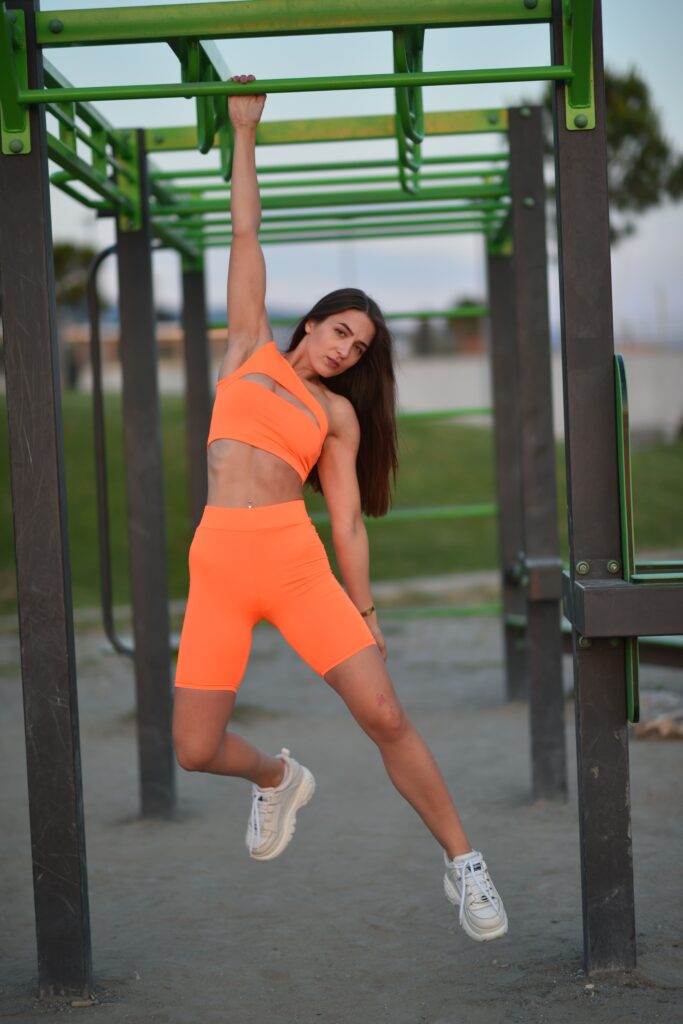
Contrary to popular belief, the back lever is generally easier to achieve than the front lever. This misconception stems from its appearance, which can mislead one into thinking it requires more strength. The back lever benefits from a passive strength component due to the arm position, which is not present in the front lever. This makes the back lever an accessible goal for many practitioners of calisthenics.
Should You Transition to Calisthenics?
4 Calisthenics Moves Harder Than They Look
Okay, now you know how you can perhaps impress your friends when doing bodyweight exercises with the 4 calisthenics moves from above. However, if you truly want to master the power of calisthenics, you will want to learn some exercises that seem so simple it must be easy, right? Wrong.
There are movements that appear deceptively simple but demand a high level of strength, flexibility, and technical proficiency. This segment delves deeper into four such exercises: the front lever, planche lean, sitting leg raise, and impossible dips, uncovering the intricacies that make them more challenging than they initially appear.
Front Lever:
The front lever is an iconic calisthenics move that tests the limits of one’s pulling strength, core stability, and control. Unlike the back lever, which benefits from a passive strength component due to the arm’s stretched position, the front lever requires the practitioner to actively generate all the force. This move demands significant strength in the lats, core, and posterior chain to maintain a rigid body position parallel to the ground. Achieving the front lever requires not just brute strength but also a meticulous approach to training, focusing on progressive overload and specific accessory exercises to build up the necessary muscle groups.
Planche Lean:
At first glance, the planche lean might seem akin to a basic push-up position with a forward lean. However, this exercise is a formidable challenge, primarily because of the intense load it places on the wrists, shoulders, and core. The difficulty escalates with the degree of the lean, pushing the limits of one’s straight-arm strength and scapular protraction. Preparing for a planche lean involves comprehensive conditioning of the wrists and shoulders, as well as the development of an exceptional core strength, to sustain the forward lean without compromising form.
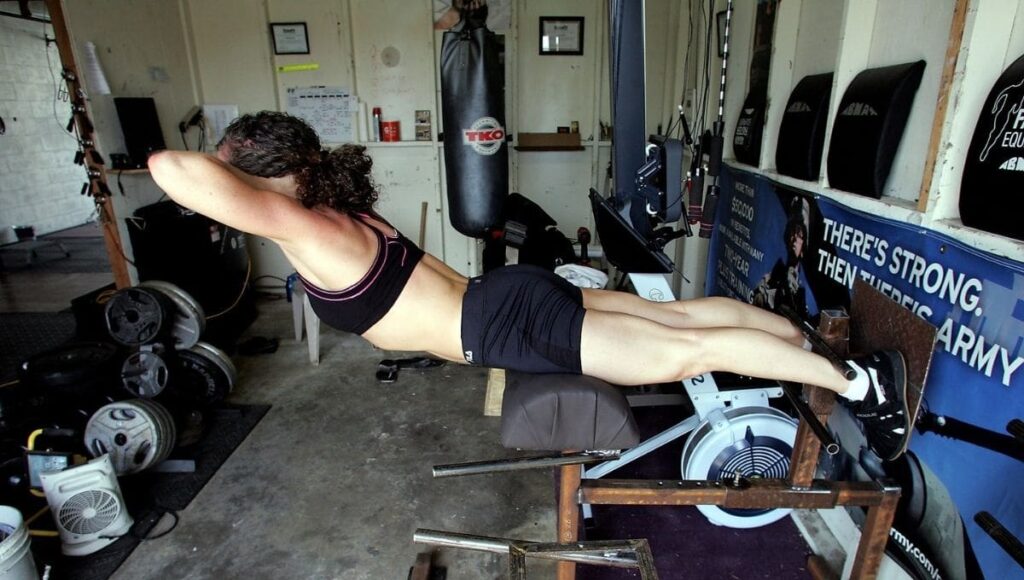
Sitting Leg Raise:
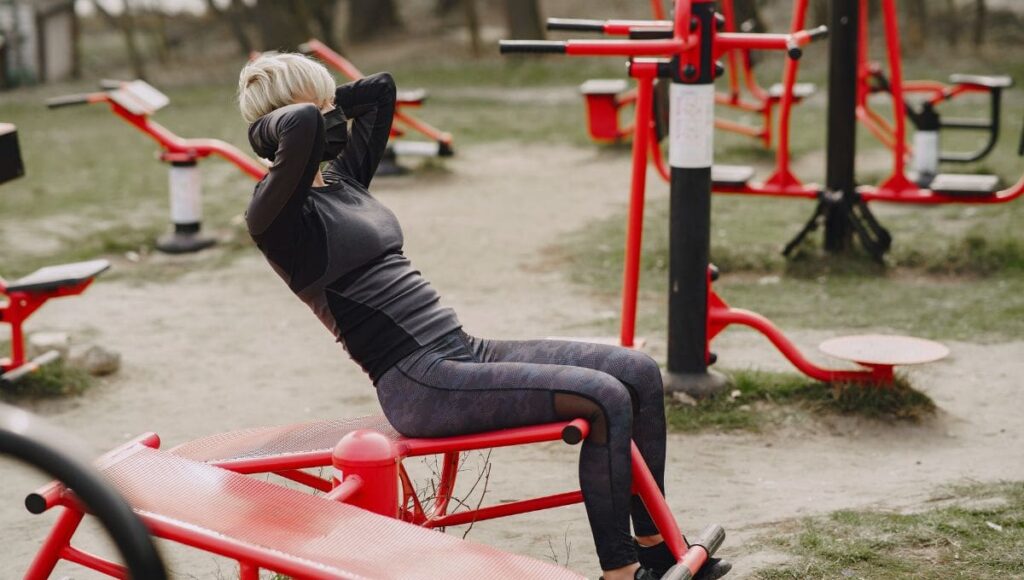
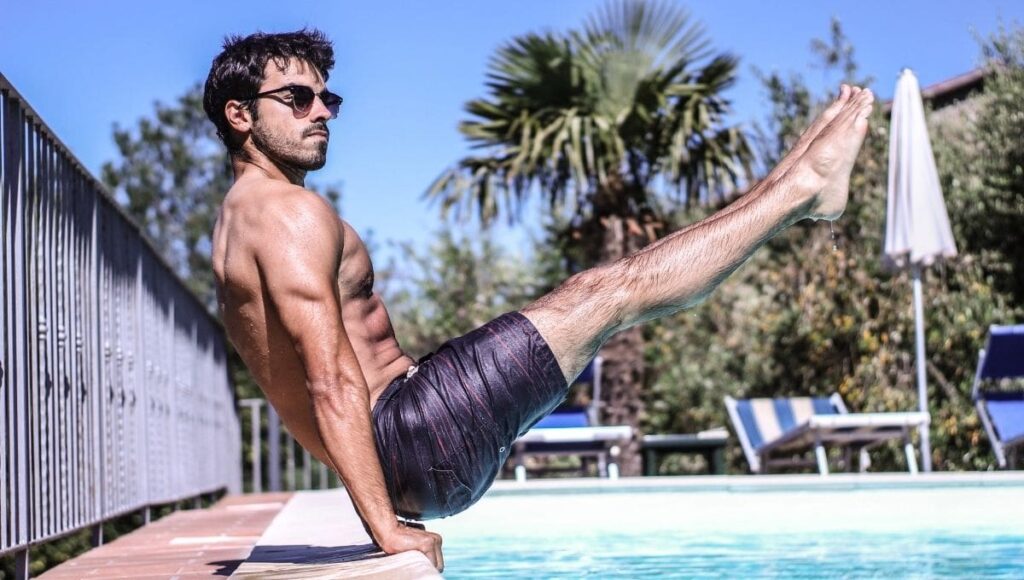
The sitting leg raise, often mistaken for a beginner-friendly flexibility drill, is a true test of compression strength and hip flexor capability. The challenge lies in maintaining a tight angle between the torso and legs, requiring not just flexibility but also the strength to compress the body maximally. As one attempts to raise the legs higher while leaning forward, the exercise transitions from a mere flexibility test to a demanding strength exercise. Training for the sitting leg raise involves a balanced approach to developing both flexibility in the hamstrings and strength in the abdominals and hip flexors.
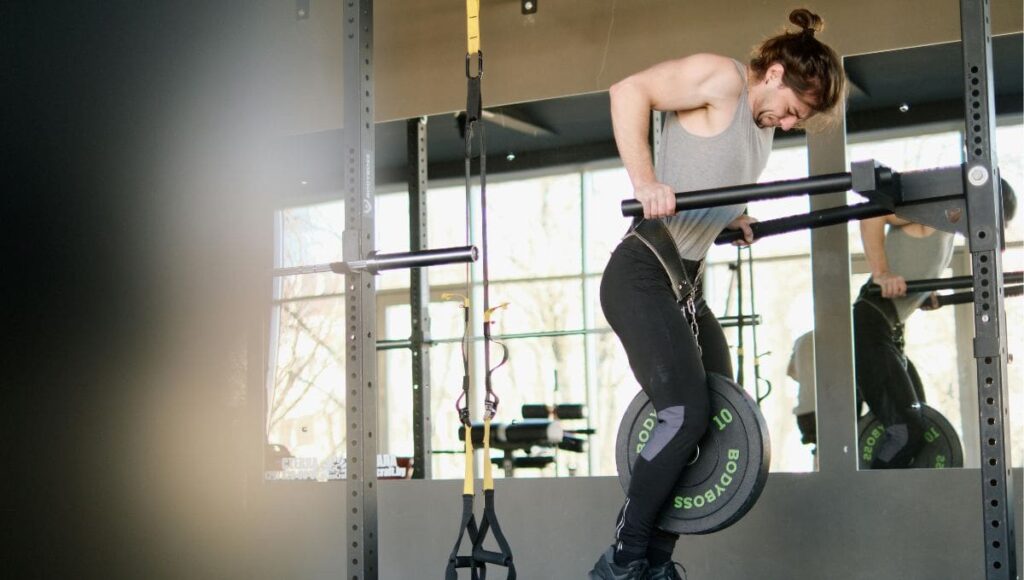
Impossible Dips:
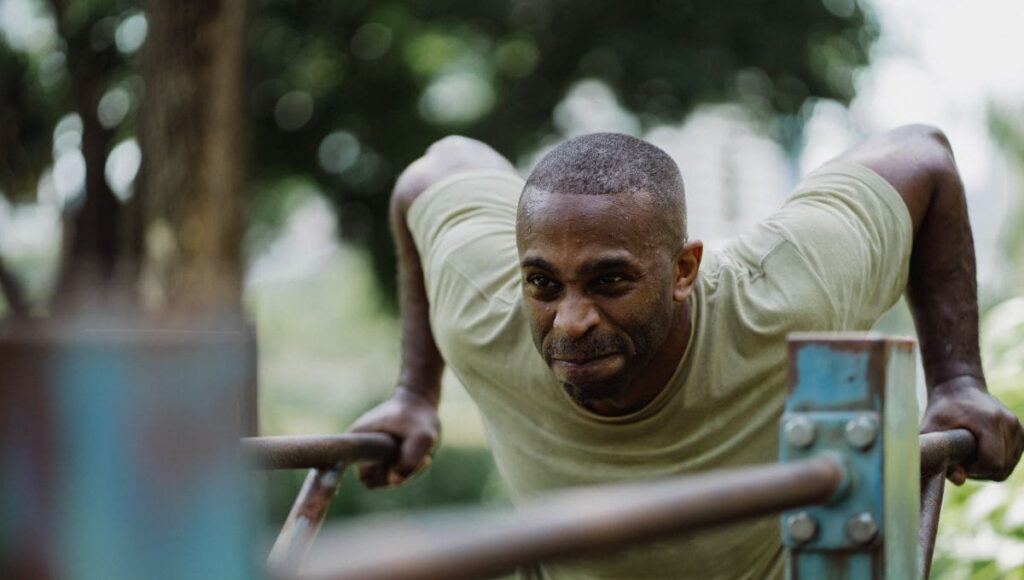
The name itself suggests the daunting nature of impossible dips, yet the unassuming posture might lead some to underestimate their difficulty. This variation of dips transcends the conventional by shifting the focus entirely to the triceps, eliminating assistance from the chest and shoulders. Executing an impossible dip requires elevating the body using triceps strength alone, akin to performing a strict triceps extension with one’s entire body weight. The challenge is amplified by the need to maintain a precise body position, avoiding forward lean to ensure the triceps are engaged maximally. Training for impossible dips involves a gradual progression, starting with assisted variations and focusing on building unmatched triceps strength.
Related: 5 Dangerous Exercises You Should Avoid (If You’re Not Ready Yet)
Calisthenics presents a unique blend of challenges and surprises, where the perceived difficulty of exercises doesn’t always align with reality. Moves that look intimidating can be more attainable with the right approach and technique, while seemingly simple exercises can test the limits of one’s strength and flexibility. This dynamic nature of calisthenics not only keeps training interesting but also provides a clear pathway for progression, from beginner to advanced levels. Whether you’re just starting out or looking to push your limits, understanding the true challenge behind each move can help set realistic goals and achieve remarkable progress in your fitness journey.
For a better explanation or visual cues of each exercise, you can simply watch the video below in which Alex Lorenz goes deeper into the hows and whys of calisthenics moves that are easier and harder than they look.
The Most Effective Full Body Workout You Can Do Without A Gym
Calisthenics—a practice as old as time, using only body weight to exercise resistance—offers everything from pure basic health to anything an exerciser might desire. The major aim of calisthenics comprises increasing the levels of strength and endurance of muscles, flexibility, and health of the heart. This type of training is meant for contracting a number of groups of muscles at the same time and provides thorough exercise that might tend to enhance overall body composition and its functionality.
For example, calisthenics includes natural movements like pushing, pulling, and stabilizing in exercises that are similar to everyday activities, functional strengthening, and decreasing the risk of injury in daily life. Thus, one of the most important advantages of calisthenics is that it is easily accessible. This is because, unlike the classical gym-based workouts which called for a large sum of money and a very expensive set of equipment, calisthenics can be done at any place, whether within the park or from home. This added flexibility not only makes it more manageable for individuals to fit fitness into their daily routines but also allows those who are new to exercise to remove additional barriers of entry.
Further, the scalability of the calisthenics exercises allows for exercise engagement by people of every fitness level, starting from beginners to even more advanced practitioners. Calisthenics also boasts the benefit of improving mobility and flexibility. The improvement area of the range of motion will cover a wide variety of movements that stretch and strengthen the body. Improvement in flexibility is associated with better posture, reduced muscle stiffness, and reduced risk of acquiring injuries, especially those targeting the musculoskeletal system. Calisthenics is a great opportunity not only to develop power but also for injury prevention and rehabilitation. The other outstanding advantage of calisthenics for the body is the ability to develop coordination and balance of the mind and body. The need for body control and spatial awareness to execute movements like handstands, pull-ups, and push-ups further hones proprioception. Thus, heightened consciousness and control over body movements would translate into better performance in nearly all sports and daily life activities, making calisthenics an invaluable cross-training aid.
In terms of frequency, the workout in calisthenics can be done at different times according to an individual’s goals and fitness levels. Most beginners can make do with three sessions in a week, and this provides lots of time for them to recover while they’re promoting strength gains and improvements in endurance. More experienced individuals can proceed up to 4-5 times per week and target different muscle groups or skill concentration to avoid overtraining. That is, it needs due attention to one’s body and enough period of rest allowed, keeping in view that recovery is the essence of muscular development and prevention from injury.
In summary, calisthenics would be one of the best ways of working out targeting all types of fitness goals, including muscle gain, fat loss, improved athletic performance, and all-around wellness. The adaptability, cost-effectiveness, and very little equipment requirements make it very appealing to many people. Calisthenics in regular trainings may provide a holistic approach to health beneficial for the body and mind. Just like any other exercise program, consistency, progression, and proper form are, in fact, very key to enjoying all the full benefits of calisthenics.
The Only 8 Bodyweight Exercises You Need to Build Muscle Fast