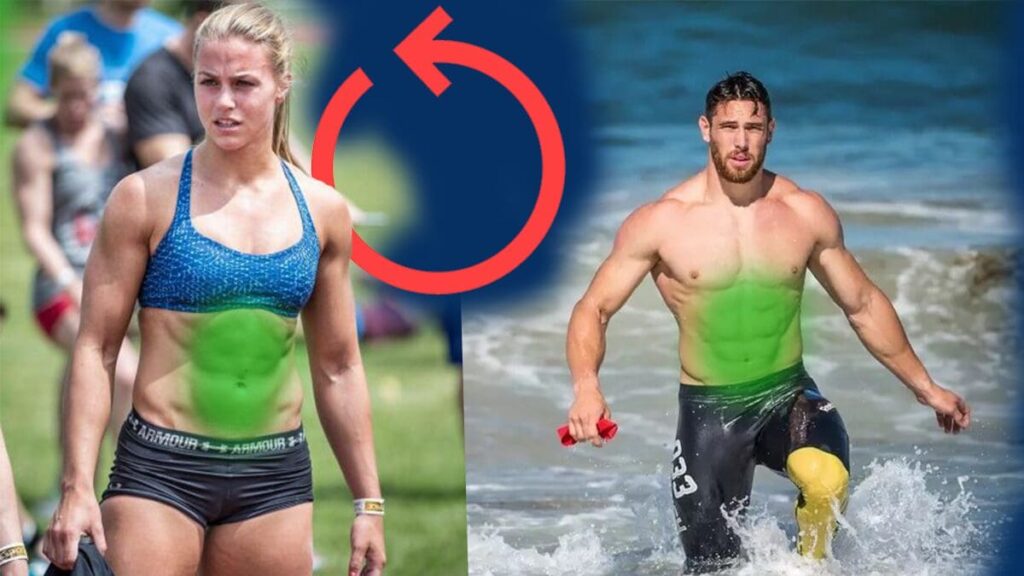
When it comes to building an attractive lower body, it’s not just about aesthetics. A strong lower body plays a crucial role in overall fitness, enhancing mobility, boosting athletic performance, and preventing injuries. But for many, it’s about feeling more confident in shorts, skirts, or swimwear. To achieve a toned, balanced look, it’s essential to target key muscle groups like the glutes, quadriceps, hamstrings, and calves.
Incorporating the right exercises into your routine is key. In this guide, we’ll dive into four fundamental lower-body exercises that help you sculpt, strengthen, and shape your legs and glutes for an attractive and functional physique.
Table of Contents
4 Exercises to Build an Attractive Lower Body
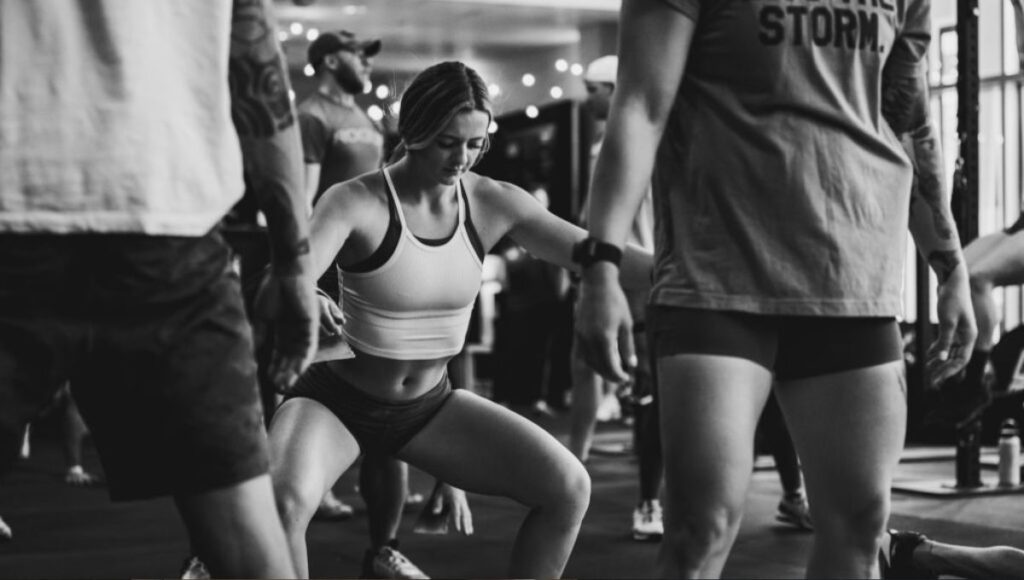
1. Squats: The King of Lower Body Exercises
Squats are often referred to as the “king” of all lower-body exercises, and for a good reason. They target multiple muscles in one movement and are highly effective in building strength, stability, and muscle mass.
Why Squats Are Effective:
- Engage the glutes, quadriceps, hamstrings, and calves.
- Improve core strength and stability.
- Increase mobility in the hips and ankles.
How to Perform Squats Correctly:
- Stand with feet shoulder-width apart and toes slightly turned out.
- Keep your chest up and core engaged as you bend your knees and lower your body as if sitting in a chair.
- Lower down until your thighs are parallel to the ground (or as far as your mobility allows).
- Push through your heels to return to a standing position.
- Repeat for 10-15 repetitions.
Variations for Extra Challenge:
- Goblet Squat: Hold a dumbbell or kettlebell close to your chest while squatting for added resistance.
- Jump Squat: Add a plyometric element by jumping explosively at the top of each squat to build power and tone fast-twitch muscle fibres.
- Bulgarian Split Squat: Perform a single-leg squat with your back foot elevated on a bench or step, enhancing balance and coordination while intensifying the workout on each leg.
From Goblet Squats to Zercher Squats: What Type of Squat is Best for You?
Studies Backing Squat Effectiveness:
Research has shown that squats, especially deep squats, can significantly activate the glutes and quadriceps, leading to better muscle growth and lower-body strength.
2. Lunges: Strengthening & Sculpting Symmetry
Lunges are a dynamic exercise that not only builds muscle but also improves balance and coordination. They target the quadriceps, hamstrings, glutes, and calves while ensuring each leg gets an equal workout, promoting symmetry and balance.
Why Lunges Are Effective:
- Engage the glutes, hamstrings, and quadriceps.
- Promote muscle symmetry and correct imbalances.
- Improve hip mobility and core stability.
How to Perform Lunges:
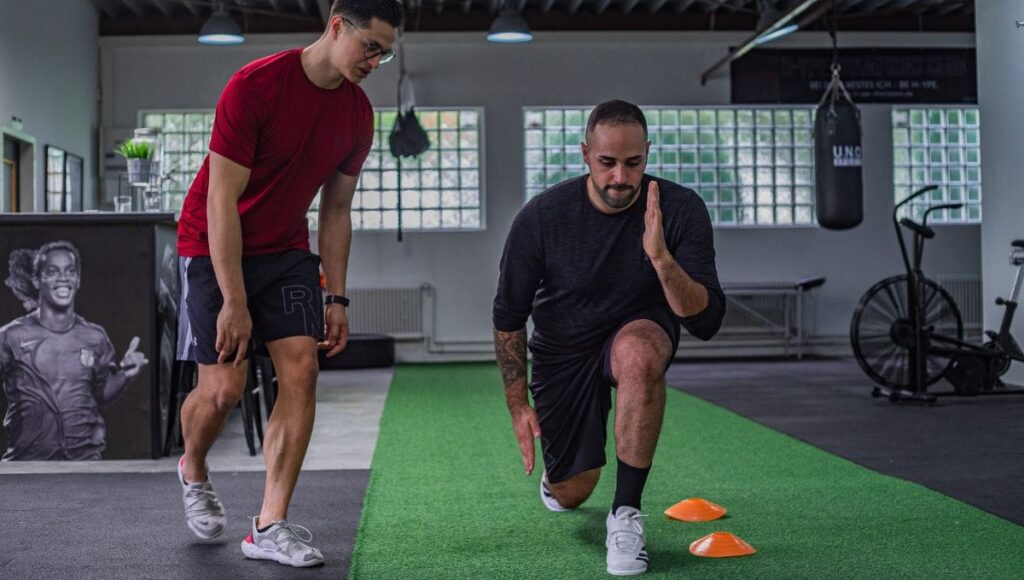
- Stand tall with feet hip-width apart and hands on your hips.
- Take a big step forward with one leg and lower your hips until both knees are bent at about 90 degrees.
- Ensure your front knee is directly above your ankle and not pushed too far forward.
- Push through your front heel to return to the starting position.
- Repeat with the opposite leg and alternate for 10-12 repetitions per leg.
Variations for Extra Challenge:
- Walking Lunges: Instead of returning to the starting position, step forward with the opposite leg and continue moving forward in a walking motion.
- Reverse Lunges: Step backward instead of forward, which can be gentler on the knees while still working the same muscles.
- Curtsy Lunges: Cross one leg behind the other when lunging, targeting the inner thighs and glutes more intensely.
Studies Supporting Lunges:
According to a study published in the Journal of Strength and Conditioning Research, lunges are highly effective in building lower-body strength, with significant activation of the glutes and hamstrings.
3. Deadlifts: The Ultimate Glute and Hamstring Builder
Deadlifts are one of the most powerful exercises for targeting the posterior chain, which includes the glutes, hamstrings, and lower back. They are a compound movement, meaning they work multiple muscles at once, leading to greater calorie burn and muscle growth.
Why Deadlifts Are Effective:
- Primarily target the hamstrings, glutes, and lower back.
- Strengthen the entire posterior chain, improving posture.
- Boost overall strength and power.
How to Perform a Deadlift:
- Stand with feet hip-width apart and a barbell or pair of dumbbells on the floor in front of you.
- Bend at the hips and knees to grab the weights, keeping your back flat and chest lifted.
- Engage your core, and drive through your heels to stand up, pulling the weight upwards.
- Once fully upright, pause briefly, then lower the weights back to the floor with control, hinging at the hips.
- Perform 8-10 repetitions for optimal results.
Variations for Extra Challenge:
- Romanian Deadlift: Keep your legs straighter during the lift, focusing even more on the hamstrings and glutes.
- Single-Leg Deadlift: Perform the movement on one leg at a time to engage your stabilising muscles and build unilateral strength.
- Sumo Deadlift: Position your feet wider and turn your toes outward to emphasise the inner thighs and glutes.
Research on Deadlift Benefits:
A 2019 study published in the Journal of Sports Science confirmed that deadlifts activate the glutes and hamstrings more than many other lower-body exercises, leading to greater muscle growth in these areas.
Kettlebell Workouts: Tops Exercises to Unlock Strength, Flexibility, and Endurance
4. Glute Bridges: Isolate and Activate Your Glutes
For those wanting to focus specifically on their glutes, glute bridges are a must. This exercise isolates and activates the gluteal muscles, helping to tone and strengthen without putting stress on the lower back or knees. It’s an excellent move for beginners and advanced gym-goers alike.
Why Glute Bridges Are Effective:
- Target the gluteus maximus, the largest muscle in the body.
- Improve hip stability and mobility.
- Strengthen the core and lower back.
How to Perform Glute Bridges:
- Lie flat on your back with your knees bent and feet flat on the ground, hip-width apart.
- Place your arms by your sides, palms down.
- Press through your heels, lift your hips off the floor until your body forms a straight line from your shoulders to your knees.
- Squeeze your glutes at the top and hold for a second before lowering back down.
- Perform 12-15 repetitions.
Variations for Extra Challenge:
- Single-Leg Glute Bridge: Lift one leg off the ground and perform the bridge on the opposite leg to increase difficulty.
- Banded Glute Bridge: Place a resistance band around your thighs to add resistance and activate the outer glutes (gluteus medius and minimus).
- Hip Thrust: Perform the movement with your upper back resting on a bench or step, adding weights for a more intense workout.
Studies on Glute Bridges:
A study conducted by the Journal of Orthopaedic & Sports Physical Therapy found that glute bridges significantly activate the gluteus maximus, making them one of the most effective exercises for building and shaping the glutes.
Conclusion:
Building an attractive lower body isn’t just about aesthetics; it’s about enhancing strength, balance, and mobility. Incorporating exercises like squats, lunges, deadlifts, and glute bridges into your workout routine is a surefire way to target all major muscles in your legs and glutes, helping you achieve a balanced, toned physique. Whether you’re a beginner or an experienced lifter, these four exercises can be adapted to suit any fitness level and will ensure that you develop strong, sculpted legs and glutes.
Remember, consistency is key. Perform these exercises 2-3 times a week, progressively increasing the weight or reps as you get stronger. Pairing them with a balanced diet rich in protein will help you maximise muscle growth and reach your lower-body goals faster.
Key Takeaways:
| Exercise | Primary Muscles Targeted | Benefits |
|---|---|---|
| Squats | Glutes, Quadriceps, Hamstrings, Calves | Builds overall leg strength, improves mobility |
| Lunges | Glutes, Hamstrings, Quadriceps, Calves | Promotes symmetry, improves balance and coordination |
| Deadlifts | Glutes, Hamstrings, Lower Back | Strengthens the posterior chain, improves posture |
| Glute Bridges | Glutes, Core, Lower Back | Isolates glutes, strengthens core, reduces knee/back strain |
References:
- Schoenfeld, B. J. (2010). Squatting Kinematics and Kinetics and Their Application to Exercise Performance. Journal of Strength and Conditioning Research, 24(12), 3497-3506.
- Paoli, A., Marcolin, G., & Petrone, N. (2009). The Effect of Squat Depth on Lower Body Muscle Activation in Human Subjects. Journal of Human Kinetics, 28, 25-31.
- Nadzalan, A. M., & Mohamad, N. I. (2017). Comparative Analysis of Muscle Activation in Lunges. Journal of Strength and Conditioning Research, 32(4), 1151-1158.
- Baggett, R., & McKean, M. R. (2019). The Impact of Deadlift Variation on Muscle Activation. Journal of Sports Science and Medicine, 18(4), 715-722.
- Reiman, M. P., & Bolgla, L. A. (2017). Glute Bridge Muscle Activation Compared to Other Lower Body Exercises. Journal of Orthopaedic & Sports Physical Therapy, 47(5), 328-333.
VR Fitness Workout: The Ultimate Guide to Getting Fit in Virtual Reality