A lot of attention has been placed on functional exercises such as high-intensity interval training and bodyweight training in recent years, which has led to isolation exercises taking a back seat. While HIIT workouts are definitely worthwhile and efficient, there are 4 isolation exercises that deserve a comeback and that you should consider.
Isolation exercise was once the go-to of resistance training. Hitting the gym to work a specific day was much like this: Monday was biceps day, Tuesday shoulders, Wednesday glutes and thighs, and so on. In light of various training modalities, isolation exercises have slowly become fewer and far between.
The information below goes into depth about the benefits of targeting workouts, 4 isolation exercises that deserve a comeback, and ways to incorporate these lifts into your program. 
What are the Benefits of Isolation Exercises?
Isolation exercises may not be as functional, or efficient, as let’s say HIIT or compound exercises, but they are still quite effective. Some may argue that isolation exercises are merely for bodybuilders working on specific areas of the body, but realistically we all regularly perform isolation exercises and may not even know it.
Think of an isolation exercise as working one joint at a time, such as a biceps curl. The benefits of these exercises hold their own, with some listed below.
- Target Specific Muscles. Targeting a muscle or group of muscles focuses solely on that area when you perform isolation exercises. Targeting such as this could be due to imbalances, personal goals, or to isolate and grow a specific area. Regardless of your reasons, isolation exercises are meant to target an area and work that spot.
- Improved Neural Connections. Working an isolation exercise can help the mind and body join together. This mind-body connection is important for the neurologic connection with muscle fibers and can help to make lifts stronger as a result.
- Creates Muscle Definition. Working a specific area and isolating it could help to generate a ripped section of your body. This muscle definition can help to establish an amazing pump and is essential for developing an athletic or strong look.
- Safe Option for Beginners. Look, beginners need to start somehow. Having someone brand new to weight lifting shouldn’t involve jumping right into functional workouts or HIIT, which means teaching them how to do isolation exercises is most practical. Also, beginners in the weight lifting world can build that mind-body connection by creating connections to the specific areas of the body being worked, making this essential for anyone who is brand new to lifting.

The Top 4 Isolation Exercises That Deserve A Comeback
The exercises ahead are oldies, but goodies. They have been reliable throughout the years and while functional exercises have stormed into the efficiency scene, these following 4 isolation exercises that deserve a comeback are effective at their craft. Let’s look closer.
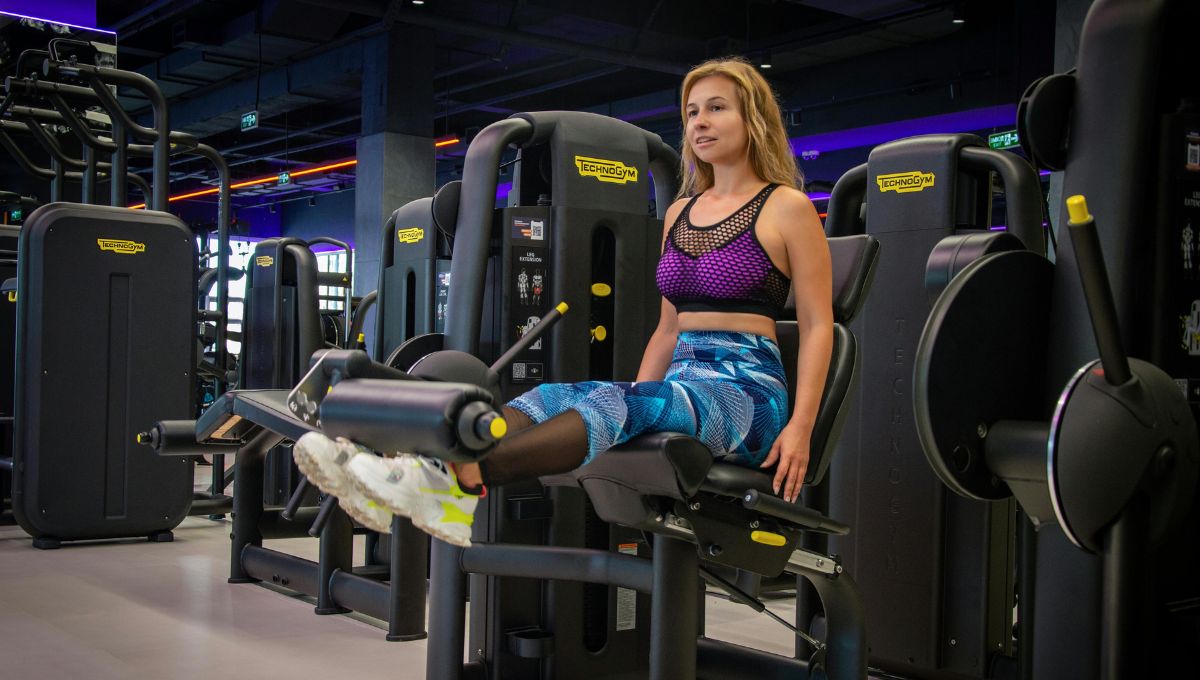
- Sitting Leg Extensions. This isolating exercise is an oldie that is performed on a selectorized machine or weight stack. The weighted leg extension isolation exercise targets the quadriceps muscles, with some muscle fibers maximally worked for full isolation. Look to leg extensions to isolate the quads and build muscle in this area.
- Prone Leg Curls. The opposite exercise to the leg extension, leg curls isolate the hamstrings for a targeted posterior muscle activation. Typically performed on a selectorized machine or weight stack, the lying leg curl can isolate hamstring muscle fibers to strengthen and lengthen these muscles.
- Zottman Curl. While the standard biceps curl is an old reliable targeted exercise, it doesn’t hold up the same way as the Zottman curl. The Zottman curl technically is a two-for-one exercise that takes a standard biceps curl with a reverse grip eccentric phase. While still a targeted exercise, the Zottman curl closely resembles a compound exercise even though it only works on one joint at a time.
- Seated Rear Fly. The rear fly is a tough exercise that truly develops the posterior deltoid, rhomboids, and traps. Performed on a selectorized machine, the rear fly is essential for posture and developing the upper back muscles.
The Best Reps and Sets for Isolation Exercises
With some of the best isolation exercises described above, now is the time to establish the best reps and sets for muscular growth. The programming of each exercise will largely depend on goals, but in a general sense these isolation exercises target large muscles and groups. Since large muscles and groups are involved, they have the great potential to grow big.
Here’s a suggested programming volume for nailing down isolation exercises. Consider the reps and sets designed for hypertrophy training ahead.
- Sets: Hypertrophy training should include 3-4 sets of each exercise. Aim for 3-4 depending where you are in your fitness journey and push your body past its comfort for optimal results.
- Reps: A pyramid drop set is ideal for creating gains in muscular strength and size. Each set should be performed to failure, meaning the last one or two reps of each set will be challenging. Perform a pyramid drop set of 10, 8, 6, and 4 (if you do 4 sets) reps to induce serious results.
- Rest Periods: The amount of time you rest between sets is crucial for success. Resting no more than 30-45 seconds between your isolation exercise sets can be a great way to establish hypertrophy and fatigue in the muscles being targeted.
- Frequency: If you are specifically creating a workout that is based on isolation exercises, then you should aim for a frequency of 3-4 times per week. Ideally, a Monday, Wednesday, Friday, and possibly Sunday can work well for programming hypertrophy in these exercises. Consistency with these lifts for two straight weeks should lead to a progression with added weight.
Conclusion
In the day and age of functional training and interval training, isolation exercises have taken a step back from the spotlight. Isolation exercises are great for targeting specific muscle fibers or groups of muscles and may help to teach beginners the basics to specific exercises.
The content above goes through 4 isolation exercises that deserve a comeback and how to add them for a workout. While they may not be the most efficient when compared to functional training, these isolation exercises are essential for hitting specific areas of the body.