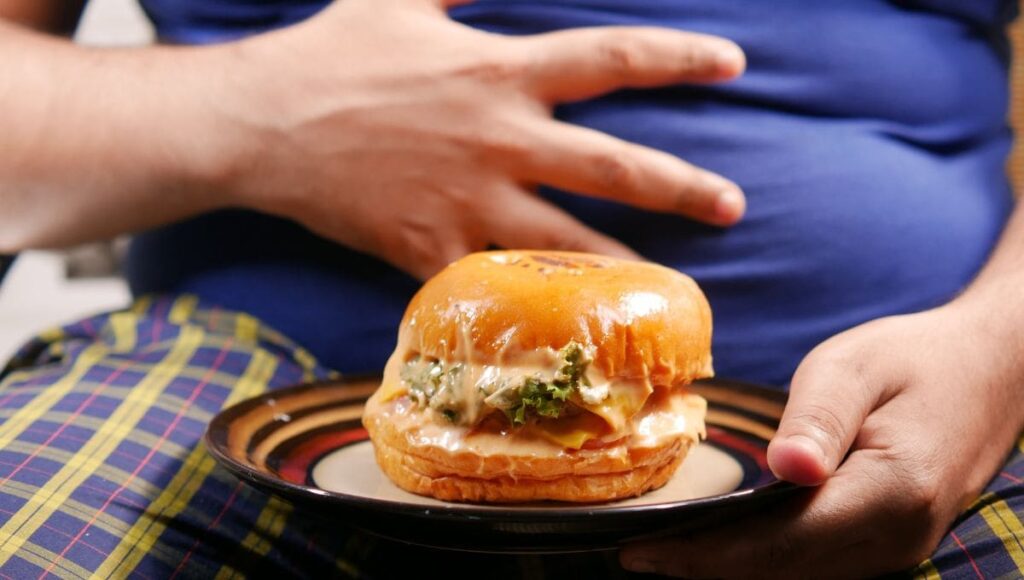
Losing fat, especially from specific areas, is a goal many of us chase. Whether it’s the belly, arms, thighs, or back, fat can seem stubborn, hanging on despite your best efforts. Here’s the truth: spot reduction, the idea of targeting fat loss in specific areas, is largely a myth. However, by focusing on overall fat loss, you can reduce fat everywhere and eventually from those problem areas too.
With the right strategies, you can slim down effectively, improving your health and confidence. So, let’s get into it—four simple, science-backed strategies to help you lose fat anywhere in your body.
Table of Contents
1. Master Your Nutrition: The Foundation of Fat Loss
Calories In vs Calories Out
Fat loss always starts with a calorie deficit. This means burning more calories than you consume daily. When you’re in a deficit, your body taps into stored fat for energy, leading to fat loss.
- Calculate your daily calorie needs using an online Total Daily Energy Expenditure (TDEE) calculator.
- Aim for a daily calorie deficit of 500-750 calories, as this leads to a safe weight loss rate of about 0.5-1 kg per week.
- Avoid extreme deficits, which can lead to muscle loss and slow metabolism.

Focus on Nutrient-Dense Foods
To lose fat, it’s essential to eat foods that keep you full and satisfied while still being low in calories.
- Opt for high-volume, low-calorie foods like vegetables, fruits, and whole grains.
- Include lean proteins such as chicken, fish, tofu, and legumes. Protein boosts metabolism and helps preserve muscle mass during fat loss.
- Incorporate healthy fats from sources like avocados, olive oil, and nuts. These fats help with satiety and support overall health.
Cut Back on Refined Carbohydrates and Sugar
Highly processed foods, rich in refined carbs and sugars, contribute to fat gain by causing blood sugar spikes, which lead to insulin resistance and fat storage.
- Minimise sugary snacks, soft drinks, and white bread.
- Replace refined carbs with whole, unprocessed foods like oats, sweet potatoes, and brown rice.
2. Increase Physical Activity: Burn More Calories
Cardio Workouts
Cardiovascular exercise is one of the most effective ways to burn calories and promote fat loss.
- Aim for 150–300 minutes of moderate-intensity cardio, like brisk walking or cycling, each week.
- For more intense fat burning, incorporate high-intensity interval training (HIIT). HIIT sessions alternate between intense bursts of exercise and brief recovery periods, making it a time-efficient way to burn calories.
Strength Training
While cardio burns more calories during the workout, strength training is vital for long-term fat loss. Building muscle increases your resting metabolic rate, meaning you burn more calories even at rest.
- Include strength training exercises like squats, deadlifts, lunges, and push-ups 2-3 times per week.
- Focus on compound movements that engage multiple muscle groups for maximum fat-burning potential.
Stay Active Throughout the Day
Don’t just rely on workouts. Everyday activities, like walking, gardening, or cleaning, also burn calories.
- Aim for 10,000 steps a day or more.
- Stand up and move around every 30 minutes if you have a sedentary job.
3. Prioritise Sleep: Rest Your Way to Fat Loss

Why Sleep Matters
Lack of sleep can severely hinder your fat loss efforts. Studies show that sleep deprivation leads to higher levels of ghrelin, a hunger hormone, and lower levels of leptin, the hormone that signals fullness. This imbalance results in increased appetite and cravings, especially for high-calorie, sugary foods.
- Aim for 7-9 hours of quality sleep each night.
- Stick to a regular sleep schedule, even on weekends.
- Create a sleep-friendly environment by keeping your room cool, dark, and quiet.
Manage Stress
Chronic stress triggers the release of cortisol, a hormone that can lead to fat accumulation, especially around the belly. Finding ways to manage stress can help reduce cortisol levels and support fat loss.
- Practice relaxation techniques like meditation, deep breathing, or yoga.
- Ensure you have downtime and activities you enjoy to unwind.
4. Stay Consistent and Track Your Progress
Set Realistic Goals
Setting achievable and measurable goals is key to staying motivated throughout your fat loss journey.
- Break your long-term fat loss goals into smaller, manageable milestones.
- Focus on non-scale victories too, like how your clothes fit or how much energy you have.

Monitor Your Food Intake
Tracking your meals can make you more aware of your eating habits and help ensure you’re maintaining a calorie deficit.
- Use a food diary or an app like MyFitnessPal to log what you eat.
- Be honest and consistent with your tracking for the most accurate results.
Regularly Check Your Progress
Progress isn’t always about what the scale says. Use a variety of methods to track how far you’ve come:
- Take measurements of your waist, hips, and other key areas.
- Take progress photos every few weeks.
- Notice changes in how your clothes fit or how you feel during workouts.
Stay Patient
Fat loss is a gradual process. Results take time, and it’s important not to get discouraged if progress seems slow.
- Focus on creating long-term, sustainable habits rather than quick fixes.
- Celebrate small wins along the way to keep yourself motivated.
Conclusion
Losing fat anywhere on your body requires a blend of smart nutrition, regular exercise, good sleep, and patience. By mastering these four simple strategies—eating in a calorie deficit, increasing physical activity, prioritising sleep, and tracking your progress—you can lose fat effectively and sustainably. Remember, it’s not about finding shortcuts; it’s about committing to a healthier lifestyle.
Key Takeaways
| Strategy | Key Points |
|---|---|
| Master Your Nutrition | Maintain a calorie deficit, focus on whole foods, and reduce refined carbs and sugars. |
| Increase Physical Activity | Combine cardio with strength training, and stay active throughout the day to burn more calories. |
| Prioritise Sleep | Aim for 7-9 hours of sleep to regulate hunger hormones and reduce stress-induced fat gain. |
| Stay Consistent & Track Progress | Set realistic goals, monitor your food intake, track your progress with measurements and photos, and stay patient for long-term success. |
References
- Phillips, S.M., 2014. A brief review of higher dietary protein diets in weight loss: A focus on athletes. Sports Medicine, 44(2), pp.149-153.
- Ludwig, D.S., 2002. The glycemic index: physiological mechanisms relating to obesity, diabetes, and cardiovascular disease. JAMA, 287(18), pp.2414-2423.
- Thompson, W.R., 2020. Worldwide survey of fitness trends for 2020. ACSM’s Health & Fitness Journal, 24(1), pp.10-18.
- Strasser, B., 2013. Physical activity in obesity and metabolic syndrome. Annals of the New York Academy of Sciences, 1281(1), pp.141-159.
- Spiegel, K., Leproult, R., and Van Cauter, E., 2004. Impact of sleep debt on metabolic and endocrine function. The Lancet, 354(9190), pp.1435-1439.
- Epel, E.S., et al., 2000. Stress and body shape: stress-induced cortisol secretion is consistently greater among women with central fat. Psychosomatic Medicine, 62(5), pp.623-632.