Improving your push-ups isn’t just about cranking out more reps; it requires a focus on form, strength, and the right techniques. Whether you’re struggling with “worm” push-ups, the “downward dogger,” or “head bobber” style, refining your technique can make a world of difference. The key to unlocking push-up potential lies in mastering specific skills and techniques that enhance muscle engagement, form, and endurance.
This article explores four essential strategies to boost your push-up performance in just 30 days. By incorporating these techniques into your training regimen, you can improve your form and increase your overall push-up count.
The information in this article is based on a video shared by Cori Lefkowith. She founded Redefining Strength in 2014 with a mission to empower people through fitness, nutrition, and proper supplementation. She is a former Division I athlete who wants to train smarter, not harder. Cori also has a YouTube channel with nearly 1 million subscribers that you can check it out.
Understanding Your Push-Up Form
Before diving into the specific techniques, it’s essential to understand the common pitfalls in push-up form that can hinder your progress. Often, small deviations in form can creep in unnoticed, reinforcing poor movement patterns that make it harder to achieve your push-up goals. Here’s how to identify and correct these issues:
- The Worm: Allowing your hips to sag or rise can turn your push-up into a “worm” motion, which reduces the effectiveness of the exercise. Focus on keeping a straight line from your head to your heels, engaging your core to maintain this alignment.
- The Downward Dogger: Flaring your elbows out wide and shifting your weight backward can make your push-ups resemble a downward dog pose. Keep your elbows at a 45-degree angle to your body and concentrate on lowering your chest directly towards the ground.
- The Head Bobber: Dipping your head towards the floor instead of your chest can lead to ineffective push-ups and strain your neck. Imagine leading with your chest and keeping your gaze forward to maintain proper form.
4 Tips to Increase Your Push Ups in 30 Days
Improving your push-ups isn’t just about doing more reps; it’s about enhancing your technique and muscle engagement. This process, referred to as skill work, involves focused practice on specific push-up variations and training techniques. Here’s how to incorporate skill work into your weekly routine:
1. Eccentric Focus Push-Ups
Eccentric push-ups are an excellent way to build strength and control, particularly if you’re stuck between levels of difficulty. By emphasizing the lowering phase of the push-up, you can work on your form and engage the right muscles.
- How to Perform: Start in a full push-up position from your toes. Slowly lower your body over five seconds, maintaining a straight line from head to heels. Once you reach the bottom, reset and start again without pushing back up.
- Why It Works: We are typically stronger in the eccentric phase (lowering) than the concentric phase (pushing up). This allows you to handle a more challenging variation of the push-up, building the necessary strength and control to progress.
- Workout Structure: Aim for 2-4 sets of eccentric-only push-ups, with each set consisting of no more than six reps. Rest for about 90 seconds between sets. If you can perform more than six reps, consider advancing to a more challenging variation.
The Perfect Push-Up Workout For Every Fitness Goal
2. Bottom-Up Push-Ups
Bottom-up push-ups address one of the most challenging parts of the push-up: transitioning from the bottom to pushing back up without losing form or tension.
- How to Perform: Begin in the bottom push-up position, ensuring your body is tense and aligned. Push through your palms to lift your body off the ground, maintaining a straight line as you rise.
- Why It Works: This variation helps develop the strength needed to push back up while maintaining proper form. It also enhances your ability to maintain tension and control throughout the movement.
- Workout Structure: Perform 4-6 rounds of five reps, resting 1-2 minutes between rounds. Begin with a modified variation if necessary, such as on an incline or from your knees, and gradually increase the difficulty as you progress.
3. Cluster Sets
Cluster sets are designed to boost strength endurance and training volume by dividing your set into smaller, manageable “mini-sets” with brief rests in between.
- How to Perform: Choose a push-up variation you can perform for only 2-3 reps. Set a goal of completing eight total reps by performing 2-3 reps, resting for 20 seconds, and repeating until all eight reps are complete.
- Why It Works: Cluster sets allow you to tackle a more advanced push-up variation, increasing your strength and control while accumulating a higher training volume.
- Workout Structure: Complete 3-5 sets, with each set consisting of eight total reps. Rest for 90 seconds between sets. Focus on maintaining form throughout and adjust your variation if necessary.
4. Push-Up Holds

Push-up holds target specific points in the push-up where you tend to “stick” or struggle, helping you build strength and control at these critical positions.
- How to Perform: Identify the point in the push-up where you typically struggle, whether it’s near the bottom, middle, or top. Hold this position for 20-30 seconds, concentrating on engaging your muscles and maintaining proper form.
- Why It Works: Isometric holds strengthen your “stick points,” enhancing muscle engagement and control. This technique is particularly effective for improving stability and muscle recruitment.
- Workout Structure: Perform 2-3 rounds of holds at your identified stick points, resting for 30-60 seconds between rounds. Integrate this exercise into your routine as part of your push-up skill work.
Can You Pass The Royal Marine Push-Up Test?
The Importance of Prehab Work
While strength and technique are vital for improving push-ups, prehab work plays a crucial role in preventing injuries and enhancing muscle activation. Prehab involves foam rolling, stretching, and activation exercises to prepare your body for optimal performance.
Prehab Routine
- Foam Rolling: Use a foam roller to target areas prone to tightness, such as the chest, shoulders, and triceps. Spend a few minutes on each area, focusing on releasing tension and improving blood flow.
- Dynamic Stretching: Incorporate dynamic stretches to enhance mobility and prepare your joints for movement. Arm circles, shoulder dislocates, and dynamic chest stretches are excellent choices.
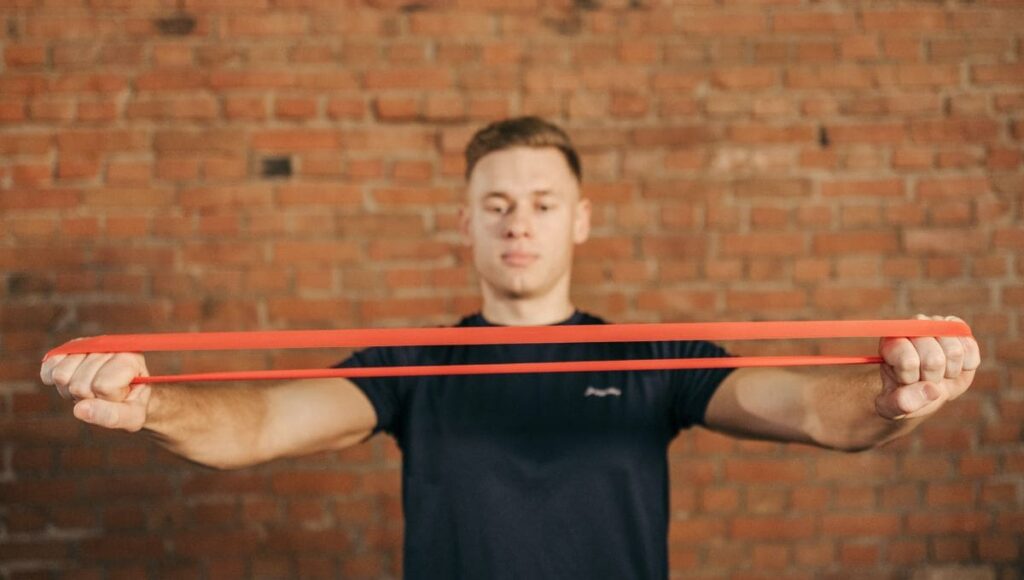
- Muscle Activation: Engage key muscles through activation exercises, such as scapular push-ups, band pull-aparts, and plank variations. These exercises prime your muscles for push-ups, ensuring efficient muscle recruitment.
Filming Your Progress
Tracking your push-up progress through filming provides valuable insights into your form and technique. Recording your sessions allows you to:
- Identify Form Deviations: Visual feedback helps you spot areas that need improvement and make necessary adjustments to your technique.
- Track Progress: Documenting your journey provides a clear picture of your development over time, boosting motivation and helping you set achievable goals.
- Stay Accountable: Regularly reviewing your footage encourages accountability, ensuring you stay committed to maintaining proper form and progressing in your push-up journey.
Summary
Improving your push-ups requires a combination of skill work, strength training, and prehab exercises. By focusing on eccentric push-ups, bottom-up variations, cluster sets, and push-up holds, you can enhance your technique, muscle engagement, and overall performance. Incorporating prehab work into your routine helps prevent injuries and ensures optimal muscle activation. Remember to film your progress to monitor your development and stay motivated on your journey to mastering push-ups.
Key Takeaways:
| Technique | Benefits | Workout Structure |
|---|---|---|
| Eccentric Focus Push-Ups | Builds strength and control by emphasizing the lowering phase of the push-up. | 2-4 sets of eccentric-only push-ups, each set consisting of no more than six reps. Rest for 90 seconds between sets. |
| Bottom-Up Push-Ups | Enhances strength and control from the bottom position, focusing on maintaining tension. | Perform 4-6 rounds of five reps, resting 1-2 minutes between rounds. Start with a modified variation if necessary. |
| Cluster Sets | Increases strength endurance and training volume through mini-sets with brief rests. | Complete 3-5 sets, each set consisting of eight total reps. Rest for 90 seconds between sets. Maintain form and adjust variation if needed. |
| Push-Up Holds | Targets specific stick points to build strength and control. | Perform 2-3 rounds of holds at identified stick points, resting 30-60 seconds between rounds. |
| Prehab Work | Prevents injuries and enhances muscle activation through foam rolling, dynamic stretching, and activation exercises. | Include foam rolling, dynamic stretching, and muscle activation exercises in your warm-up routine. Focus on chest, shoulders, and triceps for optimal performance and injury prevention. |