Embarking on a weight loss journey can be challenging, but adopting healthy habits is key to achieving and maintaining your goals.
Healthy habits not only contribute to shedding those extra pounds but also enhance your overall well-being, boosting energy levels, improving mood, and reducing the risk of chronic diseases. However, despite our best intentions, certain bad habits can sabotage our efforts, making weight loss seem like an uphill battle.
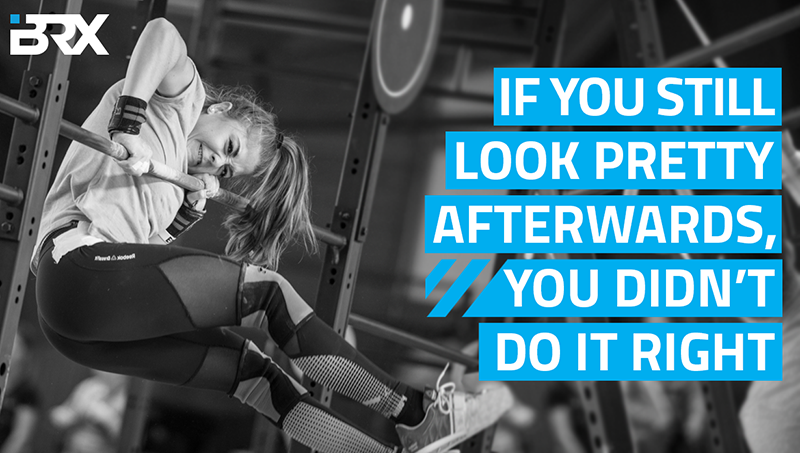
Changing bad habits is a crucial step towards faster and more sustainable weight loss. By identifying and modifying these detrimental behaviors, you can create a healthier lifestyle that supports your weight loss goals. The process of change may require some effort and persistence, but the rewards are well worth it.
In this article, we will explore five common bad habits that can impede your progress and provide practical tips on how to change them. These habits include skipping breakfast, eating late at night, consuming sugary drinks, leading a sedentary lifestyle, and engaging in mindless eating.
By addressing and altering these habits, you can set yourself on a more effective and enjoyable path to weight loss. Let’s dive in and discover how you can make these changes for a healthier, happier you.
Habit 1: Skipping Breakfast
Skipping breakfast is a common habit that many people adopt, often due to busy schedules or the misconception that fewer meals will lead to weight loss. However, skipping breakfast can actually hinder your weight loss efforts.
Why Skipping Breakfast Can Hinder Weight Loss
When you skip breakfast, your body goes into a prolonged fasting state. This can lead to increased hunger and cravings later in the day, often resulting in overeating or choosing unhealthy, high-calorie snacks.

Additionally, skipping breakfast can negatively impact your mood and energy levels, making it harder to stay active and motivated throughout the day.
The Role of Breakfast in Kick-Starting Metabolism
Breakfast is often referred to as the most important meal of the day for good reason. Eating a nutritious breakfast helps to kick-start your metabolism after the overnight fast, providing the energy needed for physical and mental activities.
This early boost can enhance your calorie-burning potential and help maintain stable blood sugar levels, preventing the energy crashes that lead to unhealthy eating later on.
Healthy Breakfast Options
Choosing the right foods for breakfast can make a significant difference. Here are some healthy options to consider:
- Whole Grains: Oatmeal, whole grain toast, or whole grain cereals provide sustained energy.
- Protein: Eggs, Greek yogurt, or a protein smoothie can keep you full and satisfied.
- Fruits and Vegetables: Adding fruits to your cereal or vegetables to an omelette can boost your fiber and nutrient intake.
- Healthy Fats: Avocado, nuts, or seeds can add healthy fats that support brain function and satiety.
Tips for Making Breakfast a Daily Routine
Incorporating breakfast into your daily routine can be simple with a few practical strategies:
Plan Ahead: Prepare breakfast the night before, such as overnight oats or a smoothie pack, to save time in the morning.
Keep It Simple: Choose quick and easy options that require minimal preparation, like a piece of fruit with a handful of nuts.
Set a Reminder: Use an alarm or calendar reminder to prompt you to eat breakfast if you tend to forget.
Eat on the Go: If mornings are rushed, consider portable options like a banana, a protein bar, or a homemade breakfast sandwich.
By prioritizing a healthy breakfast, you can set a positive tone for the rest of your day, supporting your weight loss goals and overall health.
Habit 2: Eating Late at Night
Late-night eating is a habit that can significantly impede weight loss efforts. Understanding its impact on metabolism and weight gain, along with strategies to curb this habit, can help you achieve your weight loss goals more effectively.
How Late-Night Eating Affects Metabolism and Weight Gain
Eating late at night can disrupt your body’s natural metabolic processes. When you consume food close to bedtime, your body is more likely to store those calories as fat rather than using them for energy. This is because your metabolism slows down while you sleep, making it harder to burn off the extra calories. Additionally, late-night eating often involves high-calorie, high-fat, and sugary foods, which can contribute to weight gain and negatively affect your overall health.

The Science Behind the Body’s Circadian Rhythm and Digestion
Your body operates on a circadian rhythm, an internal clock that regulates various physiological processes, including digestion and metabolism. This rhythm is influenced by light and dark cycles, signaling your body when to be awake and when to sleep.
During the day, your metabolism is more active, and your body is better equipped to process and utilize food. At night, your metabolism slows down, and your body prepares for rest and recovery.
Eating late disrupts this natural rhythm, leading to poor digestion, less efficient calorie burning, and increased fat storage.
Strategies for Curbing Late-Night Snacking
Curbing late-night snacking can be challenging, but these strategies can help:
Eat Balanced Meals: Ensure that your meals throughout the day are balanced and satisfying, reducing the likelihood of hunger at night.
Stay Hydrated: Sometimes thirst is mistaken for hunger. Drink water throughout the day and have a glass of water if you feel hungry at night.
Set a Cut-Off Time: Establish a specific time in the evening after which you won’t eat. This helps create a routine and trains your body to expect food earlier in the day.
Brush Your Teeth: Brushing your teeth after dinner can signal the end of eating for the day and reduce the temptation to snack.
Alternative Activities to Distract from Late-Night Hunger
Finding alternative activities can help distract you from late-night hunger and prevent unnecessary snacking:
- Engage in a Hobby: Keep your hands and mind busy with activities like reading, knitting, drawing, or solving puzzles.
- Practice Relaxation Techniques: Techniques such as deep breathing, meditation, or gentle yoga can help relax your mind and body, reducing the urge to snack out of stress or boredom.
- Go for a Walk: A short walk can help take your mind off food and signal to your body that it’s time to wind down.
- Listen to Music or a Podcast: Enjoying your favorite music or an interesting podcast can be a great distraction and help you unwind.
By understanding the impact of late-night eating and implementing these strategies, you can break this habit and support your weight loss efforts more effectively.
Habit 3: Consuming Sugary Drinks
Consuming sugary drinks is a widespread habit that can severely hinder weight loss efforts. Understanding their impact on calorie intake and weight gain, as well as identifying hidden sugars and healthier alternatives, is crucial for making positive changes.
The Impact of Sugary Drinks on Calorie Intake and Weight Gain
Sugary drinks are high in calories and low in nutritional value. Beverages like soda, sweetened coffee and tea, energy drinks, and fruit juices often contain large amounts of added sugars, contributing significantly to daily calorie intake without providing any sense of fullness.

This can lead to consuming more calories than needed, resulting in weight gain. Additionally, sugary drinks can cause spikes in blood sugar levels, followed by crashes that increase hunger and cravings, making it more challenging to maintain a healthy diet.
Hidden Sugars in Common Beverages
Many beverages contain hidden sugars that can easily be overlooked. Here are some common culprits:
- Fruit Juices: Even 100% fruit juices can be high in natural sugars, and many commercially available juices have added sugars.
- Flavored Coffees and Teas: Specialty coffees and teas often contain syrups, sweeteners, and flavored creams that add extra sugar.
- Sports and Energy Drinks: These drinks are marketed as performance enhancers but often contain high levels of sugar.
- Smoothies and Flavored Milk: Store-bought smoothies and flavored milk drinks can have added sugars that significantly increase calorie content.
Healthier Drink Alternatives
Switching to healthier drink options can reduce sugar intake and support weight loss:
- Water: The best choice for hydration without any calories or sugar.
- Herbal Teas: Naturally free of sugar and available in a variety of flavors.
- Infused Water: Adding slices of fruits, vegetables, or herbs to water can provide flavor without added sugar.
- Black Coffee or Tea: These options are calorie-free if consumed without sugar or cream.
- Sparkling Water: A good alternative to soda, especially with a splash of natural fruit juice for flavor.
Tips for Reducing Sugar Intake in Beverages
Reducing sugar intake in beverages can be accomplished with these tips:
Gradual Reduction: Slowly decrease the amount of sugar you add to coffee or tea to allow your taste buds to adjust.
Read Labels: Check nutrition labels for added sugars and choose beverages with lower or no added sugars.
Make Your Own: Prepare homemade versions of popular drinks, such as iced tea or lemonade, using minimal or no sugar.
Use Natural Sweeteners: Opt for natural sweeteners like stevia or monk fruit if you need to sweeten your drinks.
Stay Mindful: Be aware of your beverage choices throughout the day and make a conscious effort to choose healthier options.
By cutting back on sugary drinks and opting for healthier alternatives, you can significantly reduce your calorie intake and support your weight loss goals.
Habit 4: Sedentary Lifestyle
A sedentary lifestyle can be a significant barrier to weight loss and overall health. Understanding its negative effects and finding ways to incorporate more physical activity into your daily routine can make a big difference in your well-being and weight management efforts.
The Effects of a Sedentary Lifestyle on Weight Loss and Overall Health
Living a sedentary lifestyle, characterized by prolonged periods of inactivity, can lead to several health issues.

Lack of movement can contribute to weight gain by reducing the number of calories burned throughout the day. It also negatively impacts metabolic health, increasing the risk of conditions such as obesity, type 2 diabetes, and cardiovascular disease.
Additionally, sedentary behavior can lead to muscle loss, decreased flexibility, and poor posture, further complicating efforts to stay active and healthy.
The Importance of Regular Physical Activity
Regular physical activity is crucial for weight loss and overall health. It helps to:
Burn Calories: Exercise increases the number of calories burned, aiding in weight loss and weight maintenance.
Boost Metabolism: Physical activity can enhance metabolic rate, helping the body to burn more calories even at rest.
Improve Mood: Exercise releases endorphins, which can improve mood and reduce stress.
Strengthen Muscles and Bones: Regular movement helps to build and maintain muscle mass and bone density.
Enhance Cardiovascular Health: Physical activity improves heart health, reducing the risk of heart disease and stroke.
Easy Ways to Incorporate More Movement Into Your Day
Incorporating more movement into your daily routine doesn’t have to be complicated. Here are some simple strategies:
- Take Breaks: Stand up and stretch or walk around for a few minutes every hour, especially if you have a desk job.
- Use the Stairs: Opt for stairs instead of elevators or escalators whenever possible.
- Walk or Bike: Choose walking or biking for short trips instead of driving.
- Active Commuting: If possible, walk or cycle to work, or get off public transport a few stops early and walk the rest of the way.
- Household Activities: Engage in household chores like cleaning, gardening, or organizing, which can be surprisingly active.
Examples of Simple Exercises to Get Started
Starting with simple exercises can make physical activity more approachable and sustainable. Here are a few examples:
- Walking: A brisk walk is an excellent way to get moving and can be done almost anywhere.
- Bodyweight Exercises: Exercises like squats, lunges, push-ups, and planks can be done at home without any equipment.
- Stretching: Incorporate stretching or yoga to improve flexibility and reduce muscle tension.
- Light Cardio: Activities like jumping jacks, dancing, or using a jump rope can elevate your heart rate and burn calories.
- Strength Training: Use resistance bands, light weights, or household items like water bottles to perform strength-training exercises.
By making small, consistent changes to reduce sedentary behavior and incorporate more movement, you can enhance your weight loss efforts and improve your overall health.
Habit 5: Mindless Eating
Mindless eating is a common habit that can significantly undermine weight loss efforts. By understanding this behavior and adopting mindful eating practices, you can improve your relationship with food and better manage your weight.
Definition and Examples of Mindless Eating
Mindless eating occurs when you consume food without paying full attention to what or how much you are eating. This often happens during activities such as watching TV, working, or scrolling through your phone.
Examples of mindless eating include:
- Eating in front of the TV: Consuming snacks or meals while watching shows, leading to overeating without realizing it.
- Snacking while working: Reaching for food while focused on tasks, often resulting in unconscious munching.
- Eating from large packages: Consuming food directly from bags or containers, making it hard to track portion sizes.
- Social Eating: Eating more than usual at social events or gatherings because of the availability of food and distraction.
How Mindless Eating Contributes to Weight Gain
Mindless eating can lead to weight gain in several ways:
Overeating: When you’re not paying attention, it’s easy to eat more than your body needs, resulting in excess calorie intake.
Poor Food Choices: Mindless eating often involves reaching for convenient, unhealthy options like chips, cookies, and candy.
Lack of Satisfaction: Eating without focus can prevent you from fully enjoying and feeling satisfied by your food, leading to continued snacking or larger portions.
Techniques for Practicing Mindful Eating
Practicing mindful eating involves paying full attention to the experience of eating and savoring each bite. Here are some techniques to help you get started:
- Eat Slowly: Take your time to chew thoroughly and savor the flavors, textures, and aromas of your food.
- Eliminate Distractions: Turn off the TV, put away your phone, and focus solely on your meal.
- Portion Control: Serve your food on a plate or bowl rather than eating directly from packages, and start with smaller portions.
- Listen to Your Body: Pay attention to hunger and fullness signals to guide when and how much to eat.
- Engage Your Senses: Notice the colors, smells, and tastes of your food to enhance your eating experience and satisfaction.
Benefits of Paying Attention to Hunger and Fullness Cues
Listening to your body’s hunger and fullness cues can provide several benefits:
Better Weight Management: By eating only when you’re truly hungry and stopping when you’re full, you can better control your calorie intake.
Improved Digestion: Eating slowly and mindfully can aid in better digestion and reduce issues like bloating and discomfort.
Enhanced Enjoyment of Food: Fully experiencing your meals can increase your satisfaction and reduce the need for excessive snacking.
Reduced Emotional Eating: Being more aware of your eating habits can help you identify and address emotional triggers for eating, such as stress or boredom.
Healthier Relationship with Food: Mindful eating encourages a balanced approach to food, promoting a healthier and more positive relationship with eating.
By incorporating mindful eating practices into your daily routine, you can break the habit of mindless eating, support your weight loss goals, and improve your overall well-being.
Conclusion
Changing bad habits is a crucial step in achieving and maintaining weight loss. Let’s recap the five habits we’ve discussed and their impacts on weight loss:
Skipping Breakfast: Skipping breakfast can hinder weight loss by slowing down metabolism and increasing the likelihood of overeating later in the day. Starting your day with a healthy breakfast kick-starts your metabolism and helps control hunger.
Eating Late at Night: Late-night eating can disrupt your body’s natural rhythms and lead to weight gain due to poor digestion and increased fat storage. Setting a cut-off time for eating and finding alternative activities can help curb this habit.
Consuming Sugary Drinks: Sugary drinks add unnecessary calories and contribute to weight gain without providing nutritional value. Switching to healthier alternatives and gradually reducing sugar intake can support your weight loss goals.
Sedentary Lifestyle: A sedentary lifestyle decreases the number of calories burned and increases the risk of various health issues. Incorporating regular physical activity and simple exercises into your daily routine can enhance your metabolism and overall health.
Mindless Eating: Mindless eating leads to overeating and poor food choices, which contribute to weight gain. Practicing mindful eating by paying attention to hunger and fullness cues, eliminating distractions, and savoring your food can help you better manage your weight.
Making drastic changes all at once can be overwhelming and difficult to maintain. Instead, focus on making small, sustainable changes to your habits. Start with one habit at a time and gradually incorporate new behaviors into your routine. This approach will make it easier to adapt and stick with your new habits long-term.
Consistency and patience are essential components of a successful weight loss journey. Remember that lasting change doesn’t happen overnight. It’s important to be patient with yourself and recognize that setbacks are a normal part of the process. Celebrate your progress, no matter how small, and keep moving forward.
By understanding and addressing these five bad habits, you can create a healthier lifestyle that supports your weight loss goals.
Stay committed to making positive changes, and over time, you’ll see the benefits of your efforts. Your journey to weight loss and better health is a marathon, not a sprint, and every step you take brings you closer to your goals.