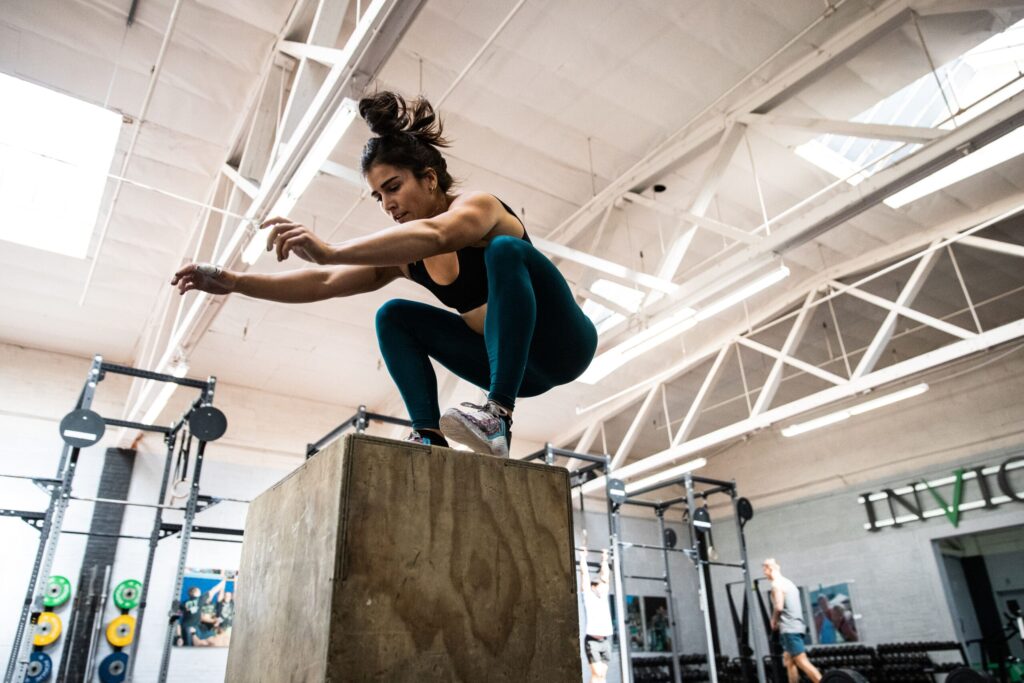
Defined upper abs are one of the most sought-after physical traits in fitness, and for good reason. They are strongly associated with trunk strength, athletic performance, and overall body control. Despite what social media trends suggest, visible upper abs are not the result of gimmicks, endless crunches, or short-term challenges.
They are built through a combination of intelligent exercise selection, progressive overload, sufficient muscle activation, and body fat management.
This article breaks down the five best exercises for upper ab definition in 2026, based strictly on biomechanical principles and peer-reviewed research. Every claim is grounded in science, explained in clear language, and focused on practical application. No fluff. No hype. Just what works.
Understanding Upper Ab Anatomy and Function
What Are the Upper Abs?
The “upper abs” refer primarily to the upper portion of the rectus abdominis. This long, paired muscle runs vertically along the front of the abdomen, from the pubic bone to the lower ribs and sternum. Although it is a single muscle, it is segmented by tendinous intersections, which create the visible “six-pack” appearance.

Electromyography (EMG) studies consistently show that different exercises can bias activation toward the upper or lower portions of the rectus abdominis, depending on spinal angle, pelvic tilt, and movement direction (Escamilla et al., 2010).
The upper abs are most active during movements involving spinal flexion where the rib cage moves toward the pelvis, rather than the pelvis moving toward the rib cage.
Why Upper Abs Are Often Underdeveloped
Many people overemphasize hip flexion-based movements like sit-ups, which heavily recruit the iliopsoas and rectus femoris. Research shows these muscles can dominate when form breaks down or when range of motion is excessive (Juker et al., 1998).
Upper ab development requires exercises that:
- Create high tension through spinal flexion
- Minimize hip flexor contribution
- Allow progressive overload
- Maintain lumbar spine control
The Role of Body Fat in Ab Definition
Before discussing exercises, one critical point must be made: muscle definition is only visible when body fat levels are sufficiently low. Studies using ultrasound and DEXA scans confirm that abdominal fat thickness strongly predicts visibility of the rectus abdominis, regardless of muscle size (Ross et al., 2020).
However, muscle hypertrophy still matters. Research shows that thicker abdominal muscles are more visible at higher body fat percentages compared to thinner muscles (Kubo et al., 2006). In simple terms: building the upper abs makes them easier to see once fat is reduced.
Exercise Selection Criteria Used in This Article
The exercises below were selected based on five evidence-based criteria:
- High upper rectus abdominis activation (measured via EMG)
- Low hip flexor dominance
- Ability to progressively overload
- Favorable spinal mechanics
- Transfer to athletic and functional movement
Each exercise is explained biomechanically and supported by research.
1. Weighted Decline Crunch
Why It Works
The weighted decline crunch remains one of the most effective upper ab exercises ever studied. Performing the movement on a decline bench increases resistance through gravity, while adding external load increases mechanical tension — the primary driver of muscle hypertrophy (Schoenfeld, 2010).
EMG data consistently show higher upper rectus abdominis activation during decline crunches compared to flat crunches and sit-ups (Escamilla et al., 2006).
Key Muscles Activated
- Upper rectus abdominis (primary)
- Lower rectus abdominis (secondary)
- Obliques (stabilization)
How to Perform It Correctly
- Set a decline bench between 20–30 degrees.
- Secure your feet and hold a weight plate or dumbbell at chest level.
- Begin with your spine neutral and ribs down.
- Exhale and curl your torso upward, bringing the rib cage toward the pelvis.
- Stop when the shoulder blades lift off the bench.
- Lower slowly under control.
Avoid pulling with the neck or swinging the weight. Slow eccentrics increase muscle activation and time under tension, which has been shown to enhance hypertrophy (Roig et al., 2009).
Programming Recommendations
- Reps: 8–15
- Sets: 3–4
- Tempo: 2–3 seconds down, 1 second up
- Load: Increase gradually as strength improves
2. Hanging Knee Raise with Posterior Pelvic Tilt
Why It Works
Standard hanging leg raises often become hip flexor-dominant. However, when performed with a deliberate posterior pelvic tilt and controlled spinal flexion, hanging knee raises strongly activate the upper abs while reducing hip flexor involvement.

EMG research shows that posterior pelvic tilt significantly increases rectus abdominis activation compared to neutral positioning (Sarti et al., 1996).
Key Muscles Activated
- Upper rectus abdominis
- Lower rectus abdominis
- Transverse abdominis
- Forearm and shoulder stabilizers
Proper Execution
- Hang from a pull-up bar with shoulders active.
- Bend the knees to 90 degrees.
- Initiate the movement by tilting the pelvis backward.
- Curl the pelvis upward, bringing the knees toward the chest.
- Pause briefly at the top.
- Lower slowly, maintaining control.
The key is spinal movement, not leg swing. Research shows momentum significantly reduces abdominal muscle activity (Andersson et al., 1997).
Programming Recommendations
- Reps: 10–20
- Sets: 3–5
- Rest: 60–90 seconds
- Progression: Add ankle weights or slow tempo
3. Cable Crunch (Kneeling or Standing)
Why It Works
The cable crunch allows precise loading of spinal flexion through a full range of motion. Unlike floor-based crunches, cables provide constant tension throughout the movement.
Studies comparing resistance modalities show that constant external resistance leads to higher muscle activation and hypertrophy potential compared to bodyweight alone (Gentil et al., 2017).
Key Muscles Activated
- Upper rectus abdominis (primary)
- Obliques
- Transverse abdominis
Technique Breakdown
- Attach a rope handle to a high cable.
- Kneel or stand facing away from the machine.
- Hold the rope at the sides of your head.
- Brace your core and exhale as you flex the spine downward.
- Think “ribs to hips.”
- Return slowly to the starting position.
Do not hinge at the hips. Hip flexion reduces rectus abdominis involvement and shifts work to the hip flexors.
Programming Recommendations
- Reps: 12–20
- Sets: 3–4
- Load: Challenging but controlled
- Rest: 45–75 seconds
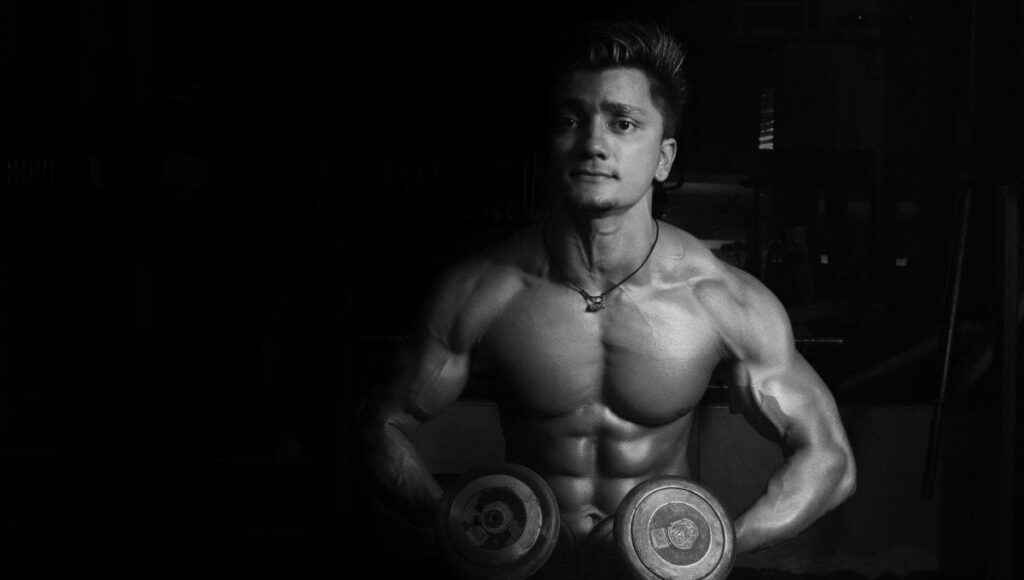
4. Ab Wheel Rollout (Short Range for Upper Abs)
Why It Works
Ab wheel rollouts are often viewed as a lower ab or anti-extension exercise, but EMG data shows very high upper rectus abdominis activation, especially in the initial phase of the rollout (Escamilla et al., 2010).
The upper abs work eccentrically to control spinal extension and concentrically to return to neutral.
Key Muscles Activated
- Upper rectus abdominis
- Lower rectus abdominis
- Transverse abdominis
- Lats and shoulders (stabilization)
How to Bias Upper Abs
- Start from a kneeling position.
- Roll forward only until the torso reaches about 30–45 degrees from vertical.
- Keep ribs down and glutes engaged.
- Pull back using spinal flexion, not hip flexion.
Shorter range rollouts increase rectus abdominis contribution and reduce lumbar strain, as shown in biomechanical modeling studies (McGill, 2007).
Programming Recommendations
- Reps: 6–12
- Sets: 3–4
- Tempo: Slow and controlled
- Rest: 90 seconds
5. Reverse Crunch on Incline Bench
Why It Works
While reverse crunches are often labeled a “lower ab” exercise, research shows significant activation of the upper rectus abdominis when spinal flexion is emphasized rather than leg movement (Sarti et al., 1996).
Using an incline bench increases resistance and range of motion, improving hypertrophy stimulus.
Key Muscles Activated
- Upper rectus abdominis
- Lower rectus abdominis
- Obliques
Execution Tips
- Lie on an incline bench, head higher than hips.
- Bend knees slightly.
- Initiate by curling the pelvis upward.
- Lift hips off the bench, focusing on spinal movement.
- Lower slowly without letting the lower back arch.
Pelvic control is critical. Studies show that pelvic tilt significantly increases rectus abdominis activation compared to leg-dominant motion (Juker et al., 1998).
Programming Recommendations
- Reps: 10–15
- Sets: 3–4
- Rest: 60 seconds
Training Volume and Frequency for Upper Abs
Research on abdominal hypertrophy suggests that the abs respond similarly to other skeletal muscles when volume and intensity are sufficient (Schoenfeld et al., 2016).
Evidence-Based Guidelines
- Frequency: 2–4 times per week
- Total weekly sets: 10–20
- Progressive overload: Mandatory
- Rest: 48 hours between intense sessions
Training abs daily is unnecessary and may impair recovery, especially with loaded movements.
Nutrition and Recovery Considerations
Upper ab definition requires a caloric deficit to reduce fat mass. Meta-analyses show that resistance training preserves lean mass during fat loss and improves muscle definition when combined with adequate protein intake (Phillips & Van Loon, 2011).
Key Evidence-Based Nutrition Points
- Protein intake: 1.6–2.2 g/kg body weight
- Moderate calorie deficit (300–500 kcal)
- Adequate sleep (7–9 hours)
Sleep deprivation has been shown to impair fat loss and reduce muscle retention (Nedeltcheva et al., 2010).
Common Myths About Upper Ab Training
Myth 1: High Reps Are Best
Hypertrophy occurs across a wide rep range when sets are taken close to failure (Schoenfeld et al., 2017).
Myth 2: Upper Abs Are Genetic
While tendon structure affects appearance, muscle size and fat loss determine visibility (Kubo et al., 2006).
Myth 3: Crunches Are Bad for Your Back
When performed correctly, spinal flexion exercises produce compressive forces well below injury thresholds (McGill, 2007).
Final Thoughts
Defined upper abs in 2026 still follow the same physiological rules they always have: mechanical tension, proper movement, recovery, and fat loss. The five exercises covered in this article consistently outperform trendy alternatives because they align with how the rectus abdominis actually functions.
Train them like any other muscle. Load them. Control them. Recover properly. The results will follow.
References
- Andersson, E.A., Nilsson, J. and Ma, Z. (1997) ‘Back and abdominal muscle activity in lifting’, International Journal of Sports Medicine, 18(2), pp. 124–130.
- Escamilla, R.F., Babb, E., DeWitt, R., Jew, P., Kelleher, P., Burnham, T., Busch, J., D’Anna, K. and Mowbray, R. (2006) ‘Electromyographic analysis of traditional abdominal exercises’, Journal of Orthopaedic & Sports Physical Therapy, 36(5), pp. 285–295.
- Escamilla, R.F., Lewis, C., Bell, D., Bramblet, G., Daffron, J., Lambert, S., Pecson, A. and Imamura, R. (2010) ‘Core muscle activation during Swiss ball and traditional abdominal exercises’, Journal of Orthopaedic & Sports Physical Therapy, 40(5), pp. 265–276.
- Gentil, P., Fisher, J. and Steele, J. (2017) ‘A review of the acute effects and long-term adaptations of resistance training’, Sports Medicine, 47(9), pp. 1–15.