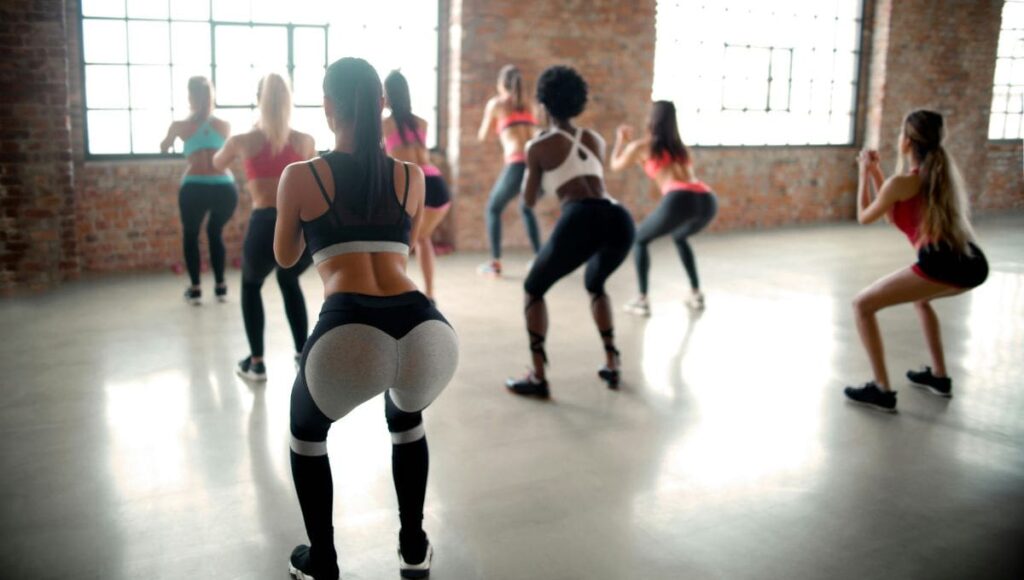
Building strong, well-shaped glutes goes beyond aesthetics. For women over 30, glute development plays a vital role in posture, mobility, injury prevention, and metabolic health. After 30, women begin to experience a natural decline in muscle mass and hormonal shifts that can impact fat distribution and muscle tone.
Targeted strength training can counter these effects, especially in the gluteal region. This article explores five of the most effective, science-backed exercises for strengthening and shaping the glutes, specifically tailored to the needs and physiology of women aged 30 and above.
Why Glute Training Is Essential for Women Over 30
Muscle Loss and Aging
Sarcopenia, the age-related loss of muscle mass, begins around the age of 30. According to Mitchell et al. (2012), adults lose approximately 3-5% of their muscle mass per decade after age 30, with a more accelerated decline post-menopause.
Gluteal muscles, being among the largest and most powerful in the body, are critical to everyday movement and overall strength. Without targeted resistance training, the glutes can atrophy, leading to weaker hips, reduced balance, and a higher risk of falls.
Hormonal Shifts and Fat Distribution
Estrogen, which plays a role in fat distribution and muscle maintenance, begins to decline in women around the perimenopausal phase. This hormonal shift often results in increased fat storage in the abdominal area and a decrease in lower body muscle tone (Lovejoy et al., 2008). Strategic glute training helps counteract these changes by improving lower body strength and maintaining lean muscle mass, which boosts metabolic rate and supports healthier body composition.
Injury Prevention and Postural Support
Strong glutes are essential for pelvic stability and spinal alignment. Weak glutes can lead to compensatory movements and overuse of other muscle groups, contributing to lower back pain and knee issues. Research by Selkowitz et al. (2016) emphasizes that targeted glute strengthening significantly enhances lower limb mechanics, improving both functional performance and reducing injury risk.
Exercise #1: Barbell Hip Thrust
Why It Works
The barbell hip thrust is one of the most effective glute isolation exercises, providing high levels of glute activation with minimal stress on the lower back. A study by Contreras et al. (2015) using EMG analysis found that hip thrusts elicit greater gluteus maximus activation than traditional squats or deadlifts.
How to Perform It
- Sit on the ground with your upper back resting against a bench and a loaded barbell over your hips.
- Bend your knees and place your feet flat on the floor, hip-width apart.
- Drive through your heels to lift your hips, extending your hips until your thighs are parallel to the ground.
- Pause at the top, squeezing your glutes hard.
- Lower slowly and repeat.
Programming Tips
Perform 3-4 sets of 8-12 reps. Focus on full hip extension and a controlled eccentric (lowering) phase.
Exercise #2: Romanian Deadlift (RDL)
Why It Works
The RDL targets the glutes and hamstrings through a hip hinge pattern, improving posterior chain strength and hip mobility. This movement mimics functional bending patterns and helps strengthen the glutes eccentrically, which is critical for injury prevention.
How to Perform It
- Stand with your feet hip-width apart, holding a barbell or dumbbells in front of your thighs.
- Hinge at your hips while keeping a slight bend in your knees and lower the weight down your legs.
- Keep your back flat and glutes engaged.
- Once you feel a stretch in your hamstrings, reverse the motion by driving through your hips.
- Squeeze your glutes at the top.
Programming Tips
Perform 3-4 sets of 6-10 reps. Use a weight that allows for controlled movement and proper hip hinge technique.
Exercise #3: Bulgarian Split Squat
Why It Works
This unilateral exercise helps correct muscle imbalances and improves balance, coordination, and single-leg strength. It places a strong load on the glutes, especially when performed with a forward lean and greater depth.
How to Perform It
- Stand a few feet in front of a bench and place your rear foot on the bench.
- Hold dumbbells at your sides or a barbell on your back.
- Lower your back knee toward the ground while keeping your front shin vertical.
- Push through your front heel to return to the start.
Programming Tips
Perform 3 sets of 8-10 reps per leg. Focus on maintaining alignment and depth.
Exercise #4: Glute-Focused Step-Up
Why It Works
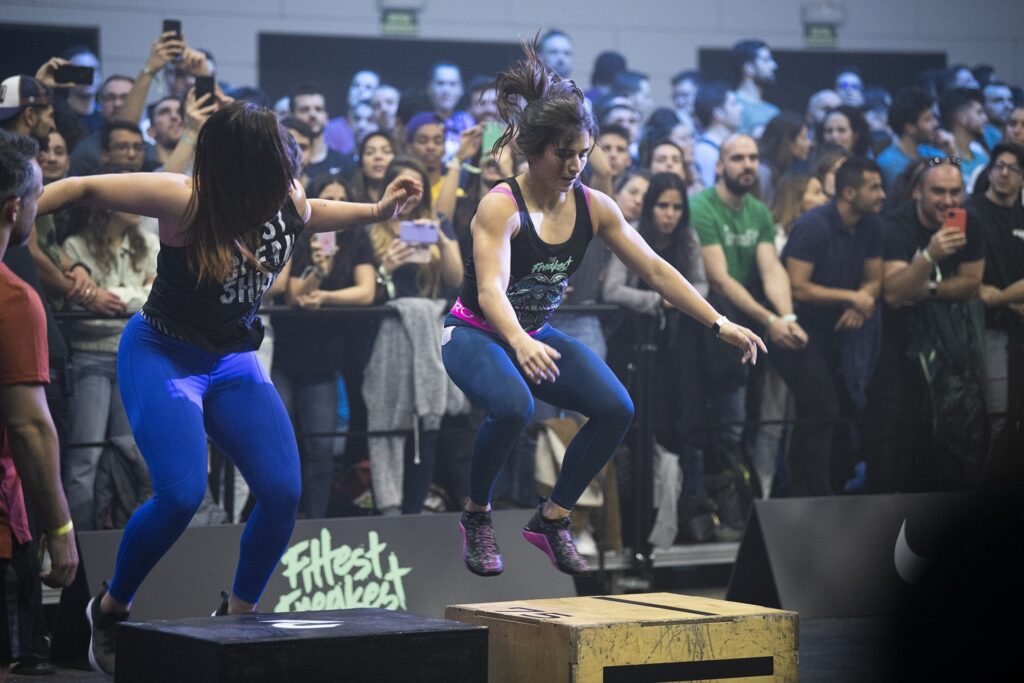
Step-ups simulate real-life movement patterns and offer excellent glute engagement, particularly when using a higher platform and driving through the heel of the lead leg. Studies such as those by Ebben et al. (2009) have shown high glute activation with step-ups, making them ideal for functional strength.
How to Perform It
- Stand in front of a knee-height bench or platform.
- Place one foot on the bench and push through the heel to lift your body.
- Bring your trailing leg up without letting it take over the movement.
- Lower with control and repeat.
Programming Tips
Perform 3 sets of 10-12 reps per leg. Use dumbbells or a barbell to increase difficulty.
Exercise #5: Cable Kickback
Why It Works
Cable kickbacks isolate the gluteus maximus and provide constant tension throughout the range of motion. They are particularly beneficial for refining glute shape and enhancing neuromuscular activation.
How to Perform It
- Attach an ankle strap to a low cable pulley and secure it around your ankle.
- Stand facing the machine and hold onto it for support.
- Keeping a slight bend in your standing leg, kick the strapped leg back and slightly upward.
- Pause and squeeze at the top before returning to start.
Programming Tips
Perform 3 sets of 12-15 reps per leg. Focus on form and controlled movement.
Key Training Principles for Women 30+
Progressive Overload
To continue building muscle and strength, gradually increase resistance over time. This can be achieved by increasing weight, repetitions, or time under tension.
Recovery and Hormonal Considerations
As recovery may slow with age, prioritize sleep, nutrition, and active recovery. Post-exercise protein intake (around 20-30g) has been shown to support muscle protein synthesis, especially in aging populations (Phillips et al., 2009).
Movement Quality Over Quantity
Form should always be prioritized to maximize glute engagement and reduce injury risk. Using proper technique ensures the target muscles are activated effectively.
Conclusion
For women over 30, glute training is a powerful tool to enhance health, performance, and aesthetics. The five exercises outlined here—barbell hip thrusts, Romanian deadlifts, Bulgarian split squats, glute-focused step-ups, and cable kickbacks—are backed by research and practical application.
Combined with progressive overload, proper recovery, and attention to technique, these movements can help women build and maintain strong, functional, and well-shaped glutes well into the future.
Key Takeaways
| Exercise | Target Area | Reps/Sets | Benefits |
|---|---|---|---|
| Barbell Hip Thrust | Glute Maximus | 3-4 sets of 8-12 | Maximal glute activation, low back strain |
| Romanian Deadlift | Glutes, Hamstrings | 3-4 sets of 6-10 | Hip hinge strength, posterior chain development |
| Bulgarian Split Squat | Glutes, Quads | 3 sets of 8-10/leg | Balance, unilateral strength, injury prevention |
| Glute-Focused Step-Up | Glutes, Core | 3 sets of 10-12/leg | Functional strength, high glute activation |
| Cable Kickback | Glute Maximus | 3 sets of 12-15/leg | Isolation, shape development, constant tension |